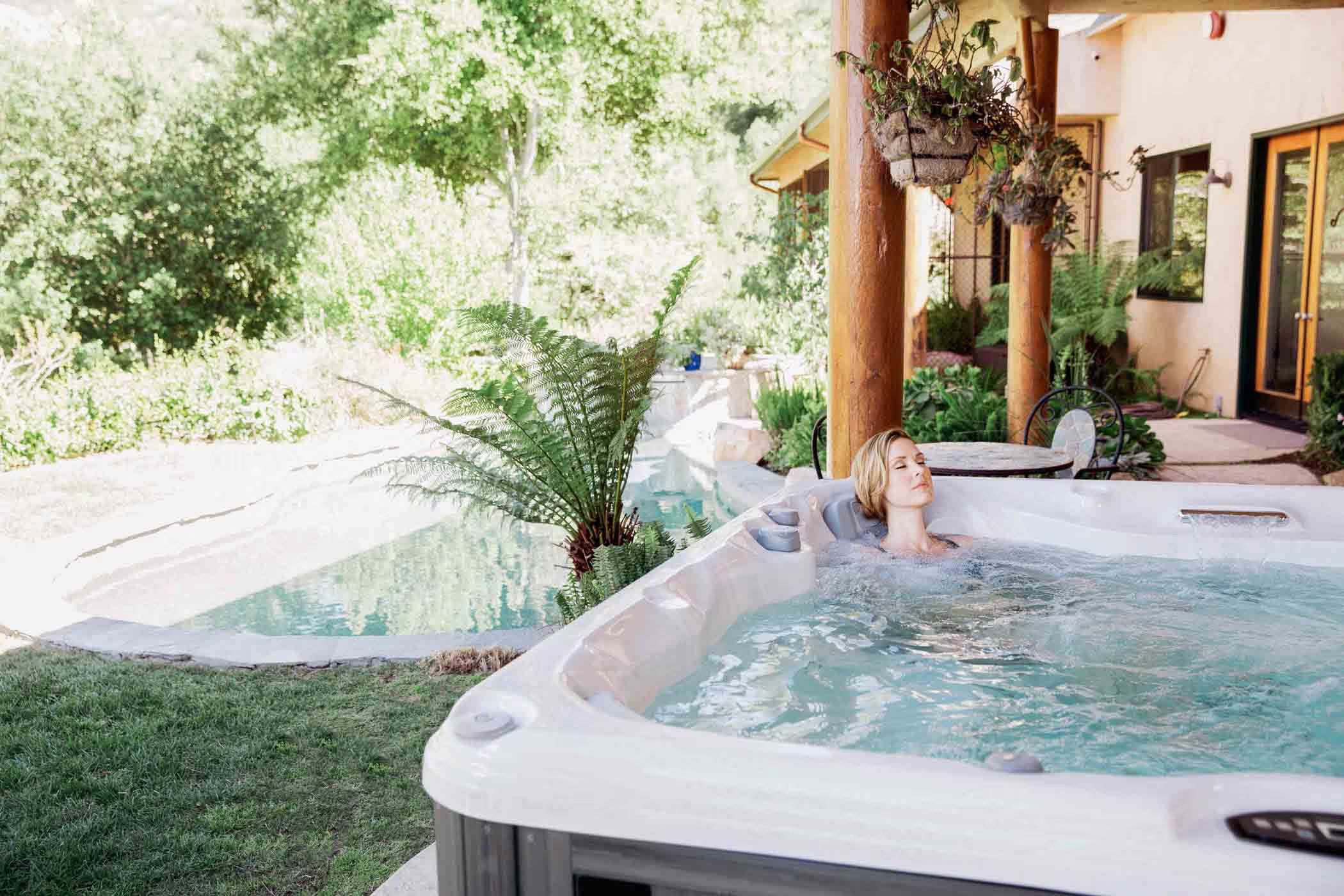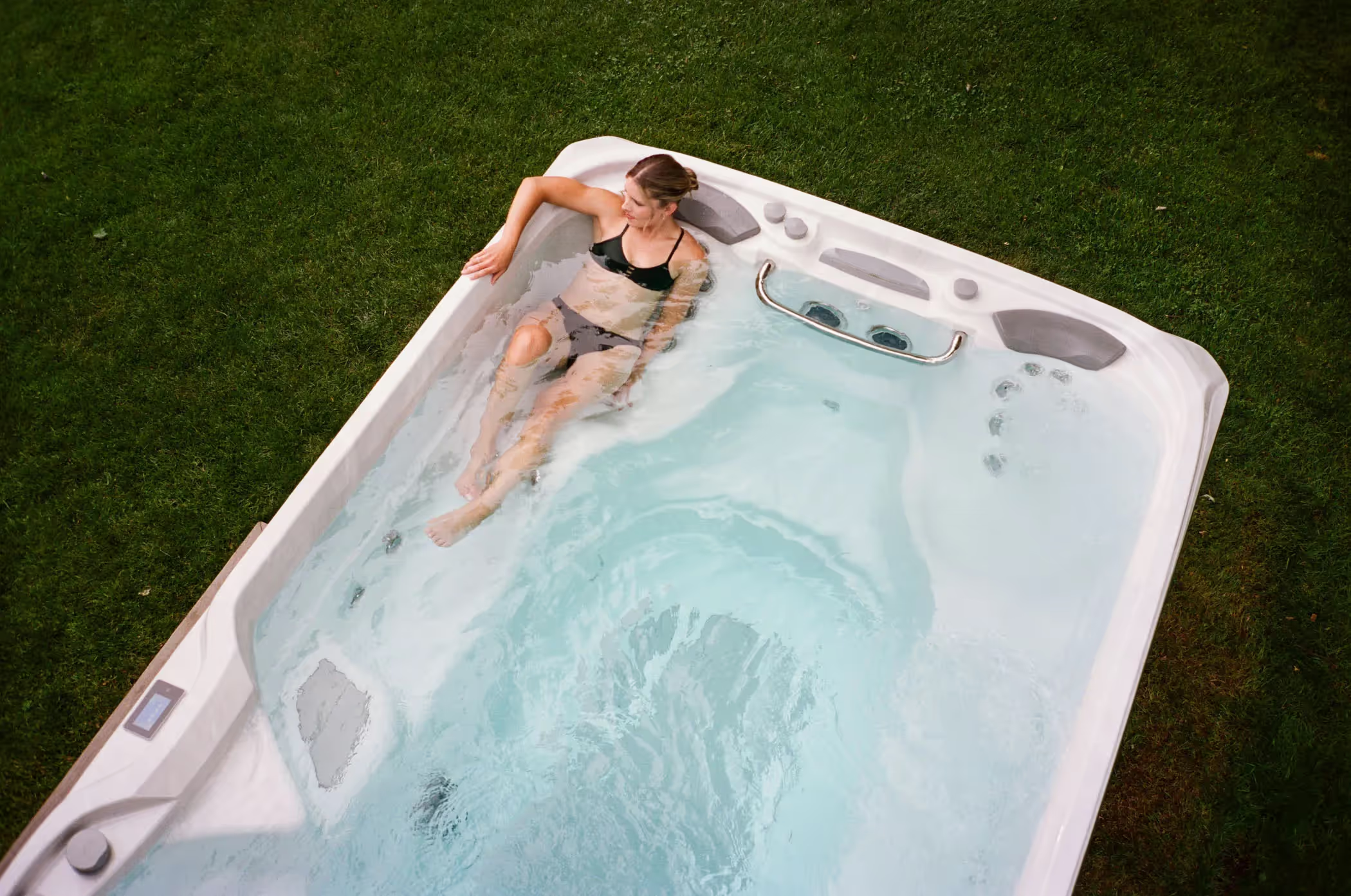

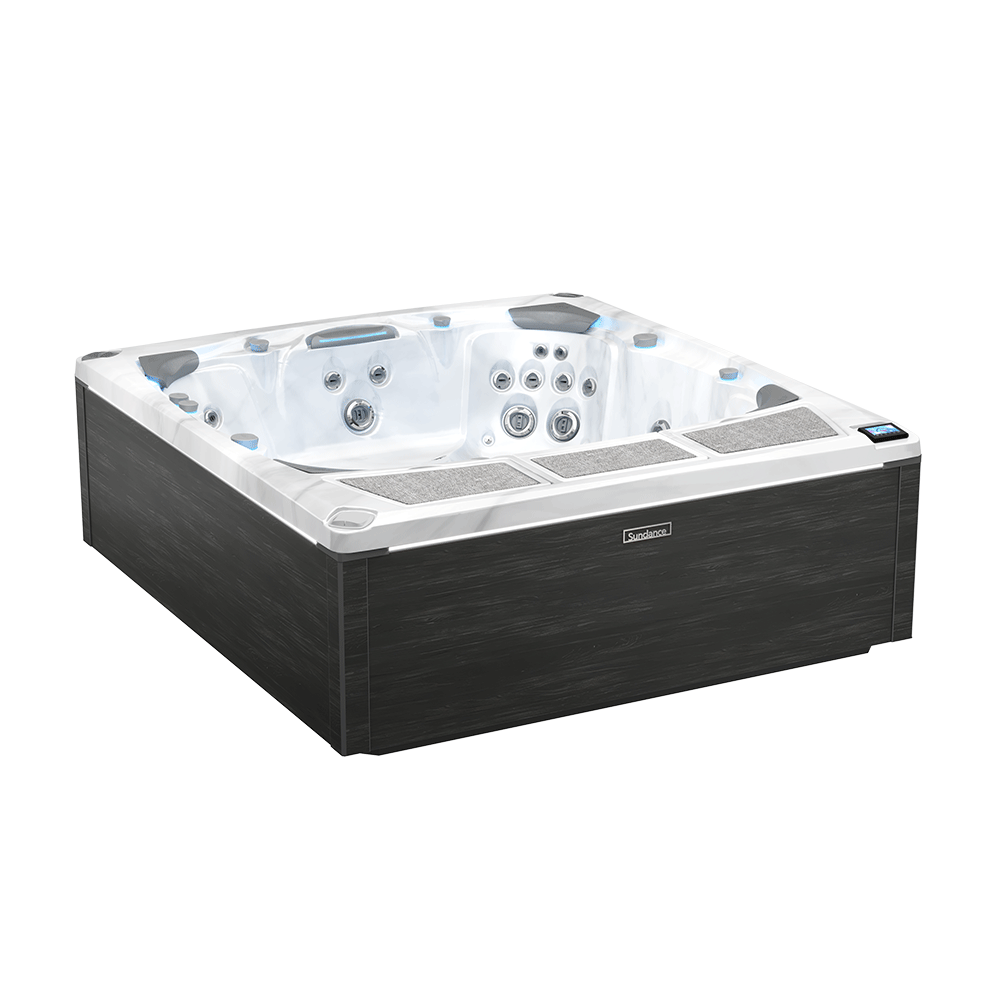
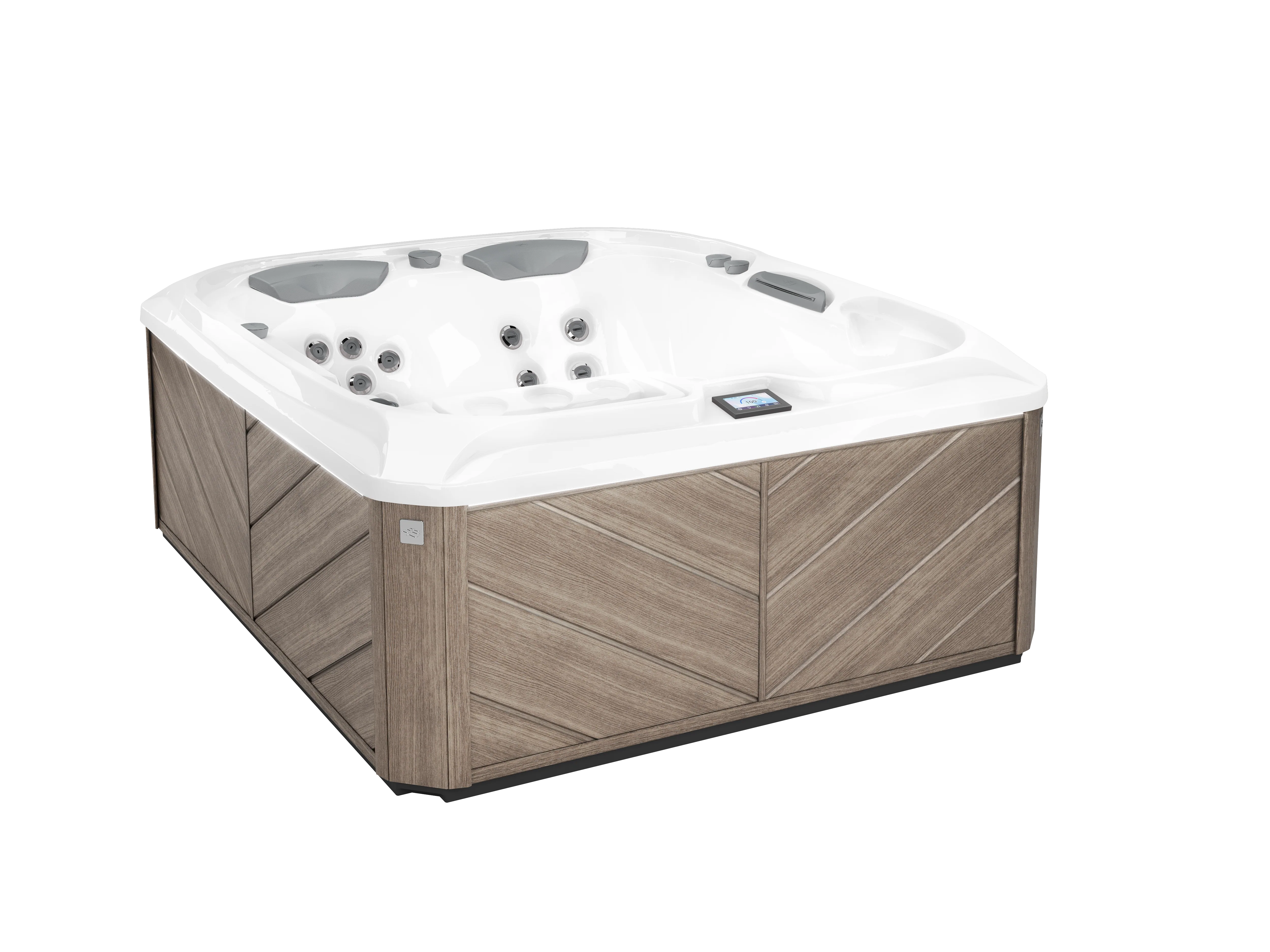
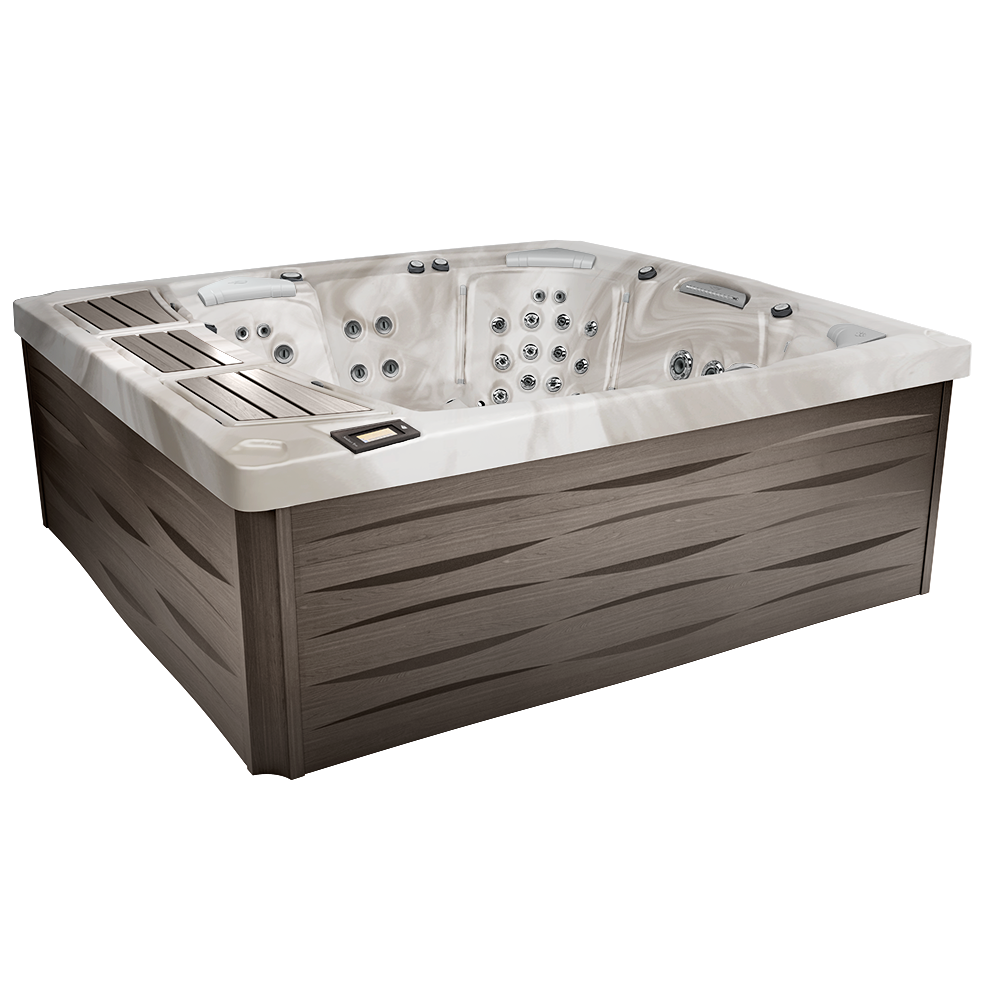
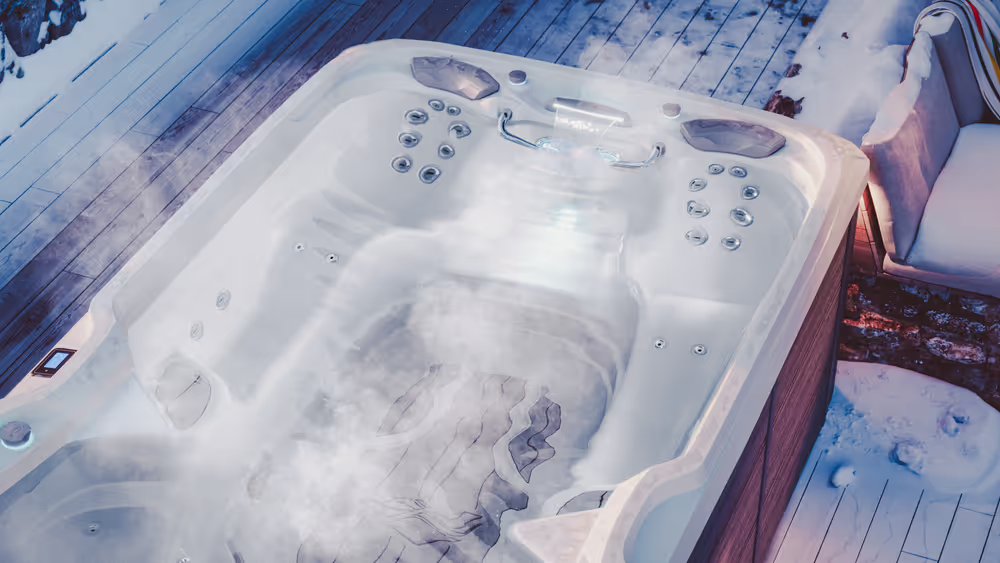
980™ Series
Kingston™ – 980™ Series
Seating:
6-7
Open SeatSeats
Low Profile
Energy Efficient
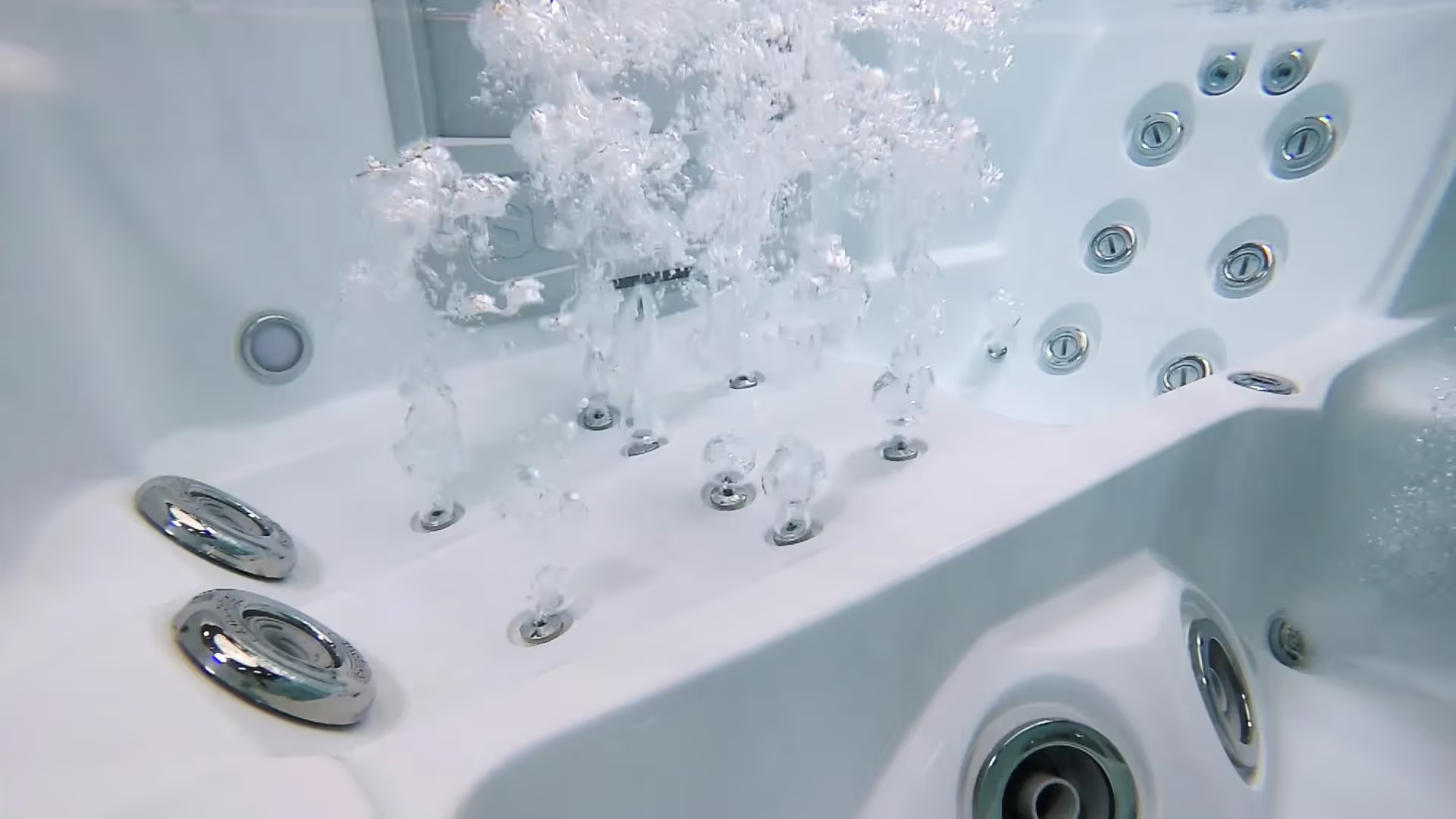
Fluidix Jet
SmartTub System
SunCooler
$$$$$
MSRP$30299
Make a bold statement with a superbly crafted spa, rich with features that are ideal for entertaining or simply relaxing.

Our best-selling spas offer an ideal balance of advanced features, premium comfort, and transformative hydrotherapy.

All the right features for all your best moments, at a value that makes it all possible. Now it's time to make it all happen.
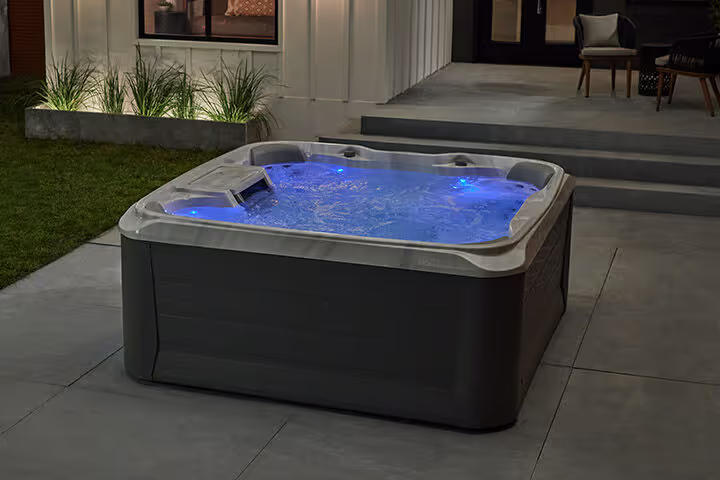
It's easy to love the 680 Series spa for all the fun and relaxing moments, but you'll also appreciate its superior durability and value.
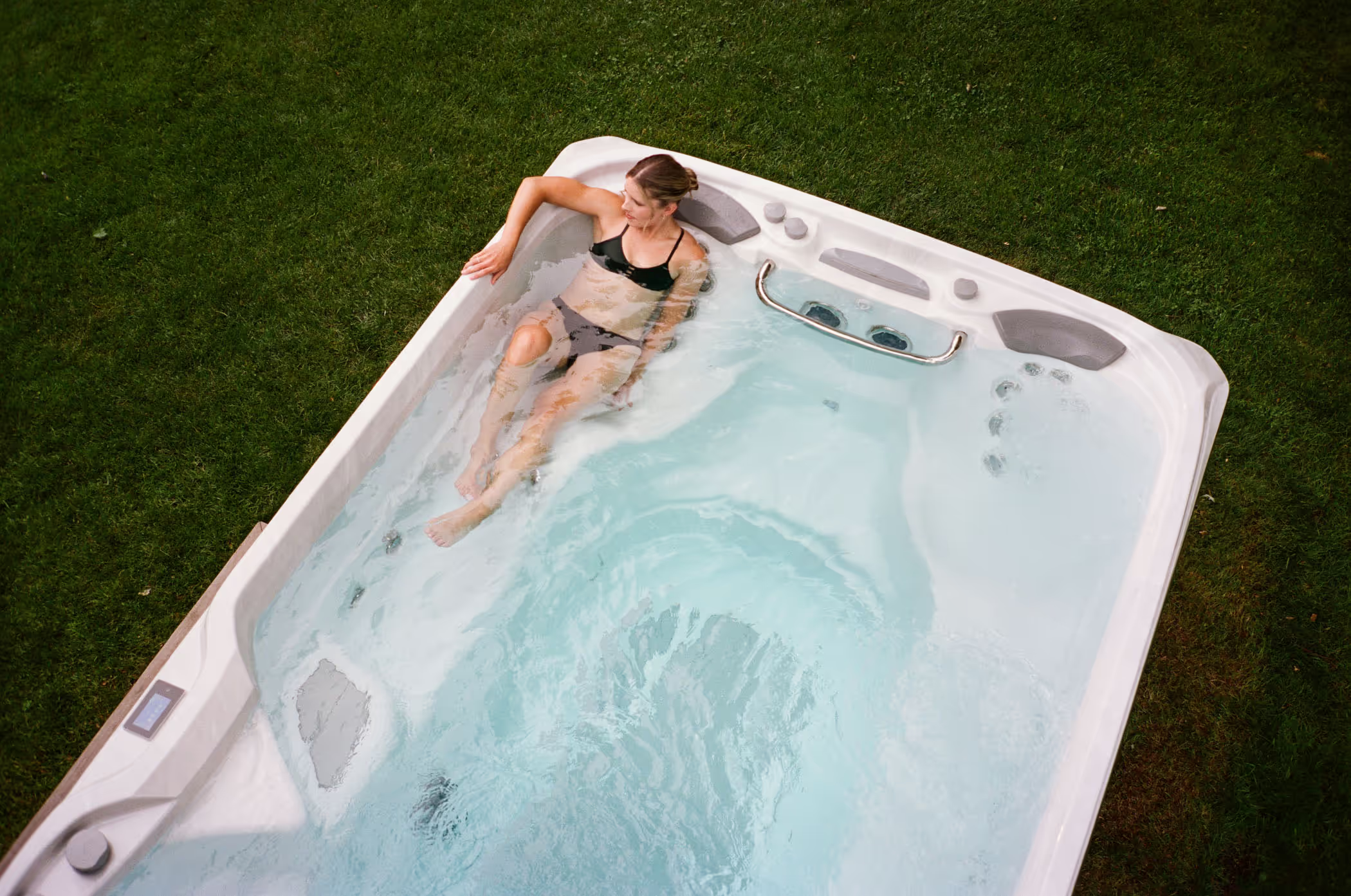
It's easy to love a swim spa for the daily movement and water time it brings, but you'll also appreciate how seamlessly it fits an active life at home.

Every Sundance® spa is built to maximize relaxation with features that make spa ownership a breeze so you can enjoy your new spa with confidence.
Find Your Spa
Explore Sundance models to find the perfect spa for you.



Erica Moir is vice president of design and advanced technologies at Jacuzzi Group, where she leads product innovation across spa and bath categories. With more than 22 years at the company, she has held leadership roles in marketing, product design, and development across North America and Europe. Moir is passionate about driving creative, sustainable solutions that enhance both product performance and customer experience. She holds degrees in industrial and product design from Fanshawe College and fine arts from the University of Windsor.
Some luxury hot tubs now exceed 100 jets—with a few configurations pushing past 160—but raw jet count serves primarily as a marketing number rather than a reliable indicator of hydrotherapy quality. What truly matters is how those jets are engineered, where they’re positioned on your body, and whether the pump power can actually deliver strong, therapeutic streams.
A handful of large, luxury hot tubs push jet counts well above 100, primarily for marketing appeal. These numbers shift slightly by year and configuration, and manufacturers count different jet types—water jets, air jets, massage clusters—toward their totals, so “most jets” isn’t always an apples-to-apples comparison.
Here’s a snapshot of several 2024–2025 models reputed for very high jet counts:
Brand
Model Line
Approximate Max Jets
Seating Capacity
PDC Spas®
Luxury Series / Reflections™
120–160+
6–8 seats
Master Spas
Michael Phelps Legend Series
80–100+
6–8 seats
Artesian Spas
Platinum Elite Series
70–90+
7–8 seats
Cal Spas
Ultimate Fitness Series
70–90+
6–8 seats
These models represent the upper end of what many hot tub manufacturers offer. However, context matters tremendously. A tub configured with 160 jets may sound impressive, but if those jets share a single pump or include many mini air jets counted toward the total, the actual hydrotherapy experience can feel underwhelming.
When researching high jet counts, ask dealers exactly what’s being counted. Some brands include gentle footwell bubbles and decorative LED water features in their jet totals, while others count only dedicated hydrotherapy jets. Understanding this distinction helps you compare models fairly.
Shoppers often assume more jets automatically equal a better spa experience. It’s an understandable assumption—more seems like more. But this is largely a myth that can lead to disappointing performance and buyer’s remorse.
Here’s the reality: you can only benefit from a limited number of jets at one time in each seat. Your body occupies specific space, and beyond a certain threshold, additional jets add complexity and cost more than they add comfort. The diminishing returns become clear once you understand how spa jets actually work.
Why extreme jet counts can backfire:
The sweet spot for most buyers:
For a 4–7 seat tub, roughly 30–60 well-placed, well-powered jets typically outperform models with 80–120 underpowered jets. This range allows strong jets positioned at key muscle groups while maintaining adequate pressure across all seats.
The key factor isn’t how many jets you see—it’s whether those jets deliver enough jet strength to soothe aching feet, release shoulder tension, and target your back with therapeutic precision. Testing a hot tub in person remains the best way to experience this difference firsthand.
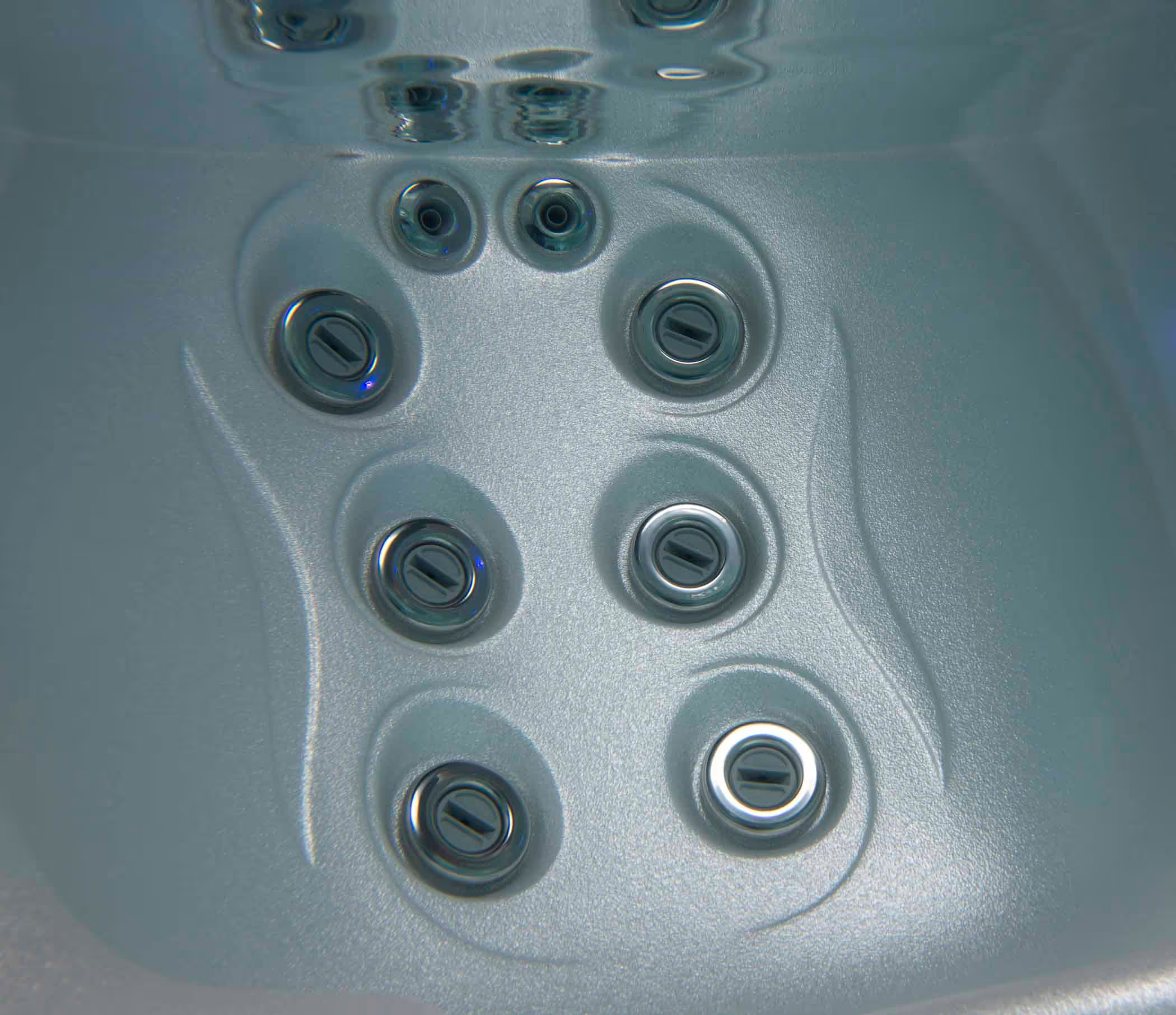
How jets are engineered and where they’re positioned on your body determines the quality of hydrotherapy far more than the raw quantity of openings in the shell. A thoughtfully designed seat with 8–12 precisely placed jets can deliver a better massage than a seat crammed with 25 identical nozzles fighting for the same water supply.
Premium hot tub brands map jets to major muscle groups with intention:
Too many jets focused on a single area can feel overwhelming rather than therapeutic. A thoughtful pattern of fewer jets creates space for each stream to work effectively, mimicking how a skilled massage therapist applies pressure to specific zones rather than pressing everywhere at once.
Different jet types serve different purposes, and a diverse array of specialized jets outperforms dozens of identical “one-speed” openings:
When you test a hot tub, pay attention to whether seats offer variety in jet types or simply repeat the same nozzle throughout. The brands that prioritize hydrotherapy quality typically invest in diverse, adjustable jet systems rather than padding their numbers with identical generic jets.
Sundance Spas has built its reputation over four decades by focusing on hydrotherapy engineering rather than competing in the “highest jet count” race. Their approach illustrates why thoughtful design matters more than impressive numbers.
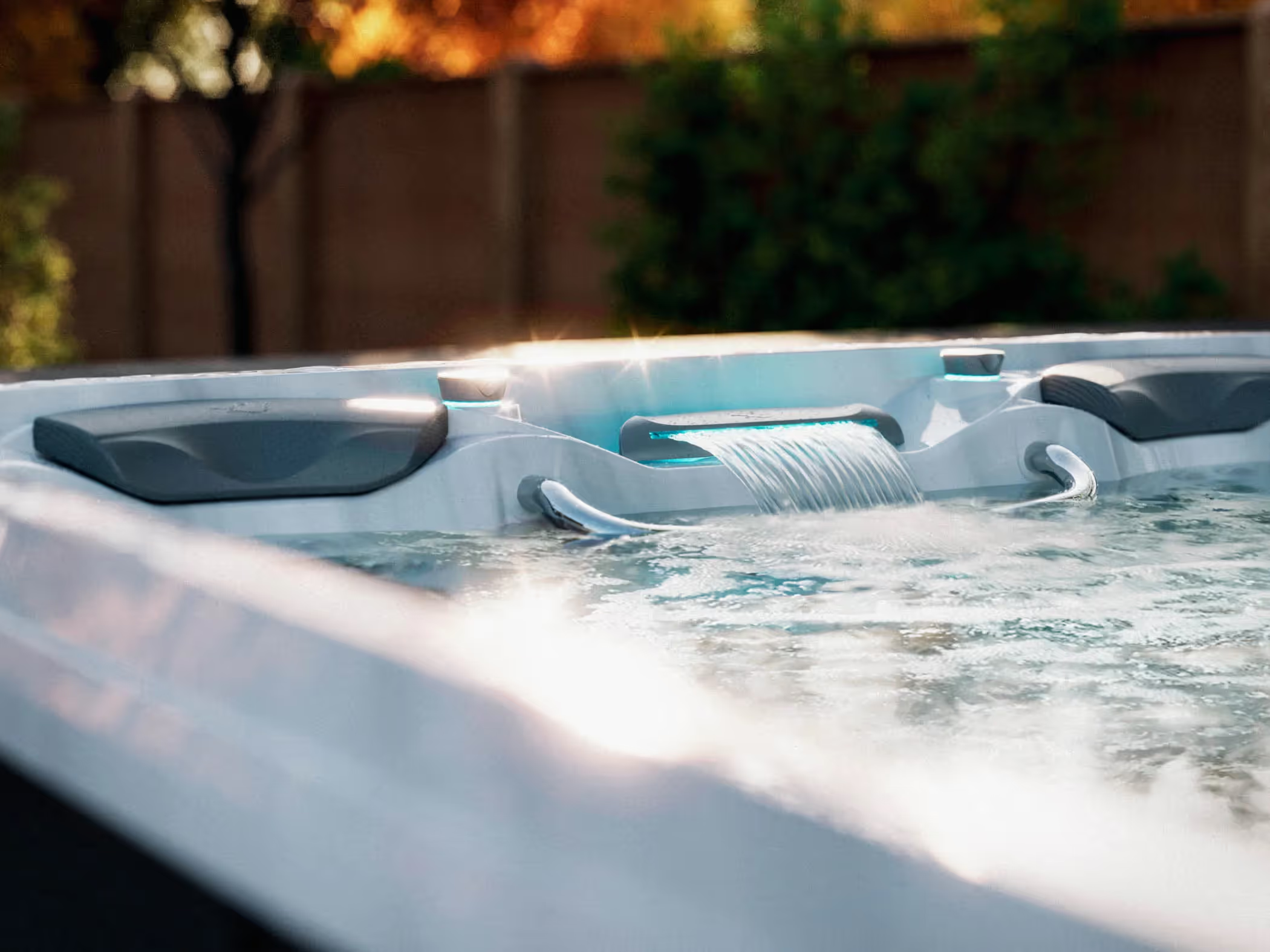
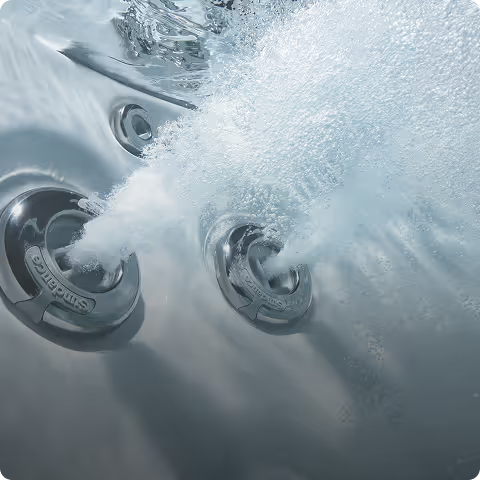
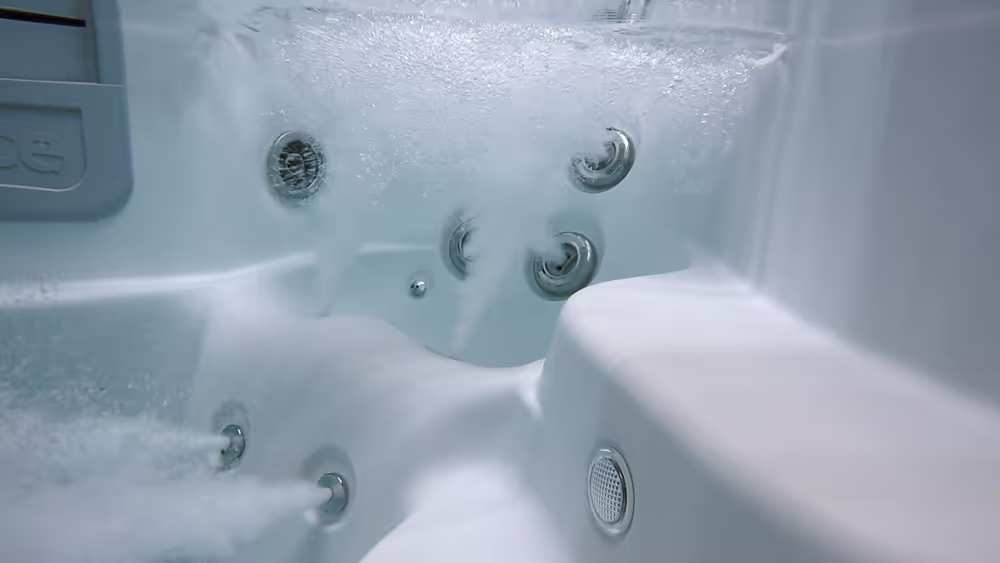
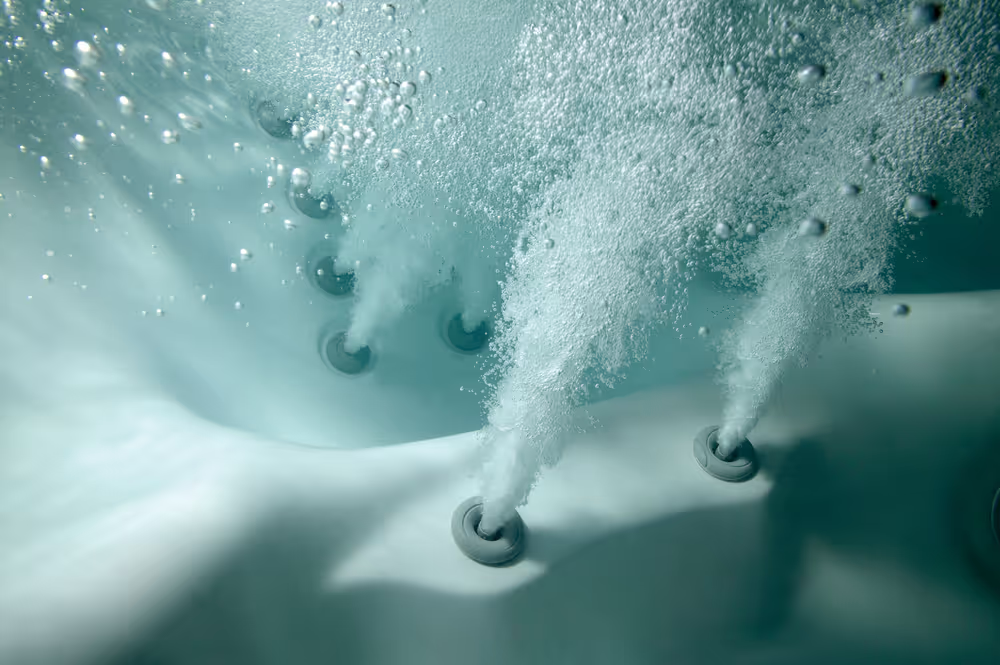
Fluidix jets are patented, no-moving-parts jets designed to use water and air flow dynamics rather than fragile internal bearings that can wear out or clog over time. This engineering choice means:
Sundance’s Fluidix jets exemplify the principle that fewer, precisely tuned jets can mimic professional massage techniques—kneading, pulsing, sweeping deep-tissue movements—in ways that a hundred generic nozzles simply cannot match.
How this translates to real-world experience:
Look for transparency: Brands that publish clear technical details on jet engineering—not just marketing numbers—are typically more invested in actual hydrotherapy performance. When a manufacturer explains how their jets work rather than just how many they have, that’s often a sign of genuine quality.
Pump power is the muscle behind your hot tub jets—without adequate pumps matched to your jet array, even the most impressive jet count becomes meaningless. The crucial metric isn’t jets alone; it’s jet-to-pump balance.
An effective range typically falls around 20–30 water jets per therapy pump, depending on plumbing design and jet specifications. This ratio ensures each jet receives enough water pressure to deliver therapeutic force.
Consider this example:
When comparing hot tub brands, look beyond marketing horsepower numbers:
Bigger pumps and very high jet counts generally mean higher electricity use and more noise during operation. Smart buyers consider:
Scenario
Jet Count
Pumps
Experience at Seats
Energy Use
Balanced design
50 jets
2 × 3HP
Strong, consistent pressure
Moderate
High-count, underpowered
100 jets
1 × 5HP
Weak, inconsistent streams
High
Premium engineering
40–60 jets
2 × 2.5HP
Excellent targeted massage
Efficient
Budget high-count
80+ jets
1 × 3HP
Disappointing performance
Moderate-High
Models with efficient circulation systems, quality insulation, and programmable controls help manage operating costs regardless of jet configuration. The limit of what you need isn’t determined by jet count—it’s determined by how well the entire system works together.
Instead of asking “which hot tub has the most jets?”, reframe the question: “Which hot tub will give me the best long-term hydrotherapy and ownership experience?” This shift in perspective leads to better decisions and greater satisfaction.
Hydrotherapy goals:
Seating and size:
Jet quality:
Build quality:
Filtration and water care options:
Warranty and dealer support:
Operating costs:
Research only goes so far. Visiting a dealer to test drive a hot tub—sitting in it with the jets running—reveals things no specification sheet can communicate. You’ll feel whether the jet strength suits your desire for relaxation or deep-tissue work. You’ll notice noise levels, ergonomic fit, and whether the seat design matches your body.
When you decide to invest in a hot tub, you’re investing in years of wellness, connection, and daily moments of peace. Taking time to test, compare, and focus on what truly matters—quality over quantity—ensures those moments deliver everything you hope for.
Some large luxury models from brands like PDC Spas can be configured with 120–160+ jets, positioning them among the highest-count options available. Master Spas, Artesian, and Cal Spas also offer configurations reaching 70–100+ jets in their largest models. However, exact “record holders” change over time as manufacturers release new configurations and optional packages. It’s worth noting that these extreme counts often include air jets, mini jets, and specialty features that may not contribute meaningfully to deep hydrotherapy.
Most users find that 30–60 well-placed, well-powered jets provide more than enough strength for therapeutic massage, especially when combined with thoughtful seat design and quality pumps matched to the jet array. This range typically outperforms models with 80–120 underpowered jets because each jet receives adequate water pressure to deliver real muscle relief. The focus should be on jet placement targeting key areas—neck, back, lumbar, and feet—rather than maximum quantity.
No, they serve different purposes. Air jets inject bubbles into the water, creating a lighter, effervescent massage sensation ideal for gentle relaxation. Water jets push pressurized water through nozzles, delivering deeper pressure that penetrates muscles for therapeutic relief. Some manufacturers count both types toward their total jet count, which can inflate numbers without necessarily improving deep-tissue hydrotherapy. When comparing models, ask specifically about the breakdown between air and water jets.
Generally, yes. More jets typically require more or larger pumps to maintain adequate pressure, which increases electricity consumption. However, the relationship isn’t linear—a sensibly designed 50-jet system with efficient pumps may cost less to operate than a poorly matched 100-jet system struggling to deliver adequate flow. Factors like circulation pump efficiency, insulation quality, cover fit, and programmable heating controls have more impact on monthly operating costs than jet count alone.
For people who prioritize reliable, targeted hydrotherapy and long-term durability, investing in engineered jet systems like Sundance’s Fluidix jets often proves more valuable than buying a cheaper tub advertising a higher jet count. These patented designs use fluid dynamics rather than mechanical parts, meaning consistent performance over many years with fewer maintenance concerns. If hydrotherapy quality matters to your wellness routine—if you want jets that truly soothe, not just jets that look impressive on a spec sheet—advanced engineering typically justifies the investment.
Seating:
Seats
Seating:
Seats

Seating:
Seats

Start exploring the features Sundance® spas have to offer, and learn how to make spa time a focal point in your journey to share meaningful moments with the people you love.
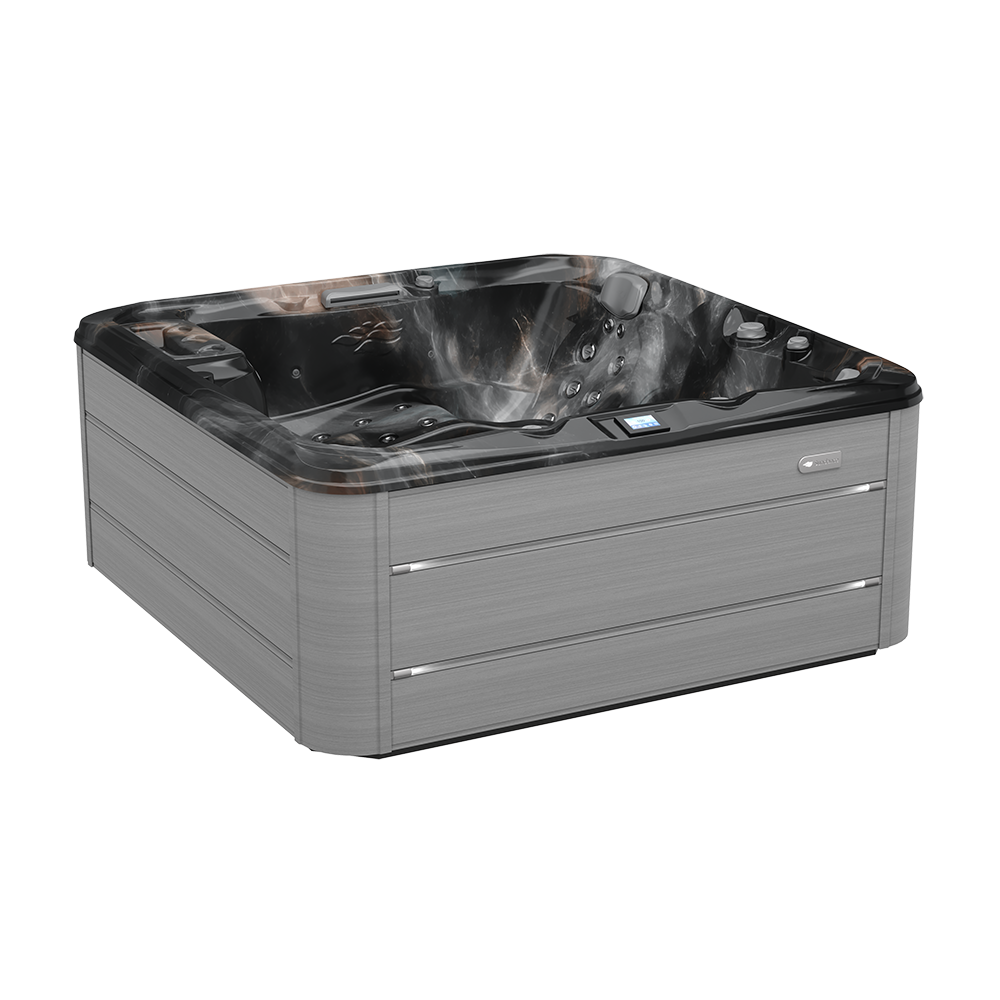
Seating:
Seats
Seating:
Seats






.jpg)







.avif)





.avif)




.avif)