
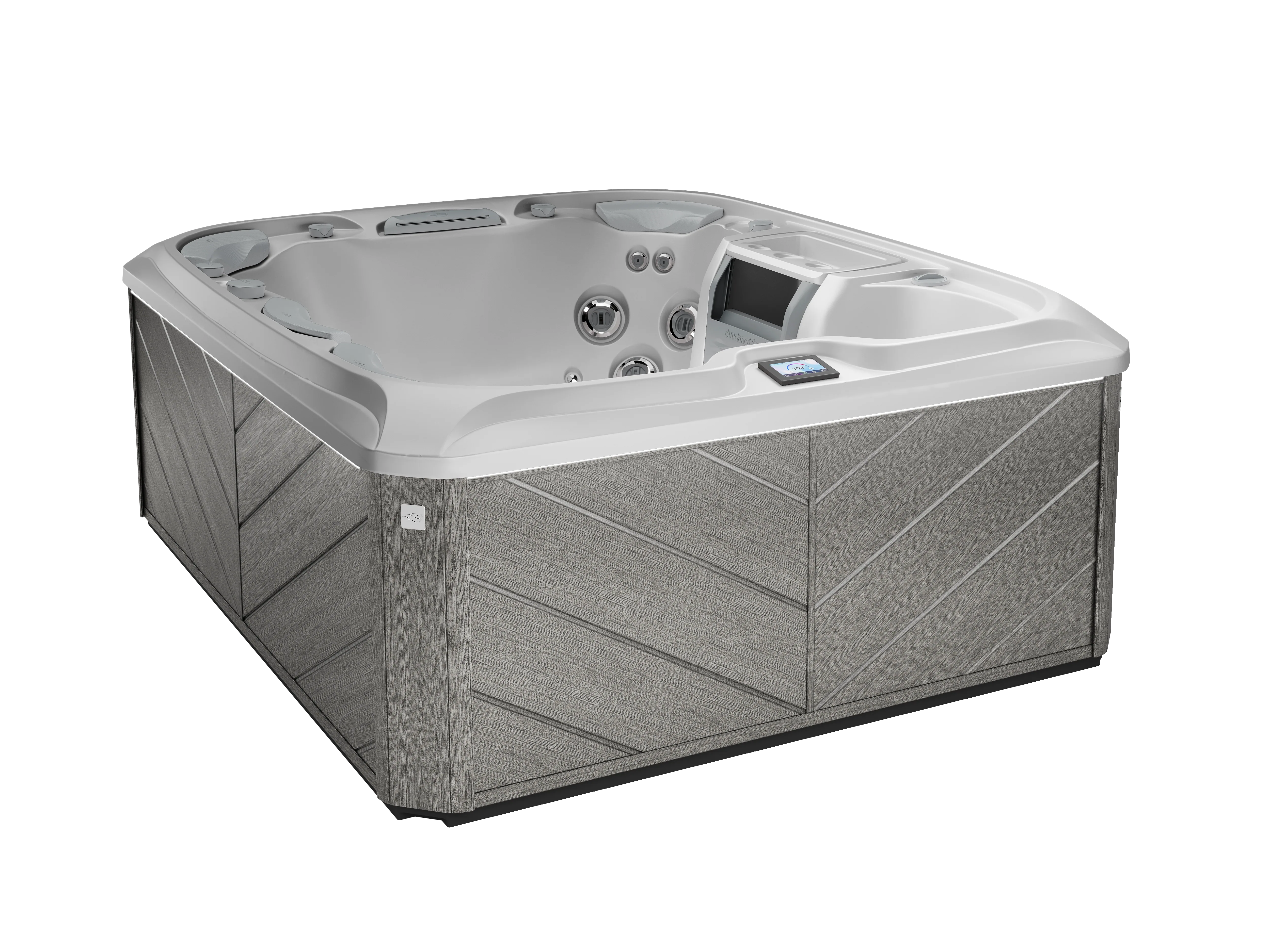
880™ Series
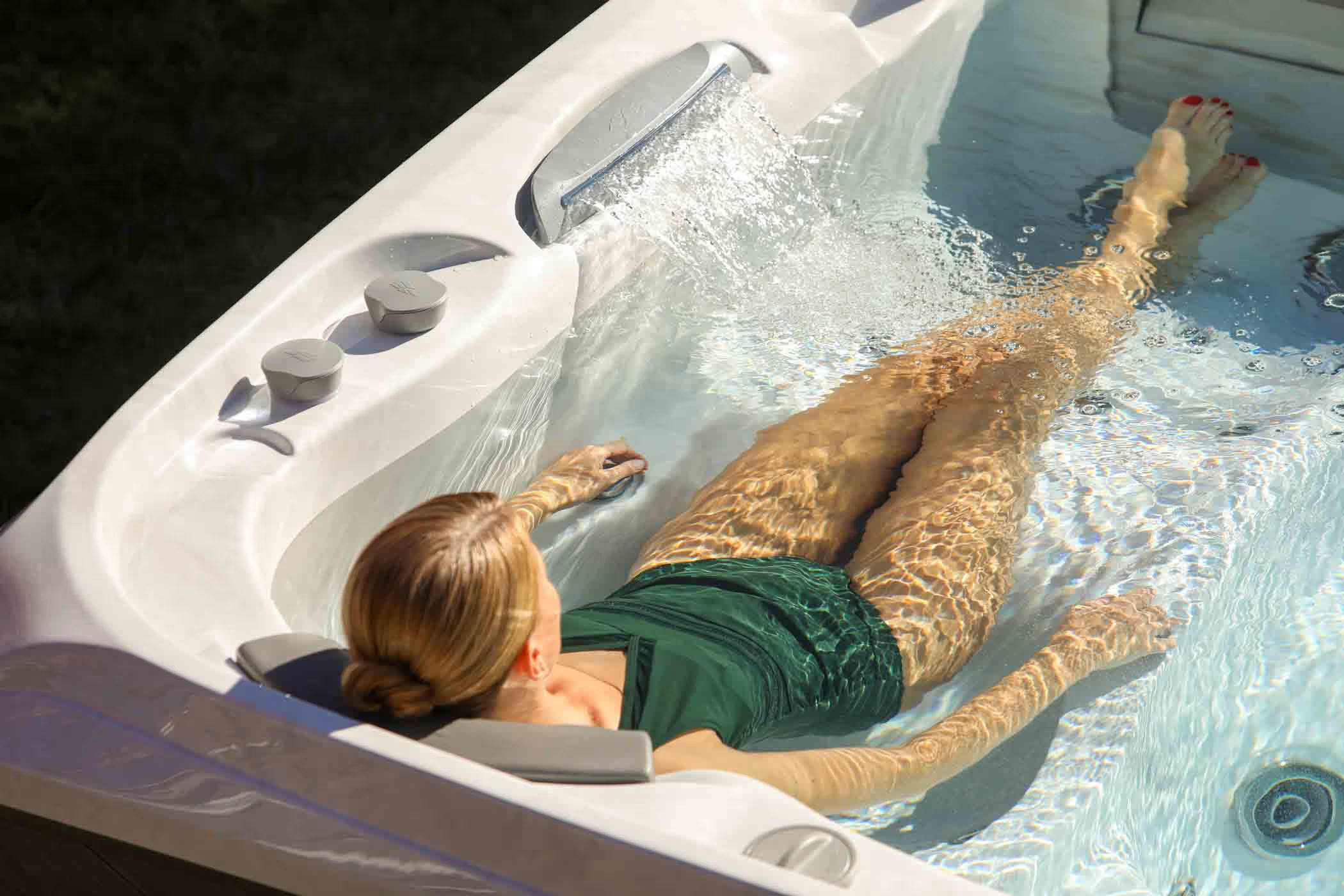
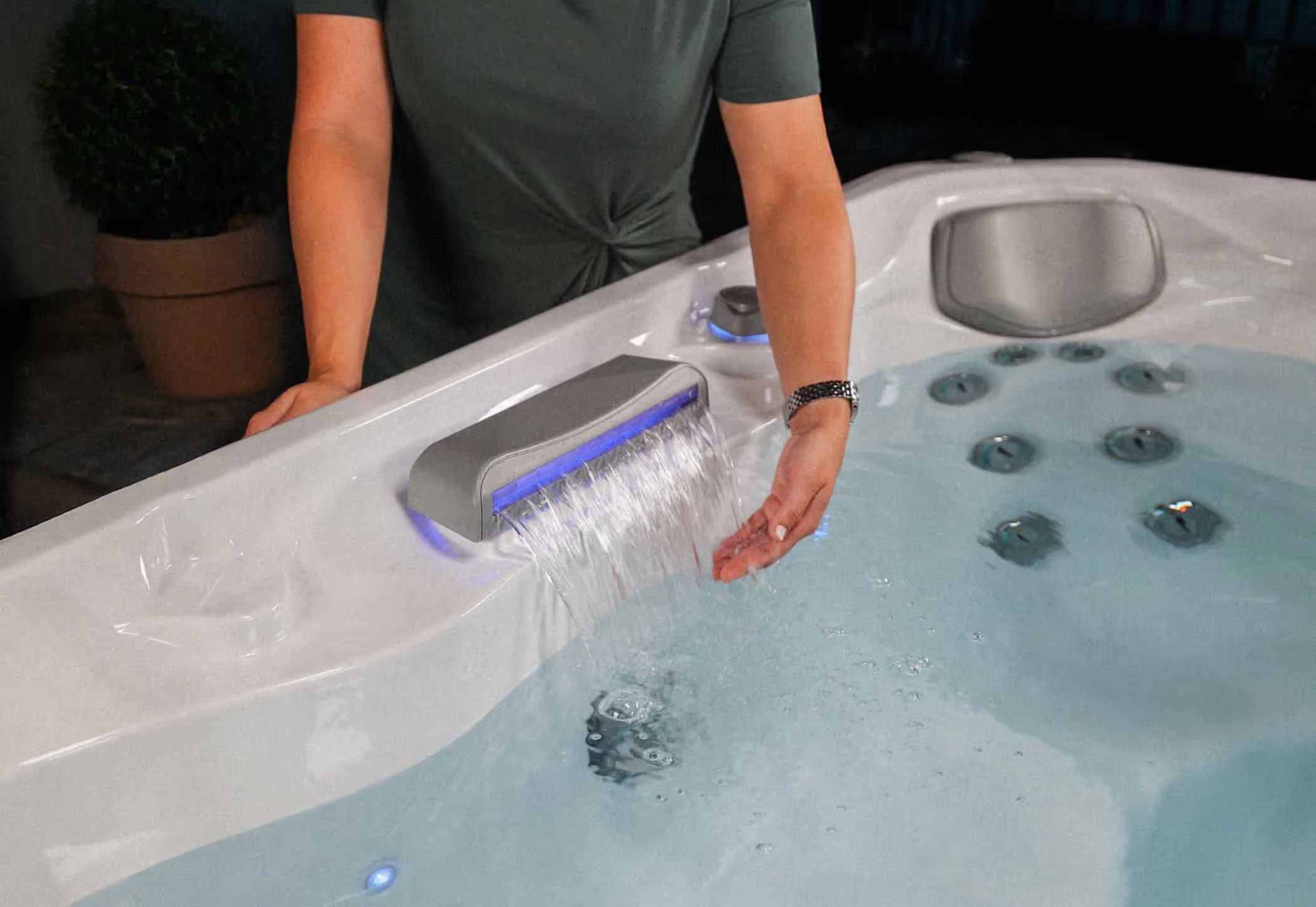
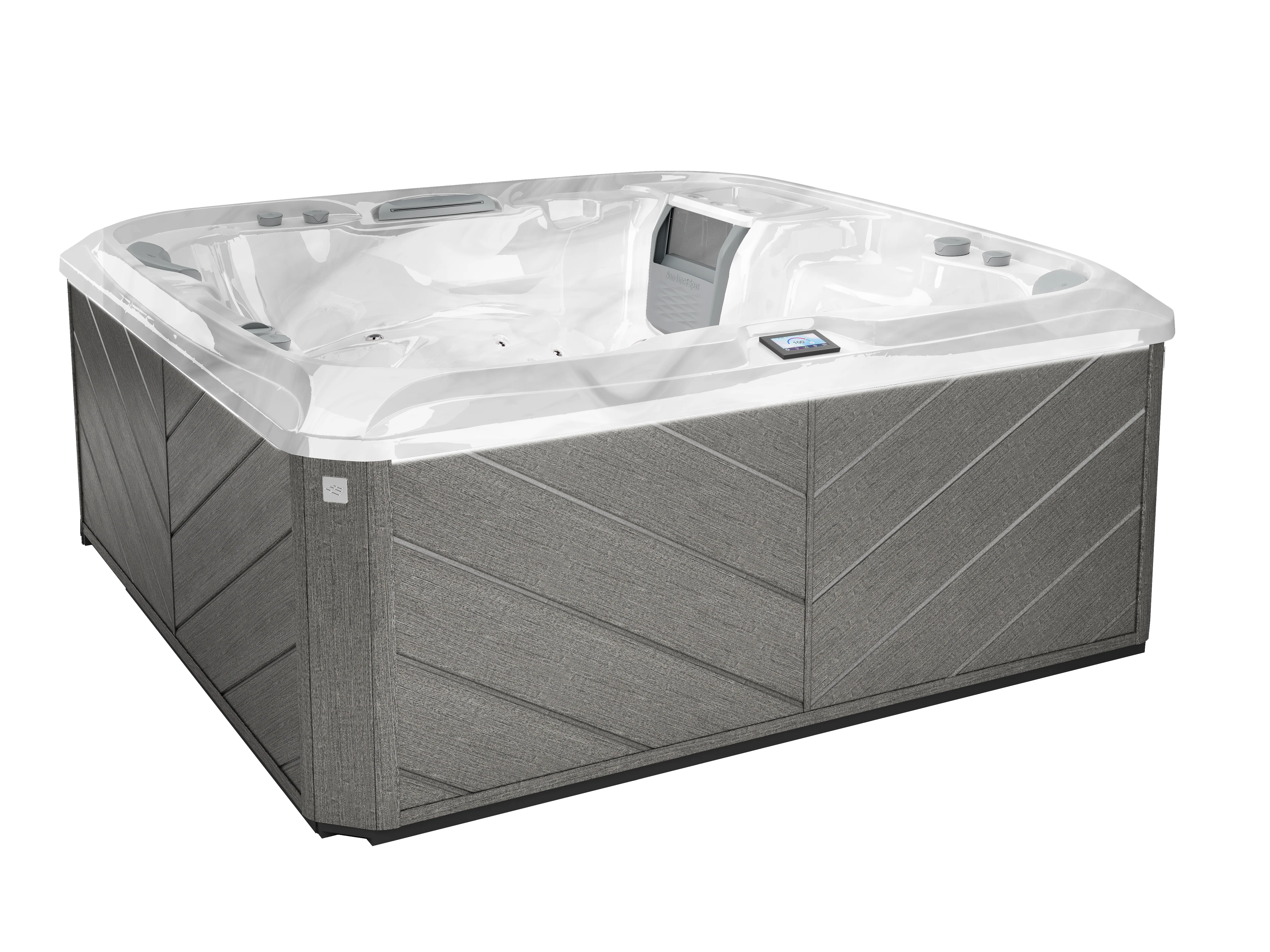
Marin® – 880™ Series
Seating:
4-5
Lounge SeatSeats
Low Profile
Energy Efficient
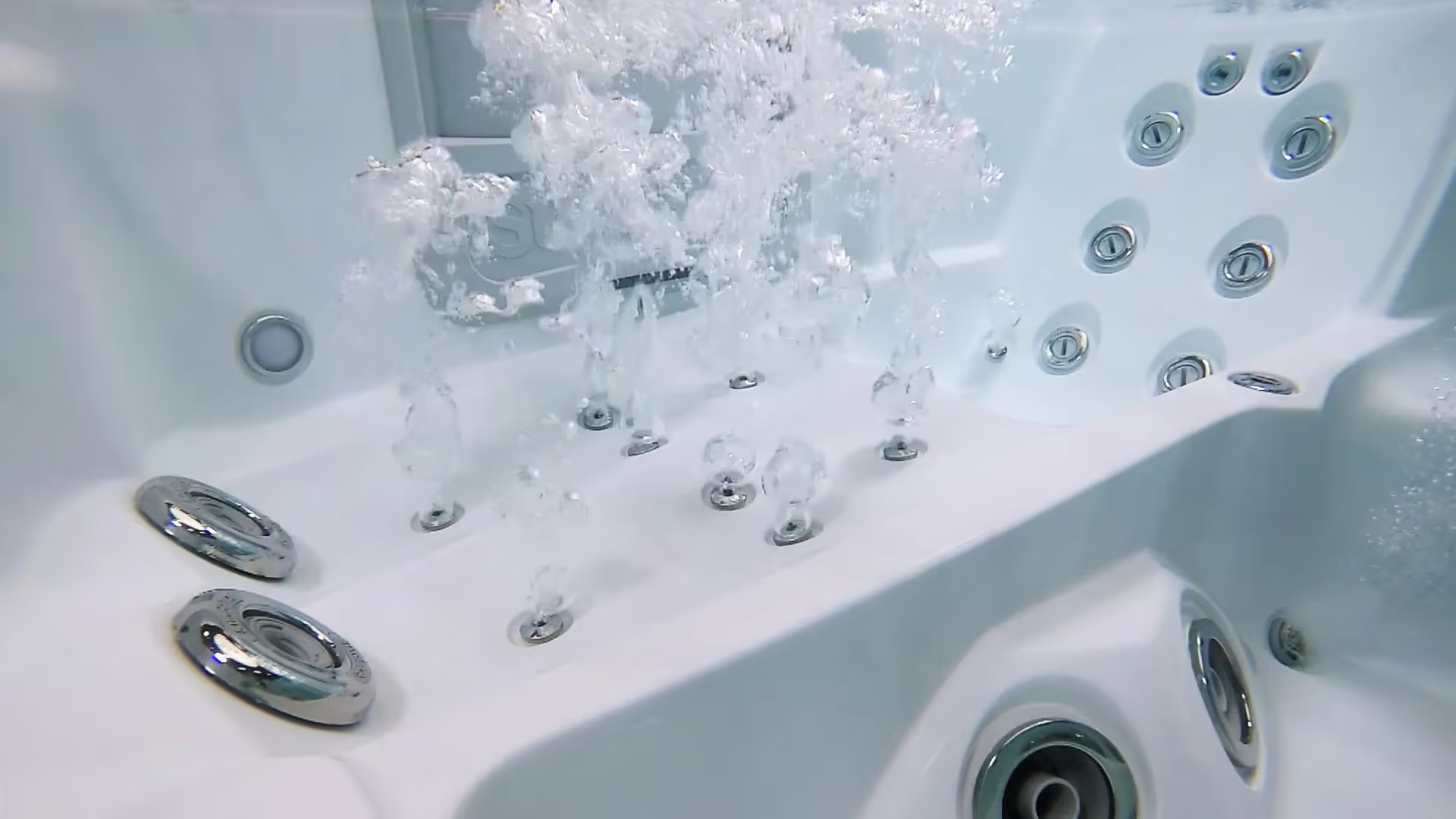
Fluidix Jet
SmartTub System
Therapy & Recovery
$$$$
MSRP$21599
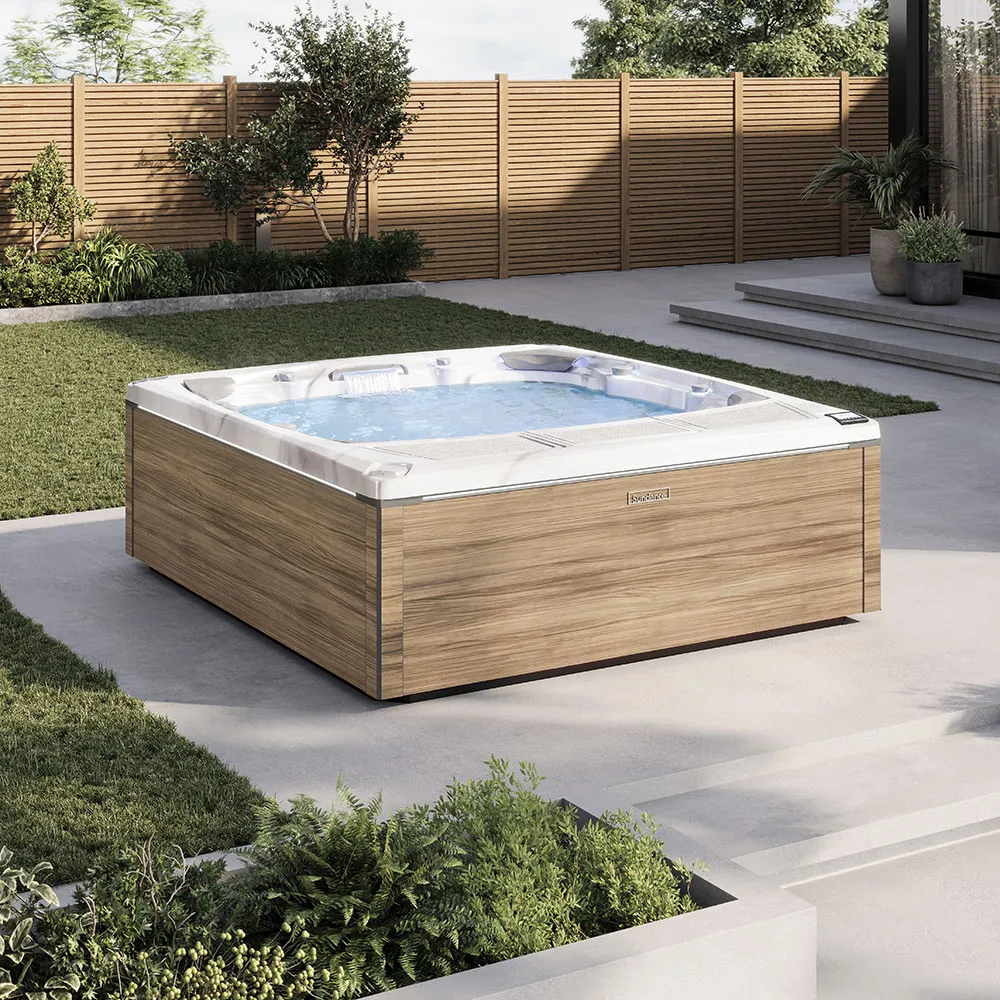
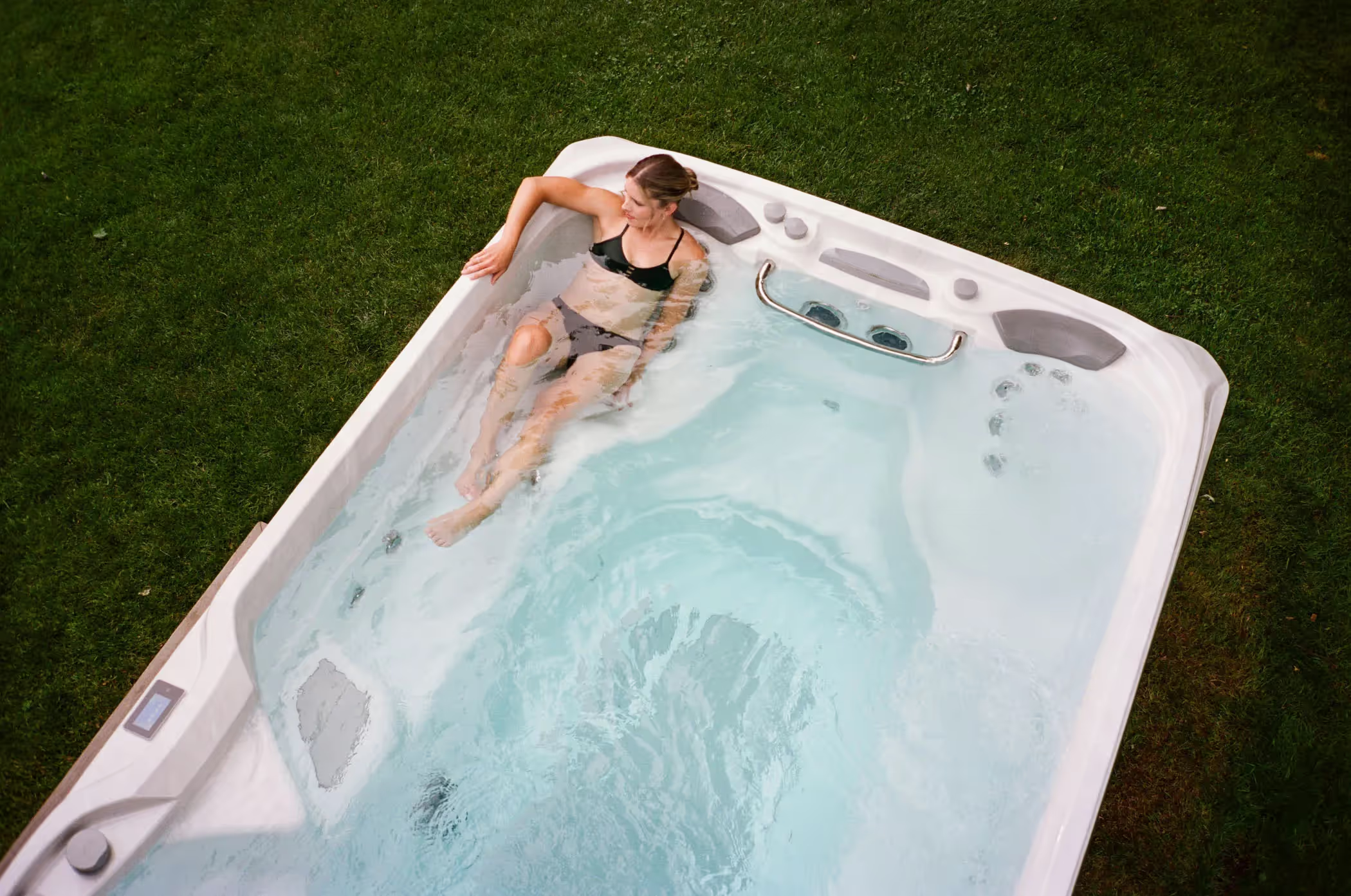
Make a bold statement with a superbly crafted spa, rich with features that are ideal for entertaining or simply relaxing.

Our best-selling spas offer an ideal balance of advanced features, premium comfort, and transformative hydrotherapy.

All the right features for all your best moments, at a value that makes it all possible. Now it's time to make it all happen.
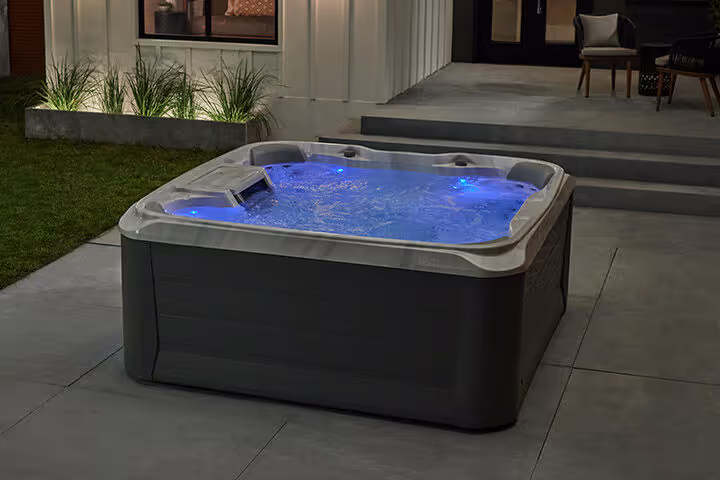
It's easy to love the 680 Series spa for all the fun and relaxing moments, but you'll also appreciate its superior durability and value.
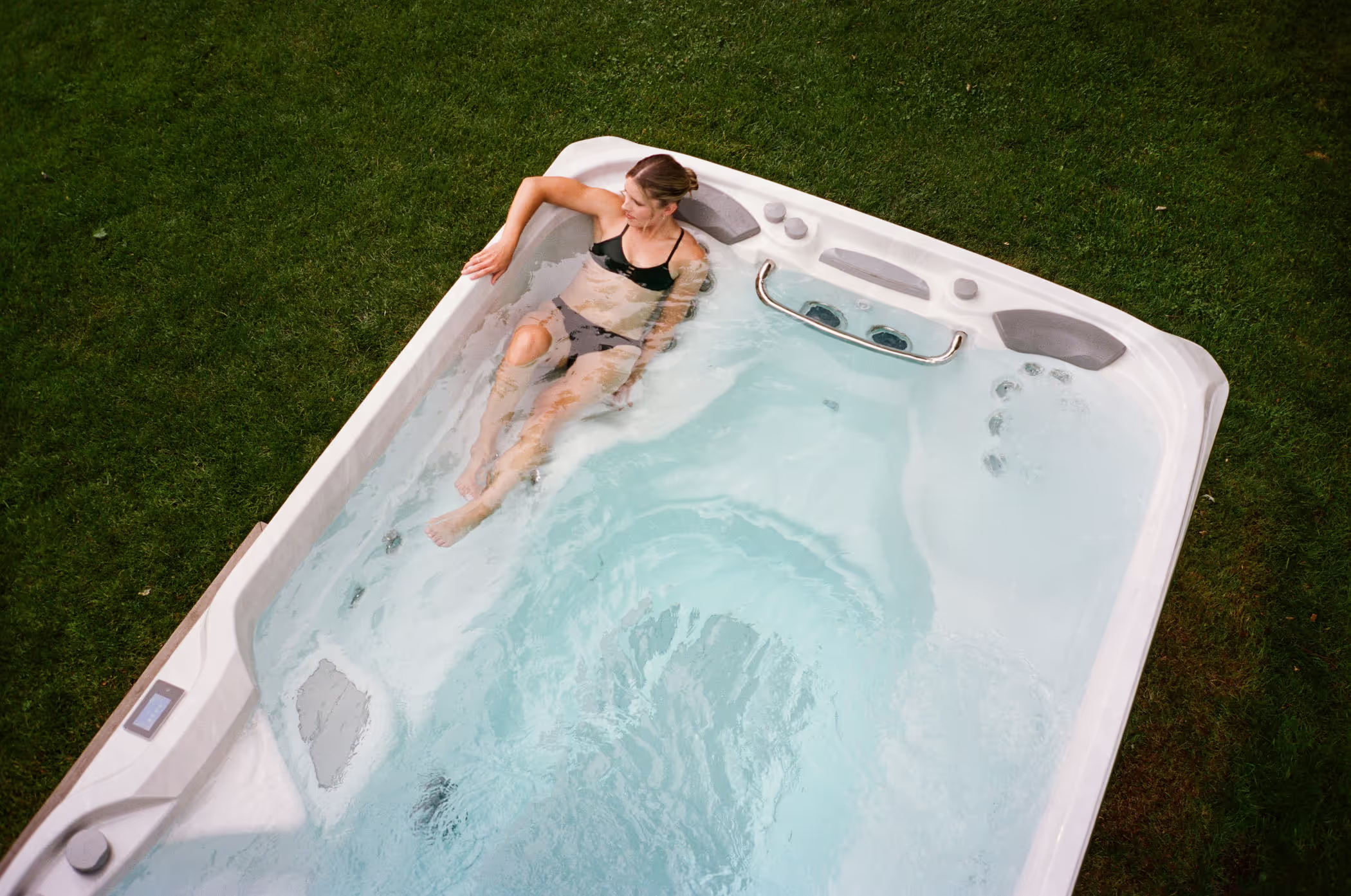
It's easy to love a swim spa for the daily movement and water time it brings, but you'll also appreciate how seamlessly it fits an active life at home.

Every Sundance® spa is built to maximize relaxation with features that make spa ownership a breeze so you can enjoy your new spa with confidence.
Find Your Spa
Explore Sundance models to find the perfect spa for you.

.avif)

Erica Moir is vice president of design and advanced technologies at Jacuzzi Group, where she leads product innovation across spa and bath categories. With more than 22 years at the company, she has held leadership roles in marketing, product design, and development across North America and Europe. Moir is passionate about driving creative, sustainable solutions that enhance both product performance and customer experience. She holds degrees in industrial and product design from Fanshawe College and fine arts from the University of Windsor.
There’s something deeply personal about a hot tub. It’s where conversations happen under the stars, where tired muscles find relief after a long day, and where quiet moments become meaningful memories. So when life takes you to a new home, leaving your spa behind can feel like abandoning a piece of your daily sanctuary.
The good news? You don’t have to. With the right tools, enough helpers, and a solid plan, you can transport your spa to its new location and continue enjoying those restorative moments. This guide covers everything you need to know—from deciding whether moving makes sense, to the final safety checks after your tub is settled in your new back yard.Should You Move Your Hot Tub or Leave It?
Before you touch a wrench or flip a breaker, take a moment to honestly assess whether moving your spa makes sense. Not every tub deserves the effort and expense of relocation.
Here’s how to think through your options for a typical 2018–2024 hot tub:
Option
Best When
Considerations
Leave it
Tub is 10+ years old, has frequent leaks, or needs major repairs
Can add $5,000–$15,000 to home appeal in suburban markets like Denver, Atlanta, or Seattle
Sell it
Buyers don’t want it, or it’s mid-range and 8+ years old
Realistic resale: $500–$3,000 depending on brand, age, condition (Facebook Marketplace, Craigslist)
Move it
Newer spa (under 7 years), high-end or saltwater model
Worth the investment for quality brands like Hot Spring, Jacuzzi, Bullfrog, or Caldera
Consider leaving the spa in place if it’s over 10–12 years old, experiences frequent leaks, or needs a new cover, circulation pump, and control pack. The cost of moving plus repairs may exceed the tub’s value.
Moving is most worthwhile for newer, high-end, or saltwater spas where replacement costs run $8,000 to $20,000 or more.
Important: Some manufacturers void warranties if owners move the tub themselves. Before making your decision, check your warranty paperwork or contact your dealer. This single step can save money and headaches down the road.
Proper equipment and enough helpers aren’t optional—they’re the foundation of a safe move. Cutting corners here leads to personal injury, potential damage to your spa, and the kind of hard work that becomes a nightmare.
You need at least four people for a standard 7’ x 7’ tub. For larger 8’ x 8’ models weighing 800–1,000 pounds, six strong adults is safer. Moving a hot tub alone is dangerous—don’t attempt it, and don’t let friends or family convince you otherwise.
Equipment rental from home improvement stores typically costs $150–$400 for a day or weekend. This investment in the right tools helps you avoid injury and protect your spa.
A few minutes of careful planning prevents the frustrating scenario of getting stuck mid-move with a tub that won’t fit through a gate. This is where many DIY attempts fail—not from lack of strength, but from lack of preparation.
Grab a tape measure and record:
Most square hot tubs measure 84–96 inches (7–8 feet) per side and stand 36–42 inches tall.
Walk the entire path from current location to driveway or street, measuring:
A standard 48-inch gate provides minimal clearance for many spas. You may need to remove gate posts or find an alternate route.
Common challenges include:
For tight spaces common in 1990s–2000s subdivision back yards, a crane or boom truck may be the only option to lift the tub over the house or garage.
Finding the best route before you start rolling saves enormous frustration when you’re exhausted and holding 600 pounds of spa.
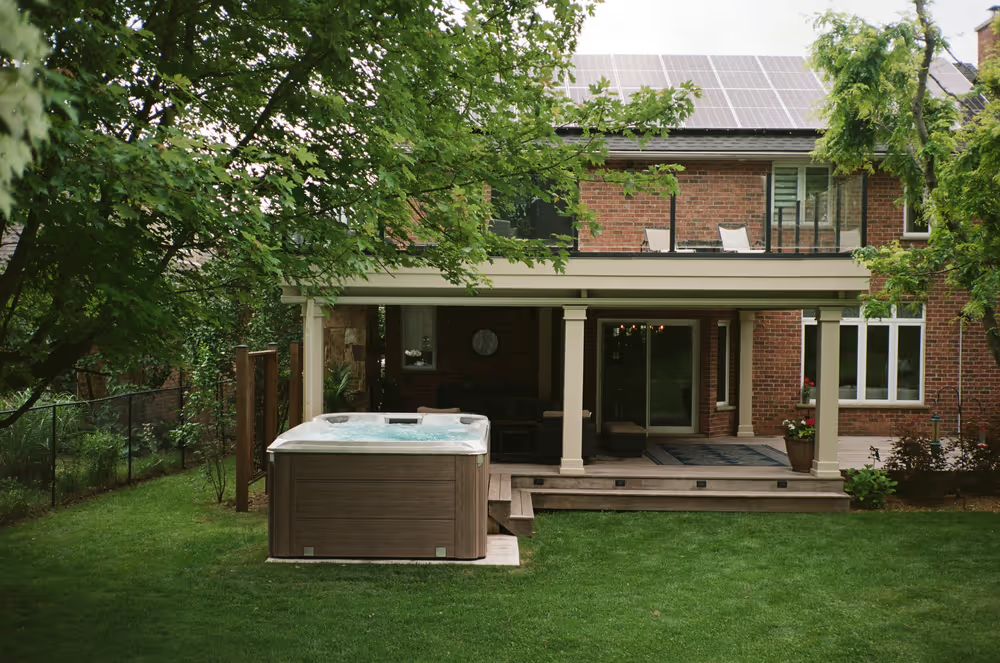
Now for the heart of the matter. This chronological guide walks you through each stage, from prep day to final placement. We’ll use a common scenario: a standard 7’ x 7’ acrylic spa holding 400 gallons, located on a suburban backyard deck with one 3-step stair, being loaded into a 16-foot moving truck.
At certain points, you’ll see recommendations to consider hiring professionals. These aren’t upsells—they’re honest assessments of where DIY moves commonly fail.
This step is non-negotiable. Electricity and water create a potentially lethal combination, and power must be completely off before you do anything else.
If you’re uncomfortable with 240V electrical work, hire a licensed electrician. Service calls typically run $150–$300 in most U.S. cities—a small price for safety and doing the job right.
Correct disconnection protects expensive components like control boards, heaters, and circulation pumps from accidental short circuits during the move.
Draining removes hundreds of pounds of weight and prevents messy water sloshing in your truck. Every gallon weighs about 8 pounds, so a 400-gallon tub holds over 3,200 pounds of water when full.
Draining Process:
Before draining begins, briefly run the jets with the air valves open. This pushes water from pipes into the main shell for easier removal.
Final Steps:
Environmental Note: Follow local regulations for discharging chlorinated water. Many municipalities require dechlorinating before disposal and prohibit draining to storm drains. Check your local rules to avoid fines.
Every pound removed makes the move easier and reduces weight significantly. Stripping accessories also prevents damage during transport.
Items to Remove:
Organization Tips:
Once stripped, wipe down the empty shell to remove grit and debris. Even small particles can scratch acrylic surfaces when moving blankets press against them.
The spa’s acrylic or thermoplastic shell and synthetic cabinet panels can crack or scratch during transport. Proper protection now prevents expensive repairs later.
Wrapping Process:
Pro Tip: Use blankets or furniture pads between any hard surfaces that might contact each other during transport. The shell is surprisingly vulnerable to impact damage.
This is the most physically demanding step and where injuries most commonly occur. Don’t rush it.
Setup:
Lifting Technique:
Critical Safety Points:
If you have tight spaces, steep slopes, or multiple staircases, this is the point where hiring professionals makes the most sense. The risk-to-savings ratio shifts dramatically when terrain gets difficult.
Slow and controlled wins this race. Speed matters far less than stability and clear communication.
Team Positioning:
Moving Process:
What Not to Do:
Never drag the tub on bare concrete, pavers, or deck boards. This cracks cabinets, stresses shells, and can cause damage that isn’t visible until weeks later when leaks develop. Always roll on proper equipment or slide on thick pads over smooth surfaces.
The driveway often presents challenges—watch for slopes that could cause the dolly to roll unexpectedly. Have someone ready to block wheels during any pause.
A 14–16 foot box truck with a ramp is ideal for most residential moves. If your rental truck has a lift gate, even better—it eliminates the ramp challenge entirely.
Loading Process:
Securing the Load:
Final Check:
Before driving, do a shake test. Try to move the tub by hand—it should feel completely solid. A loose load is one of the most common causes of transit damage, and renting equipment again for repairs costs far more than taking five extra minutes to secure properly.
Unloading is essentially the move in reverse, but fatigue makes this stage more dangerous. Everyone’s tired, and that’s when mistakes happen. Take breaks if needed and maintain the same careful communication you used earlier.
Unloading Process:
Base Requirements:
Your new location needs a solid foundation rated for 4,000–6,000 pounds (the filled weight of most spas):
Verify the base is level before final placement. An uneven foundation causes shell stress, cabinet flexing, and eventual leaks.
Allow the tub to rest on its new base for several hours before refilling. This settling period lets you verify everything is positioned correctly.
Correct setup after transport prevents leaks, electrical issues, and premature component failure. Don’t skip these checks—problems caught now are far easier to fix than problems discovered weeks later.
Open the equipment bay access panels and inspect:
Balance water chemistry within 24 hours:
A freshly filled tub with balanced chemistry is ready to heat. Most owners can safely use their hot tub within 24–48 hours of completion, assuming no leaks or electrical issues appear.
Monitor the area under and around the spa for 24–48 hours. Look for:
Only build permanent steps or skirting after you’re confident everything is functioning properly.
The core tradeoff is straightforward: DIY saves money, while professionals offer safety, speed, and peace of mind.
Approach
Typical Cost
What’s Included
DIY
$250–$600
Dolly/sled rental ($150–$400), truck rental ($100–$200), electrician if needed
Professional Local
$400–$1,200
Full service for moves under 50 miles
Professional Complex
$2,000–$2,500
Stairs, cranes, difficult access
Hybrid
Variable
You rent truck; labor-only pros handle lifting (~$50/mover/hour)
Industry data suggests about 70% of DIY attempts succeed for short-distance moves. The other 30% often incur $1,000 or more in repair costs—sometimes more than professional movers would have charged.
Consider hiring professionals the default choice (not a luxury) if you have:
Hiring professionals doesn’t mean you’ve failed at the DIY move—it means you’ve correctly assessed the situation and chosen to protect yourself, your helpers, and your spa.
Avoiding a few key errors makes the difference between a smooth move and a cracked shell (and possibly a trip to the emergency room).
Never move with fewer than 4 people. Fatigue builds quickly when you’re understaffed, and the chance of dropping a corner increases dramatically.
Don’t rest the spa on the equipment side when tilting. This crushes pumps, heaters, and control boxes—components that cost hundreds or thousands to replace.
Never drag directly over hard surfaces. Concrete, gravel, and deck boards will damage cabinet panels. Always use dollies, a spa sled, or thick protective pads.
Measure before you move. Getting stuck in a gate or doorway means setting the tub down, potentially damaging it, and scrambling for last-minute solutions. Know your clearances.
Don’t place on an uneven or weak base. Shell stress, cabinet flexing, and eventual leaks are guaranteed outcomes of improper foundation.
Secure your load completely. Shake test everything before driving. Loose loads shift during transport and cause damage that may not appear until the tub is filled and pressurized.
Yes, many hot tubs can be moved on their side when necessary for transport through tight spaces or loading into a truck. The key is ensuring the tub rests on the side opposite the equipment compartment—never on the panel housing pumps, heaters, and controls. Check your manufacturer’s manual for specific guidance, as some brands have particular requirements. When tilted correctly and supported with adequate padding, side transport is a common and acceptable method used by professional movers regularly.
Timeline varies significantly based on distance and complexity. A straightforward same-yard relocation typically takes 3–5 hours including draining, prep, and repositioning. Moving to a new house across town—including loading into a truck and unloading at the destination—often takes half a day or more. Add extra time if you’re new to the process or encounter unexpected obstacles along your route. Professional teams often complete the same jobs faster due to experience and specialized equipment.
Possibly. Some manufacturers and extended warranty providers require licensed movers or technicians to relocate spas for warranty coverage to remain valid. Before attempting a DIY move, review your warranty documents carefully or contact your dealer directly. If warranty coverage matters to you (especially for newer, expensive spas), this information should influence your decision between hiring professionals or handling the job yourself.
Cranes are only necessary when ground-level access is impossible. Common scenarios requiring crane lifts include spas enclosed on second-story decks, installations behind narrow alleys with no gate access, or homes where the only path crosses structures or landscaping that can’t be traversed. Crane services typically add $1,500 or more to your moving costs but are sometimes the only safe option. A professional mover can assess your situation and determine if crane service is needed.
Once your spa is placed on a level base, filled with water, connected to power, heated to temperature, and water chemistry balanced, most owners can enjoy their first soak within 24–48 hours. Heating time depends on your spa’s heater capacity and starting water temperature—expect 12–24 hours for a full heat-up from cold tap water. Before that first use, verify no leaks have developed and all jets function properly. Taking this extra day to ensure everything works correctly protects both your investment and your family.
Moving a hot tub is undeniably hard work, but it’s work that can be done safely and successfully with proper preparation. Whether you choose the DIY path to save money or opt for hiring professionals to reduce stress, the goal remains the same: getting your personal sanctuary relocated so you can continue enjoying those quiet, restorative moments.
Your spa has been part of your life’s peaceful rhythms. With care, patience, and the right approach, it will continue to be—just in a new location.
Seating:
Seats
Seating:
Seats

Seating:
Seats

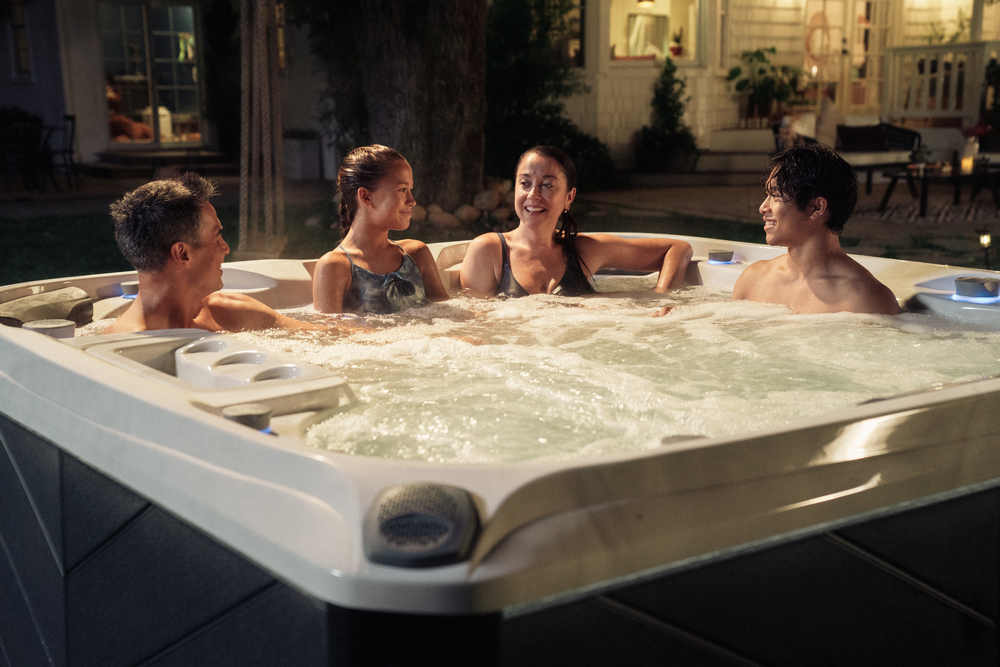
Start exploring the features Sundance® spas have to offer, and learn how to make spa time a focal point in your journey to share meaningful moments with the people you love.
Seating:
Seats
Seating:
Seats








.jpg)












.avif)




.avif)