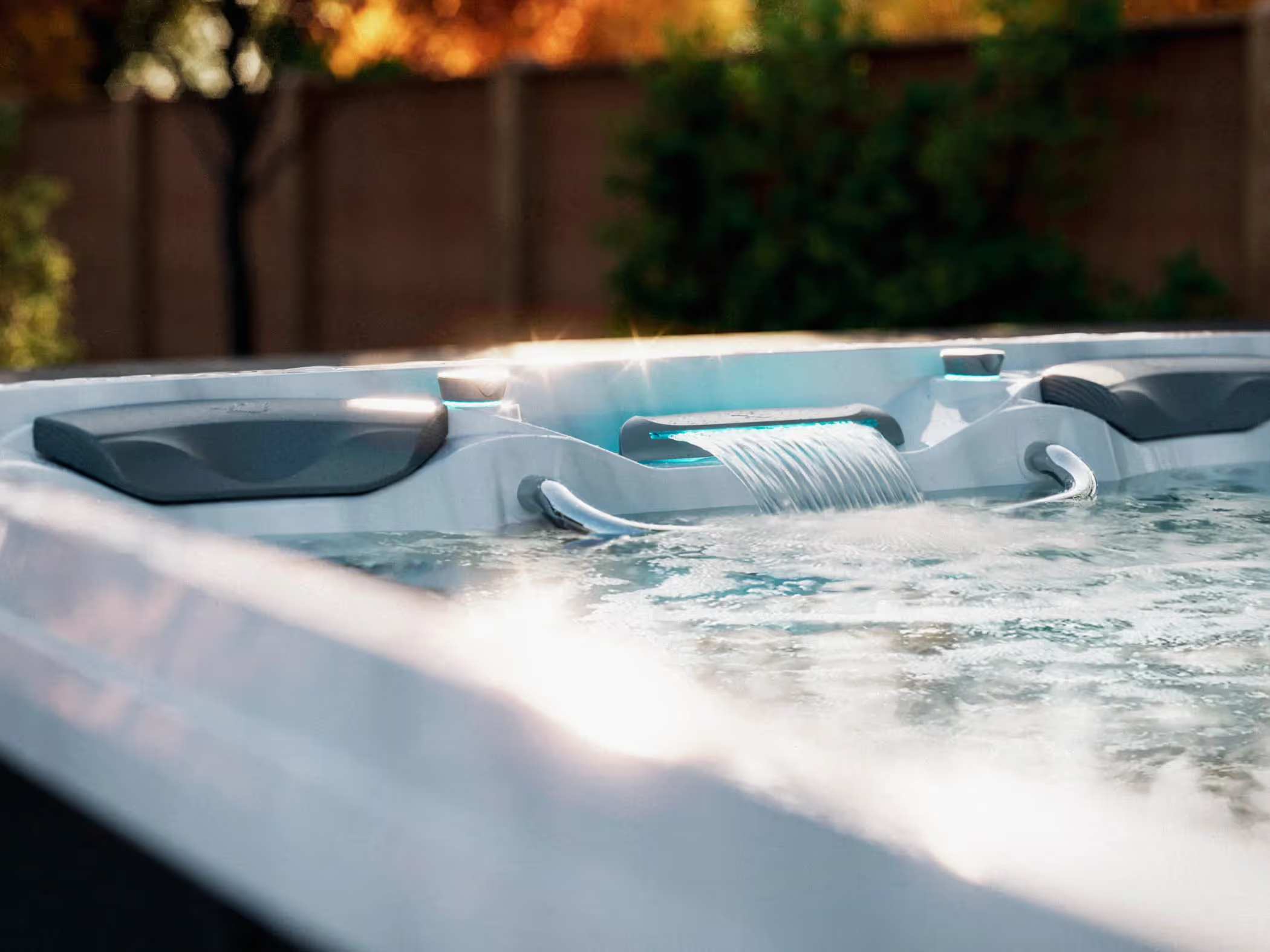


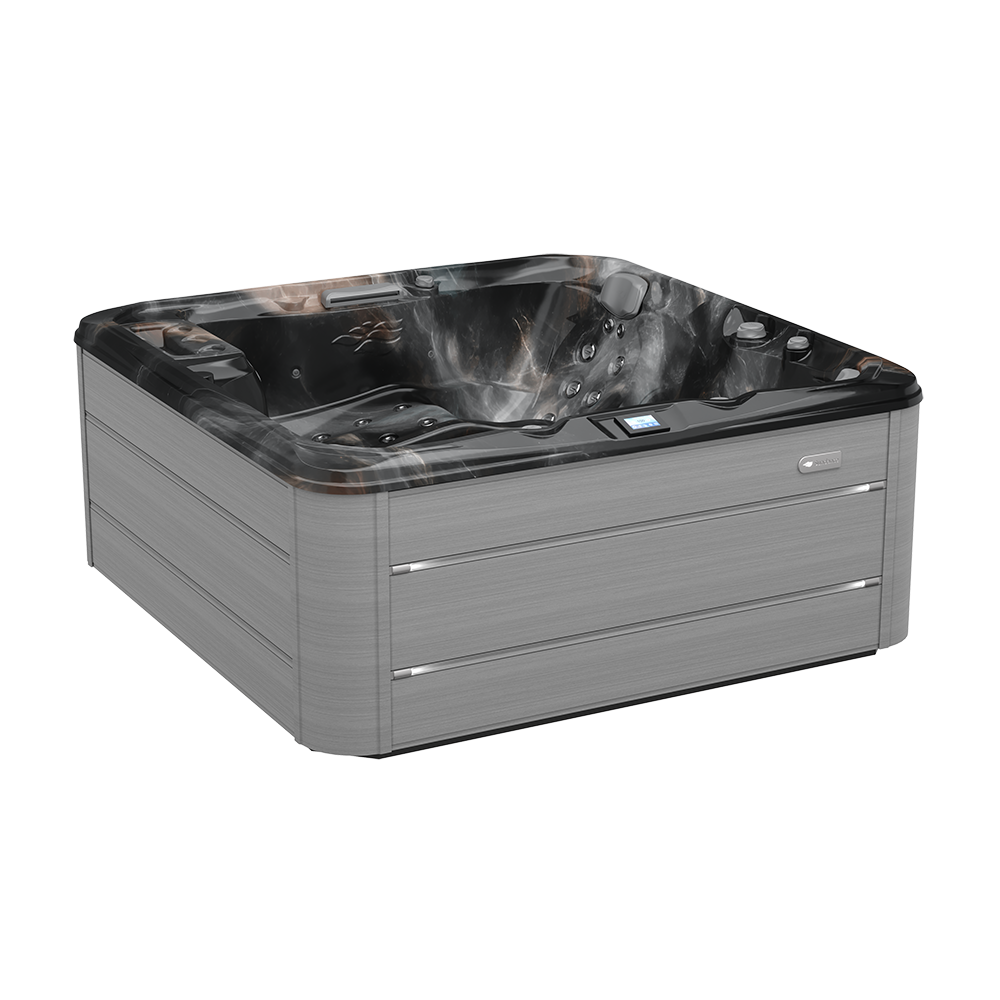
880™ Series
Aspen® – 880™ Series
Seating:
7-8
Open SeatSeats
Fluidix Jet
Energy Efficient
Therapy & Recovery
SmartTub System
$$$$$
MSRP$29899
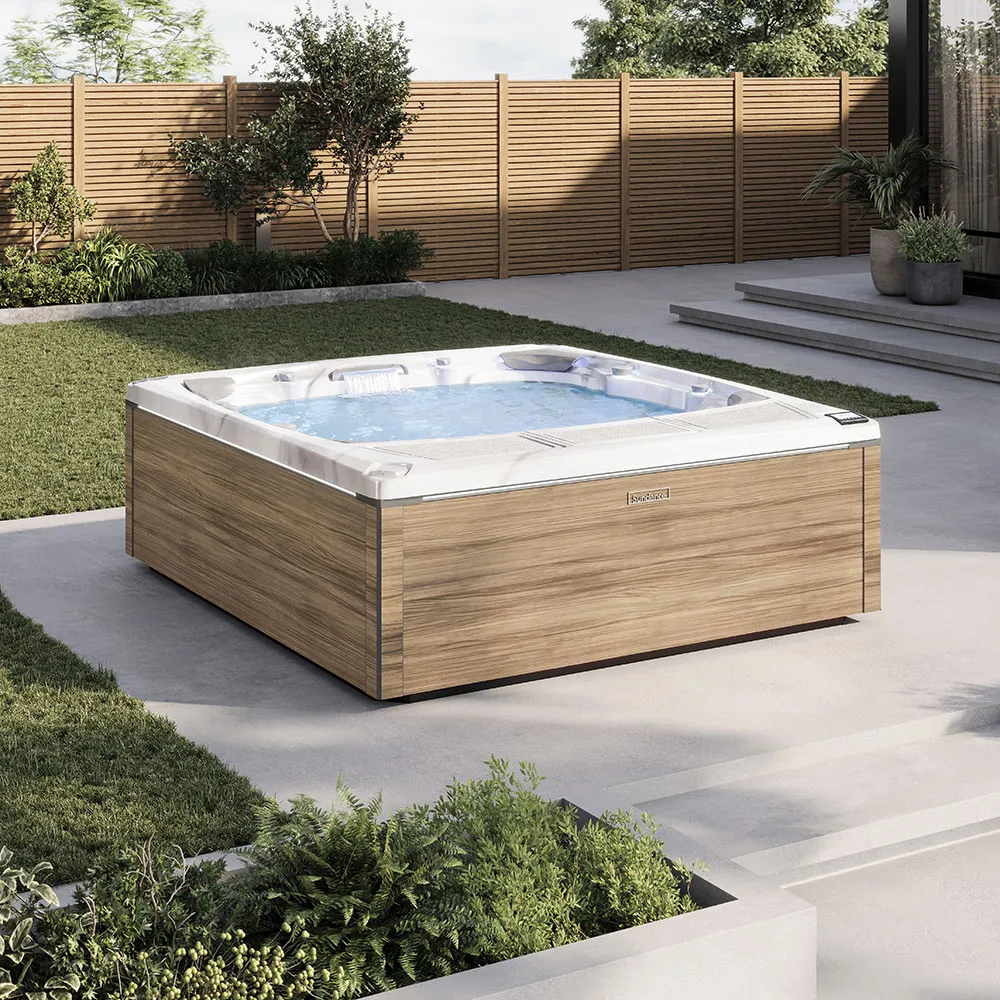
Make a bold statement with a superbly crafted spa, rich with features that are ideal for entertaining or simply relaxing.

Our best-selling spas offer an ideal balance of advanced features, premium comfort, and transformative hydrotherapy.

All the right features for all your best moments, at a value that makes it all possible. Now it's time to make it all happen.
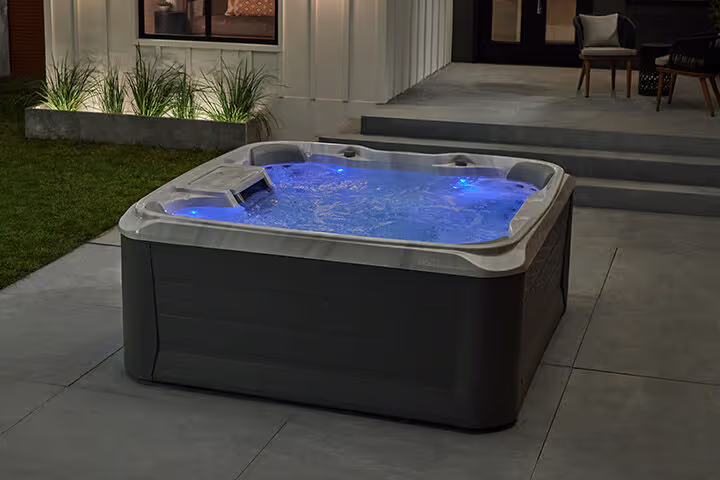
It's easy to love the 680 Series spa for all the fun and relaxing moments, but you'll also appreciate its superior durability and value.
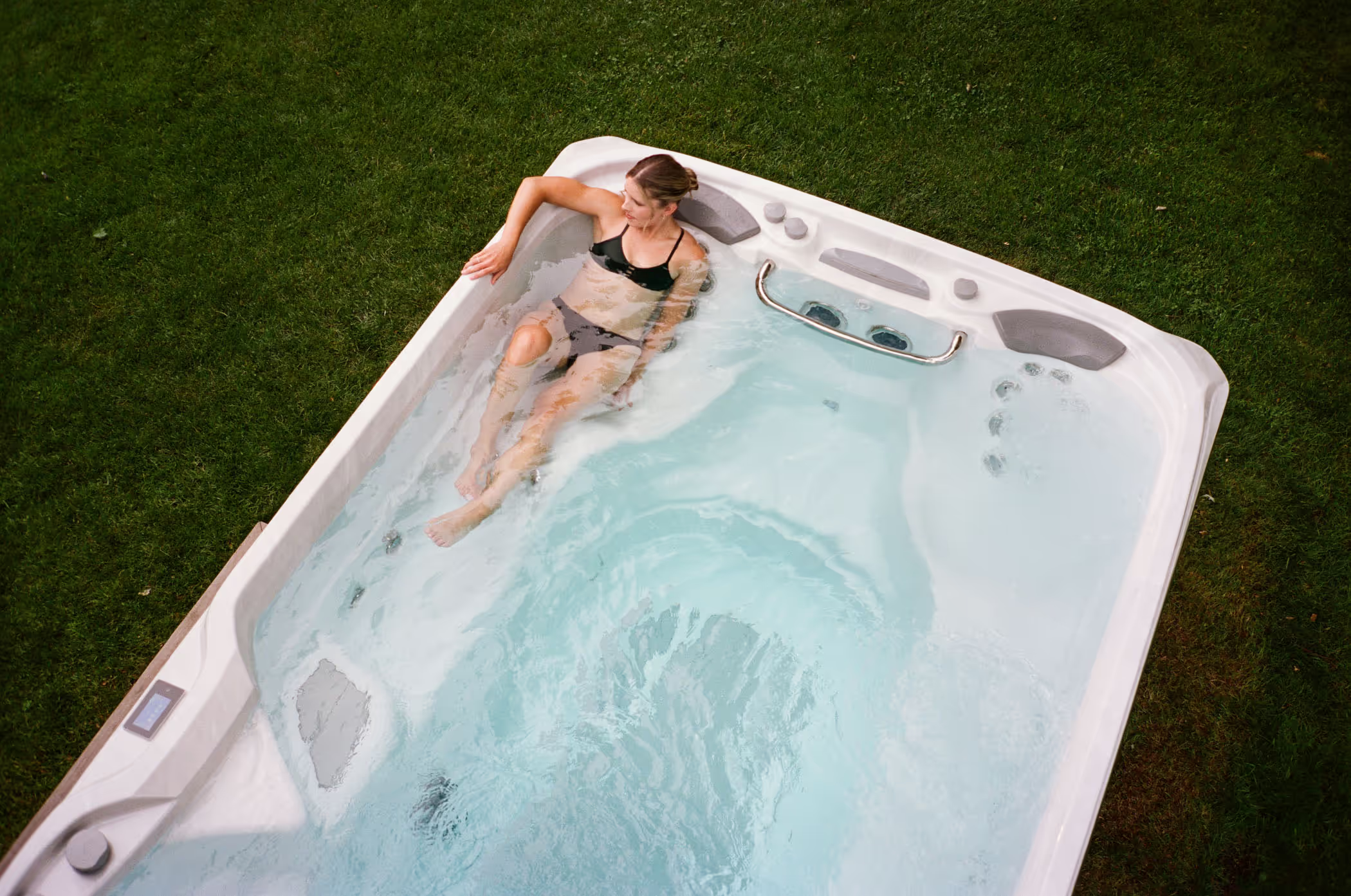
It's easy to love a swim spa for the daily movement and water time it brings, but you'll also appreciate how seamlessly it fits an active life at home.

Every Sundance® spa is built to maximize relaxation with features that make spa ownership a breeze so you can enjoy your new spa with confidence.
Find Your Spa
Explore Sundance models to find the perfect spa for you.


Ashley Field is director of sales training at Jacuzzi Group, where she leads global training strategy and development across multiple brands. Since joining in 2016, she has focused on building programs that align teams, support business goals, and enhance the customer experience. Field holds a bachelor’s degree in industrial design from Arizona State University and is a member of the Association for Talent Development.
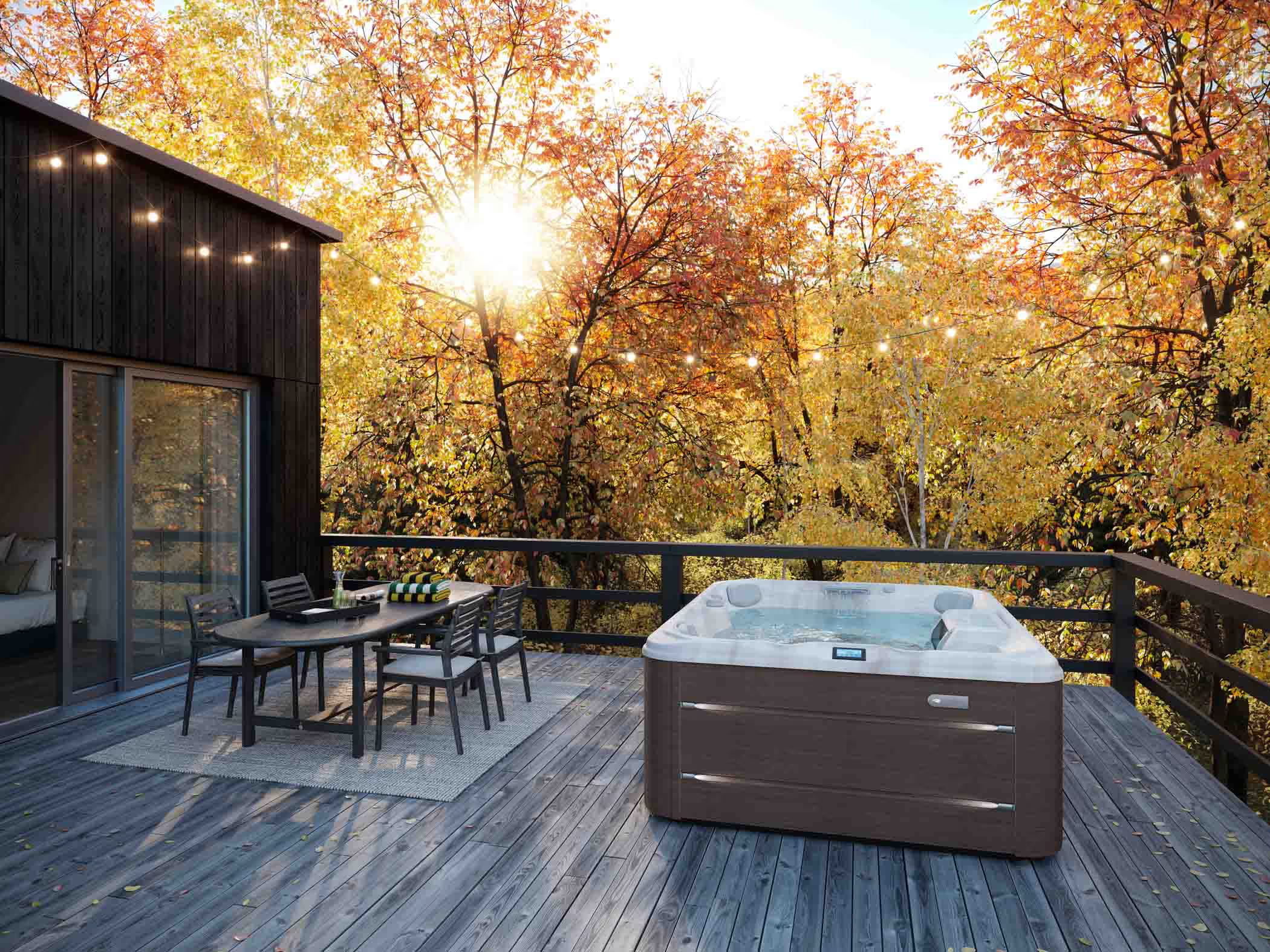
There’s something deeply restorative about stepping out your back door, settling into warm water, and letting the day’s tension dissolve under an open sky. For many homeowners, placing a hot tub on deck brings that experience just steps from the kitchen, the bedroom, or wherever life happens. This guide is for homeowners who want to safely and beautifully integrate a hot tub into their deck, ensuring both structural integrity and long-term enjoyment. The topic matters because a well-planned hot tub deck protects your investment, maximizes safety, and enhances your enjoyment for years to come. But before the first soak, there’s essential groundwork—literally—that makes the difference between a lasting retreat and a costly mistake.
When it comes to creating the ultimate outdoor living space, a hot tub deck is a perfect addition to any backyard. A hot tub deck not only enhances the aesthetic appeal of your outdoor space but also provides a functional area for relaxation and entertainment. Whether you’re looking to install a new deck or renovate an existing one, a hot tub deck project requires careful planning and consideration of several factors, including deck boards, hot tub installation, and local building codes.
A hot tub deck can be designed to accommodate various types of hot tubs, including above ground hot tubs, play hot tubs, and inflatable hot tubs. Pressure treated wood and composite deck boards are popular choices for hot tub decks due to their durability and moisture resistance. When building a new deck or installing a hot tub on an existing deck, it’s essential to ensure that the deck surface can support the weight of the hot tub, typically measured in pounds per square foot.
A well-designed hot tub deck can create a seamless transition between the hot tub and the surrounding outdoor space, making it an integral part of the overall outdoor living experience. With the right decking material, such as composite decking, and careful planning, a hot tub deck can be a beautiful and functional addition to any backyard, providing a perfect spot to relax and unwind.
In this guide, we’ll explore the various aspects of hot tub decks, including design considerations, decking materials, and installation tips, to help you create the perfect outdoor living space for your needs. Whether you’re a seasoned DIY enthusiast or a beginner, this guide will provide you with the necessary information to build a stunning hot tub deck that will enhance your outdoor living experience.
Building a deck for a hot tub requires careful planning to ensure it can support the weight of the hot tub when filled with water and occupants. Yes, you can place a hot tub on a deck—but only if the structure is built or reinforced to handle approximately 100 pounds per square foot. That’s roughly double the typical residential deck design load of 40–50 lb/ft² required by most 2024 U.S. building codes.
Standard residential deck load is typically rated for 40–50 pounds per square foot (psf), which is sufficient for patio furniture and regular use. However, hot tub load requirements are much higher, generally at least 100 pounds per square foot or more, because a filled hot tub, including occupants, can weigh between 4,000 and 8,000 pounds, far exceeding standard residential deck weight limits. The weight of a filled hot tub can exceed 4,000 pounds, necessitating a deck that can support at least 100 pounds per square foot. Installing a hot tub on a deck typically requires the deck to support a high load of over 1,800 kg.
Many older decks, particularly those built before 2005, were never designed with spa loads in mind. The framing, footings, and connections may be adequate for patio furniture and a few guests, but not for several thousand pounds concentrated in a single area. An inspection by a structural engineer or licensed contractor is essential before committing to a location. Evaluating the deck support is crucial to ensure the structure can safely hold the hot tub and meets all safety and building code requirements.
Consider the numbers: a mid-size 7-person Sundance Spas model measuring around 84” x 84” and holding 400–500 gallons can weigh 4,500–5,500 pounds when filled and occupied. That entire load bears on roughly 49 square feet of deck surface—a significant demand on any structure.
Ground level decks sitting close to grade are generally easier to reinforce than high raised decks or second-story balconies. The closer your deck is to the ground, the simpler and more cost-effective the upgrades tend to be.
Local building departments in most municipalities require permits and stamped drawings if you plan to place a hot tub on your deck. Checking with your city or county office before starting saves headaches later.
The best time to start planning is before you purchase your spa. Deck capacity, access paths, electrical layout, and even which direction the wind blows can all influence which Sundance Spas model fits your space best.
Three questions should guide your planning:
Key planning factors to evaluate:
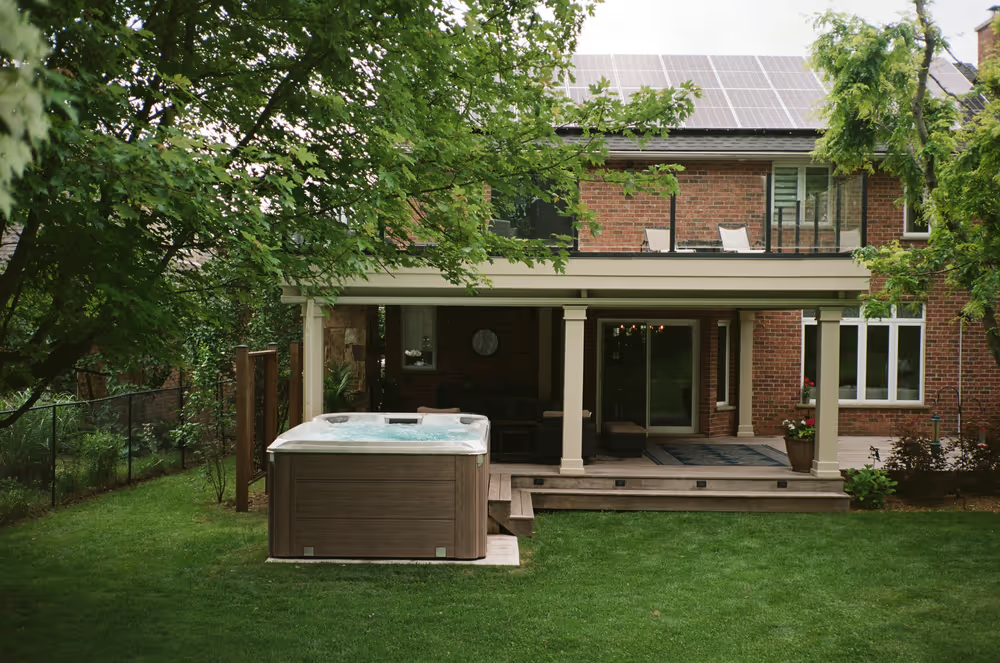
A common scenario: placing a spa 10–12 feet from a back door on a wood deck or composite deck in a North American suburban backyard built between 2010 and 2026. This setup allows quick access while leaving room for safety features like railings and non-slip steps.
Sundance dealers work with homeowners and builders regularly to align product choice with deck design early in the process. Bringing your contractor and dealer together at the planning stage helps avoid surprises.
If you have any decking questions about compatibility, safety, or installation for your hot tub deck project, feel free to reach out for expert advice.
Calculating the weight of your hot tub and ensuring your deck can support it is crucial. Consider the total load, including the tub, water, and occupants, and compare it to your deck’s load-bearing capacity. Reinforcement may be necessary, especially for older or elevated decks.
Plan for safe and convenient access to your hot tub in all seasons. Consider slip-resistant surfaces, adequate lighting, and clear pathways from your home to the spa. Safety features such as railings and steps should be integrated into your design.
Understanding real numbers is critical. Sundance spas provides empty weight and water capacity specifications for each model in owner’s manuals and spec sheets—these figures are your starting point.
The formula for calculating total load is straightforward:
Total Load = Empty Tub Weight + (Water Volume in gallons × 8.34 lbs) + (Number of Bathers × 185 lbs)
Here’s a worked example for a hypothetical 7’ × 7’ Jacuzzi model:
Component
Calculation
Weight
Empty tub weight
—
800 lbs
Water (400 gallons)
400 × 8.34
3,336 lbs
Bathers (5 people)
5 × 185
925 lbs
Total
—
5,061 lbs
On a 49 square foot footprint, that works out to approximately 103 lbs per square foot.
Calculating your deck's square footage is essential to accurately assess whether it can safely support the total weight of a hot tub, as the load must be distributed over the entire area.
Most building officials want to see design loads around 90–100 lb/ft² under the hot tub zone, compared with the roughly 50 lb/ft² typical for standard residential deck areas.
Only a licensed professional can officially certify your deck’s capacity. But understanding this math empowers you to have informed conversations with engineers and contractors about what your outdoor project requires.
Many homeowners in 2026 are adding a spa to a deck that was built years—sometimes decades—ago. A structured assessment is the safest first step before purchasing any tub.
Start with a visual check. Walk the deck and look for:
If any of these conditions exist, reinforcement or replacement is likely needed before the hot tub arrives. One common method to strengthen a deck for a hot tub is to install support posts, which provide additional load-bearing capacity and stability.
Beyond visual inspection, measure the framing:
Elevated decks over 2–3 feet off grade with 4×4 posts or shallow footings poured before the mid-2000s should almost always be evaluated—and likely upgraded—before adding a Jacuzzi spa. The building code requirements have evolved significantly, and what passed inspection in 1995 may not support a hot tub safely today.
Document conditions with photos and measurements. Share this information with a structural engineer or qualified deck builder before committing to a location. This step protects both your investment and your safety.
If you’re planning a new deck or a major rebuild, you have the ideal opportunity: engineering the structure specifically for spa loads from day one. To achieve the best stability for your hot tub on deck, incorporate features such as full-foam insulation and use proper deck attachment techniques to ensure a secure and steady installation.
The good news is you don’t need to overbuild the entire deck. Design a reinforced “hot tub zone” with closer joist spacing, larger beams, and additional posts and footings under the spa footprint. The rest of the deck can follow standard residential framing.
Typical practices for the hot tub area include:
Consider an L-shaped deck layout where one 8’ × 8’ reinforced square near the house is reserved for a 5–7 person Sundance spas model. Standard framing handles the rest of the deck—dining areas, lounging space, stairs—without unnecessary material costs.
Involve an engineer or use stamped plans for any deck supporting a hot tub. Coordinate early with your dealer for exact tub dimensions, access panel locations, and the service clearances that maintenance will require over the spa’s lifetime.
The framing carries the weight, but the decking surface determines safety, durability, and maintenance around a water-rich environment.
Real wood decking, like cedar or redwood, offers a classic look and natural resistance to moisture, but requires regular sealing. Composite decking, made from recycled plastics and wood fibers, is low-maintenance and resists warping, splintering, and fading.
Choosing premium materials and finishes for your hot tub deck can also create a sense of luxury, elevating the overall aesthetic and comfort of your outdoor space.
Material
Pros
Cons
Pressure treated wood
Affordable, familiar, takes stain well
Requires sealing, can splinter, susceptible to moisture damage over time
Hardwood (ipe, teak)
Beautiful, naturally moisture resistant, long-lasting
Expensive, requires periodic oiling, can be slippery when wet
Composite deck boards
Low maintenance, won’t splinter, resists moisture and chemicals
Higher upfront cost, can get hot in direct sun
Moisture, spa chemicals, and freeze-thaw cycles around hot tubs are tougher on surfaces than normal deck areas. Composite decking and high-quality fasteners reduce splintering and rot while pairing well with Jacuzzi’s acrylic shells and premium cabinet finishes.
Slip resistance matters. Choose textured or grooved boards, add non-slip coatings near the tub perimeter, and avoid highly polished tiles or smooth painted surfaces in the soaking zone.
Color affects comfort. Darker deck boards absorb more heat and can feel uncomfortably hot underfoot in summer sun. Lighter or mid-tone finishes often complement white or gray Jacuzzi shells while staying cooler.
Real wood has its appeal, but composite decking offers the low maintenance performance that busy homeowners appreciate—especially around a spa where water is constantly present.
The vertical relationship between your hot tub and the deck surface affects access, views, structural requirements, and long-term serviceability. You can also choose to install a hot tub directly into the deck for a seamless appearance and convenient access to utilities, such as wiring the hot tub directly to your home's power source or outdoor outlets.
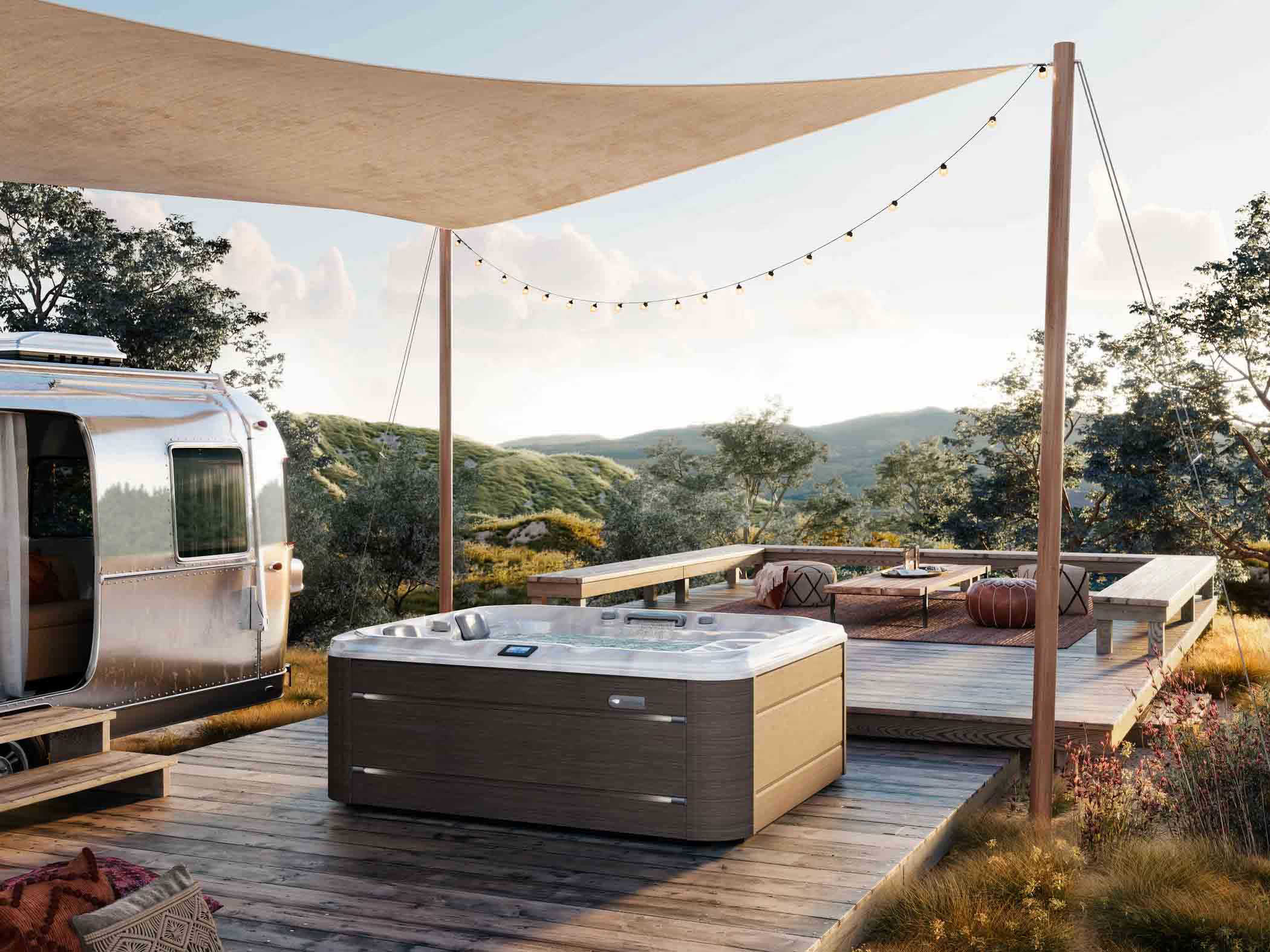
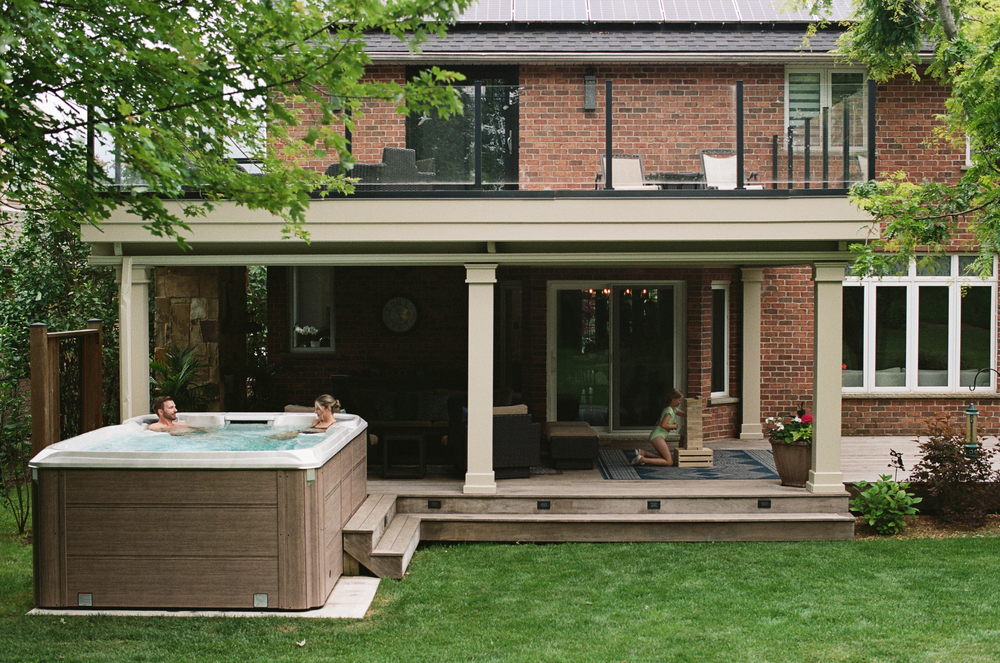
Placing the spa fully on the finished deck surface is structurally straightforward. The deck must be engineered for the load, but no excavation or custom framing beyond reinforcement is needed.
This approach works well for above ground hot tubs and plug-and-play models. Installing a play hot tub on a deck is especially convenient for beginners or those seeking a quick setup, as these portable units require minimal installation effort. The trade-off is access: bathers typically need steps or a built-in bench to climb up and over the tub rim. For a large deck with room for entry steps and circulation, this remains the most common installation method.
The popular approach of dropping the tub into the deck frame so the rim sits about 17–19 inches above the deck surface—roughly seat height—makes entry effortless. Bathers can sit on the rim and swing their legs in.
This installation requires more planning. The framing must accommodate the tub body below deck level while leaving unobstructed access to service panels and equipment bays. Removable deck boards or access hatches are essential for maintenance.
If you’re building a new deck, partial recessing is straightforward to design from the start. Retrofitting an existing deck for this approach is significantly more complex.
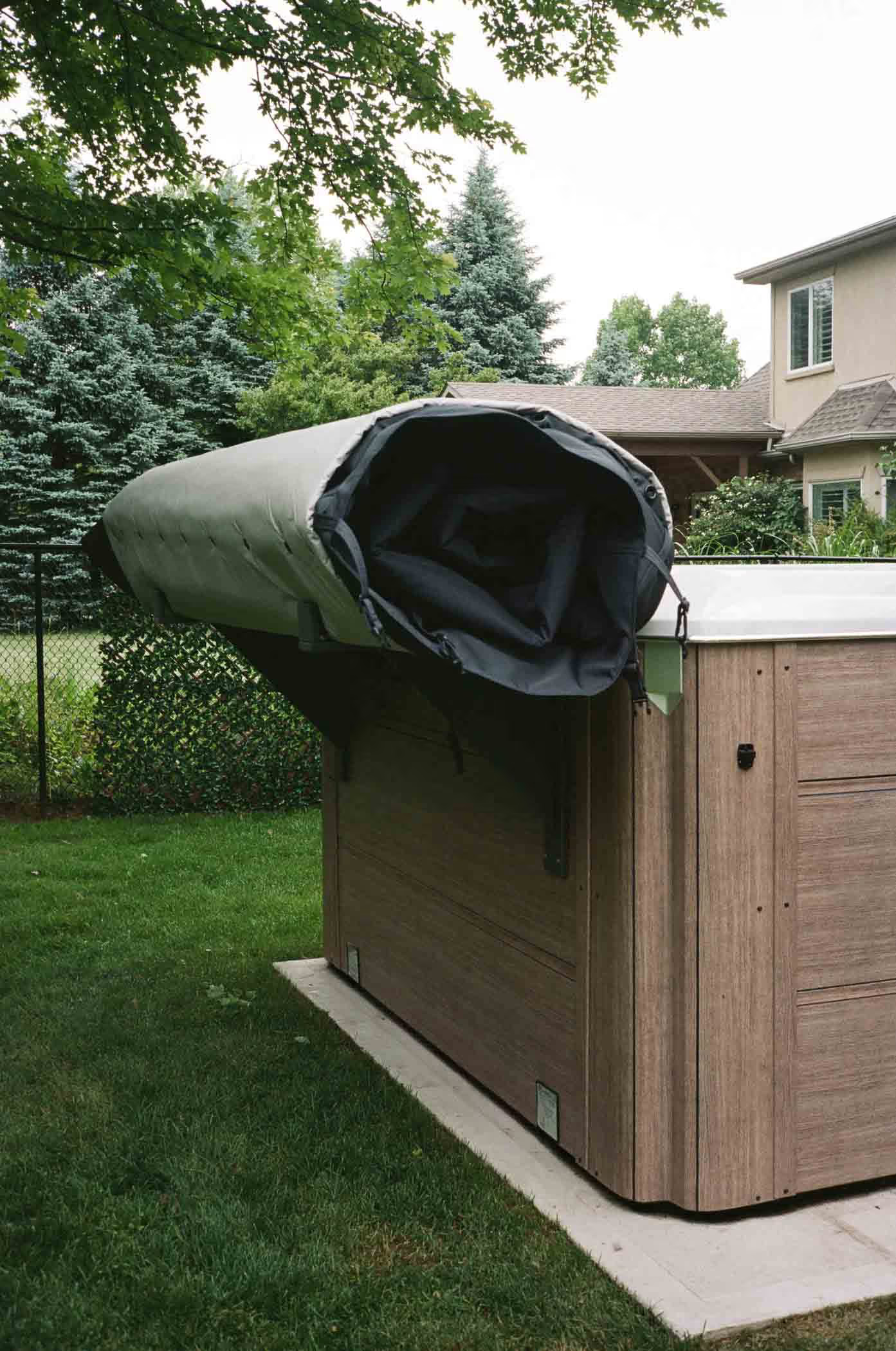
Placing the Sundance spa on its own concrete slab at grade—with the deck built around it—keeps the spa load entirely off the deck framing. The deck surface meets the tub cabinet, creating a built-in appearance without demanding reinforced joists.
This works especially well for ground level installations where the deck height is close to grade. The tub sits on its own structural foundation while the wooden deck or composite surface provides the surrounding outdoor space.
Many existing decks can be upgraded rather than completely rebuilt, especially if the ledger connection and main beams are sound. The key is targeting reinforcement specifically to the hot tub area.
Blocking between joists, combined with upgraded connectors, ties everything together to resist racking and long-term movement. This is especially important on a raised deck where wind loads and dynamic forces from water movement play a role.
A structural engineer can often identify the most cost-effective path—sometimes targeted reinforcement saves thousands compared to a full replacement.
A safe hot tub deck is more than structure. Sundance spas need proper power, accessible water for filling, and clear paths to service components that will need attention over the spa’s lifetime.
Most full-size Sundance models require a dedicated 220–240V, 50-amp GFCI-protected circuit installed by a licensed electrician. Some compact or plug-and-play models can use a standard 120V outdoor GFCI receptacle, but performance and heating speed are limited.
Basic placement rules from 2024 electrical codes typically specify:
Position the tub within easy hose reach of an outdoor spigot. Filling a 400-gallon spa takes time, and running a hose across the deck becomes routine during seasonal draining and refilling.
Plan where drained water will flow. Most municipalities have requirements about spa water discharge—typically it should not flow into storm drains or neighboring properties.
Equipment bays containing pumps, the control pack, and filters must remain unobstructed. If your hot tub is recessed or surrounded by deck on multiple sides, design removable panels or a minimum 30-inch-wide access hatch on the service side.
Blocked access means difficult maintenance and potentially expensive service calls when technicians can’t reach components. Plan for easy access from day one.
This is the livability dimension—how to make your hot tub on deck feel safe, private, and comfortable for daily use across all seasons. Integrating a pool or water feature with your hot tub deck can also create a resort-like outdoor living space, enhancing relaxation and the overall backyard experience.
Consider wind direction and prevailing weather when positioning your spa. Placing the hot tub closer to the house or behind a screen reduces heat loss and makes winter soaking more inviting. On exposed decks, even a partial windbreak transforms the experience.
Integrating a Jacuzzi into your deck transforms a simple backyard into a wellness retreat—a space where relaxation becomes part of everyday life rather than a special occasion.
Position the hot tub in an L-shaped corner of the deck, framed by a pergola overhead. The structure provides partial shade during afternoon soaks and a framework for string lights or climbing plants. Bench seating along two sides creates a natural gathering spot.
Design a deck with two distinct levels: the upper level for dining and entertaining, the lower level dedicated to the Sundance Spa spa. This separation creates distinct zones while maintaining visual connection. Steps between levels double as casual seating during parties.
On a raised deck overlooking a view—whether woodland, water, or a landscaped garden—position the hot tub at the deck’s edge. The main seats face outward, putting bathers in the best position to enjoy the sightline while soaking. Low railings or glass panels maintain safety without blocking blocked views.
Pair your deck hot tub with an adjacent infrared sauna, outdoor shower, or cold plunge area to create a complete at-home hydrotherapy circuit. Moving from warm to cool to warm again is a time-honored wellness practice, and the deck becomes the connecting element between experiences.
Design details that elevate the space:
Caring for both the deck and the hot tub extends the life of the entire installation and protects your investment. A little attention each season prevents larger problems later.
Sundance spas water care systems—including advanced filtration and options like ozone or UV treatment—keep water cleaner with fewer harsh chemicals. This reduces chemical exposure to surrounding decking material and extends the life of deck finishes.
Every 6–12 months, confirm that access hatches and clearances around equipment remain unobstructed. It’s easy for furniture, planters, or storage to creep into service areas over time. Maintaining clear paths saves time and money when maintenance is needed.
Sundance Spas and our authorized dealer network regularly collaborate with architects, deck builders, and engineers on spa-ready deck projects. This isn’t just about selling spas—it’s about helping homeowners create spaces that function beautifully for years.
Bring your chosen Sundance Spas model specs—dimensions, filled weight, electrical requirements—to your first meeting with contractors or engineers. The deck can then be precisely designed around the spa rather than adapted afterward.
Request written confirmation from your builder or engineer that the designed deck meets or exceeds the required live load under the spa area. This documentation protects you and provides peace of mind.
Many Sundance Spas showrooms feature full-scale deck and patio installations on display. Seeing a spa in context helps you visualize access heights, step designs, privacy solutions, and how different decking materials look alongside various cabinet finishes.
Use Sundance Spas customer support or dealer contacts for questions about clearances, installation manuals, and best practices specific to your model and local building codes. Expert advice is part of the Sundance Spas ownership experience—before, during, and long after installation.
It’s sometimes possible, but significantly more complex than ground-level installations. Second-story decks often require extensive reinforcement, and many balconies were never engineered for multi-thousand-pound concentrated loads. A structural engineer must review the framing, connections to the house, and footing capacity before considering a Sundance Spas hot tub on an upper level. In many cases, placing the spa on a ground-level concrete pad with stairs or a lower deck connection proves more practical and cost-effective.
While an inflatable hot tub weighs less when empty, it still holds hundreds of gallons of water. The total live load can approach that of a small acrylic spa—often 2,000 pounds or more when filled and occupied. Use the same weight-calculation approach and professional evaluation, even for inflatables placed on a deck surface. A quality, purpose-built Sundance hot tub offers superior insulation, structural stability, and longevity—advantages that matter once the deck is properly reinforced.
Many homeowners place their spa 5–15 feet from a main door for quick access in cold or wet weather, while leaving room for steps and safe circulation. Don’t crowd siding, windows, or vents—follow manufacturer and local building code clearances for steam, electrical safety, and service access. Consider roof overhangs, gutters, and potential snow or ice fall from above when choosing a position adjacent to the house.
In most U.S., Canadian, and European municipalities as of 2026, adding a spa or significantly increasing deck load requires a building permit and inspections. Check with your local building department before starting, and have engineered drawings prepared if the deck is elevated or the spa is large. Electricians typically need separate permits and inspections for new 240V circuits serving a Sundance Spas.
Delivery methods depend on site conditions. Some decks allow spas to be slid into place after temporarily removing railing sections. Others require a crane or specialized lifting equipment. Plan the delivery route early—measure gates, paths, and clearances—and coordinate with both your Sundance dealer and deck builder before railings and stairs are permanently installed. Safe lifting and placement protect both the spa shell and the deck structure from damage.
Seating:
Seats
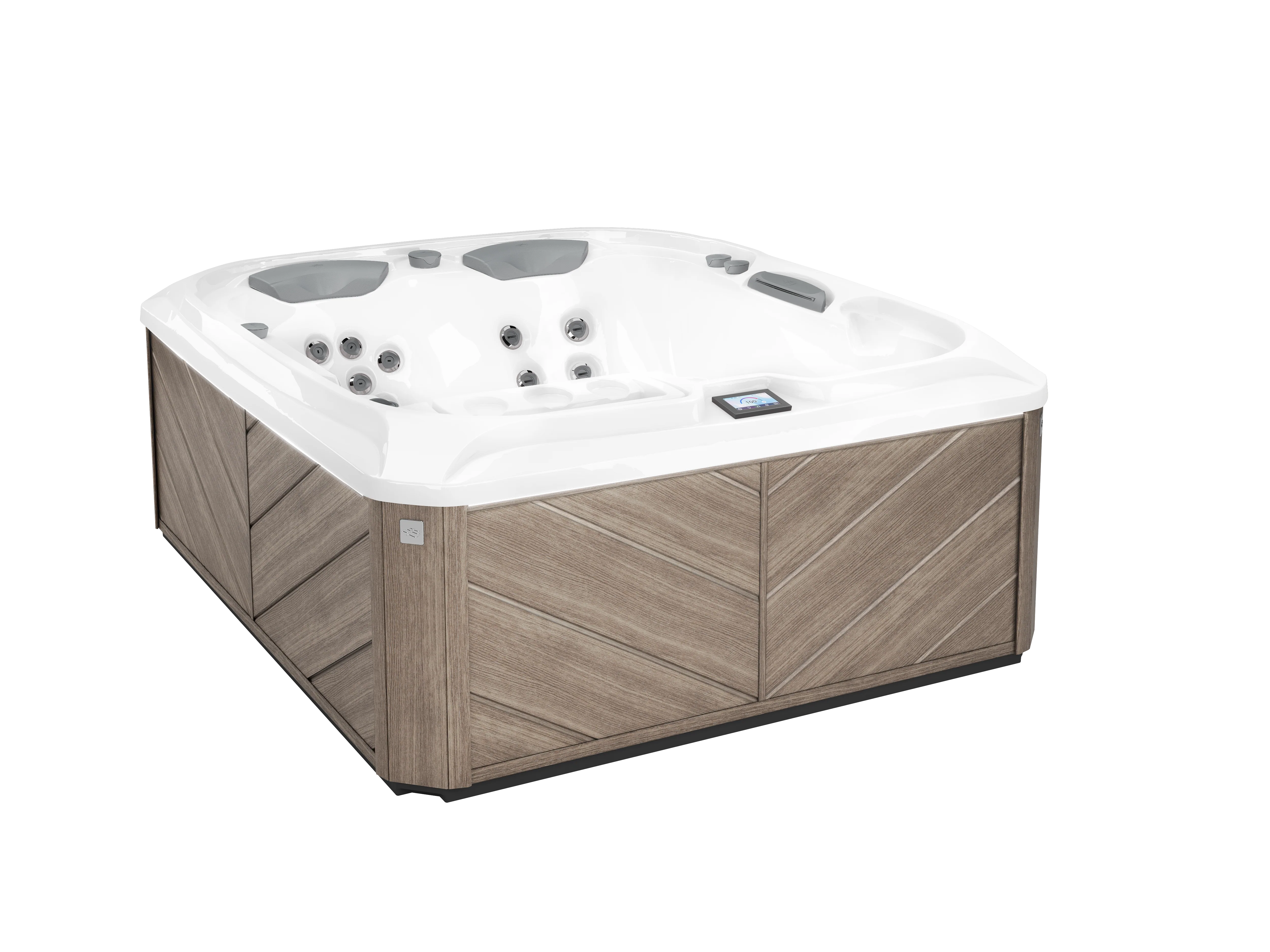
Seating:
Seats
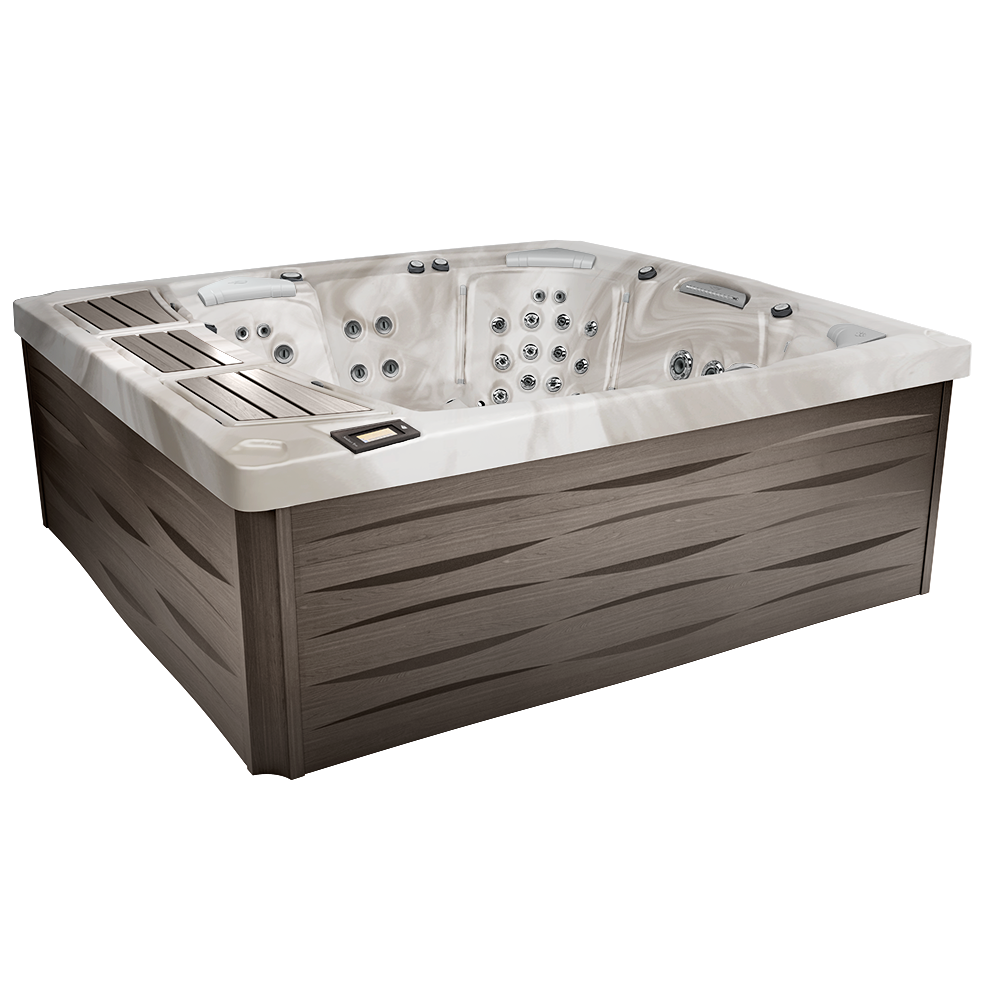
Seating:
Seats

Start exploring the features Sundance® spas have to offer, and learn how to make spa time a focal point in your journey to share meaningful moments with the people you love.








.jpg)







.avif)







.avif)




.avif)