


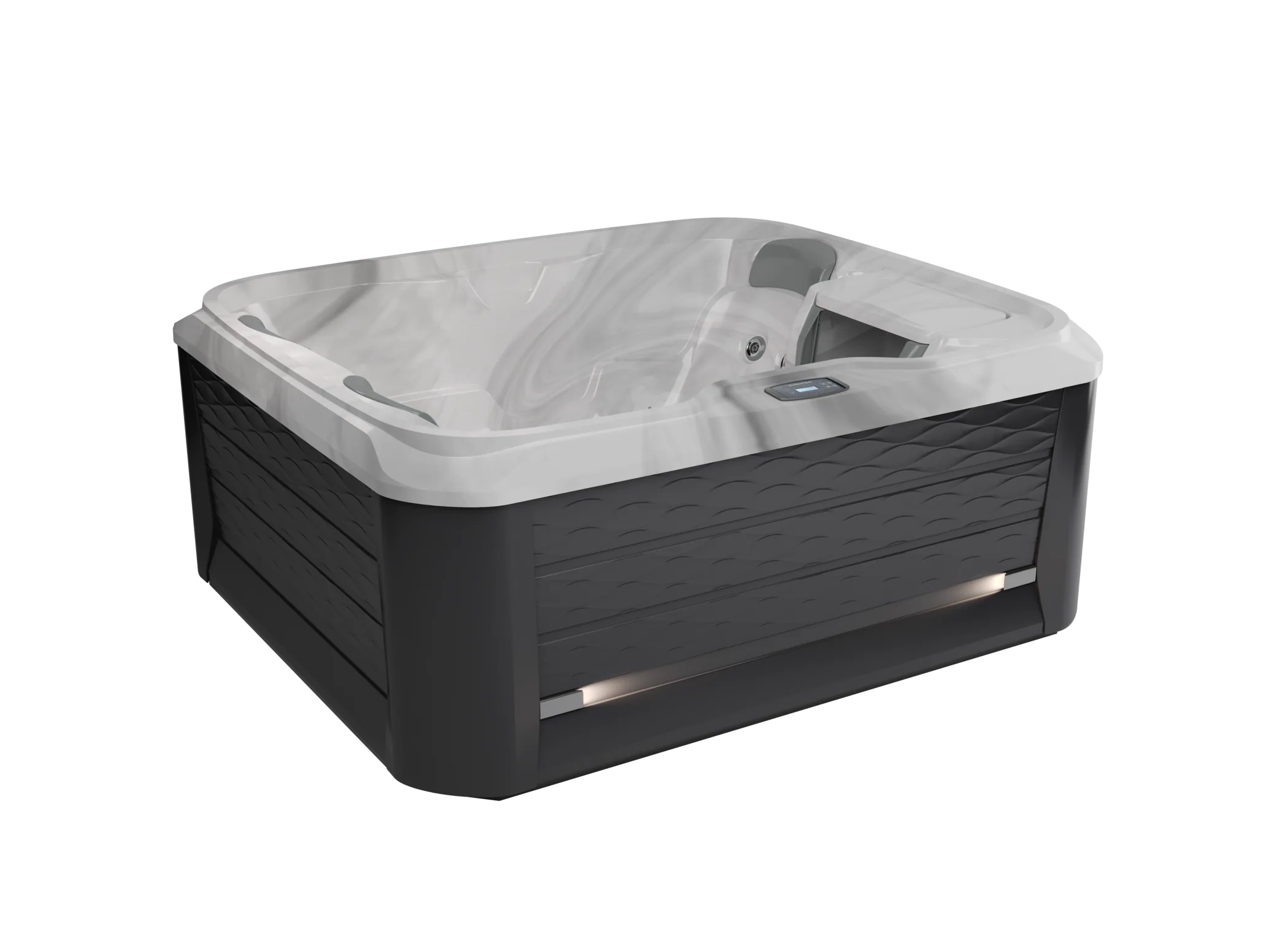
880™ Series
Aspen® – 880™ Series
Seating:
7-8
Open SeatSeats
Fluidix Jet
Energy Efficient
Therapy & Recovery
SmartTub System
$$$$$
MSRP$29899
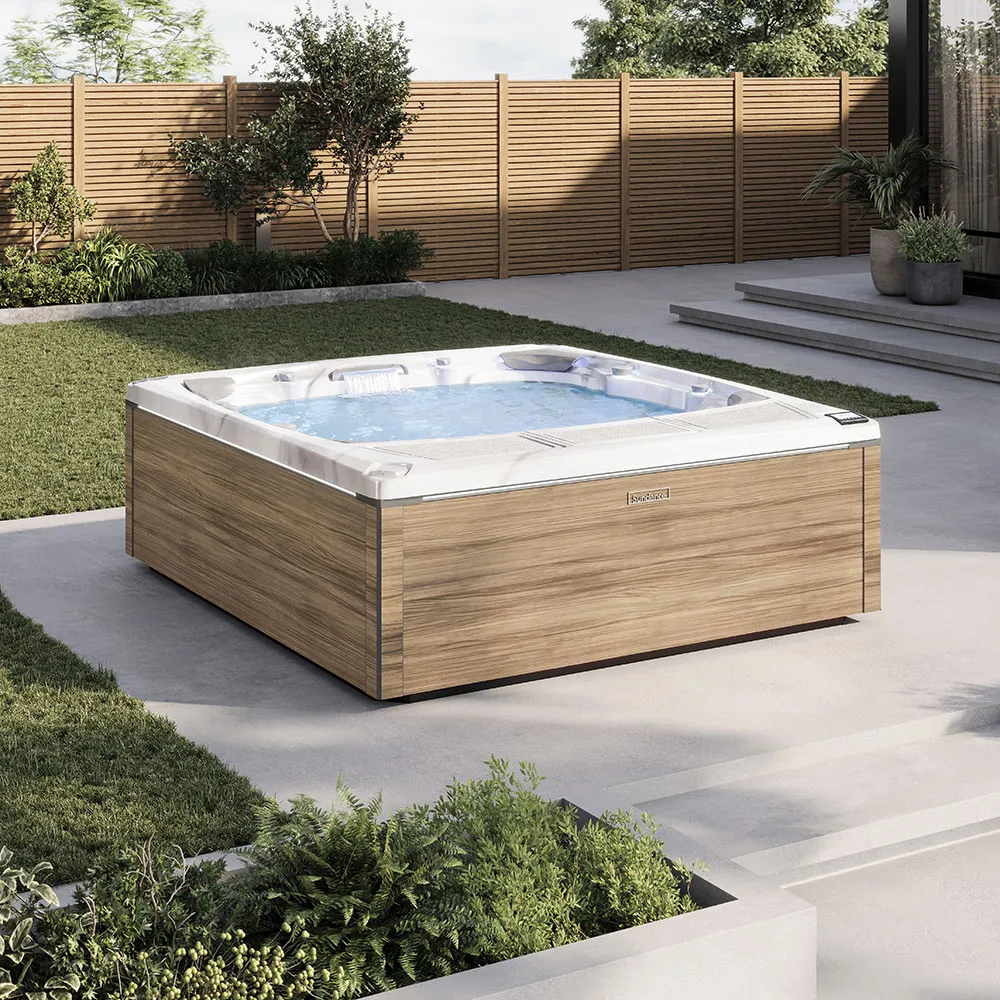
Make a bold statement with a superbly crafted spa, rich with features that are ideal for entertaining or simply relaxing.

Our best-selling spas offer an ideal balance of advanced features, premium comfort, and transformative hydrotherapy.

All the right features for all your best moments, at a value that makes it all possible. Now it's time to make it all happen.

It's easy to love the 680 Series spa for all the fun and relaxing moments, but you'll also appreciate its superior durability and value.
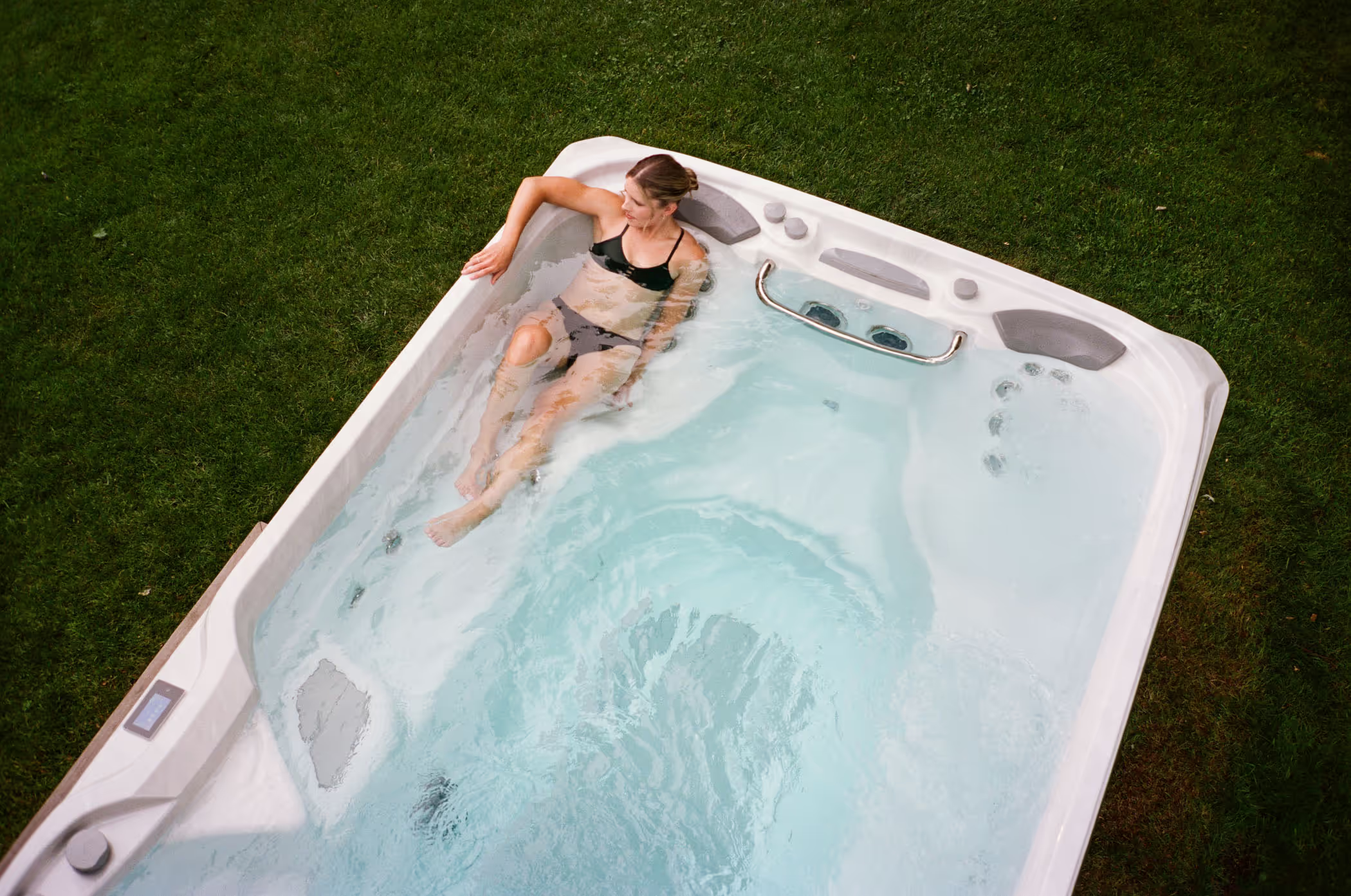
It's easy to love a swim spa for the daily movement and water time it brings, but you'll also appreciate how seamlessly it fits an active life at home.

Every Sundance® spa is built to maximize relaxation with features that make spa ownership a breeze so you can enjoy your new spa with confidence.
Find Your Spa
Explore Sundance models to find the perfect spa for you.


Ashley Field is director of sales training at Jacuzzi Group, where she leads global training strategy and development across multiple brands. Since joining in 2016, she has focused on building programs that align teams, support business goals, and enhance the customer experience. Field holds a bachelor’s degree in industrial design from Arizona State University and is a member of the Association for Talent Development.
Feeling stressed out? Discover eight simple ways to de-stress daily. This article covers practical tips like physical activity, mindfulness, calming music, and more to help you manage stress effectively.
Physical activity is a powerful stress reliever that lowers stress levels. Regular exercise enhances mental well-being and reduces stress. Participating in activities like walking, jogging, gardening, or swimming boosts well-being by increasing endorphin production. These natural mood lifters make you feel more positive and less stressed.
Exercise directly enhances mood and reduces stress symptoms. Physical activity releases endorphins, which help readjust focus and improve mood. The feeling of a runner’s high or accomplishment after a gym session are responses to these endorphins.
Incorporating physical activity into your daily routine improves physical health and creates a buffer against stress. Whether you prefer a vigorous workout or a relaxing stroll, make it a habit to avoid unhealthy habits and move regularly.
Active exercise such as yoga or jogging can significantly decrease high blood pressure and clear your mind.
Activities like:
help you decompress and relieve stress. Hatha yoga, in particular, is recommended for stress relief as it combines physical and mental disciplines.
These exercises benefit your physical health and serve as a creative outlet to channel your energy positively. Incorporating active exercise into your routine reduces stress, improves mood, and fosters a healthier lifestyle.
A short walk effectively alleviates stress. Walking in natural settings significantly enhances mood and promotes relaxation. The simplicity of walking allows you to focus on your surroundings and reconnect with the present moment.
Even a short walk profoundly impacts stress levels. This simple act helps decompress and alleviate feelings of being overwhelmed.
So, the next time you feel stressed, take a break and go for a walk—it’s a small step with big benefits.
Mindfulness redirects focus from negative thoughts and reduces stress. Mindfulness meditation involves being fully aware of current feelings and sensations without judgment. Techniques like the 5-4-3-2-1 method focus attention on the present moment through sensory engagement.
Meditation offers calm, peace, and balance, benefiting emotional well-being and overall health. Artistic pursuits or journaling can also significantly lower anxiety and improve mood.
Incorporating mindfulness into your daily routine creates a tranquil mental state, helping you cope with stress more effectively.
Deep breathing exercises activate the body’s natural relaxation response, reducing stress and promoting calm.
Practicing deep breathing significantly lowers stress hormones and improves overall mood.
Try an app for guided meditation to make mindfulness practices more accessible. Online resources or apps for guided meditation enhance the mindfulness experience. Guided meditation helps quiet the mind and reduce stress, offering a structured way to achieve a more relaxed state.
Listening to calming music lowers stress hormones and reduces muscle tension. Soothing melodies create a serene environment that alleviates stress and boosts emotional well-being. Music at around 60 beats per minute helps the brain achieve relaxation by synchronizing to alpha brainwaves.
Music enhances relaxation by altering brain function and reducing anxiety levels. Incorporating soothing music or nature sounds prevents work-related stress and anxiety. Listening to calming music creates a peaceful mental state that promotes relaxation and reduces stress.
Specific playlists with genres like Native American, Celtic, and light jazz are particularly effective for reducing stress. Calming music significantly aids in stress relief and relaxation.
Creating or finding relaxation-focused playlists enhances the calming effects of music. Explore different playlists designed for relaxation and stress relief to find the most effective ones for you.
Incorporating sounds such as rain or ocean waves with music enhances the relaxation experience. Nature sounds significantly contribute to a more peaceful mental state, benefiting stress reduction and overall well-being.
Connecting with loved ones provides emotional support during stressful times. Calling a friend or family member for distraction or support alleviates stress. Spending time with family and friends enhances mood and creates a supportive environment. Building these connections leads to better coping mechanisms and resilience against stress.
Whether it’s a phone call, a coffee break, or a family dinner, these interactions offer a sense of belonging and support that significantly reduces stress. Regularly connecting with loved ones fosters a supportive network to navigate life’s challenges with greater ease.
Spending quality time with family and friends provides emotional support and distraction from stress. Engaging in social activities or volunteering offers additional social support and stress relief. Participating in group activities fosters a sense of community and significantly alleviates feelings of loneliness.
These meaningful connections reduce stress and enhance overall mood, contributing positively to mental health.
Take coffee breaks, email friends, or volunteer. Group activities or volunteering offer additional social support and stress relief.
These activities provide opportunities to build connections, share experiences, and support each other, contributing to a balanced and less stressful life.
Limiting screen time reduces exposure to work emails and stressful news, contributing to a calmer mindset. Taking breaks from screens helps you recharge and reduce stress.
Unplugging from technology allows you to disconnect from digital distractions and focus on more mindful and relaxing activities.
Setting clear boundaries between work and personal life significantly reduces stress. Establishing specific work hours and sticking to them helps avoid checking work emails after hours. Leaving work at work and communicating with family about your boundaries is important.
Improving time management through planning and prioritizing tasks helps manage stress better. Implementing these strategies fosters a healthier work-life balance.
Spending scheduled time away from screens encourages engagement in offline activities. Dedicating time each day to unplug from technology enhances mental well-being. Engaging in offline activities allows for better connection with oneself and the environment. Taking time away from screens reduces stress levels and improves overall mood.
Engaging in gratitude for 15 minutes a day over several weeks improves mental well-being and leads to a lasting change in outlook. Regularly expressing gratitude significantly enhances overall mental health and well-being.
Gratitude practices lead to improved mental health and emotional resilience. Incorporating gratitude into daily life positively affects mental well-being and reduces stress. Writing down three different things you’re grateful for each day is a simple daily practice.
Personal reflection allows deeper insights into thoughts and behaviors, encouraging continuous personal improvement. Daily reflection enhances awareness of positive experiences, fostering a more optimistic outlook.
Daily reflection helps process experiences and reinforces positive emotions.
Recognizing and appreciating small moments of joy daily fosters a more positive outlook and reduces anxiety. Regularly acknowledging small joys enhances overall happiness and combats negative thoughts. These small joys contribute to a positive outlook by shifting focus from stress to happiness.
This practice makes daily life more enjoyable and provides resilience against stress.
Offline activities improve focus and creativity. Creative activities provide a satisfying escape from daily pressures. These activities serve as an outlet, allowing you to channel energy positively and reduce stress.
Creative outlets like drawing, painting, or crafting can be therapeutic and stress-relieving. Expressing thoughts and emotions through writing helps process stress and plan for the future. Indulging in artistic activities provides a satisfying escape from daily pressures and fosters a balanced mindset.
Writing aids in processing thoughts and emotions, contributing to de-stressing and future planning. Keeping a journal releases pent-up feelings, enabling better emotional health. Writing serves as a therapeutic outlet, helping understand and process emotions, aiding stress reduction.
When journaling, allow thoughts to flow without worrying about perfection to foster authentic expression. Expressing feelings through writing releases pent-up emotions, contributing to emotional relief.
A warm soak effectively reduces stress and improves mood. It relaxes muscles, alleviates tension, and promotes tranquility. A warm soak elevates mood and emotional well-being.
Hot tubs offer a luxurious way to unwind after a long day.
Incorporating hot tub-friendly fragrances significantly enhances the calming effects of a warm bath, promoting deeper relaxation. Aromatherapy in your soak enhances relaxation and improves mood.
Imagine the scent of lavender or chamomile enveloping you as you soak—it’s a sensory experience that elevates relaxation.
Hot tubs are particularly effective for unwinding after a long day. They provide a soothing environment to relax and de-stress.
The combination of warm water and the therapeutic benefits of a hot tub significantly improves how you feel at the end of the day.
Incorporating these eight simple ways to de-stress daily can transform your overall well-being. From engaging in physical activity to practicing mindfulness, listening to calming music, connecting with loved ones, unplugging from technology, practicing gratitude, indulging in creative outlets, and enjoying a hot tub soak, each method offers unique benefits that contribute to a more balanced and stress-free life.
Making these practices part of your daily routine can lead to long-term improvements in both your mental and physical health. By taking small, consistent steps to manage stress, you can enhance your resilience and navigate life’s challenges with greater ease and positivity.
Remember, the journey to a stress-free life is a continuous process. Start with one or two methods that resonate with you and gradually incorporate more as you feel comfortable. Your body and mind will thank you for it, and you’ll find yourself living a happier, healthier life.
Physical activity helps reduce stress by releasing endorphins, which act as natural mood lifters. So, getting active can really boost your mood and improve your overall well-being.
One effective deep breathing exercise is the 4-7-8 technique: inhale for 4 seconds, hold for 7 seconds, and exhale for 8 seconds. This method can significantly help reduce stress and promote relaxation.
Listening to calming music can significantly lower stress hormones and ease muscle tension, creating a peaceful atmosphere that promotes relaxation. So, if you're feeling overwhelmed, putting on some soothing tunes might be just what you need!
Unplugging from technology is essential for achieving a calmer mindset and improving mental well-being. It helps reduce stress from constant notifications and work emails.
Practicing gratitude can really boost your mental health by helping you focus on the positive rather than dwelling on negative thoughts, which in turn reduces stress and builds emotional resilience. It's a simple yet powerful way to enhance your overall well-being.
Seating:
Seats
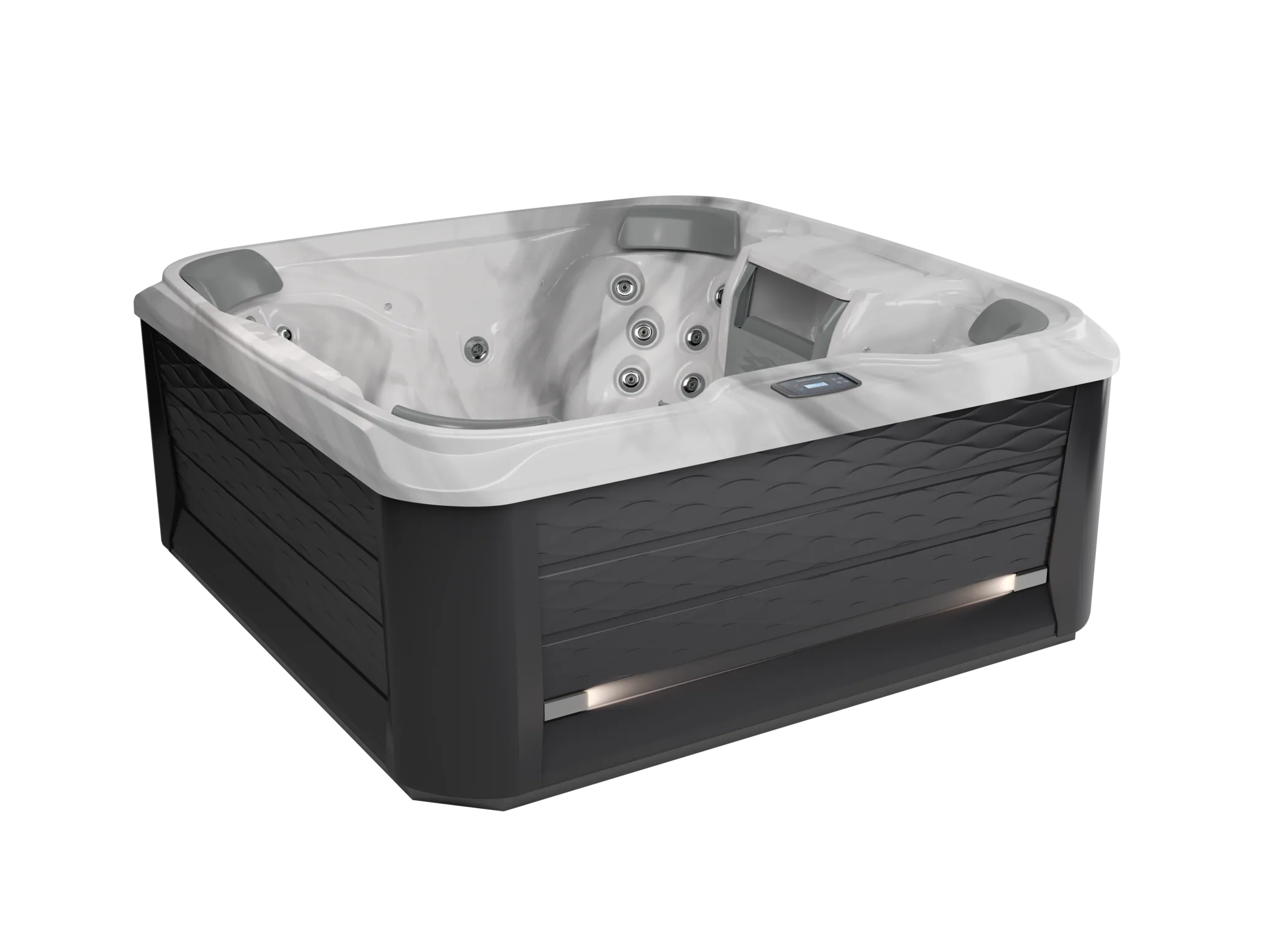
Seating:
Seats

Start exploring the features Sundance® spas have to offer, and learn how to make spa time a focal point in your journey to share meaningful moments with the people you love.
Seating:
Seats
Seating:
Seats


.jpg)