

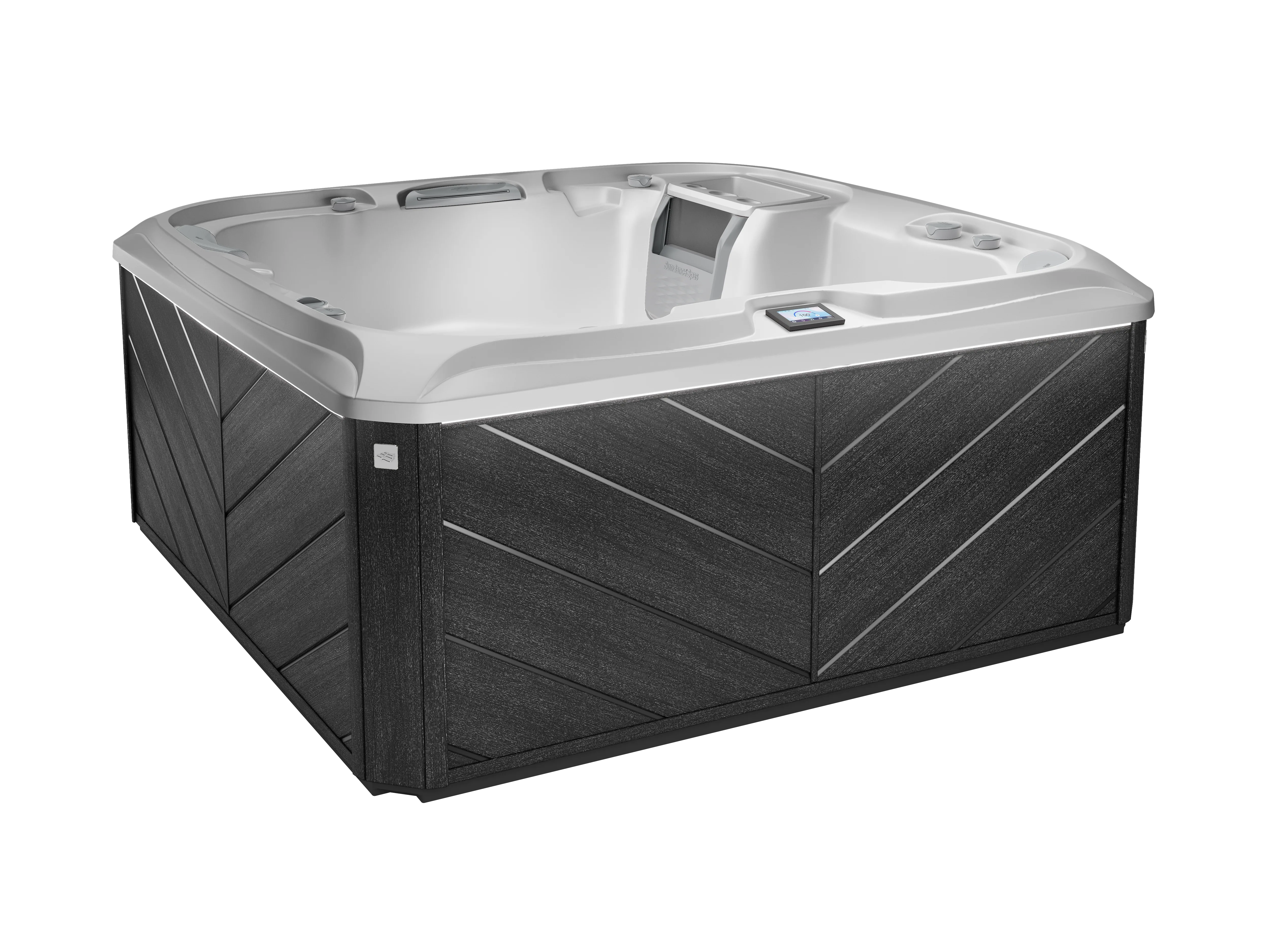
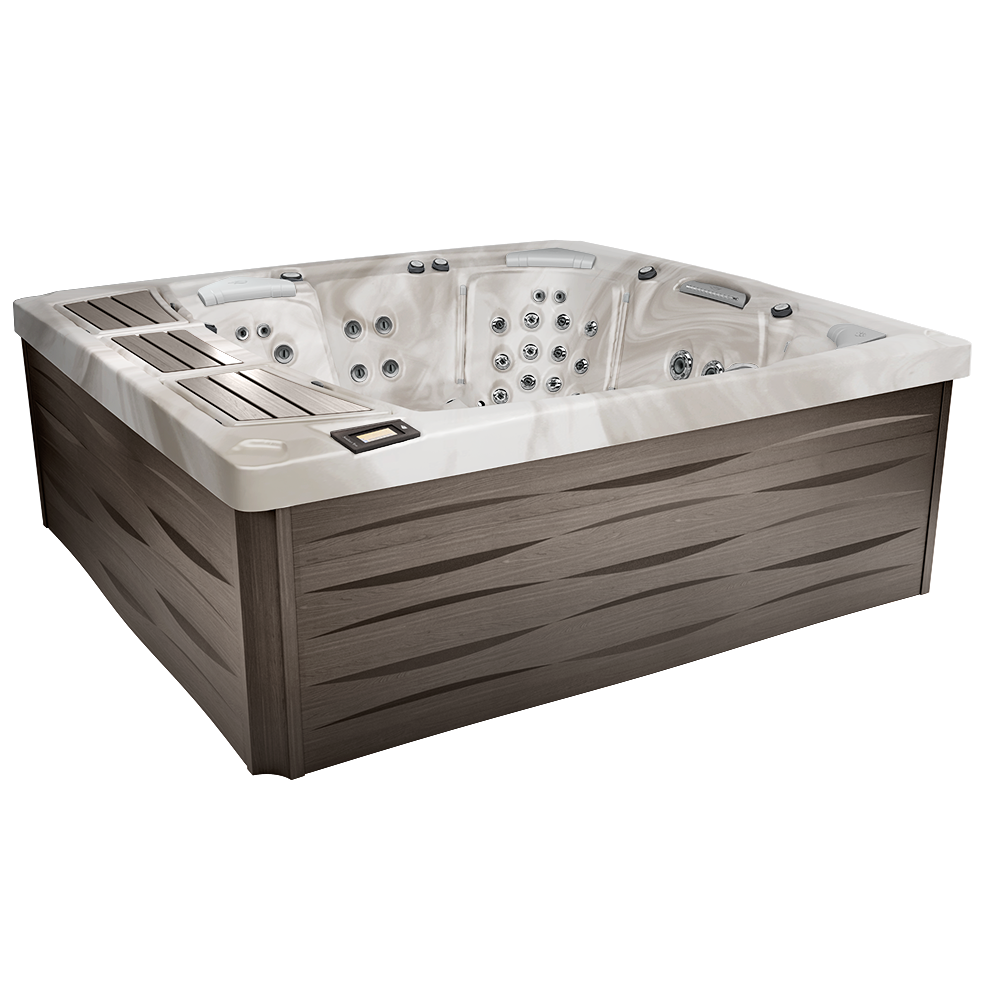
780™ Series
Bristol™ – 780™ Series
Seating:
5-6
Lounge SeatSeats
Fluidix Jet
Energy Efficient
$$$$
MSRP$16899
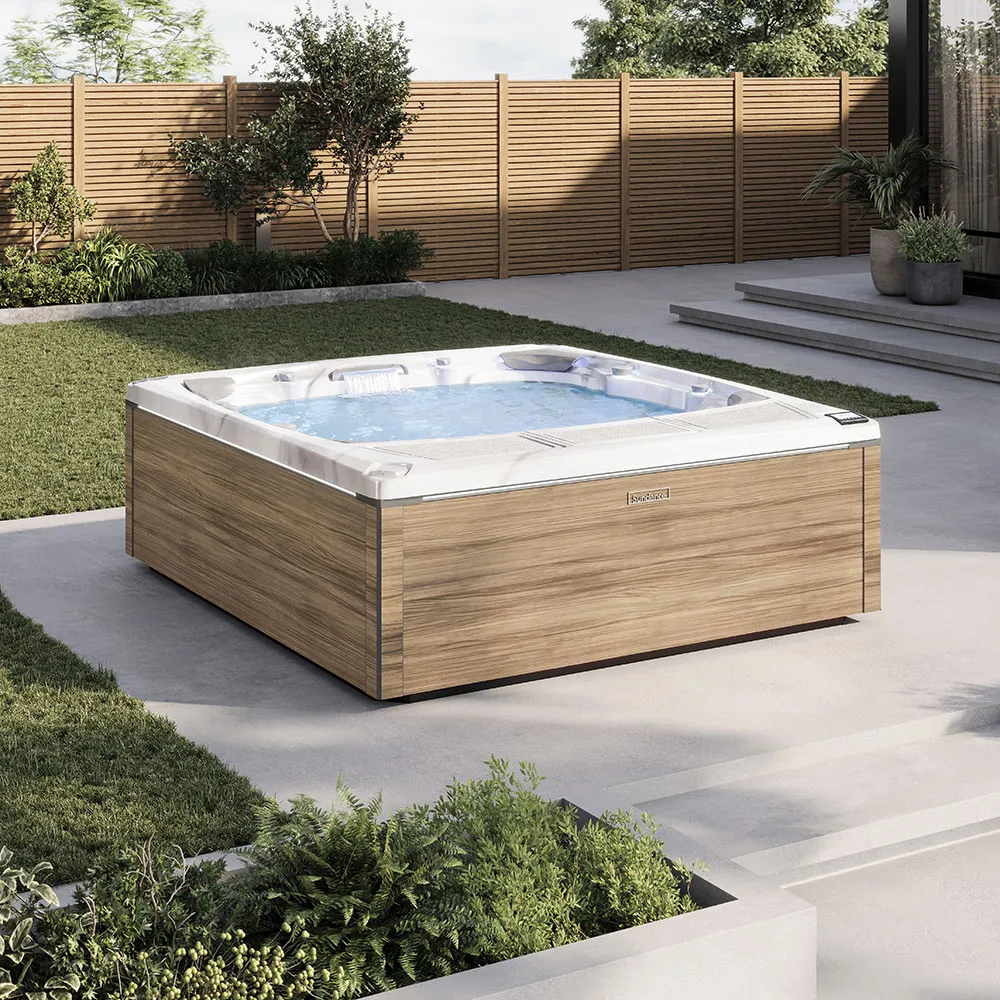
Make a bold statement with a superbly crafted spa, rich with features that are ideal for entertaining or simply relaxing.

Our best-selling spas offer an ideal balance of advanced features, premium comfort, and transformative hydrotherapy.

All the right features for all your best moments, at a value that makes it all possible. Now it's time to make it all happen.
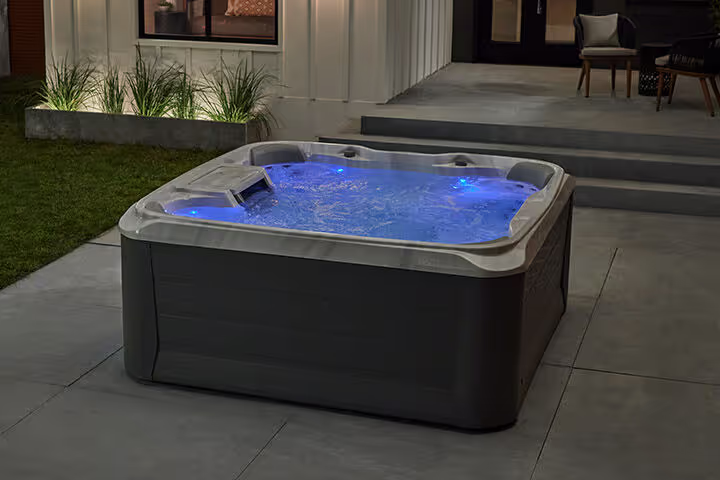
It's easy to love the 680 Series spa for all the fun and relaxing moments, but you'll also appreciate its superior durability and value.
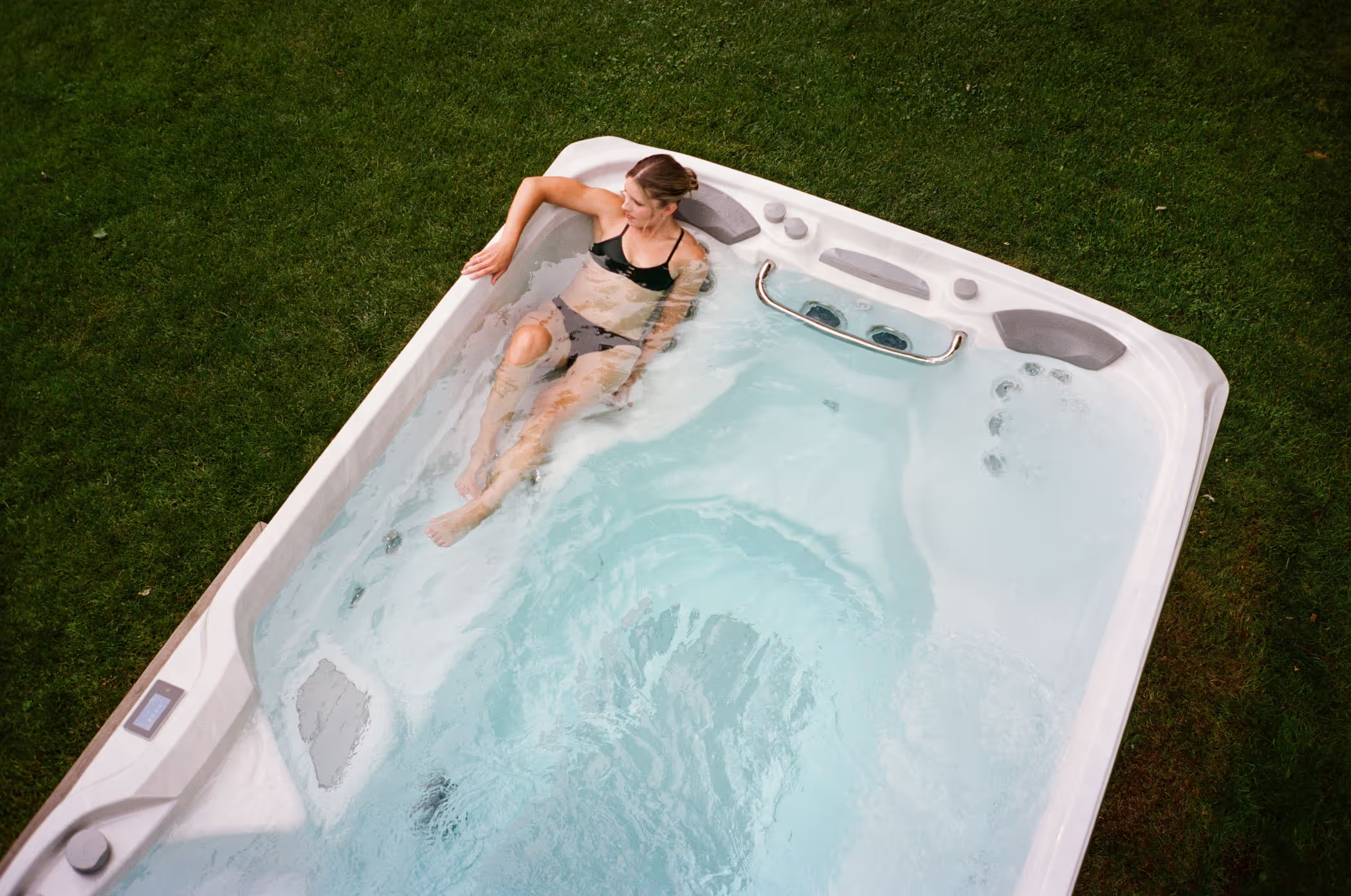
It's easy to love a swim spa for the daily movement and water time it brings, but you'll also appreciate how seamlessly it fits an active life at home.

Every Sundance® spa is built to maximize relaxation with features that make spa ownership a breeze so you can enjoy your new spa with confidence.
Find Your Spa
Explore Sundance models to find the perfect spa for you.


Ashley Field is director of sales training at Jacuzzi Group, where she leads global training strategy and development across multiple brands. Since joining in 2016, she has focused on building programs that align teams, support business goals, and enhance the customer experience. Field holds a bachelor’s degree in industrial design from Arizona State University and is a member of the Association for Talent Development.
Is owning a hot tub a lot of work?
It's one of the first questions people ask when they're thinking about buying a spa. And it's a fair one. Nobody wants to spend their weekends elbow-deep in equipment they don't understand. The good news is that hot tub maintenance is far more manageable than most people imagine — and once you've settled into a routine, it barely registers as a chore.
Here's what the reality actually looks like.
The weekly stuff (about 10 minutes)
A few times a week, you'll test the water. pH and sanitizer levels can drift depending on how often the spa is used, the weather, and even the products people bring in on their skin. Keeping them balanced isn't complicated — test strips or a simple digital tester do the job quickly — but it does matter. Water that's properly balanced is gentler on your skin, easier on the equipment, and just plain more enjoyable to soak in.
While you're at it, skim off any debris that's collected on the surface and wipe down the waterline. Lotions, sunscreen, and body oils have a habit of leaving a ring around the shell. A quick wipe keeps things looking clean and prevents buildup that's harder to deal with later.
That's really it for weekly upkeep. Most owners find they can knock it out in under ten minutes while the cover is off and the spa is warming up anyway.
The monthly check-in (about 30 minutes)
Once a month, give your filters some attention. Filters do a lot of quiet work — catching particles, keeping the water clear, protecting the pump — and they need to be cleaned regularly to keep doing it well. Most can be rinsed with a garden hose and reinstated the same day. Depending on usage, you'll replace them entirely once or twice a year.
This is also a good time to do a general once-over. Check the cabinet, the jets, the cover, and any fittings you can see. You're not looking for anything in particular — just making sure everything looks and sounds right. Catching a small issue early is always easier than dealing with it after it's had time to grow.
If the water chemistry has been running harder than usual — lots of people in and out, a stretch of hot weather, heavier use during the holidays — this is also when you might want to shock the water. Shocking is just a bigger dose of sanitizer that resets the water and clears out anything that's accumulated. It sounds more dramatic than it is.
The yearly reset
Once a year, it's time for a full drain and deep clean. You'll empty the spa completely, wipe down every surface inside the shell, clean the jets and fittings, and refill with fresh water. It's the most involved task on the list, but it's also only once a year — and there's something satisfying about starting fresh.
This is also when most owners schedule a professional checkup. A technician can inspect the components you can't easily access yourself — the heater, the pump, the plumbing — and catch anything that needs attention before it becomes a problem. Think of it like a service appointment for your car. You don't need to do it constantly, but doing it consistently makes everything last longer and run better.
What actually makes maintenance feel easy
The difference between spa ownership feeling like a burden and feeling effortless usually comes down to two things: good habits and good equipment.
Good habits just mean doing the small things consistently rather than letting them pile up. A ten-minute check a few times a week is dramatically easier than spending an afternoon trying to correct water that's been off for weeks. The same logic applies to filters, to the cover, to all of it. Small and regular beats big and occasional every time.
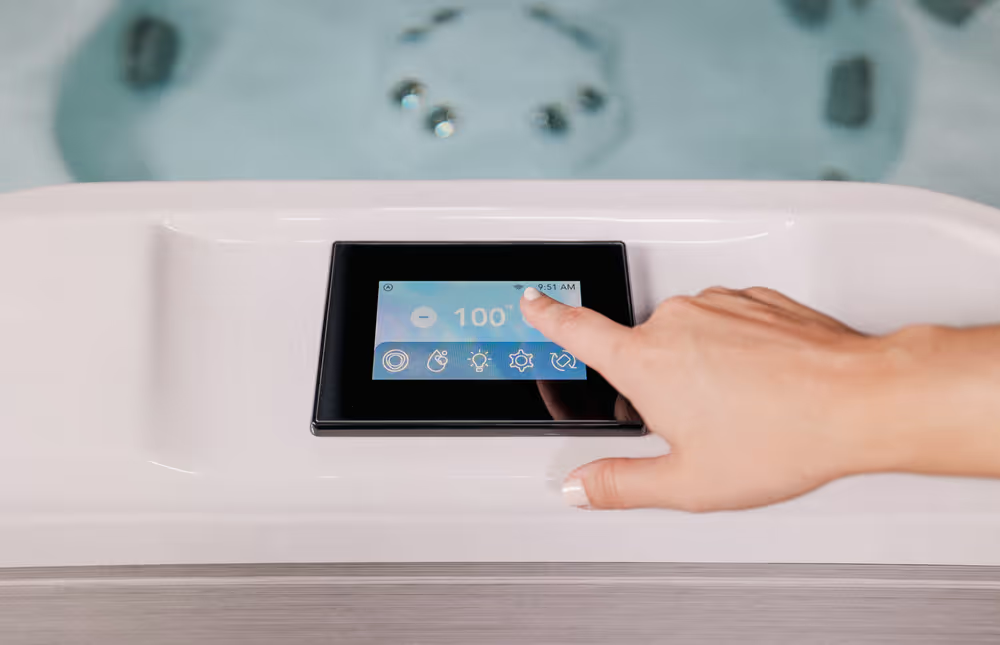
Good equipment matters just as much. Sundance® spas are engineered with this in mind. The water care systems are designed to do more of the heavy lifting for you — maintaining water quality with less intervention, making it easier to keep things balanced without a chemistry degree. The controls are intuitive, the components are built for longevity, and the overall design is meant to support an ownership experience that feels effortless rather than high-maintenance.
A note on water chemistry (it's simpler than it sounds)
Water chemistry is probably the thing that intimidates new owners most. The terminology can sound technical, and the idea of managing pH, alkalinity, and sanitizer levels can feel like something out of a lab. In practice, it's much simpler.
You're essentially keeping three things in range: the pH (how acidic or alkaline the water is), the total alkalinity (which helps the pH stay stable), and the sanitizer level (which keeps the water clean and safe). Test strips give you a reading in seconds. If something is off, you add a small amount of the appropriate product and retest. Most adjustments are minor and take effect quickly.
The more you do it, the more intuitive it becomes. Most experienced spa owners can look at their water and have a rough sense of where things stand before they even pick up a test strip.
The bottom line
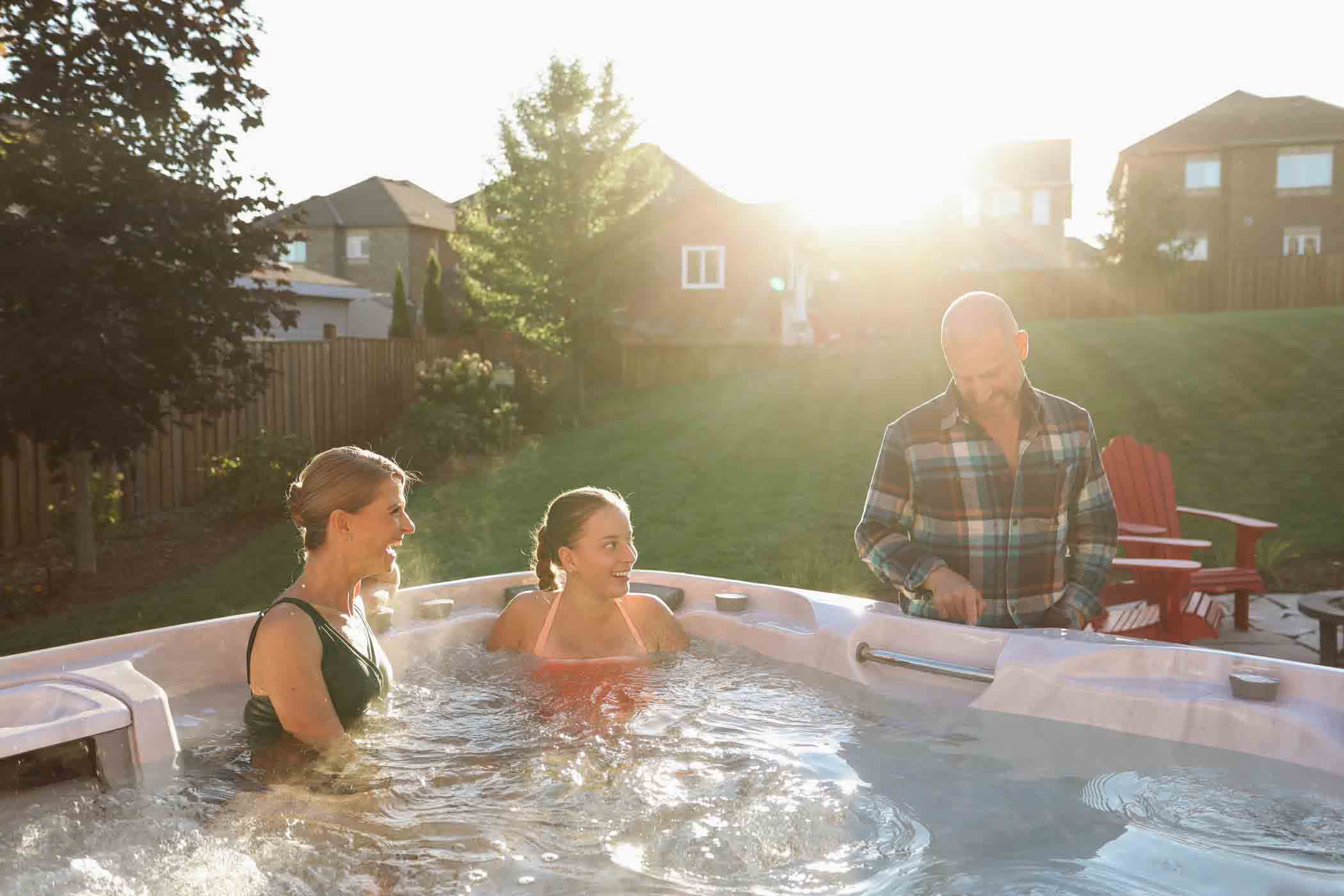
Hot tub maintenance is real — but it's not hard. It's a small, regular investment of time that pays off every time you lower yourself into warm water at the end of a long day, or gather with people you care about on a quiet evening outside. The spa takes care of you. You take care of the spa. It's a pretty good trade.
If you're still on the fence about whether ownership is right for you, the best thing you can do is talk to someone who has one. Almost universally, the answer you'll hear is: I wish I'd done it sooner.
Seating:
Seats

Seating:
Seats

Start exploring the features Sundance® spas have to offer, and learn how to make spa time a focal point in your journey to share meaningful moments with the people you love.
Seating:
Seats

Seating:
Seats







.avif)