

Swim Spas
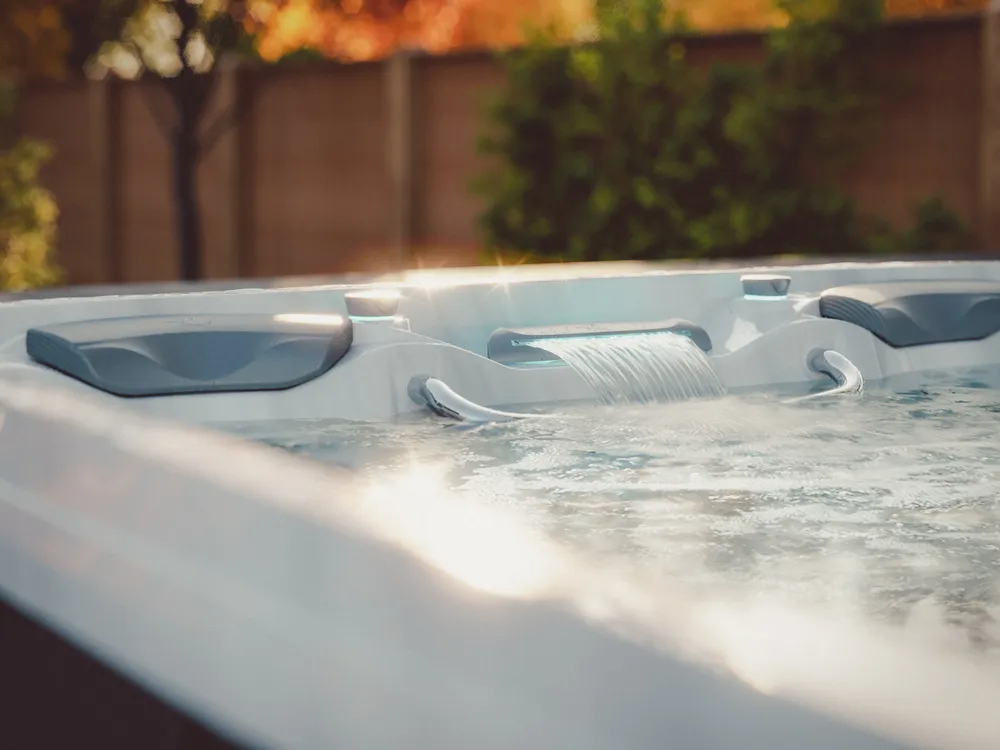
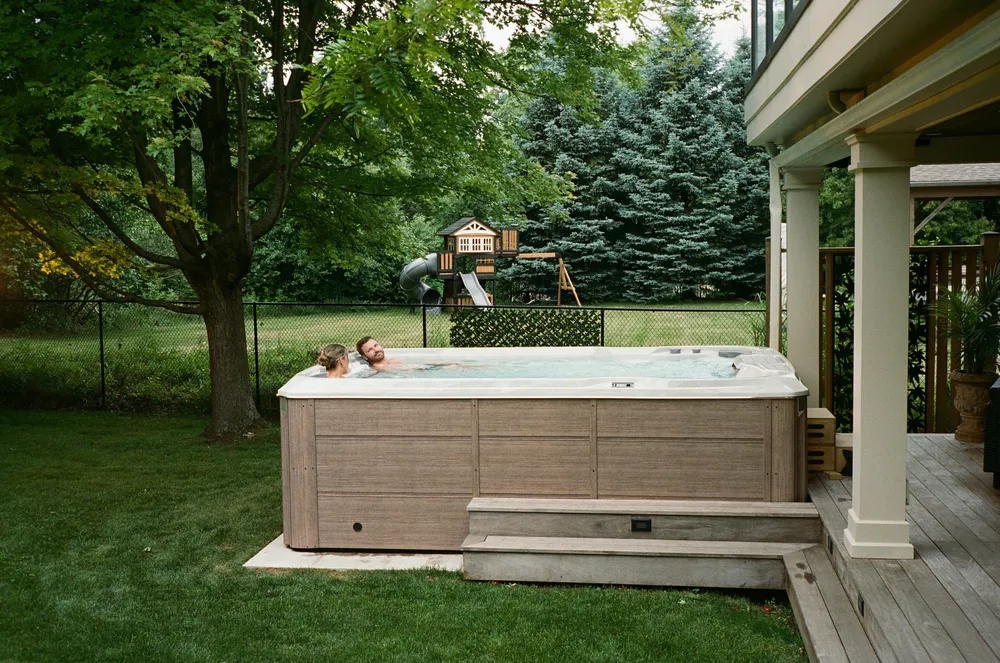
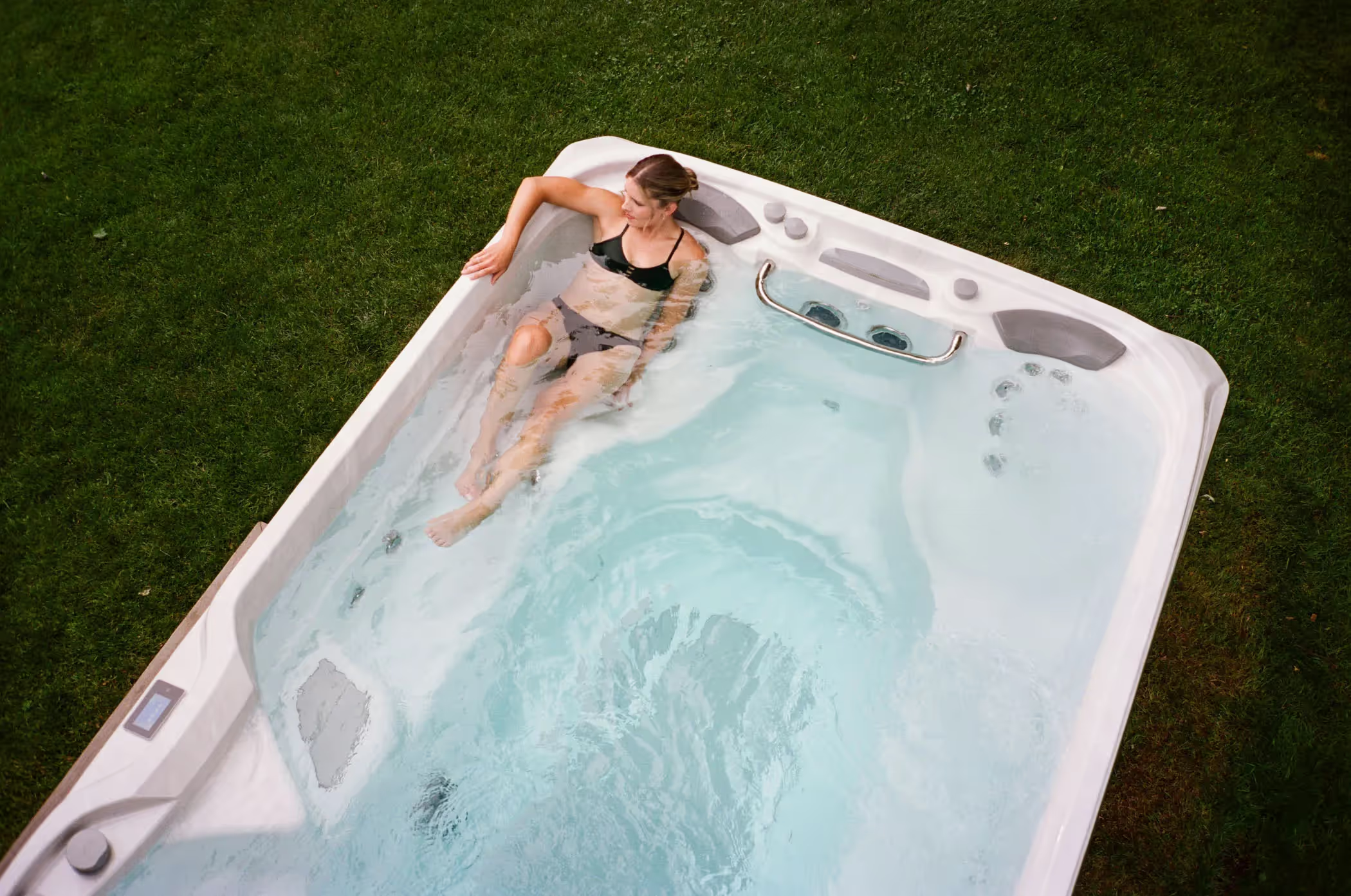
Sundance 17 Surf™
Seating:
4-6
Seats
Therapy & Recovery
SmartTub System
$$$$$
MSRP$53599
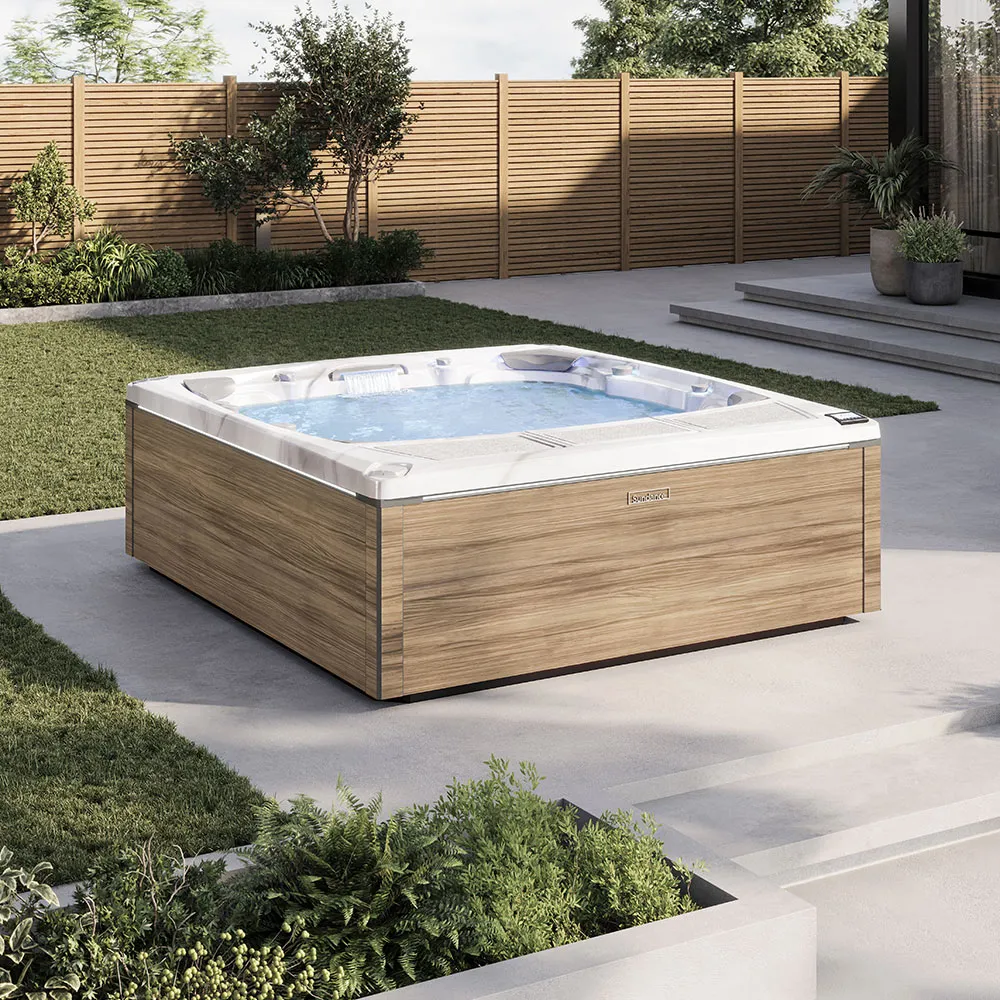
Make a bold statement with a superbly crafted spa, rich with features that are ideal for entertaining or simply relaxing.

Our best-selling spas offer an ideal balance of advanced features, premium comfort, and transformative hydrotherapy.

All the right features for all your best moments, at a value that makes it all possible. Now it's time to make it all happen.
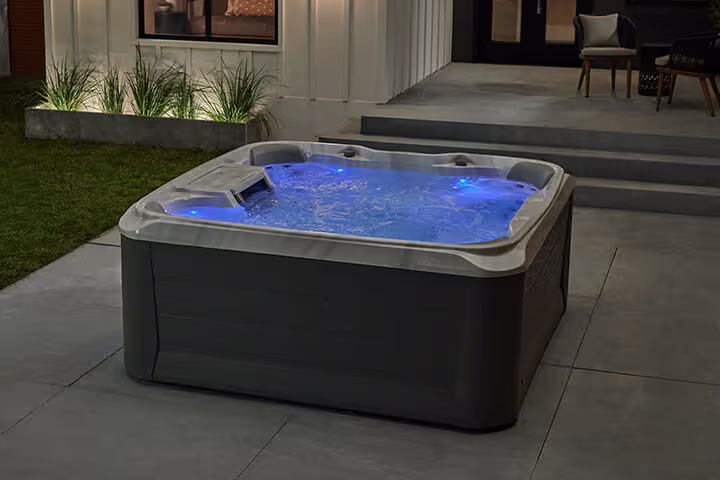
It's easy to love the 680 Series spa for all the fun and relaxing moments, but you'll also appreciate its superior durability and value.
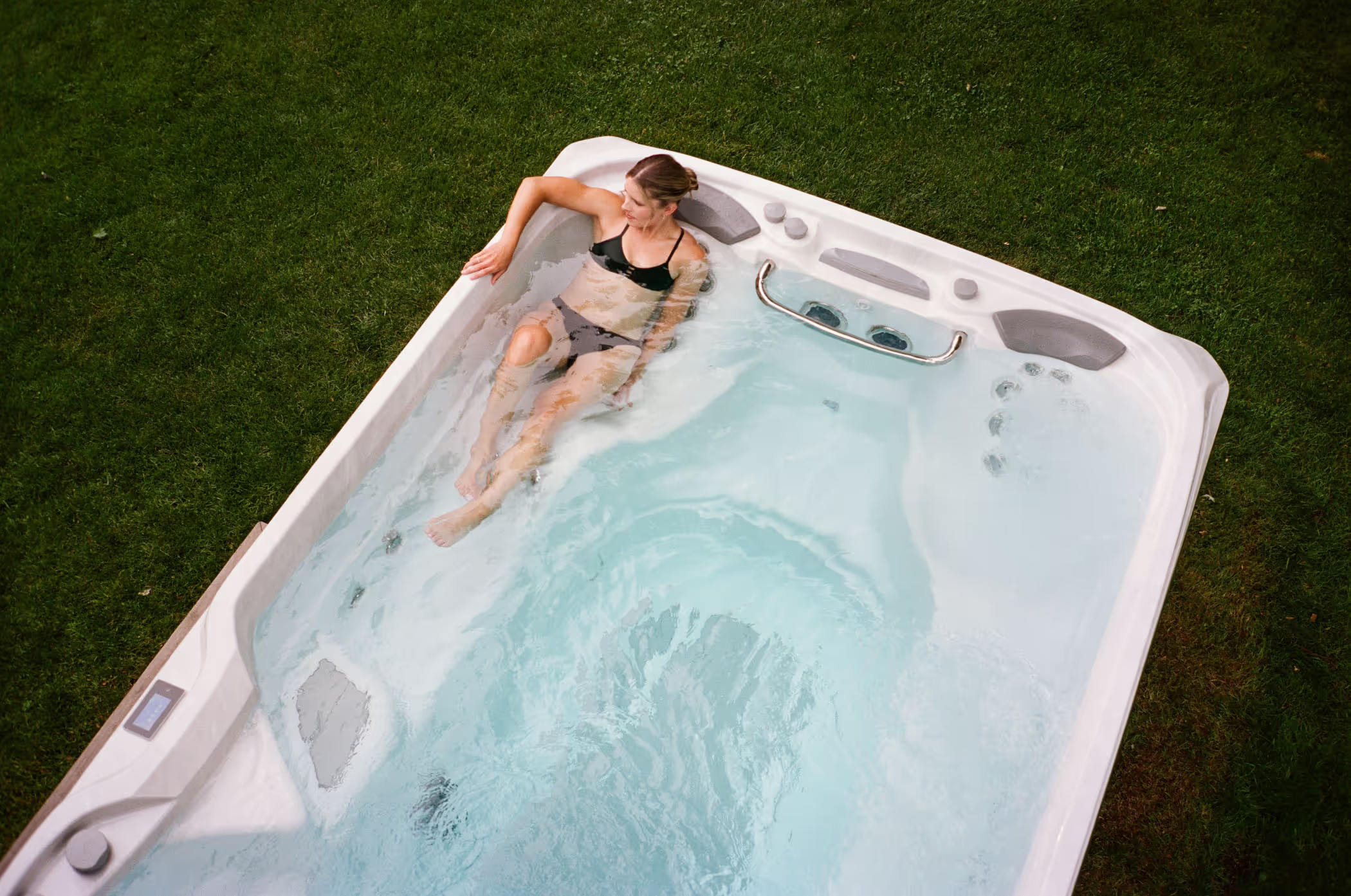
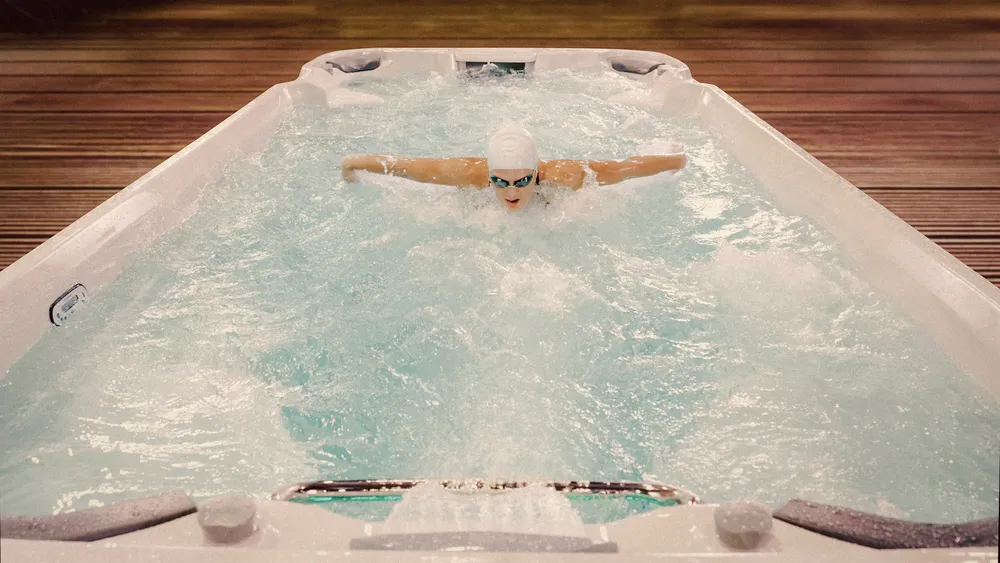
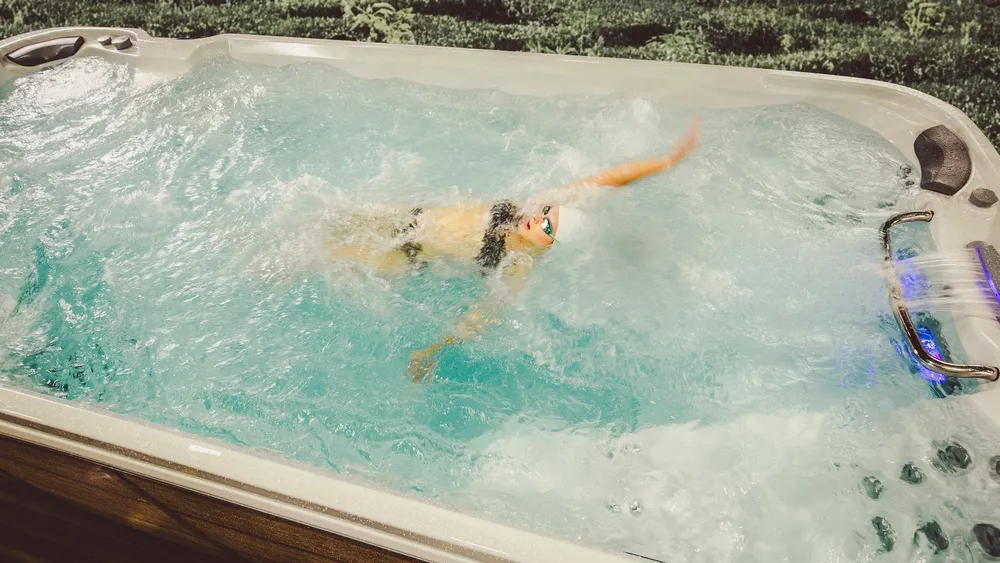
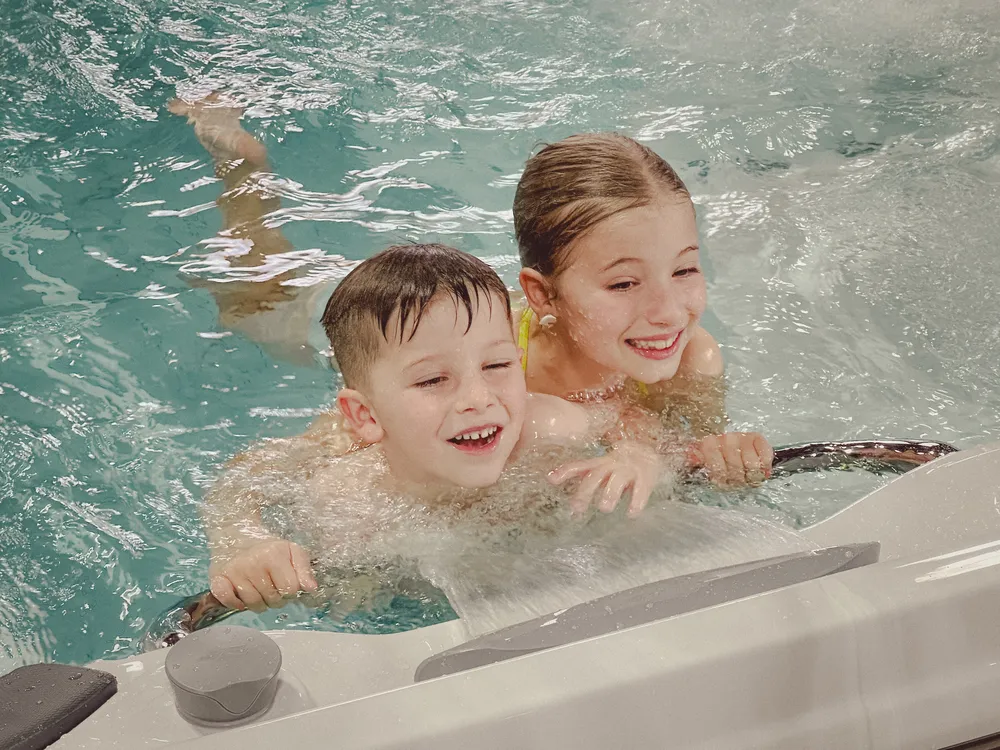
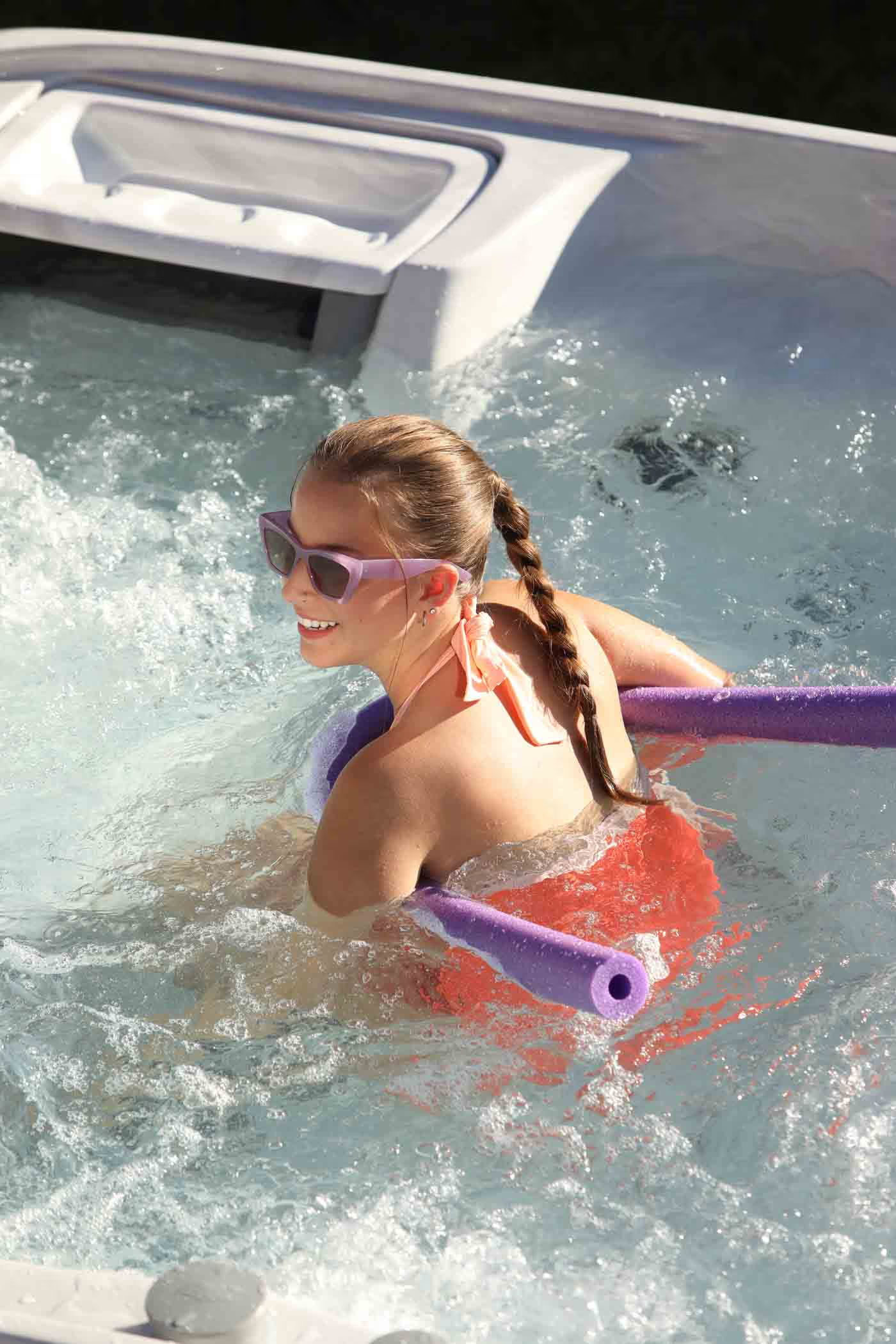
It's easy to love a swim spa for the daily movement and water time it brings, but you'll also appreciate how seamlessly it fits an active life at home.

Every Sundance® spa is built to maximize relaxation with features that make spa ownership a breeze so you can enjoy your new spa with confidence.
Find Your Spa
Explore Sundance models to find the perfect spa for you.


Erica Moir is vice president of design and advanced technologies at Jacuzzi Group, where she leads product innovation across spa and bath categories. With more than 22 years at the company, she has held leadership roles in marketing, product design, and development across North America and Europe. Moir is passionate about driving creative, sustainable solutions that enhance both product performance and customer experience. She holds degrees in industrial and product design from Fanshawe College and fine arts from the University of Windsor.
Selecting the best swim spa materials is critical for durability, maintenance, and performance. This guide explores acrylic, fiberglass, vinyl, and concrete materials, helping you choose the right one for your swim spa materials needs.
When it comes to swim spas, the material you choose plays a pivotal role in determining the overall experience. Swim spa materials include a variety of options, each with its unique benefits and drawbacks. Commonly used materials in commercial swim spas include lightweight acrylic shells and fiberglass shells. These materials are popular for their durability and ease of maintenance.
For those considering a custom swim spa, durable materials such as concrete and concrete blocks are highly recommended. Concrete swim spas offer a high degree of customization, allowing you to create a spa that perfectly fits your backyard oasis. The choice of material also affects the swim spa’s resistance to environmental factors, including moisture and algae growth.
Selecting the right material is crucial for ensuring your swim spa provides years of enjoyment without frequent repairs or replacements. Different materials offer varying levels of durability, maintenance requirements, and aesthetic appeal. Understanding these factors will help you make an informed decision that aligns with your needs and preferences.
Acrylic is one of the most common materials used for swim spa shells. Its popularity stems from a sleek design and excellent heat retention, making it an ideal choice for those who want a spa that looks as good as it performs. The smooth, glossy surface of acrylic swim spas is not only visually appealing but also makes cleaning a breeze. However, acrylic swim spas may require extra structural support to prevent stress cracks, especially if they are large.
While acrylic swim spas are known for their aesthetic appeal and functionality, they do come with certain drawbacks. Prolonged exposure to sunlight can make the material brittle and lead to color fading. Despite these potential issues, high-quality acrylic shells can last between 15 to 20 years, providing a durable and long-lasting option for your backyard oasis.
Fiberglass swim spas are renowned for:
These features minimize maintenance requirements and ensure the compact luxury spa crafted with quality components remains visually appealing over time, and this fun course plan helps maintain its aesthetic appeal to relax once it is completed, allowing for a seamless flow of enjoyment.
Another significant advantage of fiberglass swim spas is their longevity. With proper care, a fiberglass swim spa can last between 25 to 30 years, significantly outlasting many other materials. This durability, combined with their low maintenance needs, makes fiberglass swim spas an excellent investment for those seeking a long-term solution.
Vinyl-lined swim spas are often the go-to choice for budget-conscious homeowners because:
However, vinyl-lined swim spas come with their own set of challenges:
Concrete swim spas are the epitome of customization and durability. They allow for various designs and features that can be tailored to individual preferences, making them a popular choice for those who want a truly personalized swim spa. One of the major advantages of concrete swim spas is their durability. They can withstand various weather conditions and provide a long-lasting option for your backyard oasis.
However, the installation process for concrete swim spas is typically longer compared to other types of swim spas. It often requires a foundation and additional construction, which can increase the overall installation time and costs. Despite these challenges, the heavy thermal mass of concrete helps maintain water temperature, potentially reducing heating costs over time.
Concrete swim spas are highly customizable but come with higher installation and upkeep costs due to their porous nature. Regular maintenance is essential to prevent issues such as cracking and algae growth. Nonetheless, for those who prioritize durability and customization, concrete swim spas remain an excellent choice.
When it comes to durability, each swim spa material has its own set of advantages and challenges. Fiberglass swim spas, for instance, typically last between 25 to 30 years, making them one of the most durable options available. Their smooth, non-absorbent surface resists algae and staining, reducing the need for frequent maintenance.
Acrylic swim spas, although durable, can become brittle and lose their color when subjected to prolonged sunlight exposure. High-quality acrylic shells can endure for 15 to 20 years, although they may show cosmetic wear such as fading over time.
Vinyl-lined swim spas, while affordable, require regular maintenance to prevent issues such as punctures and UV fading. Concrete swim spas, on the other hand, offer unparalleled durability and customization options but come with higher installation and upkeep costs due to their porous nature. Environmental factors like UV exposure can lead to fading and deterioration of spa surfaces, affecting their overall durability.
Regular maintenance is necessary for all swim spas. This ensures the water remains clean, clear, and safe. This involves regular testing and balancing of water chemistry, adding necessary chemicals, and keeping a mineral filtration system to simplify upkeep. Fiberglass swim spas, thanks to their smooth, non-absorbent surface, require less chemical maintenance compared to concrete and vinyl options. The gelcoat surface of fiberglass swim spas is designed to resist algae growth, further minimizing the maintenance requirements.
Acrylic swim spas typically require heavy covers for protection against environmental elements, which is a vital maintenance aspect in the air. They are compatible with saltwater systems that can be harsh on other pool materials, but improper maintenance can lead to contact issues.
Vinyl-lined swim spas, on the other hand, require regular checks on water chemistry and cleaning to prevent algae growth, which is essential for maintaining their lifespan.
Long-term care for all swim spas includes ensuring components like pumps and heaters are serviced and recognizing they usually need replacement every 7 to 10 years. This regular maintenance is crucial for ensuring the longevity of your swim spa and maximizing your investment.
Selecting the right swim spa material is crucial for ensuring it performs well in your specific climate. For cold climates, consider the following:
The heavy thermal mass of concrete can help maintain water temperature, potentially reducing heating costs over time. This makes concrete swim spas a viable option for those living in colder regions.
Conversely, in warmer climates, materials that resist UV fading and deterioration, such as fiberglass, are more suitable. By considering your climate, you can ensure your swim spa remains functional and efficient year-round.
The choice of materials significantly impacts the customization possibilities and aesthetic appeal of swim spas. For example, vinyl-lined swim spas provide substantial customization possibilities, allowing homeowners to select unique shapes, sizes, and designs that suit their personal preferences and backyard dimensions. Concrete swim spas are also highly customizable, allowing for various designs and features that can be tailored to individual preferences.
Incorporating additional elements can enhance the visual appeal and create a tranquil atmosphere around swim spas:
However, it’s important to note that while acrylic swim spas offer a sleek design, their aesthetic is often less appealing than that of traditional swimming pools, resembling large spa vessels. By carefully selecting materials and additional customization options, you can create a luxurious and enjoyable space that reflects your lifestyle and preferences.
When planning your swim spa purchase, it’s important to consider the different swim spa costs and what they include. Swim spas are categorized into three primary price tiers: entry-level ($15,000-$17,000), mid-range ($18,000-$20,000), and high-end (starting at $30,000). The overall cost of swim spas can vary significantly based on size, features, and brand reputation.
Installation expenses for swim spas may increase due to factors like terrain challenges and equipment needed for proper placement. Ongoing monthly costs to operate a swim spa are typically between $50 and $100, with total yearly maintenance and supply costs ranging from $1,000 to $2,500. High-quality swim spas often come with better insulation, which can lead to lower energy bills over time.
It’s crucial to focus on long-term savings and benefits when considering how to spend your budget in dollars. Affordable swim spas from manufacturers that offer unusually low prices may signal compromised quality. By investing in a high-quality swim spa, you can ensure better durability, lower maintenance costs, and a more satisfying overall experience.
Choosing a reputable manufacturer is crucial for ensuring quality materials and craftsmanship in swim spas. Buyers should consider the trustworthiness and reputation of the brand when selecting a swim spa manufacturer. A warranty of at least 2 years indicates a manufacturer’s confidence in the durability and performance of their swim spas.
Prioritizing manufacturers known for their reputation can lead to a better investment and a more satisfying best swim spa experience. By choosing a well-established brand, you can ensure that your swim spa is built to last and purchased backed by reliable customer support.
In conclusion, choosing the right material for your swim spa is crucial for ensuring durability, low maintenance, and a satisfying overall experience. Acrylic, fiberglass, vinyl-lined, and concrete swim spas each offer unique benefits and drawbacks. Acrylic swim spas are known for their sleek design and heat retention, while fiberglass swim spas offer excellent durability and thermal efficiency. Vinyl-lined swim spas are budget-friendly and customizable, while concrete swim spas provide unparalleled durability and customization options.
By considering factors such as climate, maintenance requirements, customization possibilities, and budget, you can make an informed decision that aligns with your needs and lifestyle. Remember to choose a reputable manufacturer to ensure quality materials and craftsmanship. With the right swim spa material, you can enjoy years of relaxation, exercise, and fun in your backyard oasis.
The go-to materials for swim spas are acrylic, fiberglass, vinyl-lined, and concrete. Each offers different benefits, so you can choose what fits your needs best!
You can expect your fiberglass swim spa to last 25 to 30 years if you take good care of it. That's a solid investment for years of enjoyment!
To keep your vinyl-lined swim spa in top shape, make sure to regularly check the water chemistry, clean it to avoid algae, and plan for liner replacements every 10 to 15 years. Staying on top of these maintenance tasks will ensure a great swimming experience!
It's crucial to pick a reputable swim spa manufacturer because it guarantees high-quality materials and craftsmanship, which means you'll enjoy a more durable and satisfying spa experience. Trust matters in making your investment worthwhile!
Swim spas generally fall into three price tiers: entry-level options range from $15,000 to $17,000, mid-range ones are priced between $18,000 and $20,000, and high-end models start at around $30,000. So, you can find something that fits your budget!
Seating:
Seats

Seating:
Seats

Seating:
Seats

Start exploring the features Sundance® spas have to offer, and learn how to make spa time a focal point in your journey to share meaningful moments with the people you love.