
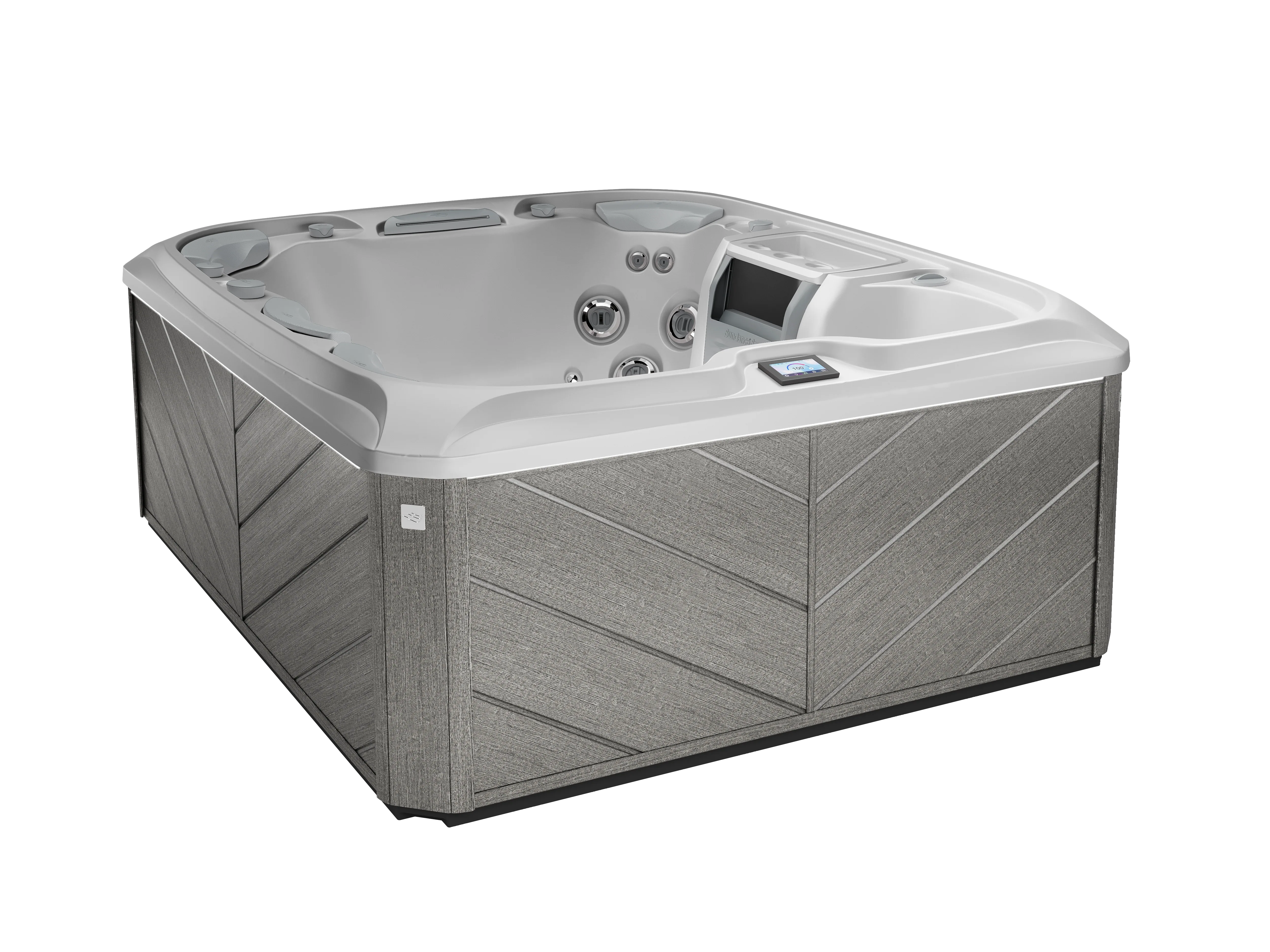
Serie 880™
Marin® – 880™ Series
Seating:
4-5
Asiento de salónSeats
Perfil bajo
Eficiencia energética
Fluidix Jet
Sistema SmartTub
Terapia y recuperación
$$$$
MSRP$21599
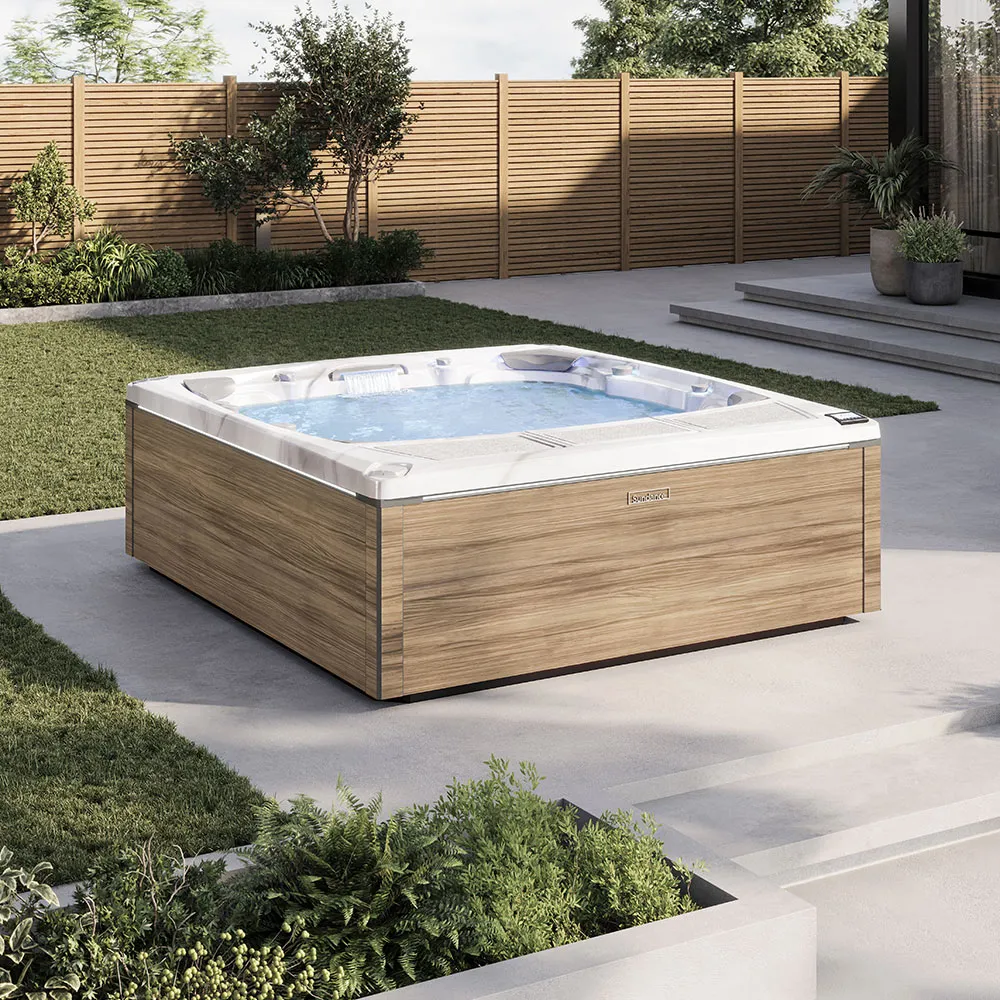
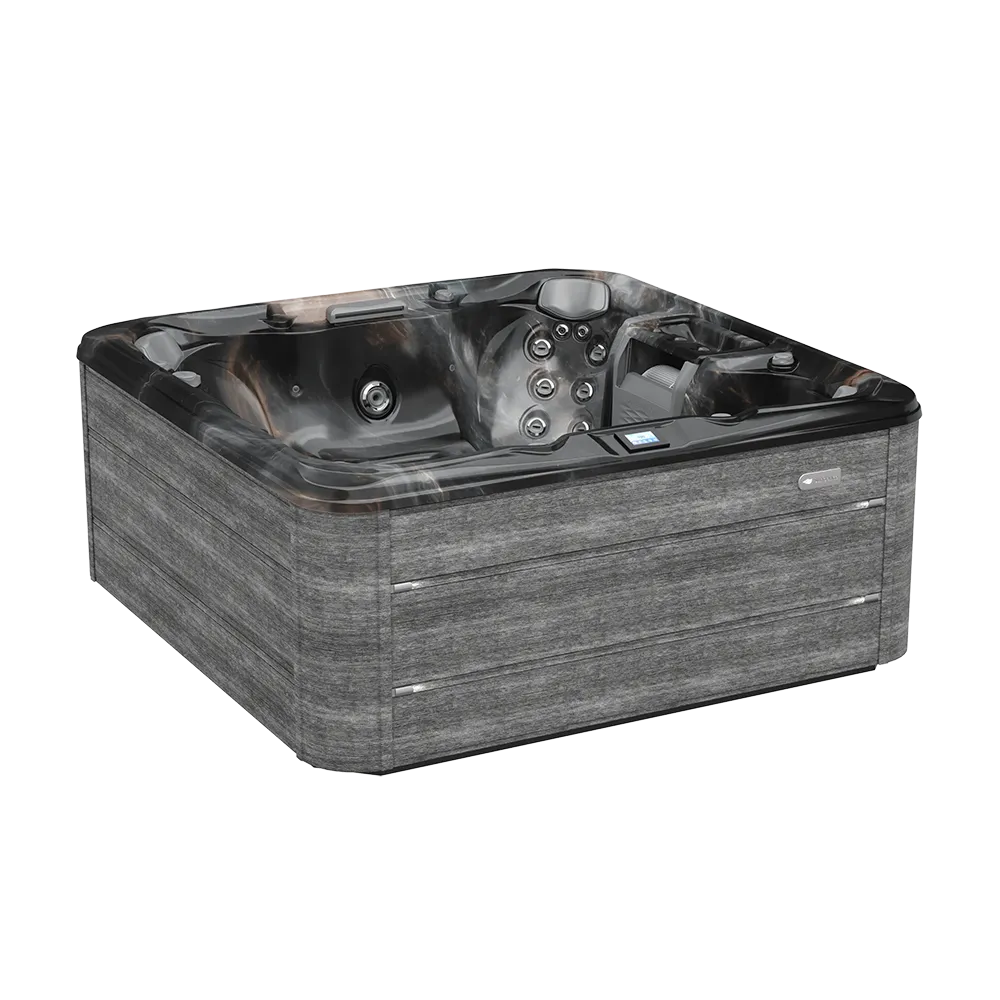
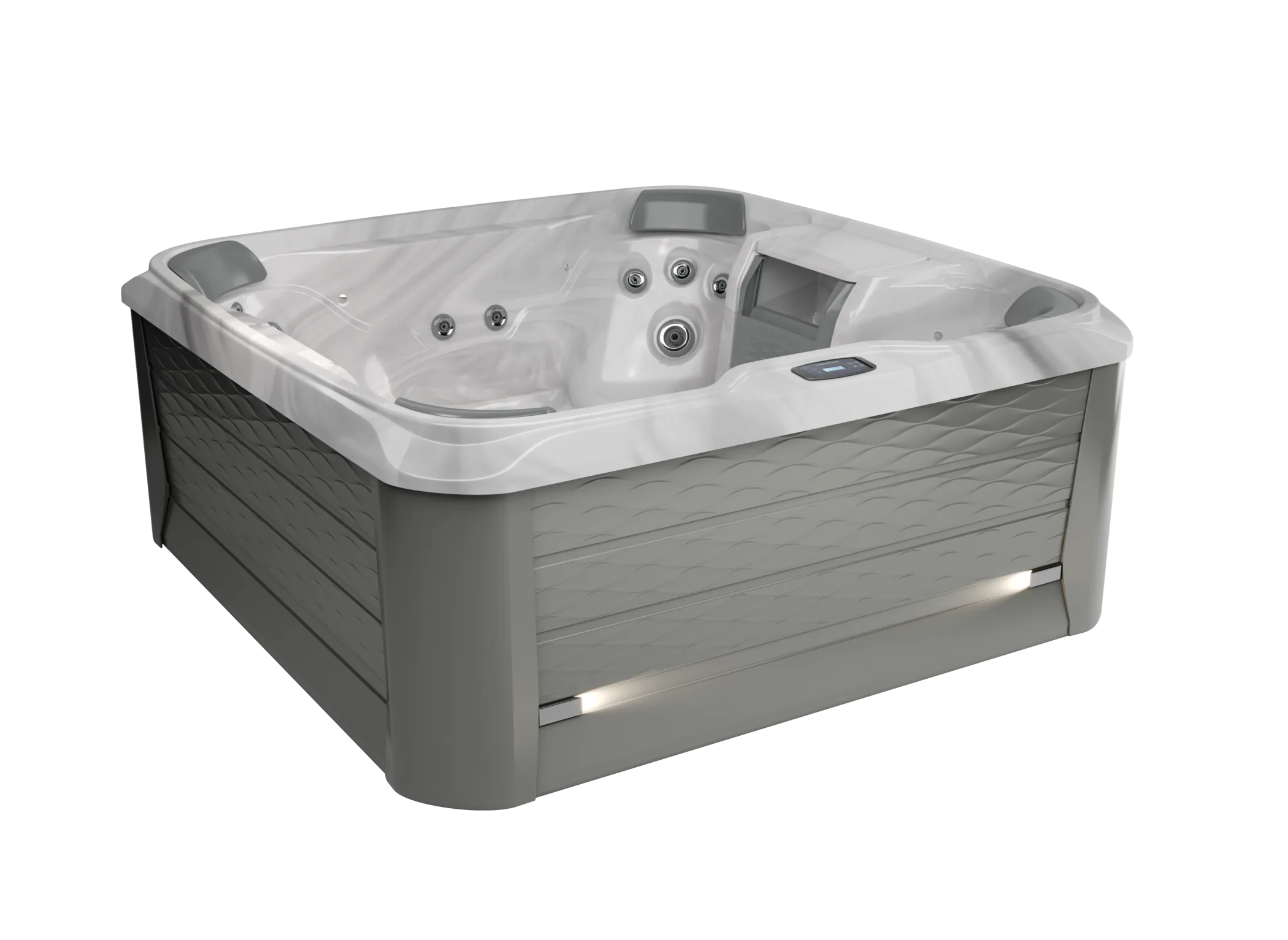
Haga una declaración audaz con una tina de hidromasaje magníficamente diseñada, rica en características que son ideales para entretenerse o simplemente relajarse.

Nuestras tinas de hidromasaje más vendidas ofrecen un equilibrio ideal entre funciones avanzadas, confort de primera calidad e hidroterapia transformadora.

Todas las funciones adecuadas para tus mejores momentos, a un precio que lo hace todo posible. Ahora es el momento de hacer que todo suceda.
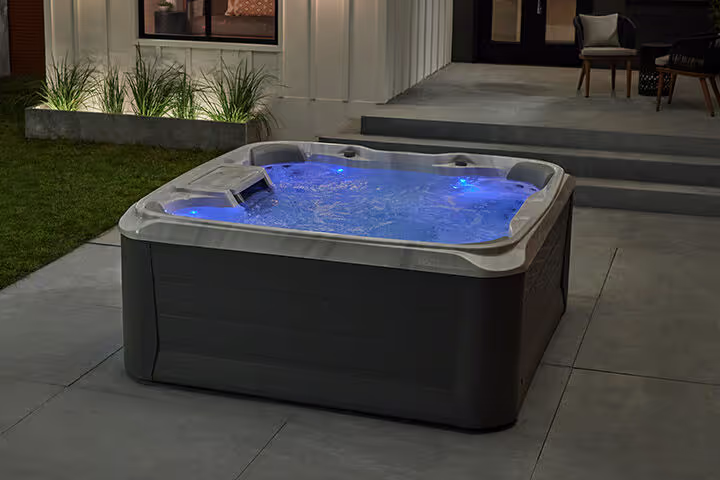
Es fácil que te encante la tina de hidromasaje de la serie 680 por todos los momentos de diversión y relajación, pero también apreciarás su durabilidad y valor superiores.

Es fácil que te encante un spa de natacion por el movimiento diario y el tiempo que pasa en el agua, pero también apreciarás lo bien que se adapta perfectamente a una vida activa en casa.

Todos los spas Sundance® están diseñados para maximizar la relajación con características que facilitan la propiedad de un spa para que pueda disfrutar de su nuevo spa con confianza.
Encuentra tu tina de hidromasaje
Explore los modelos de Sundance para encontrar la tina de hidromasaje perfecta para usted.

.jpg)

Ashley Field es directora de capacitación en ventas en Jacuzzi Group, donde dirige la estrategia y el desarrollo de capacitación global en múltiples marcas. Desde que se unió en 2016, se ha centrado en crear programas que alineen a los equipos, respalden los objetivos comerciales y mejoren la experiencia del cliente. Field tiene una licenciatura en diseño industrial de la Universidad Estatal de Arizona y es miembro de la Asociación para el Desarrollo del Talento.
Nothing disrupts the tranquil escape of your Sundance Spa quite like cloudy water or reduced water flow. Your spa’s filtration system works tirelessly to keep your water crystal clear, but only when properly maintained. Learning how to clean hot tub filters isn’t just about equipment care—it’s about preserving those perfect moments of connection and relaxation that drew you to spa ownership in the first place.
Sundance Spas utilize advanced cartridge-style filtration systems designed for both efficiency and ease of maintenance. These cylindrical filter cartridges contain pleated filter media made from durable polyester and polypropylene materials, maximizing surface area for superior debris capture. Understanding your filter’s design helps you maintain it properly and extend its life while keeping your hot tub water pristine.
Your Sundance Spa’s filtration system serves as the guardian of water quality and equipment longevity. When dirty filter cartridges become clogged with debris, they create a cascade of problems that can transform your wellness sanctuary into a maintenance headache.
Clogged spa filters force your Sundance circulation pumps to work harder, straining against restricted water flow. This increased workload leads to premature pump failure and costly repairs that could easily be prevented with regular filter maintenance. The additional strain also increases energy consumption, driving up operational costs while reducing the efficiency that makes your spa so enjoyable.
Beyond equipment protection, dirty filter media allows bacteria growth, body oils, lotions, and all the debris that naturally accumulates during spa use to circulate freely in your hot tub water. This contamination creates water quality problems that no amount of sanitizer can effectively address, leading to cloudy water, unpleasant odors, and potential health concerns that undermine the very wellness benefits you seek.
Your Sundance heating system also suffers when filter performance degrades. Restricted water flow prevents proper heat distribution, forcing the heater to work longer to maintain desired temperatures. This inefficiency not only wastes energy but can cause heating elements to overheat and fail prematurely.
Proper filter maintenance protects your Sundance warranty coverage by demonstrating responsible equipment care. Many warranty claims related to pump and heating system failures can be traced back to inadequate filter maintenance, making regular cleaning an investment in long-term spa protection.
The foundation of effective filter maintenance begins with a simple weekly rinse that prevents debris accumulation and maintains optimal water flow. This gentle maintenance routine takes just minutes but provides enormous benefits for your Sundance Spa’s performance.
Start by turning off power to your spa at the main breaker to ensure safe filter removal. Locate your Sundance filter compartment and carefully remove one hot tub filter, following your owner’s manual for specific removal procedures. Most Sundance models feature easy-lift handles or twist-lock mechanisms that make filter removal straightforward.
Once removed, inspect your filter for obvious damage such as torn filter pleats, cracked end caps, or excessive debris buildup. A quick visual check helps identify potential problems before they impact spa performance.
Using a standard garden hose equipped with a spray nozzle, begin rinsing your filter with moderate water pressure. Hold the hose at a 45-degree angle to the filter pleats, allowing water to flow between the folds and dislodge trapped debris. Work systematically from top to bottom, rotating the filter to ensure complete coverage.
Gently spread the filter pleats with your fingers while rinsing to remove hair, skin cells, and other debris that becomes trapped in the filter folds. This manual separation helps the spray penetrate deeper into the filter media, improving cleaning effectiveness. Pay special attention to the areas between pleats where oils and lotions tend to accumulate.
After thoroughly rinsing all surfaces, shake the filter gently to remove excess water, then set it aside to air dry completely. Never reinstall a wet filter in your Sundance Spa, as moisture trapped in the system can promote bacteria growth and reduce filter effectiveness.
The weekly rinse prevents filter media from becoming permanently clogged with debris, extending filter life and maintaining consistent water flow. This simple maintenance step keeps your spa ready for spontaneous relaxation sessions while protecting expensive equipment from unnecessary strain.
Monthly deep cleaning addresses the accumulated body oils, mineral deposits, and stubborn contaminants that weekly rinsing cannot remove. This more intensive process requires specialized filter cleaner designed specifically for spa applications.
Select a commercial filter cleaning solution appropriate for your Sundance filter type. Products like ecoTUB Filter Soak or Power Soak are formulated to break down oils and lotions without damaging delicate filter fibers. Avoid household cleaners, which can leave residue that causes foaming and water chemistry problems.
Remove your filter following the same safety procedures used for weekly cleaning. With the filter out of your spa, apply the cleaning solution using either direct application or a spray bottle for even coverage. Ensure the filter cleaner penetrates into all filter pleats, focusing on areas that appear discolored or heavily soiled.
Allow the cleaning solution to work for approximately 15 minutes, giving it time to break down oils and dissolve mineral buildup. During this waiting period, the specialized chemicals in the filter cleaner soften stubborn deposits that have bonded to the filter material.
After the treatment period, rinse the filter thoroughly with fresh water from your garden hose. This step is critical—any cleaning solution residue left on the filter can cause foaming when you restart your spa. Continue rinsing until water runs clear and you detect no chemical odor.
During monthly cleaning, carefully inspect your filter for signs of wear or damage. Look for thinning filter material, permanent discoloration, or any tears in the filter pleats. These indicators suggest your filter is approaching replacement time and may not provide adequate filtration.
Allow your clean filter to dry completely before reinstallation. This drying period prevents moisture-related problems and ensures your filter performs optimally when returned to service. Store clean, dry filters in a clean bucket or dedicated storage area to prevent contamination.
Quarterly deep cleaning coincides perfectly with your Sundance Spa water changes, providing an opportunity for thorough system maintenance. This intensive process removes the deepest contaminants and helps restore filter performance to like-new levels.
Prepare a five gallon bucket with the appropriate filter cleaning solution, following manufacturer dilution ratios carefully. Most commercial cleaners require mixing with warm water to achieve optimal effectiveness. Using hot water can accelerate the cleaning process, though always follow specific product guidelines.
Submerge your dirty filter completely in the cleaning solution, ensuring all filter pleats are covered. Weight the filter down if necessary to prevent floating, which can leave portions of the filter media untreated.
Allow the filter to soak overnight, giving the cleaning solution 24 hours to penetrate deeply into the filter material and dissolve accumulated contaminants. This extended contact time breaks down stubborn deposits that shorter cleaning cycles cannot address.
After the soaking period, remove the filter and rinse thoroughly with clean water. The extended chemical treatment often reveals how much debris had accumulated in the filter fibers—the rinse water may appear quite discolored initially.
Continue rinsing until water runs completely clear and no chemical odor remains. This thorough rinsing ensures no cleaning solution residue enters your spa water when you reinstall the filter.
Quarterly soaking provides the perfect opportunity to rotate between two filters if you maintain a spare set. While one filter undergoes intensive cleaning and drying, you can immediately install a clean backup filter, maintaining continuous spa operation without downtime.
The intensive quarterly process significantly extends filter life and maintains peak filtration performance. Many Sundance Spa owners find that filters receiving regular quarterly deep cleaning last well beyond the typical 12-18 month replacement cycle.
Cost-conscious spa owners can achieve effective filter cleaning using carefully selected household products, though safety and proper preparation are essential. These DIY approaches can save money while maintaining filter performance, but require attention to mixing ratios and thorough rinsing.
Before exploring homemade alternatives, understand that commercial filter cleaners are specifically formulated for spa applications and generally provide superior results. DIY solutions work best as occasional alternatives rather than complete replacements for purpose-made products.
Always test any homemade cleaning solution on a small, inconspicuous area of your filter before full application. Some filter materials may react unexpectedly to household chemicals, potentially causing damage that voids warranty coverage.
Safety considerations include wearing gloves when handling chemical solutions, working in well-ventilated areas, and keeping cleaning materials away from children and pets. Never mix different cleaning chemicals, as this can create dangerous reactions.
White vinegar provides a natural, environmentally friendly approach to filter cleaning that’s particularly effective against mineral deposits and scale buildup common in hard water areas.
Mix one part white vinegar with ten parts warm water in a clean bucket large enough to fully submerge your filter. The mild acidity in vinegar dissolves calcium and mineral deposits while being gentle enough not to damage filter fibers.
Soak your filter overnight in the vinegar solution, allowing the acid to work gradually on mineral buildup. Unlike harsh chemicals, vinegar requires extended contact time to achieve effective cleaning results.
After soaking, rinse the filter thoroughly with fresh water to remove all vinegar residue and dissolved minerals. The rinsing process is crucial—any remaining vinegar can affect your spa’s water chemistry balance when you reinstall the filter.
While effective for mineral deposits, vinegar has limitations when dealing with heavy oil and lotion buildup. Body oils require more aggressive cleaning agents, making vinegar most suitable for filters primarily dealing with mineral contamination rather than heavy bather loads.
Powder dishwasher detergent offers another cost-effective cleaning alternative, though product selection and preparation require careful attention to avoid potential problems.
Choose only powder dishwasher detergent that contains no bleach, fabric softeners, or fragrances. These additives can damage filter media or leave residues that cause persistent foaming in your spa water. Basic powder formulations work best for filter cleaning applications.
Mix one cup of powder dishwasher detergent with five gallons of warm water, stirring thoroughly to ensure complete dissolution. The proper mixing ratio prevents excessive suds while providing adequate cleaning strength.
Soak the filter completely for several hours, agitating occasionally to help the solution penetrate filter pleats. The detergent breaks down oils and organic matter while being less aggressive than many household cleaners.
Rinse extensively with clean water until no detergent residue remains. This step is absolutely critical—any soap residue left on the filter will cause immediate foaming when your spa operates, requiring complete water replacement to resolve.
TSP represents the most aggressive DIY cleaning option, effective for removing stubborn oils and grease that other methods cannot address. However, this approach requires careful handling and proper safety precautions.
Mix one cup of TSP with five gallons of warm water, stirring until completely dissolved. Always add TSP to water rather than water to TSP to prevent chemical reactions and ensure even mixing.
Wear gloves and work in a well-ventilated area when using TSP, as the chemical can irritate skin and respiratory systems. Keep the cleaning area away from plants and grass, as TSP can damage vegetation.
Soak the filter for several hours, checking periodically to monitor cleaning progress. TSP works quickly on organic deposits, often showing visible results within the first hour of treatment.
After soaking, neutralize any remaining TSP by rinsing thoroughly with clean water. Consider a final rinse with weak vinegar solution to ensure complete neutralization before air drying.
The cost benefits of TSP make it attractive for spa owners dealing with heavily contaminated filters, potentially saving substantial money compared to commercial cleaners while achieving excellent results.
Understanding which products damage filters is just as important as knowing proper cleaning techniques. Using inappropriate cleaners can destroy filter effectiveness, void warranty coverage, and create persistent water quality problems that are difficult and expensive to resolve.
The consequences of using harmful cleaning products extend beyond immediate filter damage. Residues from inappropriate cleaners can disrupt your spa’s water chemistry, interfere with sanitizer effectiveness, and create foaming problems that require complete water replacement to eliminate.
Damaged filters provide inadequate filtration, allowing contaminants to circulate freely in your spa water. This degraded water quality compromises the wellness and relaxation benefits that make spa ownership worthwhile while potentially creating health risks for users.
Please refer to your manual for specifics.
Bleach and concentrated chlorine products represent the most destructive chemicals you can use on spa filters. These harsh chemicals break down polyester and polypropylene filter fibers at the molecular level, causing immediate and irreversible damage.
Even brief exposure to bleach causes filter media to become brittle and develop microscopic tears that destroy filtration effectiveness. The chemical breakdown weakens filter pleats, leading to collapse during normal operation and dramatically reduced filtration capacity.
Filters exposed to bleach require immediate replacement, as the structural damage cannot be repaired or reversed. This premature replacement represents unnecessary expense that proper cleaning techniques easily prevent.
Bleach residues that remain on filters can continue causing damage even after installation, gradually destroying filter integrity over time. These residues also interfere with your spa’s sanitizer system, creating unpredictable chemical reactions.
Safe alternatives include oxygen-based cleaners specifically designed for spa applications. These products provide effective sanitizing without the destructive effects of chlorine bleach, maintaining filter integrity while achieving excellent cleaning results.
Laundry detergent, fabric softeners, and general household cleaners create persistent problems that can render your spa unusable until completely resolved. These products contain surfactants and additives designed for textile applications, not spa water environments.
Fabric softeners leave waxy residues that coat filter fibers and repel water, dramatically reducing filtration effectiveness. These residues are nearly impossible to remove completely, often requiring filter replacement to restore proper function.
Household cleaners contain fragrances, brighteners, and other additives that create persistent foaming when exposed to spa water circulation. This foaming can be so severe that normal spa operation becomes impossible until all contaminated water is replaced.
Soap residues interfere with your Sundance Spa’s sanitizer system, binding with chlorine or bromine and reducing their effectiveness. This interference allows bacteria growth even when sanitizer levels appear adequate, creating potential health risks.
The difficulty of removing soap residues from filter pleats means that even thorough rinsing may not eliminate all contamination. Residues trapped deep in filter media can continue causing problems for weeks after the initial exposure.
High-pressure cleaning tools can destroy delicate filter media in seconds, turning functional filters into expensive debris. The intense water pressure tears filter pleats, separates bonded seams, and forces contaminants deeper into filter material.
Proper water pressure for filter cleaning should be no more than typical garden hose pressure with a standard spray nozzle. Higher pressures concentrate force in small areas, overwhelming the structural integrity of filter materials designed for gentle water flow.
Pressure damage often appears as separated filter pleats, cracked end caps, or visible tears in filter material. Once damaged, filters cannot be repaired and must be replaced immediately to prevent poor water quality.
Alternative tools for thorough cleaning include specialized filter sprayers designed specifically for spa applications. These tools provide effective cleaning pressure without exceeding safe limits for filter materials.
Signs of pressure damage to watch for during cleaning include pleats that separate easily, fabric that appears stretched or distorted, and filter material that feels rough or torn. Any of these indicators means immediate filter replacement is necessary.
Recognizing replacement timing helps maintain optimal water quality while maximizing filter value through proper usage cycles. Most Sundance microfilters provide 12-18 months of effective service under normal residential use conditions, though individual circumstances can significantly affect this timeline.
Visual inspection provides the most reliable indicator of filter condition. Healthy filter pleats maintain their original white or off-white color and feel firm when gently squeezed. Filter material should spring back when compressed, indicating good structural integrity.
Signs requiring immediate replacement include torn or separated filter pleats, cracked end caps, or permanent gray discoloration that cleaning cannot remove. These visible indicators mean the filter can no longer provide adequate filtration and should be replaced without delay.
Performance indicators complement visual inspection in determining replacement needs. If your filter requires cleaning more frequently than monthly, shows reduced water flow despite thorough cleaning, or fails to maintain water clarity, replacement time has arrived.
Heavy spa usage accelerates filter wear, particularly in households with frequent entertaining or families with young children. Spas used daily may require filter replacement every 8-12 months, while occasional-use spas might achieve 18-24 months of filter life.
Water conditions also influence replacement frequency. Hard water areas with high mineral content cause faster filter degradation due to scale buildup, while areas with high organic loads from landscaping or agricultural activity may require more frequent replacements.
Proper disposal of old Sundance filters follows local recycling guidelines where available. Many filter cartridges contain recyclable plastic components, though contaminated filter media typically requires standard trash disposal.
How often should I rotate between my two sets of Sundance filters?
Rotate filters every 3-4 weeks during heavy use periods or monthly during lighter use. This rotation allows one set to dry completely while the other is in service, extending the life of both filter sets and ensuring consistent spa performance. Keep a rotation log to track which filter set is due for cleaning next.
Can I clean Sundance EcoPur Charge filters the same way as standard microfilters?
EcoPur Charge filters require gentler cleaning methods due to their mineral coating. Use only weekly rinsing with a garden hose and quarterly deep soaking in approved filter cleaner. Never use DIY solutions or aggressive scrubbing on EcoPur filters, as this can damage the mineral elements that provide enhanced water treatment.
What should I do if my Sundance Spa shows a flow error after installing clean filters?
Flow errors after filter installation usually indicate incomplete seating or damaged filter components. Remove and reinstall the filter, ensuring proper alignment with filter housing. Check for cracked end caps or damaged threads that prevent proper sealing. If errors persist, inspect the filter housing for debris or damage that might block water flow.
Is it safe to use my Sundance Spa while filters are drying after cleaning?
Never operate your spa without filters in place, even briefly. This allows unfiltered debris to circulate and potentially damage pump components. If you have only one filter set, plan cleaning during periods when spa use isn’t needed, or invest in a second filter set to enable continuous operation during maintenance cycles.
How do I prevent my Sundance filters from developing that permanent gray color?
Gray discoloration results from accumulated oils and minerals that weekly rinsing cannot remove. Prevent this by showering before spa entry, maintaining proper water chemistry balance, and performing monthly deep cleaning religiously. Once filters turn permanently gray, replacement is the only solution—the discoloration indicates the filter media has reached its absorption capacity.
Seating:
Seats
Seating:
Seats
Seating:
Seats
Seating:
Seats

Start exploring the features Sundance® spas have to offer and learn how to make spa time a focal point in your journey to share meaningful moments with the people you love.
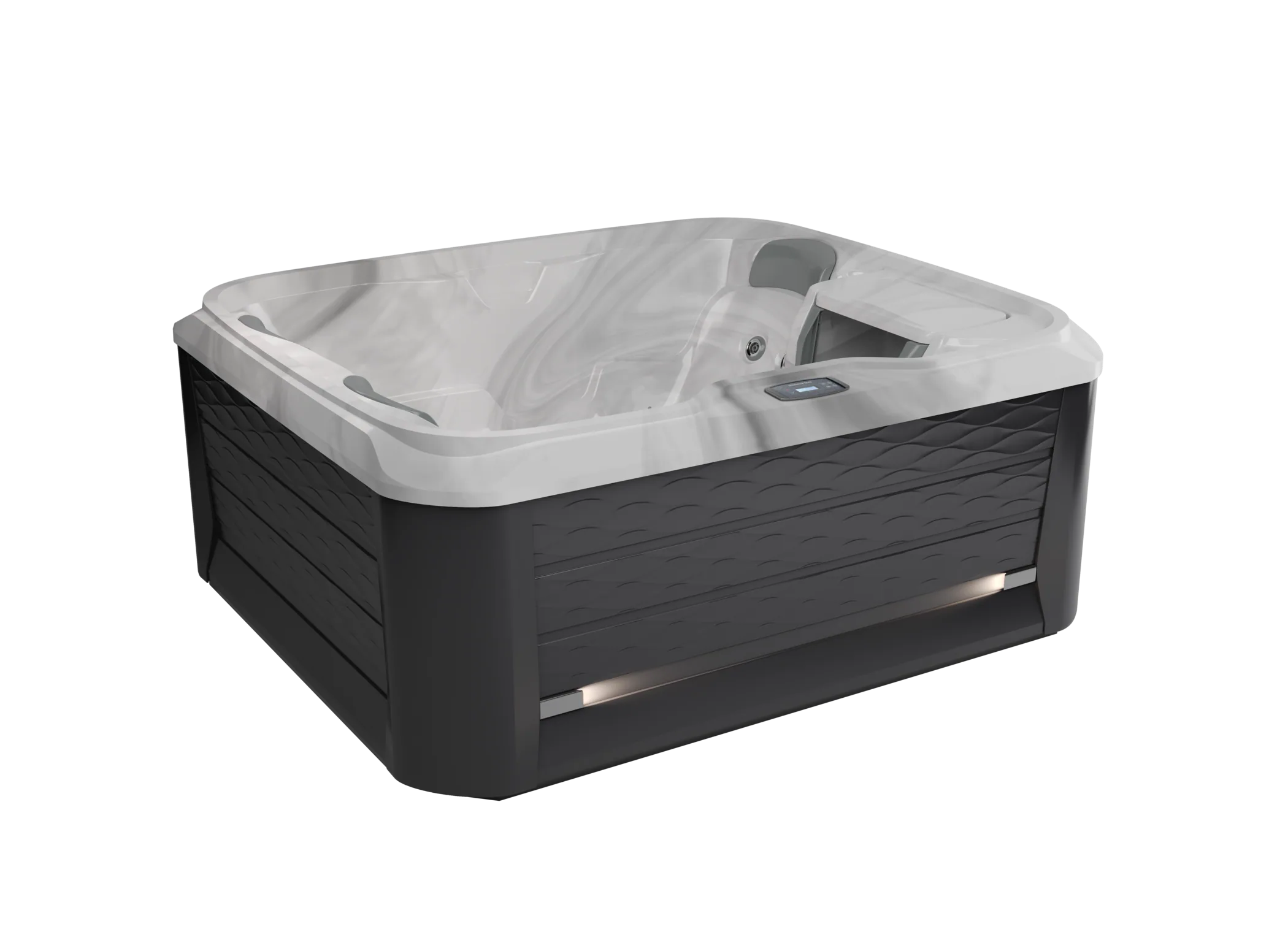
Seating:
Seats
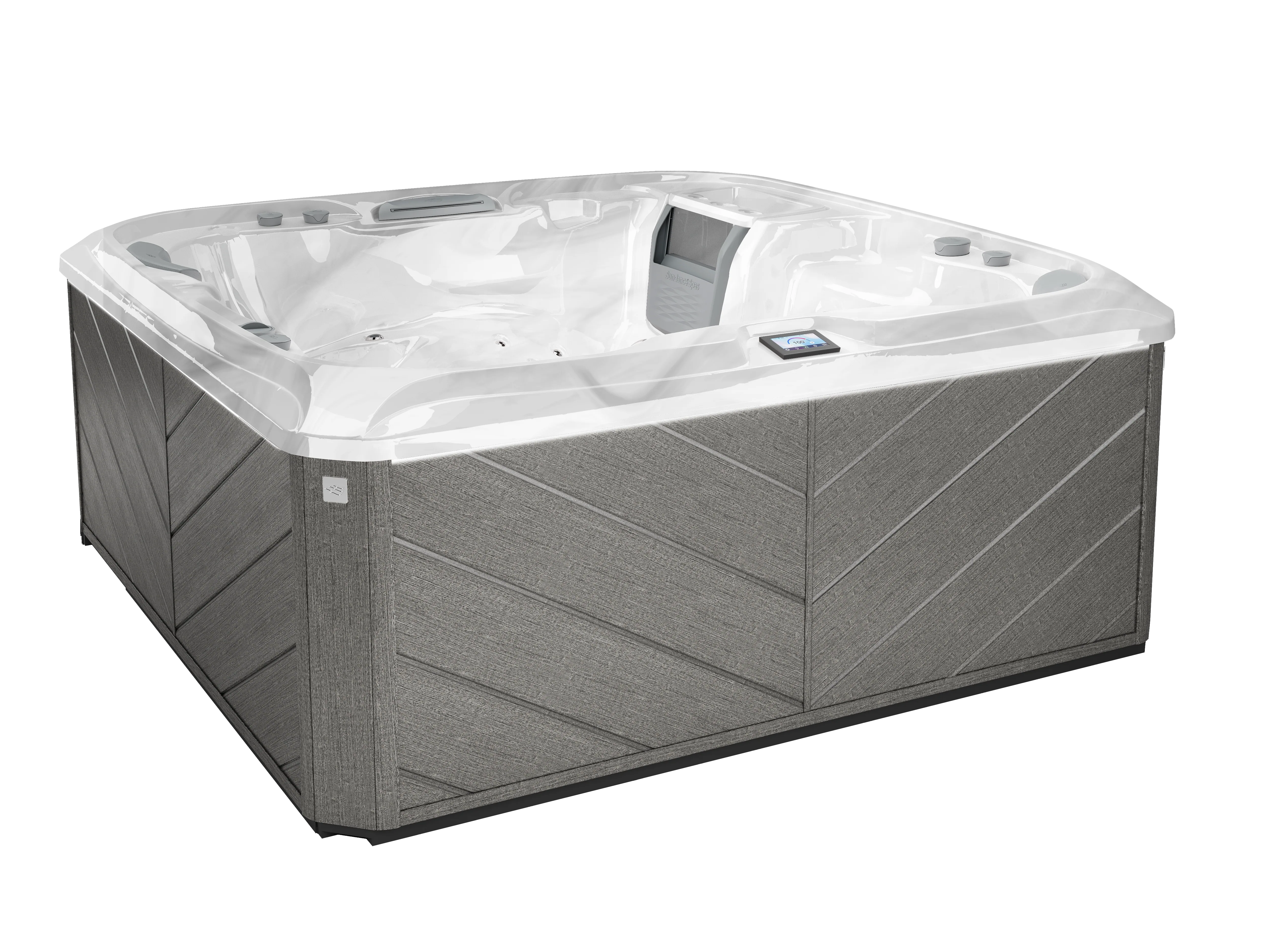
Seating:
Seats