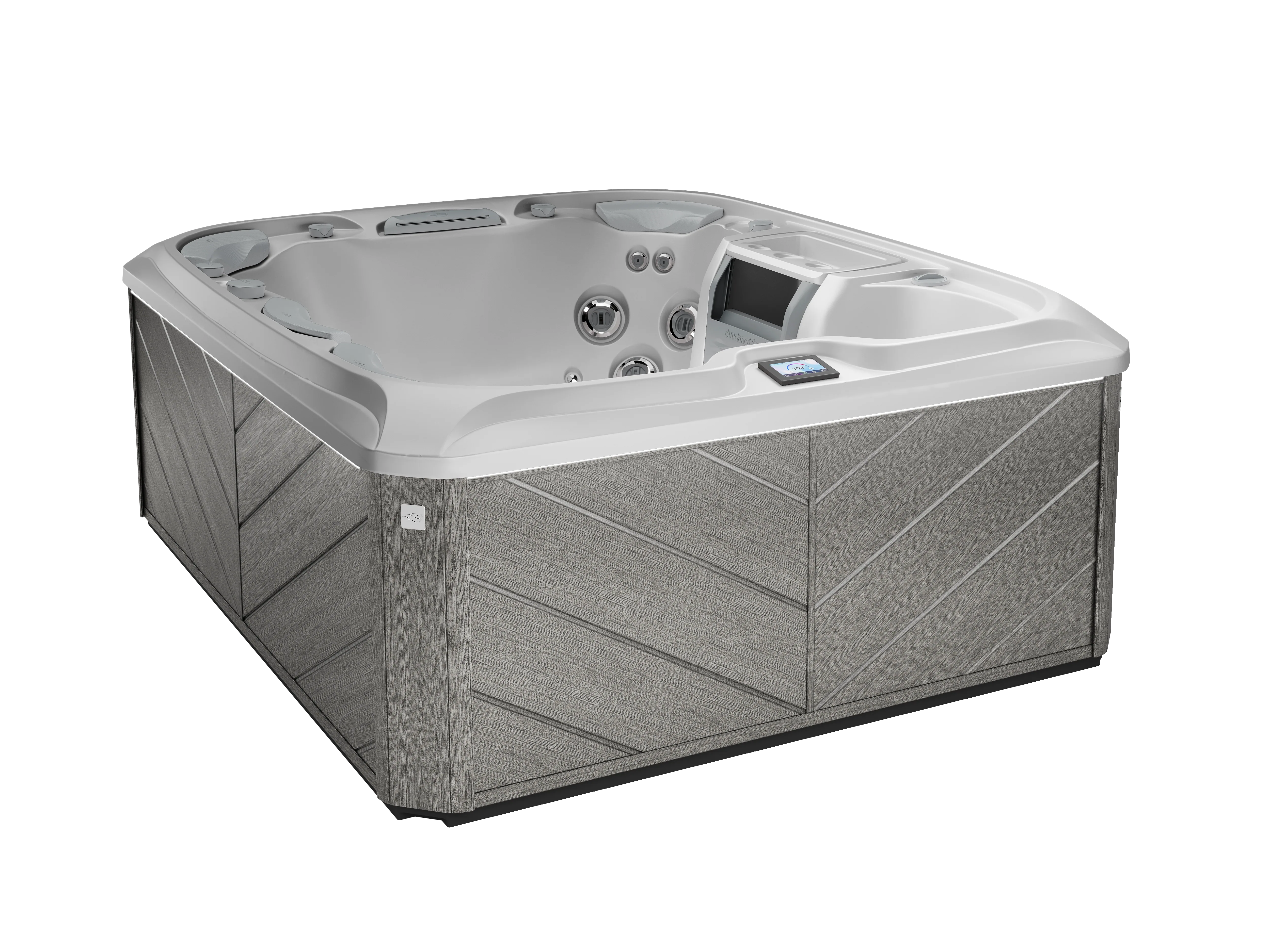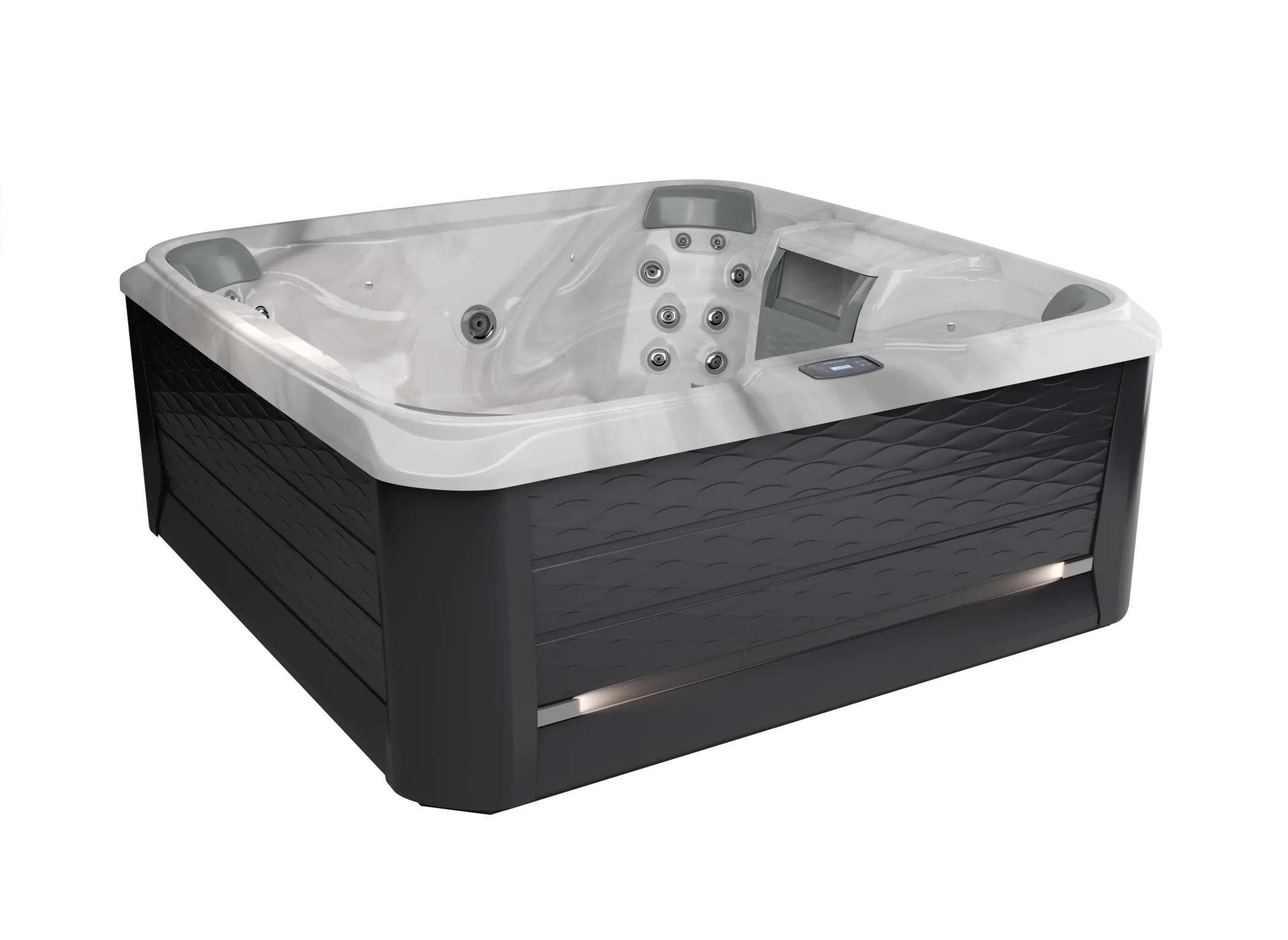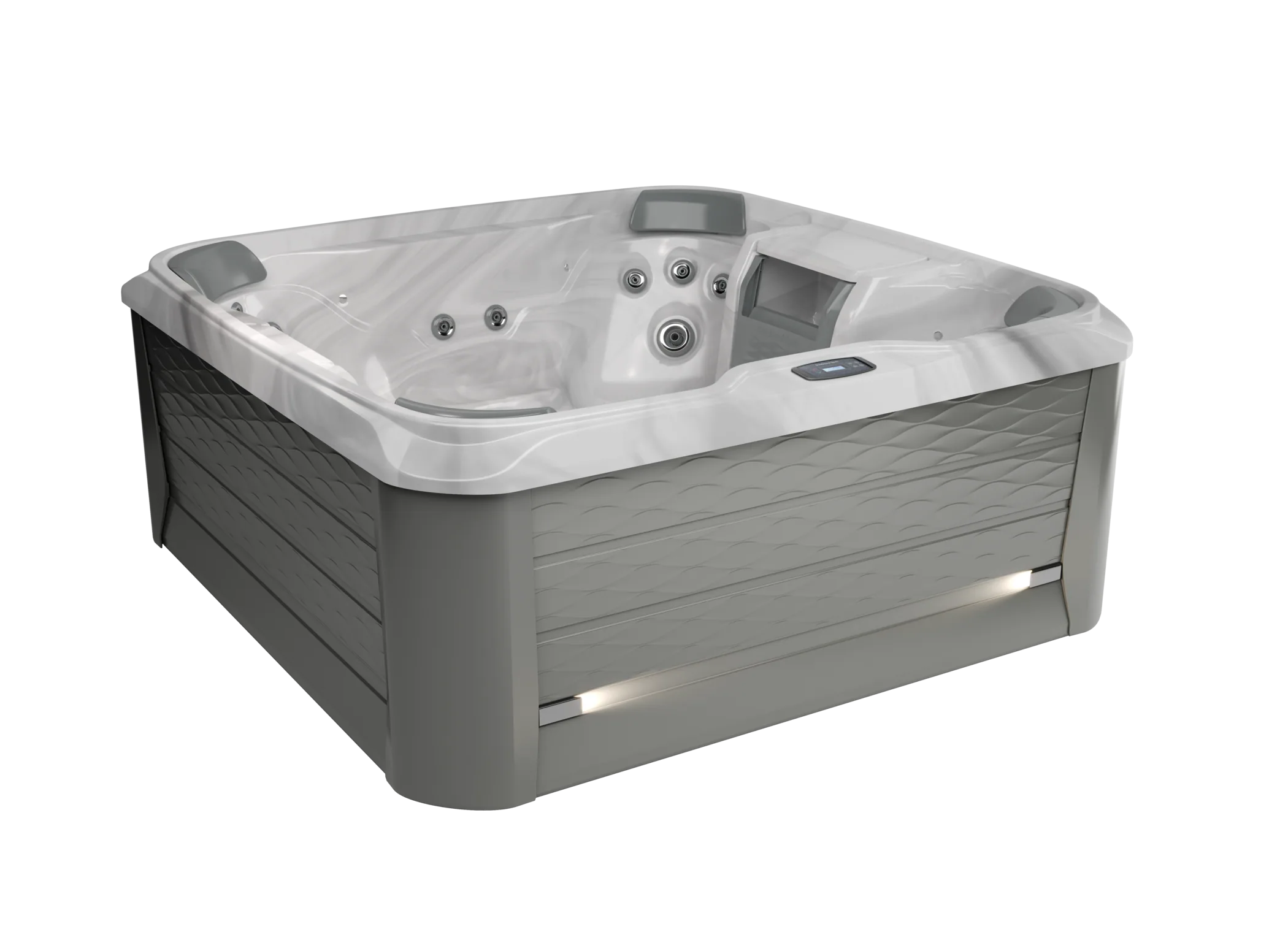

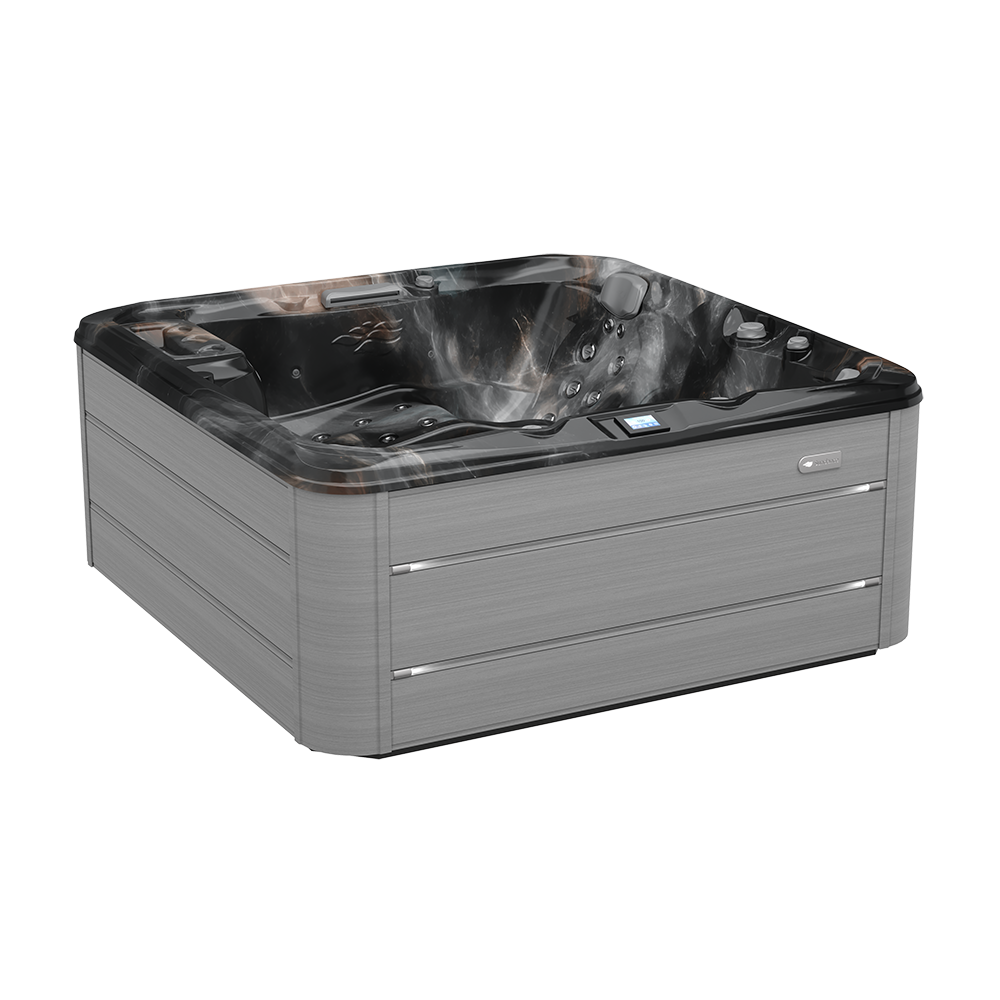
780™ Series
Hamilton™ – 780™ Series
Seating:
5-6
Lounge SeatSeats
Fluidix Jet
Energy Efficient
$$$$$
RRP$14999
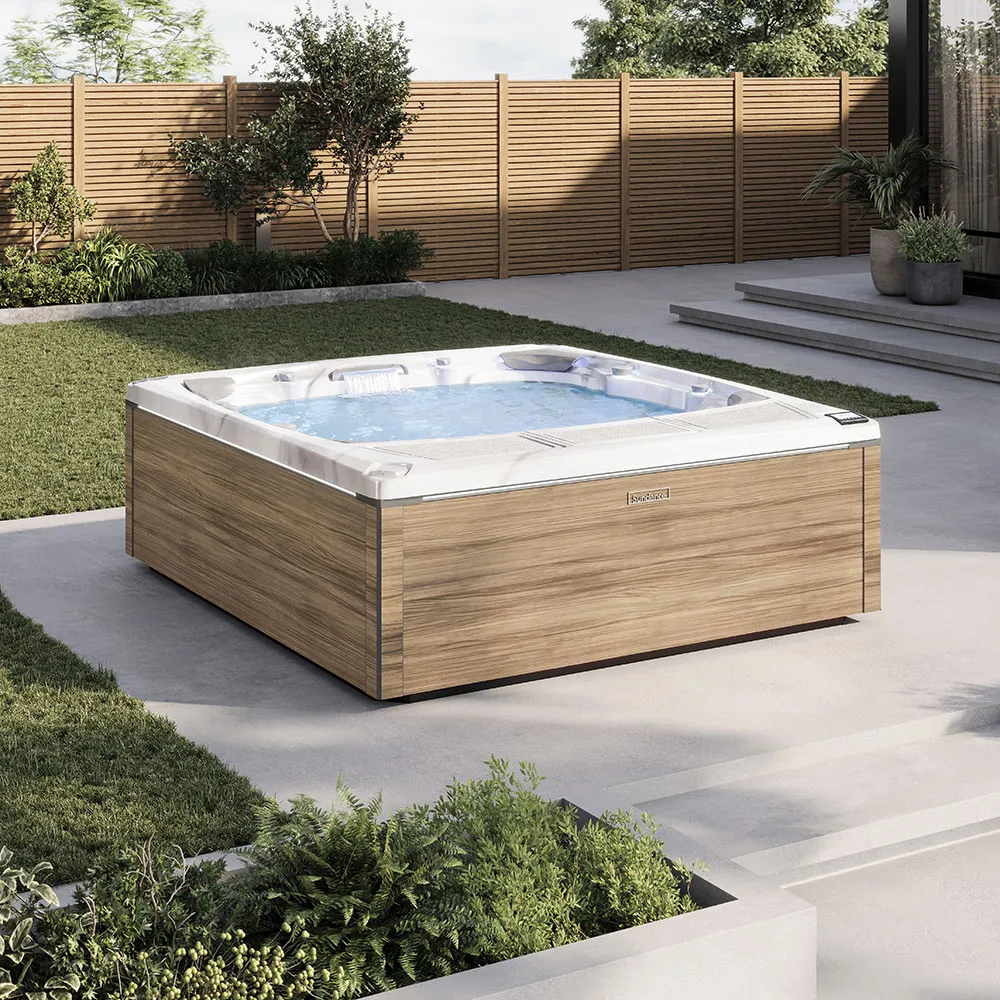
Make a bold statement with a superbly crafted spa, rich with features that are ideal for entertaining or simply relaxing.

Our best-selling spas offer an ideal balance of advanced features, premium comfort, and transformative hydrotherapy.

All the right features for all your best moments, at a value that makes it all possible. Now it's time to make it all happen.
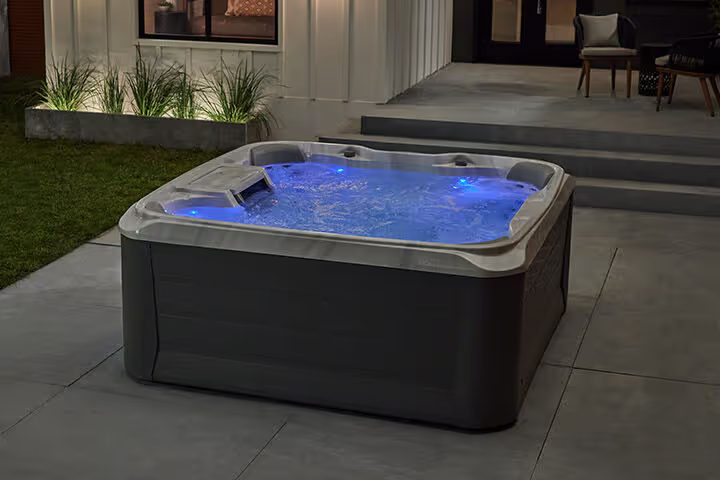
It's easy to love the 680 Series spa for all the fun and relaxing moments, but you'll also appreciate its superior durability and value.
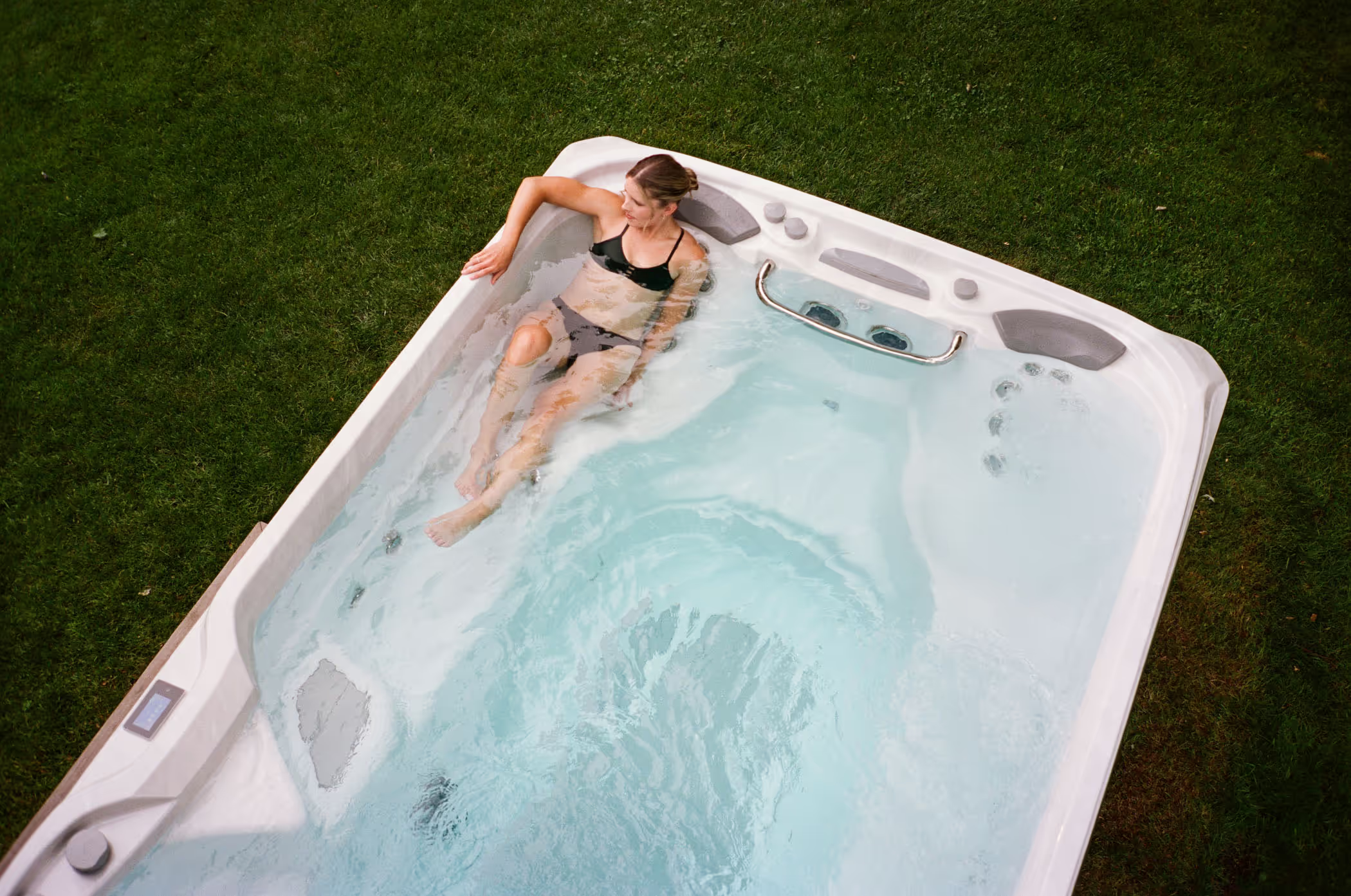
It's easy to love a swim spa for the daily movement and water time it brings, but you'll also appreciate how seamlessly it fits an active life at home.

Every Sundance® spa is built to maximize relaxation with features that make spa ownership a breeze so you can enjoy your new spa with confidence.
Find Your Spa
Explore Sundance models to find the perfect spa for you.



Erica Moir is vice president of design and advanced technologies at Jacuzzi Group, where she leads product innovation across spa and bath categories. With more than 22 years at the company, she has held leadership roles in marketing, product design, and development across North America and Europe. Moir is passionate about driving creative, sustainable solutions that enhance both product performance and customer experience. She holds degrees in industrial and product design from Fanshawe College and fine arts from the University of Windsor.
A step-in hot tub prioritizes easier access by reducing the physical effort needed to enter and exit the water. Many step-in hot tubs are carefully crafted to provide both accessibility and a luxurious experience. Unlike conventional models that require users to climb over walls ranging from 30 to 38 inches high, step-in designs bring you closer to the water with minimal strain on your body.
Slips and falls around water remain a significant source of home injuries. Step-in designs address this risk by eliminating the need to balance on narrow ledges or stretch awkwardly to lower yourself into the basin. Features like non-slip surfaces and textured steps are specifically designed to prevent accidents, especially in wet conditions.
For specific groups, these features are essential:
The comfort benefits extend beyond safety. After long days, easier entry means smoother transitions into warm water—typically maintained at 100–104°F—which matters deeply for people managing arthritis, back pain, or sore muscles. Reducing physical and mental stress is a key benefit of step-in hot tubs, as easier entry and safety features contribute to a more relaxing experience. The relaxation begins the moment you approach, not after an exhausting climb.
Key benefits at a glance:
There’s no single “step-in” design. There is a wide selection of step-in hot tub models and configurations available, allowing you to customize your spa to fit any space or user requirement. You can choose steps that suit your space, budget, and whether you’re purchasing new or upgrading an existing spa.
The three main categories include:
Your choice depends on whether you’re buying a new spa in 2024–2026 or retrofitting a hot tub installed years earlier. Let’s explore each approach.
Factory-built spas with integrated step-in features include molded internal steps or benches right at the entry point. These integrated step-in hot tubs are carefully crafted to ensure both durability and a unified appearance. These models typically feature extra-wide, slip-resistant first steps with grab points engineered into the shell.
Many manufacturers added “easy-entry” or “low-profile” models to their catalogs between 2018 and 2023, specifically targeting buyers interested in aging-in-place accessibility.
Advantages:
Limitations:
This option works best for new builds or major backyard remodels where you want a long-term, integrated accessibility solution that will blend seamlessly with your outdoor living area.
This approach sinks the hot tub partly into a deck or concrete platform. Instead of climbing up, you step in from a raised surface—often with just a single short step down into the water.
A typical layout might include:
This method offers tremendous design flexibility. Carpenters can create custom configurations that feel luxurious while maintaining easy access for users with different needs. When planning your design, it's important to coordinate the hot tub's color and step design with the spa's cabinetry and surrounding deck for a cohesive look. Aesthetic considerations for hot tub steps include matching both the design and color to the spa's cabinetry.
Considerations for deck-integrated layouts:
This suits homeowners who want both improved accessibility and a sleek, built-in aesthetic in their outdoor living space.
Standalone spa steps sit against the hot tub cabinet, typically offering 2–3 treads manufactured in plastic, composite, or powder-coated metal. Many 2024–2026 kits are equipped with safety features such as wide, slip-resistant steps and sturdy handrails, making them suitable for handicap-accessible hot tubs. Many of these external step kits include matching handrails that bolt to the step or slide under the tub base.
This represents the most budget-friendly way to convert a standard above-ground hot tub into a safer step-in experience.
Ideal use cases:
Selection points to consider:
Outdoor exposure—UV rays, rain, snow, and chemical splash from sanitized water—all affect step lifespan. Hot tub steps are crafted from a range of materials, each offering unique benefits in terms of durability, aesthetics, and maintenance. The right equipment choice depends on your climate and how much maintenance you’re willing to perform.
Material Type
Best For
Maintenance Level
Typical Lifespan
Plastic/HDPE
Portability, budget
Low
5–10 years
Wood (Cedar/Redwood)
Natural aesthetics
High
10–15+ years with care
Composite
Durability, heavy use
Low
15–20 years
Metal-framed
Maximum stability
Medium
15–20 years
UV-stabilized plastic steps offer a lightweight, affordable option widely available from dealers and online retailers in the $150–$400 range for 2026.
Benefits:
Drawbacks:
These steps suit portable spas on patios, renters, or anyone needing a quick, low-commitment safety upgrade.
Cedar, redwood, or pressure-treated pine steps offer a classic look that complements wooden decks and natural landscaping beautifully.
Care requirements:
Wooden steps reward homeowners who appreciate high-end, custom aesthetics and don’t mind performing regular maintenance to preserve that quality finish.
Composite steps blend wood fiber and plastic, delivering a wood-like appearance with superior moisture and rot resistance. Many premium 2020s systems pair powder-coated steel frames with composite treads for wobble-free performance.
What to expect:
These steps serve year-round spa users, larger users, or households wanting the most rock-solid, permanent-feeling solution.
Safe entry depends not just on the number of steps, but on tread size, surface grip, height spacing, and supportive features. Safety is a top priority when selecting and designing hot tub steps, so prioritize these key features over purely decorative elements.
Ideal riser heights fall between 6–8 inches per step, with tread depths of 10–12 inches—dimensions that mimic comfortable household stairs.
Measurement guidance:
Position steps along the spa side where internal seating is closest, minimizing how far you reach to sit down.
Common non-slip technologies include:
Non-slip surfaces are essential to prevent accidents, especially in wet conditions, by providing extra grip and stability when stepping in or out of the hot tub.
Rinse off body oils and algae film regularly—buildup can defeat even textured steps. Rounded front edges reduce toe stubs and enhance barefoot comfort during entry and exiting.
In cold climates, choose materials that stay grippy in frost without becoming dangerously slick when icy.
Adding at least one sturdy handrail transforms the spa experience for seniors and users with balance concerns.
Mounting options:
Verify rail height (roughly 32–38 inches above each step) and ensure minimal wobble under full body weight. Use corrosion-resistant hardware, especially near the waterline where splashes occur frequently. Many 2026-era safety rails work as accessory kits compatible with popular spa brands.
Simple lighting upgrades make evening soaks safer and more inviting:
Place lights so treads and handrails are clearly visible while minimizing glare into users’ eyes. Integration with existing backyard lighting controls allows one-touch evening hot tub setup. Good lighting proves especially important in winter months when darkness arrives early.
Step systems carry specific load ratings—often 300–600 pounds—that must safely accommodate your heaviest likely user.
Stability considerations:
Layout affects how safe and inviting your step-in hot tub feels. Consider approach paths, door proximity, and privacy when creating your spa area. There is a wide selection of step-in hot tub solutions available, so you can choose options that best fit your layout and design preferences.
Planning essentials:
Place steps on a long, straight spa side rather than a tight corner—this provides more space to turn and use rails confidently.
Best practices:
Popular 2020s design trends include composite decks with wide wrap-around stairs, stone paver platforms with built-in step blocks, and bench seating flanking the spa.
Design guidance:
Costs vary widely based on whether you’re buying a new step-in spa or retrofitting an existing hot tub. There is a wide selection of step-in hot tub models and accessories available to fit various budgets, so you can find options that suit your needs. Regional labor rates and material prices—which rose significantly between 2020 and 2023—affect final project budgets.
General cost ranges:
Solution Type
Typical Price Range
Basic external steps
$150–$400
Step-and-rail kits
$250–$600
Premium composite systems
$400–$800
Custom deck-integrated layouts
$2,000–$25,000+
Get at least two or three written quotes for any built-in or deck work, including electrical and permits.
Modern easy-entry or low-profile hot tubs with integrated steps typically start around mid-range pricing compared with standard models.
2024–2026 pricing guidance:
Ask dealers specifically which models in their showroom are designed for easier step-in access—don’t assume all spas are similar.
Add-on solutions offer the perfect solution for existing hot tub owners:
Upgrade Type
Typical Cost
Basic plastic steps
$150–$400
Composite/metal-framed steps
$300–$800
Safety rail kits
$100–$350 per rail
Lighting upgrades
$50–$300
Focus first on core safety upgrades—solid steps and at least one rail—before investing in purely cosmetic hot tub accessories.
Building or modifying a deck to create a semi-recessed step-in layout represents the most expensive but visually impressive option.
Project cost guidance:
Properly designed structures can add long-term home value and make your space more attractive for resale.
Well-maintained steps and rails last many seasons, but neglect leads to wobbling, slick surfaces, and safety hazards that compromise your well being.
Routine maintenance schedule:
Frequency
Tasks
Monthly
Wipe down surfaces, check for visible damage
Quarterly
Tighten hardware, deep clean with water care products
Annually
Inspect structural integrity, reseal wood if applicable
After storms
Check stability, clear debris from treads
Nearly every spa user enjoys easier entry, but certain groups gain clear, tangible benefits worth considering.
Primary beneficiaries:
Consider both current and future needs. If you plan to remain in your home through the 2030s, designing for aging in place today creates long-term convenience.
Plan a spa area that remains accessible as your household ages or if health conditions arise.
Future-focused considerations:
The goal is creating a space where the focus stays on relaxation and connection—not on managing difficult entry.
Balance safety, aesthetics, budget, and property constraints when making your selection. Here’s a process that works:
Step 1: Assess your situation
Step 2: Explore options
Step 3: Verify details
Step 4: Plan for the future
The right step-in solution transforms your spa from a challenge into a sanctuary—where every entry feels as effortless as the peace that follows.
Q: Can I convert my existing hot tub into a true “step-in” model without replacing it?
A: In most cases, yes. While you can’t lower the factory shell, you can add properly sized external steps, secure handrails, and—if space and budget allow—build a small deck or platform around one side to create a near-level, walk-in style entry. A local contractor or spa dealer can advise how to do this safely around your specific model.
Q: How much space do I need in front of the steps for safe entry and exit?
A: Aim for at least 3 feet (about 1 meter) of clear, flat space in front of the lowest step. This gives users room to turn, use a cane or walker if necessary, and avoid bumping into planters, railings, or walls when stepping out of the water.
Q: Are step-in hot tubs compatible with spa covers and cover lifters?
A: Yes, but plan placement carefully. Most cover lifters mount to the back or side of the spa and swing the cover away from the step side. When retrofitting, check that your steps and rails don’t interfere with the cover arm and that you can operate the cover safely from the same side as the steps.
Q: Do I need a building permit to add steps or a small platform by my spa?
A: Freestanding portable steps usually don’t require permits, but permanent decks, platforms, or railings might, depending on local codes. Before starting construction, check with your city or county building department or ask your contractor to confirm requirements for elevated structures near a hot tub.
Q: How often should I replace spa steps or safety rails?
A: There’s no fixed timeline, but quality systems typically last 7–15 years with proper care. Replace them sooner if you notice cracks, soft spots in wood, significant wobble, or rusted hardware that can’t be tightened. When in doubt, err on the side of safety and upgrade before failure occurs.
Q: What’s the ideal temperature to maintain for therapeutic use?
A: Most users find 100–104°F (38–40°C) comfortable for regular soaks. Lower temperatures around 98°F work well for longer sessions or hot summer days. People with certain health conditions should consult their doctor about appropriate temperature and jets settings for their needs.
Seating:
Seats
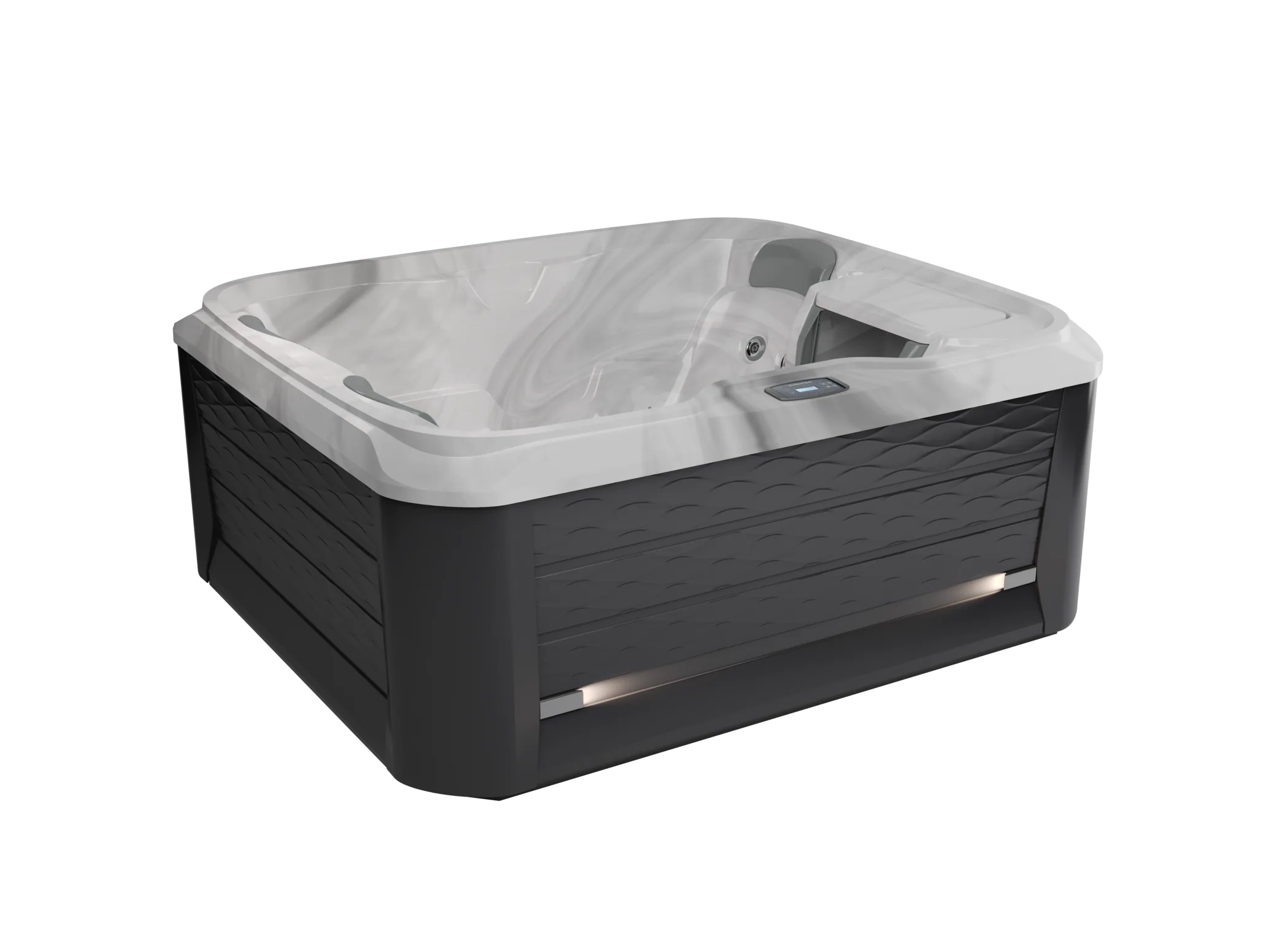
Seating:
Seats

Seating:
Seats

Start exploring the features Sundance® spas have to offer, and learn how to make spa time a focal point in your journey to share meaningful moments with the people you love.