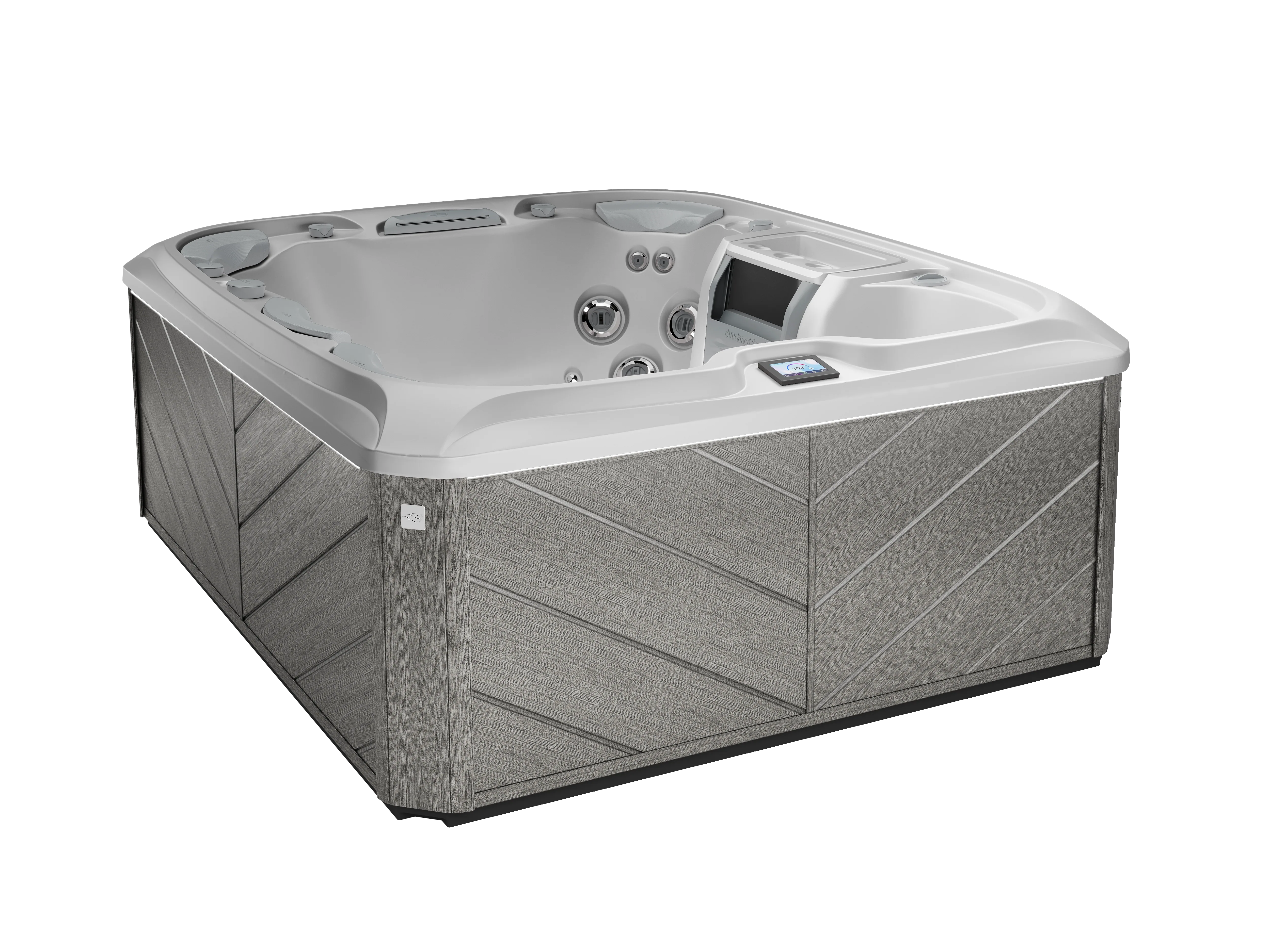

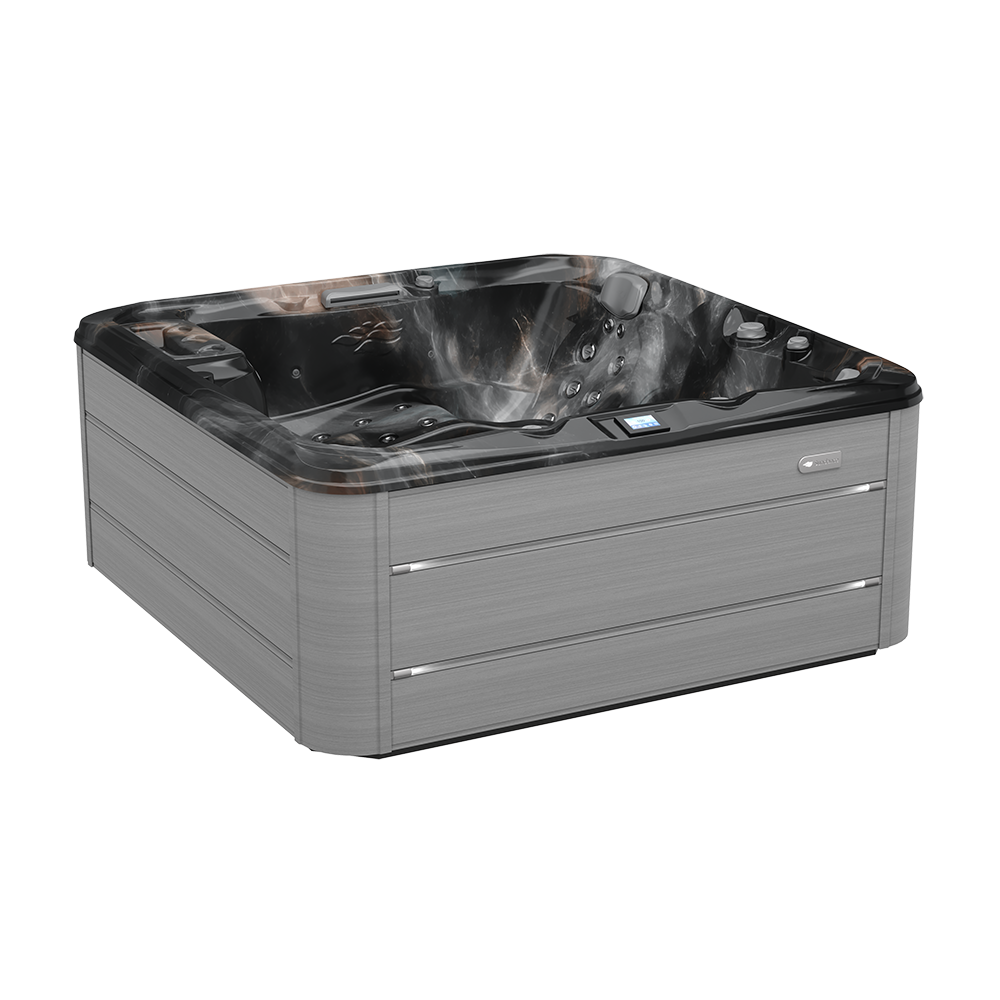
780™ Serie
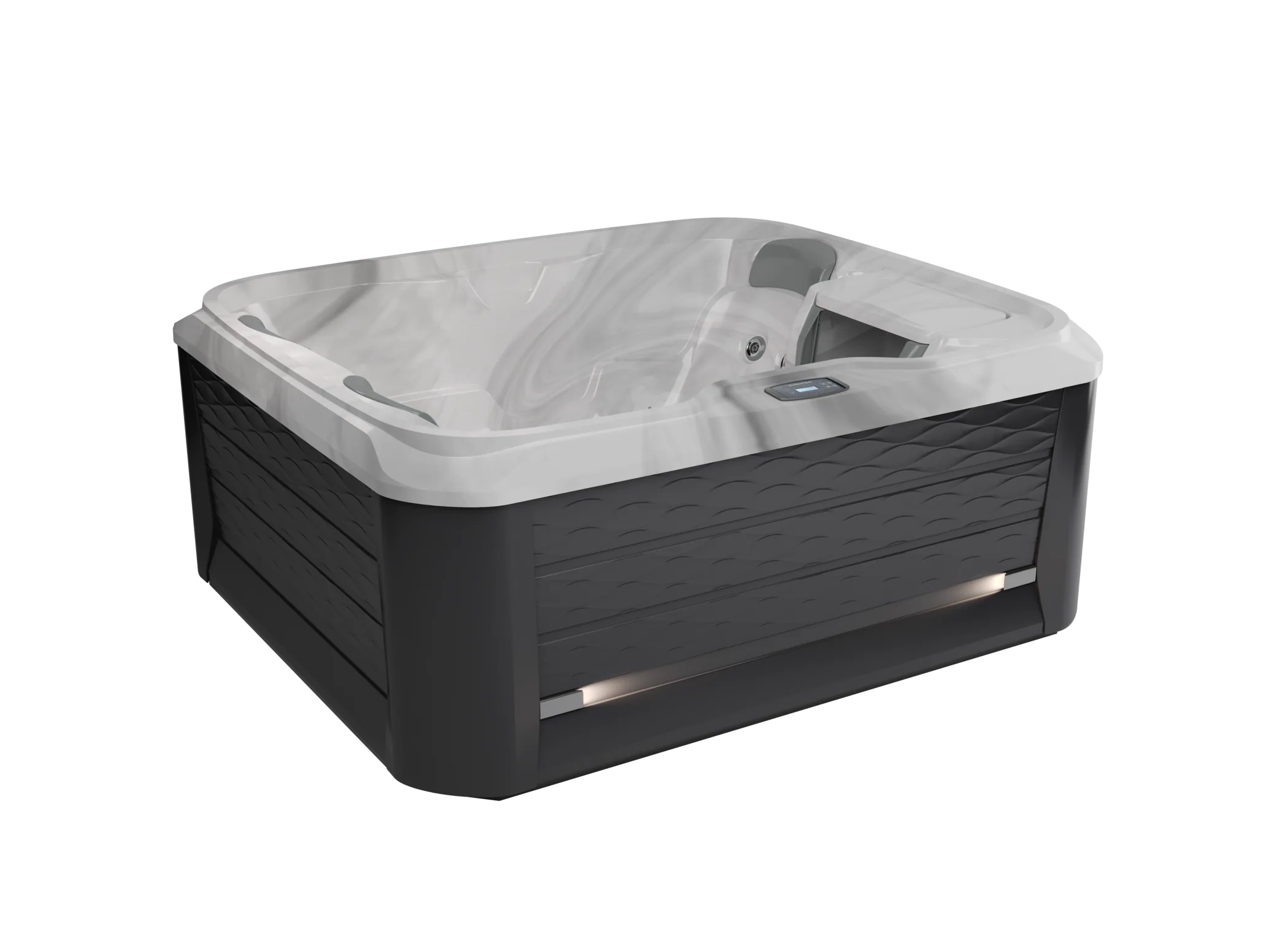
Hamilton™ – 780™ Series
Seating:
5-6
LoungestoelSeats
Fluidix Jet
Energy Efficient
$$$$$
MSRP$17999
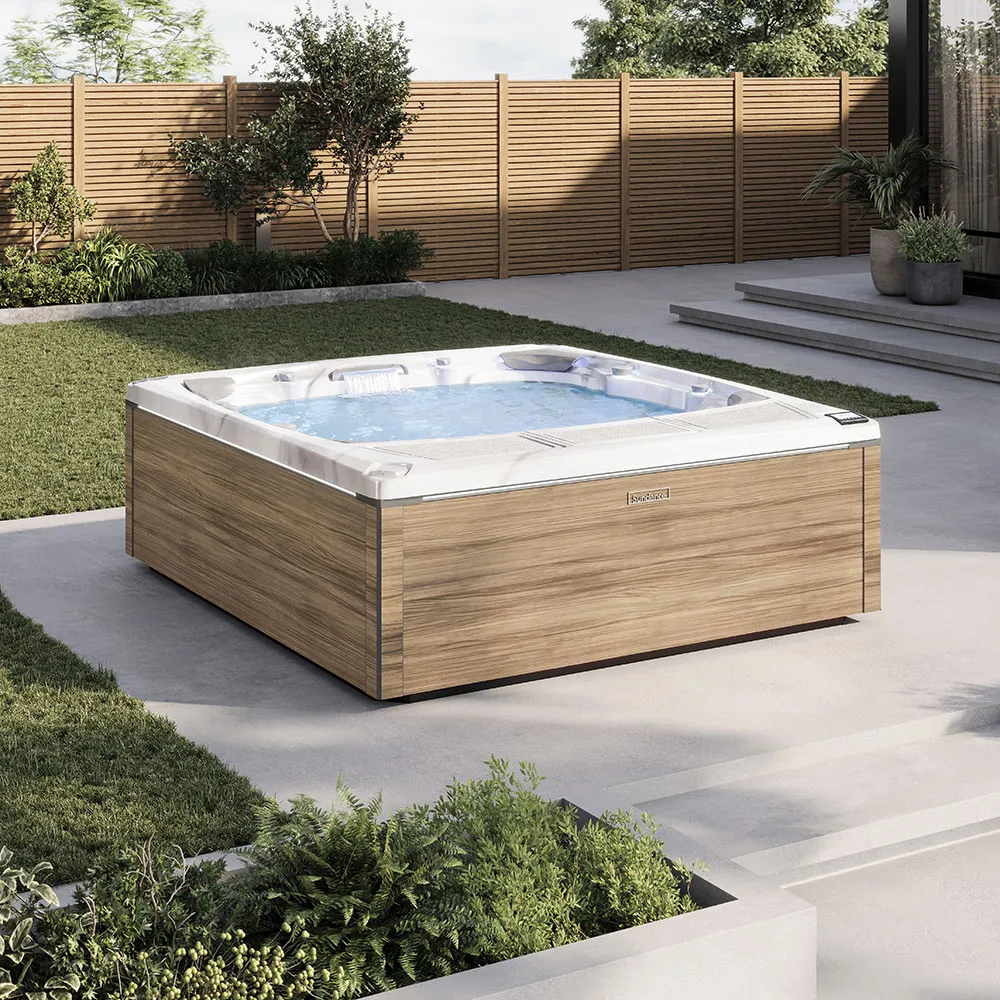
Maak een gedurfd statement met een prachtig ontworpen Hottub, rijk aan voorzieningen die ideaal zijn om te entertainen of gewoon te ontspannen.

Onze best verkochte Hottubs bieden een ideale balans tussen geavanceerde functies, eersteklas comfort en transformatieve hydrotherapie.

Alle juiste functies voor al je beste momenten, voor een prijs die het allemaal mogelijk maakt. Nu is het tijd om het allemaal voor elkaar te krijgen.
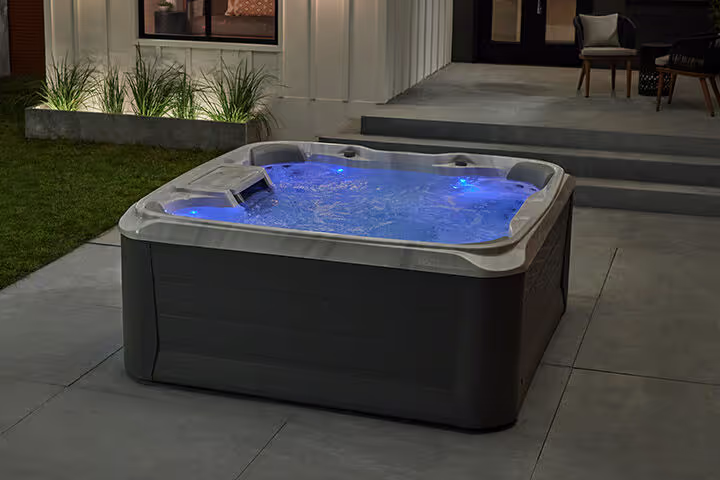
Het is gemakkelijk om van de Hottub uit de 680-serie te genieten voor alle leuke en ontspannende momenten, maar u zult ook de superieure duurzaamheid en waarde waarderen.
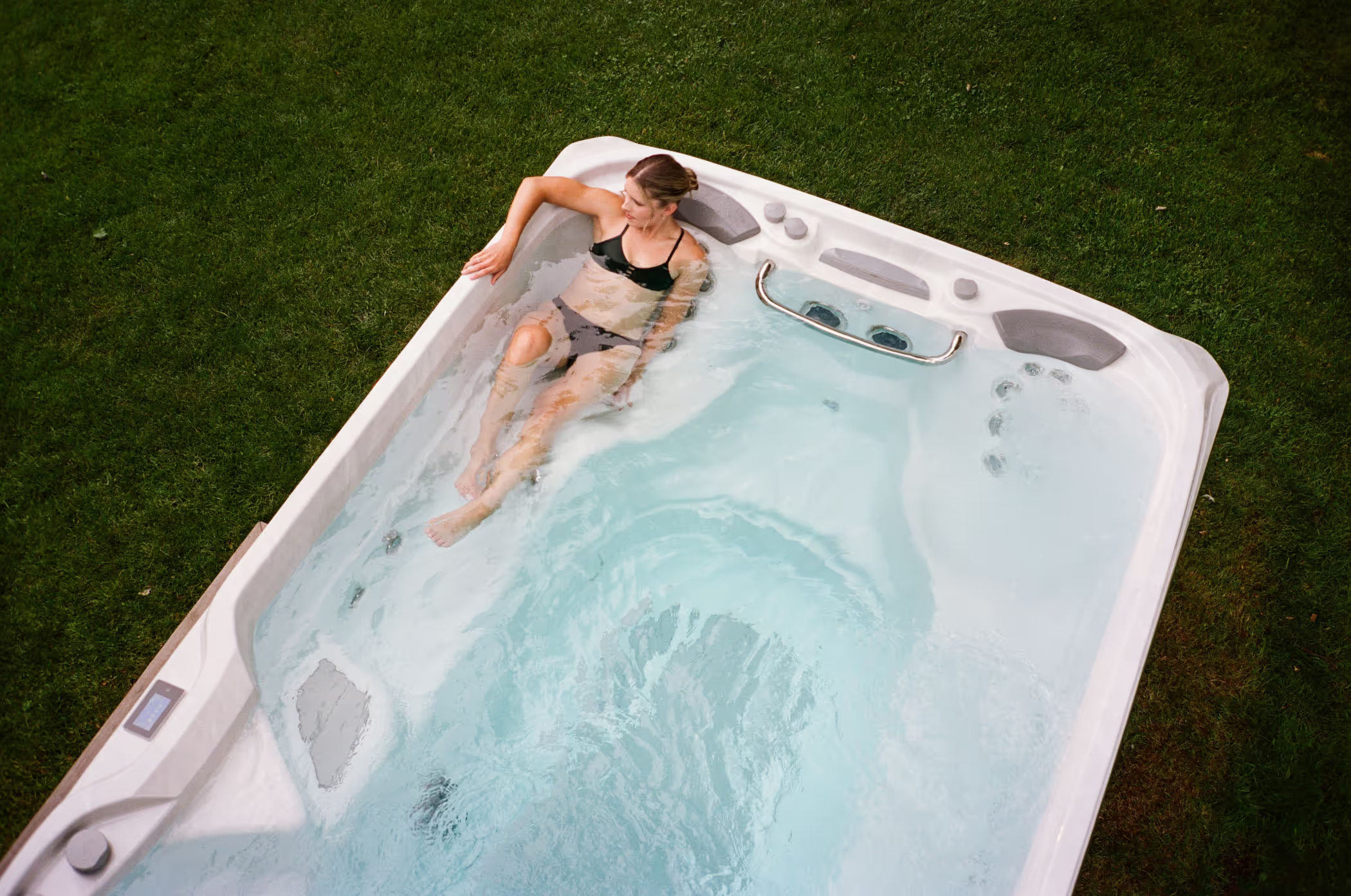
Het is gemakkelijk om van een Zwemspa's te houden vanwege de dagelijkse beweging en de tijd in het water die het met zich meebrengt, maar u zult ook waarderen hoe naadloos het past bij een actief leven thuis.

Elke Sundance® Hottub is gebouwd voor maximale ontspanning met functies die het bezit van een Hottub een fluitje van een cent maken, zodat u met een gerust hart van uw nieuwe Hottub kunt genieten.
Hulpbronnen
Vind jouw Hottub
Ontdek de Sundance®-modellen om de perfecte Hottub voor jou te vinden.



Erica Moir is vicepresident ontwerp en geavanceerde technologieën bij Jacuzzi Group, waar ze productinnovatie leidt binnen de Hottub- en badcategorieën. Met meer dan 22 jaar ervaring bij het bedrijf heeft ze leidinggevende functies bekleed op het gebied van marketing, productontwerp en -ontwikkeling in Noord-Amerika en Europa. Moir is gepassioneerd over het stimuleren van creatieve, duurzame oplossingen die zowel de productprestaties als de klantervaring verbeteren. Ze heeft diploma's in industrieel en productontwerp van Fanshawe College en in schone kunsten van de University of Windsor.
A step-in hot tub prioritizes easier access by reducing the physical effort needed to enter and exit the water. Many step-in hot tubs are carefully crafted to provide both accessibility and a luxurious experience. Unlike conventional models that require users to climb over walls ranging from 30 to 38 inches high, step-in designs bring you closer to the water with minimal strain on your body.
Slips and falls around water remain a significant source of home injuries. Step-in designs address this risk by eliminating the need to balance on narrow ledges or stretch awkwardly to lower yourself into the basin. Features like non-slip surfaces and textured steps are specifically designed to prevent accidents, especially in wet conditions.
For specific groups, these features are essential:
The comfort benefits extend beyond safety. After long days, easier entry means smoother transitions into warm water—typically maintained at 100–104°F—which matters deeply for people managing arthritis, back pain, or sore muscles. Reducing physical and mental stress is a key benefit of step-in hot tubs, as easier entry and safety features contribute to a more relaxing experience. The relaxation begins the moment you approach, not after an exhausting climb.
Key benefits at a glance:
There’s no single “step-in” design. There is a wide selection of step-in hot tub models and configurations available, allowing you to customize your spa to fit any space or user requirement. You can choose steps that suit your space, budget, and whether you’re purchasing new or upgrading an existing spa.
The three main categories include:
Your choice depends on whether you’re buying a new spa in 2024–2026 or retrofitting a hot tub installed years earlier. Let’s explore each approach.
Factory-built spas with integrated step-in features include molded internal steps or benches right at the entry point. These integrated step-in hot tubs are carefully crafted to ensure both durability and a unified appearance. These models typically feature extra-wide, slip-resistant first steps with grab points engineered into the shell.
Many manufacturers added “easy-entry” or “low-profile” models to their catalogs between 2018 and 2023, specifically targeting buyers interested in aging-in-place accessibility.
Advantages:
Limitations:
This option works best for new builds or major backyard remodels where you want a long-term, integrated accessibility solution that will blend seamlessly with your outdoor living area.
This approach sinks the hot tub partly into a deck or concrete platform. Instead of climbing up, you step in from a raised surface—often with just a single short step down into the water.
A typical layout might include:
This method offers tremendous design flexibility. Carpenters can create custom configurations that feel luxurious while maintaining easy access for users with different needs. When planning your design, it's important to coordinate the hot tub's color and step design with the spa's cabinetry and surrounding deck for a cohesive look. Aesthetic considerations for hot tub steps include matching both the design and color to the spa's cabinetry.
Considerations for deck-integrated layouts:
This suits homeowners who want both improved accessibility and a sleek, built-in aesthetic in their outdoor living space.
Standalone spa steps sit against the hot tub cabinet, typically offering 2–3 treads manufactured in plastic, composite, or powder-coated metal. Many 2024–2026 kits are equipped with safety features such as wide, slip-resistant steps and sturdy handrails, making them suitable for handicap-accessible hot tubs. Many of these external step kits include matching handrails that bolt to the step or slide under the tub base.
This represents the most budget-friendly way to convert a standard above-ground hot tub into a safer step-in experience.
Ideal use cases:
Selection points to consider:
Outdoor exposure—UV rays, rain, snow, and chemical splash from sanitized water—all affect step lifespan. Hot tub steps are crafted from a range of materials, each offering unique benefits in terms of durability, aesthetics, and maintenance. The right equipment choice depends on your climate and how much maintenance you’re willing to perform.
Material Type
Best For
Maintenance Level
Typical Lifespan
Plastic/HDPE
Portability, budget
Low
5–10 years
Wood (Cedar/Redwood)
Natural aesthetics
High
10–15+ years with care
Composite
Durability, heavy use
Low
15–20 years
Metal-framed
Maximum stability
Medium
15–20 years
UV-stabilized plastic steps offer a lightweight, affordable option widely available from dealers and online retailers in the $150–$400 range for 2026.
Benefits:
Drawbacks:
These steps suit portable spas on patios, renters, or anyone needing a quick, low-commitment safety upgrade.
Cedar, redwood, or pressure-treated pine steps offer a classic look that complements wooden decks and natural landscaping beautifully.
Care requirements:
Wooden steps reward homeowners who appreciate high-end, custom aesthetics and don’t mind performing regular maintenance to preserve that quality finish.
Composite steps blend wood fiber and plastic, delivering a wood-like appearance with superior moisture and rot resistance. Many premium 2020s systems pair powder-coated steel frames with composite treads for wobble-free performance.
What to expect:
These steps serve year-round spa users, larger users, or households wanting the most rock-solid, permanent-feeling solution.
Safe entry depends not just on the number of steps, but on tread size, surface grip, height spacing, and supportive features. Safety is a top priority when selecting and designing hot tub steps, so prioritize these key features over purely decorative elements.
Ideal riser heights fall between 6–8 inches per step, with tread depths of 10–12 inches—dimensions that mimic comfortable household stairs.
Measurement guidance:
Position steps along the spa side where internal seating is closest, minimizing how far you reach to sit down.
Common non-slip technologies include:
Non-slip surfaces are essential to prevent accidents, especially in wet conditions, by providing extra grip and stability when stepping in or out of the hot tub.
Rinse off body oils and algae film regularly—buildup can defeat even textured steps. Rounded front edges reduce toe stubs and enhance barefoot comfort during entry and exiting.
In cold climates, choose materials that stay grippy in frost without becoming dangerously slick when icy.
Adding at least one sturdy handrail transforms the spa experience for seniors and users with balance concerns.
Mounting options:
Verify rail height (roughly 32–38 inches above each step) and ensure minimal wobble under full body weight. Use corrosion-resistant hardware, especially near the waterline where splashes occur frequently. Many 2026-era safety rails work as accessory kits compatible with popular spa brands.
Simple lighting upgrades make evening soaks safer and more inviting:
Place lights so treads and handrails are clearly visible while minimizing glare into users’ eyes. Integration with existing backyard lighting controls allows one-touch evening hot tub setup. Good lighting proves especially important in winter months when darkness arrives early.
Step systems carry specific load ratings—often 300–600 pounds—that must safely accommodate your heaviest likely user.
Stability considerations:
Layout affects how safe and inviting your step-in hot tub feels. Consider approach paths, door proximity, and privacy when creating your spa area. There is a wide selection of step-in hot tub solutions available, so you can choose options that best fit your layout and design preferences.
Planning essentials:
Place steps on a long, straight spa side rather than a tight corner—this provides more space to turn and use rails confidently.
Best practices:
Popular 2020s design trends include composite decks with wide wrap-around stairs, stone paver platforms with built-in step blocks, and bench seating flanking the spa.
Design guidance:
Costs vary widely based on whether you’re buying a new step-in spa or retrofitting an existing hot tub. There is a wide selection of step-in hot tub models and accessories available to fit various budgets, so you can find options that suit your needs. Regional labor rates and material prices—which rose significantly between 2020 and 2023—affect final project budgets.
General cost ranges:
Oplossingstype
Typische prijsklasse
Basis buitenopstapjes
$150–$400
Opstap- en leuningkits
$250–$600
Premium composietsystemen
$400–$800
Op maat gemaakte, in het terras geïntegreerde indelingen
$2.000–$25.000+
Vraag minstens twee of drie schriftelijke offertes aan voor ingebouwd werk of terraswerk, inclusief elektra en vergunningen.
Moderne, gemakkelijk toegankelijke of laagprofiel Hottubs met geïntegreerde opstapjes beginnen doorgaans rond de middenklasse prijzen vergeleken met standaardmodellen.
Prijsindicatie 2024–2026:
Vraag dealers specifiek welke modellen in hun showroom zijn ontworpen voor een gemakkelijkere instap – ga er niet van uit dat alle Hottubs vergelijkbaar zijn.
Uitbreidingsoplossingen bieden de perfecte oplossing voor bestaande Hottub-eigenaren:
Type upgrade
Gemiddelde kosten
Eenvoudige plastic treden
$150–$400
Composiet/metalen treden
$300–$800
Veiligheidsrelingkits
$100–$350 per rail
Verlichtingsupgrades
$50–$300
Concentreer u eerst op essentiële veiligheidsupgrades – stevige treden en minstens één reling – voordat u investeert in puur cosmetische Hottub-accessoires.
Het bouwen of aanpassen van een terras om een halfverzonken instapindeling te creëren, is de duurste, maar visueel meest indrukwekkende optie.
Richtlijnen voor projectkosten:
Goed ontworpen constructies kunnen de woningwaarde op lange termijn verhogen en uw ruimte aantrekkelijker maken voor wederverkoop.
Goed onderhouden trappen en leuningen gaan vele seizoenen mee, maar verwaarlozing leidt tot wiebelen, gladde oppervlakken en veiligheidsrisico's die uw welzijn in gevaar brengen.
Regelmatig onderhoudsschema:
Frequentie
Taken
Maandelijks
Oppervlakken afnemen, controleren op zichtbare schade
Driemaandelijks
Beslag aandraaien, grondig reinigen met waterverzorgingsproducten
Jaarlijks
Structurele integriteit inspecteren, hout opnieuw verzegelen indien van toepassing
Na stormen
Stabiliteit controleren, vuil van treden verwijderen
Bijna elke Hottub-gebruiker geniet van een gemakkelijkere instap, maar bepaalde groepen behalen duidelijke, tastbare voordelen die het overwegen waard zijn.
Belangrijkste begunstigden:
Houd rekening met zowel huidige als toekomstige behoeften. Als u van plan bent om tot in de jaren 2030 in uw huis te blijven wonen, creëert het ontwerpen voor 'aging in place' vandaag al langdurig gemak.
Plan een Hottub-ruimte die toegankelijk blijft naarmate uw huishouden ouder wordt of als er gezondheidsproblemen ontstaan.
Toekomstgerichte overwegingen:
Het doel is het creëren van een ruimte waar de focus ligt op ontspanning en verbinding – niet op het omgaan met moeilijke toegang.
Breng veiligheid, esthetiek, budget en beperkingen van uw eigendom in balans bij het maken van uw keuze. Hier is een proces dat werkt:
Stap 1: Beoordeel uw situatie
Stap 2: Verken opties
Stap 3: Controleer details
Stap 4: Plan voor de toekomst
De juiste instapoplossing verandert uw Hottub van een uitdaging in een toevluchtsoord – waar elke instap net zo moeiteloos aanvoelt als de rust die erop volgt.
V: Kan ik mijn bestaande Hottub ombouwen tot een echt 'instap'-model zonder deze te vervangen?
A: In de meeste gevallen wel. Hoewel u de fabrieksschaal niet kunt verlagen, kunt u wel externe trappen van de juiste afmetingen, veilige handgrepen en – als ruimte en budget het toelaten – een klein terras of platform rond één zijde bouwen om een bijna gelijkvloerse, inloopstijl ingang te creëren. Een lokale aannemer of Hottub-dealer kan adviseren hoe u dit veilig kunt doen rond uw specifieke model.
V: Hoeveel ruimte heb ik nodig voor de treden voor een veilige in- en uitstap?
A: Streef naar minstens 3 voet (ongeveer 1 meter) vrije, vlakke ruimte voor de laagste trede. Dit geeft gebruikers de ruimte om te draaien, indien nodig een stok of rollator te gebruiken, en te voorkomen dat ze tegen plantenbakken, leuningen of muren stoten bij het uit het water stappen.
V: Zijn instap-Hottubs compatibel met Hottub-afdekkingen en afdekkinglifters?
A: Ja, maar plan de plaatsing zorgvuldig. De meeste afdekkinglifters worden aan de achterkant of zijkant van de Hottub gemonteerd en zwenken de afdekking weg van de trapzijde. Controleer bij het achteraf aanbrengen of uw treden en leuningen de afdekkingsarm niet hinderen en of u de afdekking veilig kunt bedienen vanaf dezelfde zijde als de treden.
V: Heb ik een bouwvergunning nodig om treden of een klein platform bij mijn Hottub te plaatsen?
A: Vrijstaande draagbare treden vereisen meestal geen vergunning, maar permanente terrassen, platforms of leuningen mogelijk wel, afhankelijk van de lokale voorschriften. Voordat u met de bouw begint, dient u contact op te nemen met de bouwafdeling van uw gemeente of provincie, of uw aannemer te vragen de vereisten voor verhoogde constructies bij een Hottub te bevestigen.
V: Hoe vaak moet ik Hottub-treden of veiligheidsleuningen vervangen?
A: Er is geen vaste termijn, maar kwaliteitssystemen gaan doorgaans 7-15 jaar mee met goed onderhoud. Vervang ze eerder als u scheuren, zachte plekken in hout, aanzienlijke wiebeling of verroeste hardware opmerkt die niet kan worden vastgezet. Bij twijfel, kies voor veiligheid en upgrade voordat er een storing optreedt.
V: Wat is de ideale temperatuur om aan te houden voor therapeutisch gebruik?
A: De meeste gebruikers vinden 38–40°C (100–104°F) comfortabel voor regelmatige baden. Lagere temperaturen rond 37°C (98°F) zijn geschikt voor langere sessies of warme zomerdagen. Mensen met bepaalde gezondheidsproblemen dienen hun arts te raadplegen over de geschikte temperatuur en jetinstellingen voor hun behoeften.
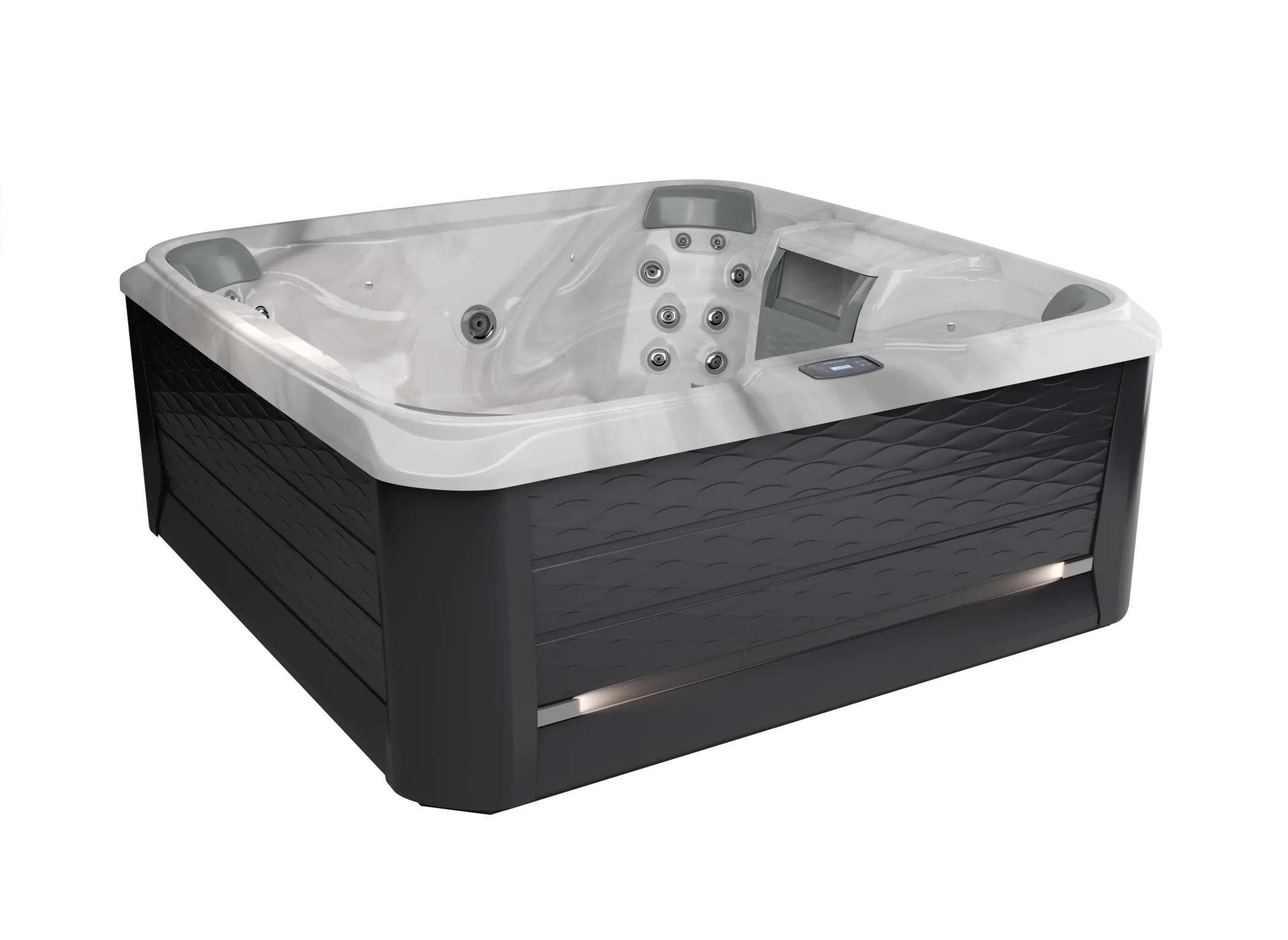
Seating:
Seats
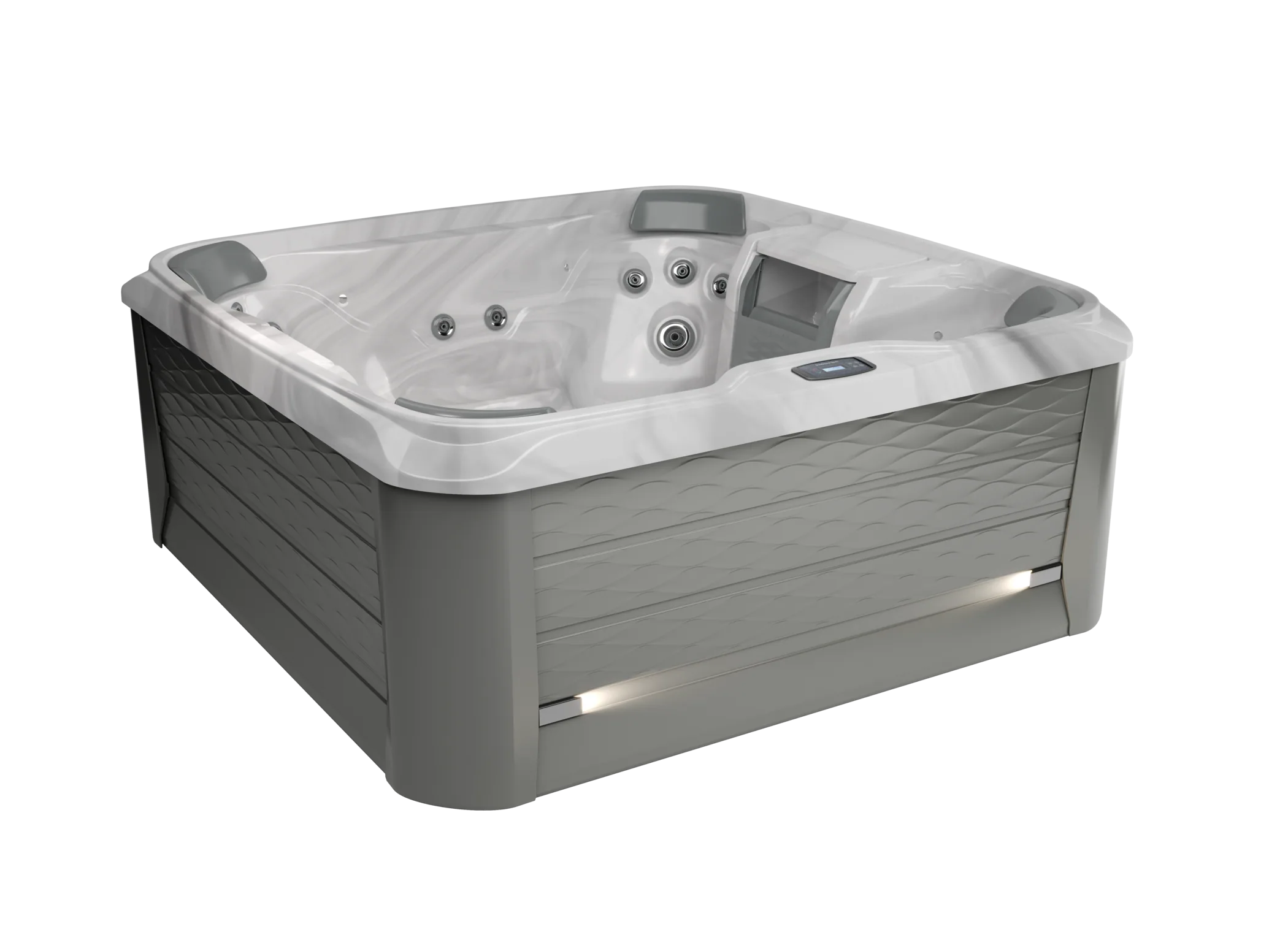
Seating:
Seats

Seating:
Seats

Ontdek de functies die Sundance® Hottubs te bieden hebben en leer hoe u Hottub-tijd een centraal punt kunt maken in uw reis om betekenisvolle momenten te delen met de mensen van wie u houdt.