

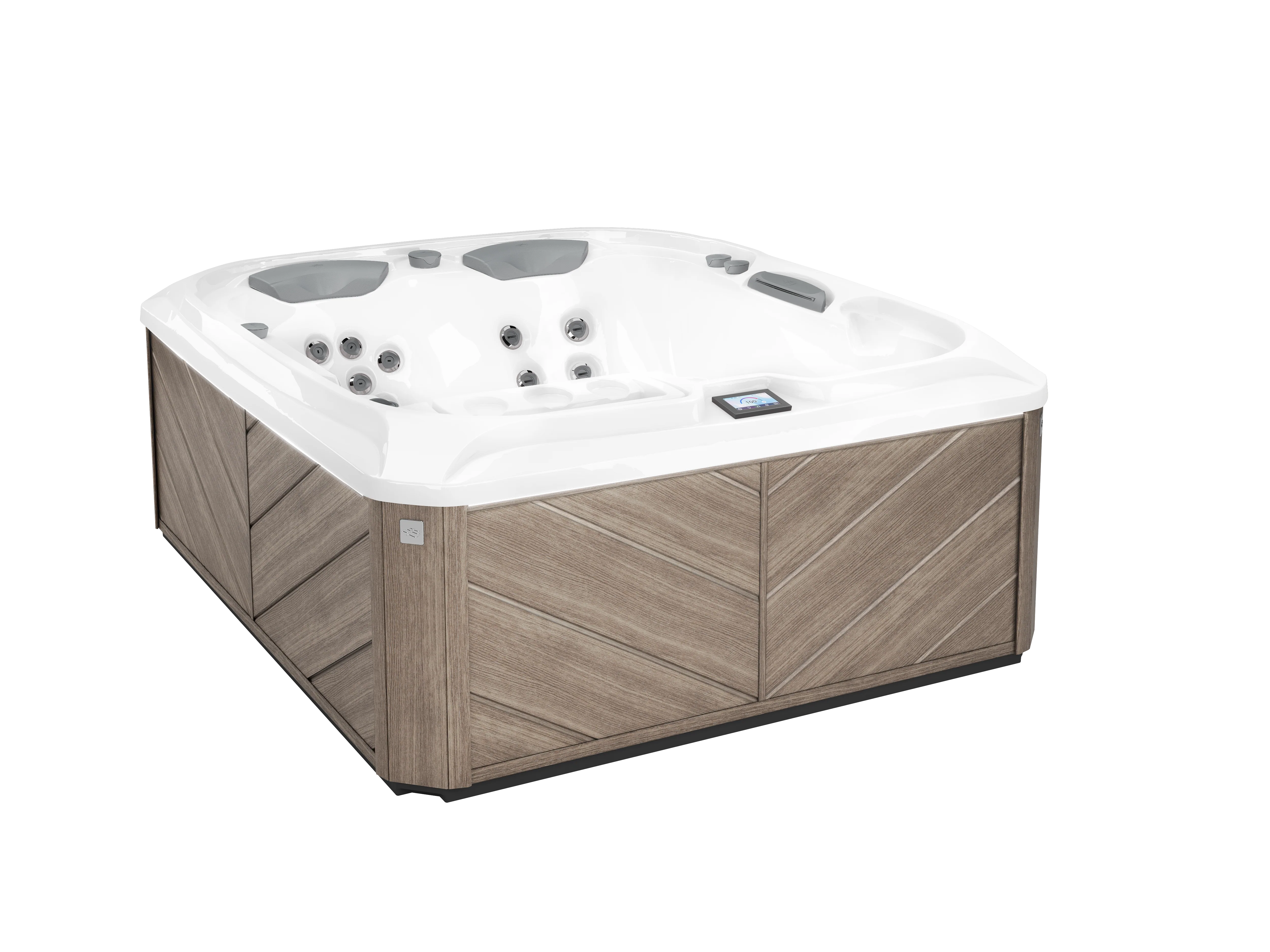
880™ Series
Capri® – 880™ Series
Seating:
2-3
Lounge SeatSeats
Low Profile
Fluidix Jet
Energy Efficient
SmartTub System
Therapy & Recovery
$$$$
RRP$14999

Make a bold statement with a superbly crafted spa, rich with features that are ideal for entertaining or simply relaxing.

Our best-selling spas offer an ideal balance of advanced features, premium comfort, and transformative hydrotherapy.

All the right features for all your best moments, at a value that makes it all possible. Now it's time to make it all happen.

It's easy to love the 680 Series spa for all the fun and relaxing moments, but you'll also appreciate its superior durability and value.

It's easy to love a swim spa for the daily movement and water time it brings, but you'll also appreciate how seamlessly it fits an active life at home.

Every Sundance® spa is built to maximize relaxation with features that make spa ownership a breeze so you can enjoy your new spa with confidence.
Find Your Spa
Explore Sundance models to find the perfect spa for you.



Ashley Field is director of sales training at Jacuzzi Group, where she leads global training strategy and development across multiple brands. Since joining in 2016, she has focused on building programmes that align teams, support business goals, and enhance the customer experience. Field holds a bachelor’s degree in industrial design from Arizona State University and is a member of the Association for Talent Development.
A wellness routine is a repeatable daily or weekly pattern of habits that support your overall health—think movement, nourishing meals, restful sleep, stress relief, and meaningful connection with others. It’s not about adding more to your already full plate, but about creating a gentle rhythm that helps you feel more grounded in your daily life.
When you establish consistent routines, you reduce decision fatigue. You no longer need to debate whether to exercise tonight or when to start winding down for bed. These choices become automatic, freeing your mind and energy for what truly matters. Research consistently shows that people who maintain regular healthy habits experience lower perceived stress, better sleep quality, more stable mood, and improved heart health over time.
The goal isn’t punishment or perfection. A wellness routine should feel like support—a quiet structure that carries you through your days with more ease. Consistent small steps, taken regularly, create lasting change in a way that dramatic overhauls rarely do.
If you’re managing a chronic condition like type 2 diabetes or an anxiety disorder, these routines can still work beautifully for you. Simply adapt them with guidance from your clinician, tailoring the practices to what serves your body and mind best.
The way you begin your morning often sets the tone for everything that follows. Even 10–15 minutes of intentional habits before 9:00 a.m. can make a noticeable difference in your focus, energy, and emotional wellbeing throughout the day.
Consider waking at a consistent time—within a 30-minute window—most days of the week. This supports your natural circadian rhythm and helps you gently begin each morning with more stable energy. For many adults, something like 6:30–7:00 a.m. works well, though your ideal time depends on your life and responsibilities.
A simple wake-up flow might look like this: a gentle stretch while still in bed, one glass of water (about 250 ml), and 5 deep breaths or a 2–3 minute body scan before reaching for your phone. This quiet moment allows your nervous system to ease into the day rather than jolting into stress.
Breakfast matters for sustained mental clarity. A balanced morning meal with protein—like Greek yogurt with berries and oats, or scrambled eggs with spinach and whole-grain toast—supports cognitive function through late morning and helps you avoid the mid-morning energy crash.
Adding one mindfulness element creates space for emotional health from the start. This could be a short meditation using an app, journaling just three lines about how you feel, or setting a simple intention for the day ahead. These few minutes of mental focus can shift your entire experience of the hours that follow.
Morning exposure to natural light also supports your vitamin D levels and helps regulate your sleep cycle, making it easier to fall asleep later that night.
Here’s a realistic, time-boxed example for busy mornings (about 15 minutes total):
Time
Activity
6:45–6:48
Gentle stretching in bed or standing
6:48–6:50
Deep breathing exercises (5–10 slow breaths)
6:50–6:55
Breakfast prep (overnight oats, toast, or quick eggs)
6:55–7:00
Quiet coffee or tea without screens—just sit and be present
Tips to make it easier:
This isn’t about adding pressure. It’s about creating a few minutes of calm before the world rushes in.
That familiar energy dip between 1:00–3:00 p.m. isn’t a personal failing—it’s biology. Your body naturally wants to rest during this window. But rather than reaching for another coffee or something sweet, intentional habits can help you move through this slump with more ease.
Movement is your friend here. Incorporate "exercise snacking"—brief bursts of movement throughout the day—to counter the negative effects of prolonged sitting. A 5–10 minute break every 60–90 minutes of sitting helps increase blood flow, refresh your focus, and prevent the stiffness that comes from hours at a desk. Taking active breaks every hour promotes movement and can include activities such as desk stretches or wall sits to help relax your muscles and release tension. Try:
Taking an actual lunch break—away from your computer when possible—makes a real difference in how you feel by 3:00 p.m. Nourishing midday meals might include a salad with beans and nuts, a rice bowl with vegetables and grilled chicken, or a hearty soup with whole-grain bread. What you eat directly affects your afternoon energy and mood.
A short midday relaxation practice can help you reset. Consider:
Social connection in the middle of the day also supports your mental health and reduces feelings of isolation. Social interactions can stave off loneliness and protect against depression and cognitive decline. Send a quick message to a friend, chat with a coworker about something other than work, or call a family member for just 5 minutes. These small moments of connection matter more than we often realize.
Your evening routine tells your body it’s time to shift from doing to resting. This transition is essential for sleep quality and next-day energy—and it doesn’t require hours of elaborate rituals. Even a simple, consistent wind-down makes a meaningful difference. Prioritizing consistent, quality sleep is crucial for mental restoration and reduces irritability and depression risk.
Set a “wind-down start time” about 60–90 minutes before your target bedtime. If you aim to sleep by 11:00 p.m., start transitioning around 9:30 p.m. This gives your nervous system time to calm and your body time to prepare for rest.
Consider swapping stimulating screen time for gentler activities during this window:
Blue light from screens suppresses melatonin production, making it harder to fall asleep. If you must use devices, enable night mode and keep the interaction brief.
Specific relaxation techniques work beautifully in the evening:
These relaxation techniques not only help reduce stress but can also alleviate pain associated with stress or health conditions.
Sleep hygiene basics complete your evening routine: keep your bedroom cool and dark, limit caffeine after mid-afternoon, and keep your phone on silent or out of arm’s reach overnight. Restorative sleep hygiene involves prioritizing 7–9 hours of sleep with consistent wake times and cooling environments. These small adjustments support your sleep cycle and help you rest more deeply.
Here’s a concrete example of a 30-minute wind-down, starting at 10:00 p.m. with a target bedtime of 10:30 p.m.:
Time
Activity
10:00–10:10
Light stretching or gentle yoga in dim lighting
10:10–10:20
Journaling or gratitude practice (3–5 things you appreciated today)
10:20–10:30
Reading a relaxing book in bed
For shared bedrooms: Choose quiet, screen-free activities that won’t disturb your partner—breathing exercises with an eye mask, silent meditation, or reading with a small book light.
For shift workers: The same structure applies to whatever your “evening” is. The key is dimming lights, calming your nervous system, and creating consistent signals that rest is coming—regardless of the clock.
What nourishes your body each day becomes the foundation of how beautifully you move through life. True vitality emerges when you choose foods that honor both your body and spirit—vibrant fruits that awaken your senses, wholesome grains that ground you, lean proteins that strengthen you, and nurturing fats that sustain you. These aren't just choices; they're moments of self-care that enhance circulation, sharpen your mind, and deliver the effortless energy that transforms ordinary days into extraordinary ones.
Creating a lifestyle that truly serves you isn't about rigid restrictions or denying yourself pleasure. Instead, it's about embracing small, meaningful shifts that elevate both how you feel and how you think. Picture swapping processed snacks for a handful of perfectly roasted nuts or sun-ripened fruit, and crafting each meal as a masterpiece of protein and fiber that satisfies deeply. Hydration becomes your daily ritual of renewal—pure water flowing through your system like a gentle reset for every cell.
Stepping away from excess sugar and overly processed foods creates space for your natural energy to flourish, bringing clarity to your mood and protection for your long-term wellness. Every meal is your opportunity to choose vitality, to craft a way of living that doesn't just sustain you—it makes you feel genuinely alive.
Movement becomes one of life's most elegant solutions for cultivating wellness and dissolving the weight of daily stress. Purposeful physical activity—whether it's a mindful walk that grounds you, a flowing yoga practice, or the satisfying strength of bodyweight exercises—transforms your relationship with stress, elevates sleep into true restoration, and awakens genuine vitality within. Even moments of gentle stretching or a thoughtful stroll can shift everything, creating harmony between body and spirit.
Embrace at least thirty minutes of moderate movement as your daily sanctuary. This sacred time might unfold as a neighborhood walk that reconnects you with the world, a graceful tai chi session, or the empowering rhythm of exercises within your own space. Physical wellness becomes more than weight management or cardiovascular health—it sharpens mental clarity and melts away the day's tensions, leaving you renewed and centered.
If movement feels unfamiliar, honor your journey by beginning with activities that spark joy, allowing intensity to deepen naturally as your body awakens to its potential. True transformation lives in consistency, so weave movement seamlessly into your lifestyle—dance freely in your living room, choose stairs that elevate your energy, or find peace in bedtime yoga. Your entire being will respond with gratitude.
Nature delivers the ultimate wellness experience—one that melts the stresses of daily life away. Even a brief outdoor escape transforms your day, reducing tension while elevating mood and restoring your sense of balance. Natural light becomes your body's wellness partner, boosting essential vitamin D levels that nourish both physical and mental vitality, while nature's symphony of sights and sounds creates a sanctuary where your mind can truly exhale.
Commit to at least 30 minutes of nature immersion each day—whether it's a restorative morning walk through the park, finding quiet sanctuary in a garden, or savoring fresh air from your balcony retreat. These moments of natural connection don't just clear your head—they elevate cognitive performance and infuse your entire day with a calm confidence that stays with you long after you step back inside.
Wellness isn't limited by location—it's about creating meaningful connections with the natural world around you. Even nurturing houseplants or taking mindful pauses by an open window becomes a pathway to relaxation and mental restoration. Make time to reconnect with nature's restorative power and experience the profound difference it creates in your mood and overall sense of wellbeing.
Meaningful social connections aren't just beneficial—they're the foundation of profound mental wellness and elevated living. Time spent with friends, family, or supportive colleagues doesn't merely reduce stress; it transforms your entire emotional landscape, lifting your spirit and creating an authentic sense of belonging that resonates deeply within. Whether you're savoring an intimate coffee conversation, joining a purposeful community group, or contributing through volunteer work, these moments of genuine connection become the cornerstone of a life well-lived.
Social support doesn't just help you cope with life's challenges—it empowers you to navigate them with grace and resilience, offering both encouragement and clarity precisely when your spirit needs it most. Make nurturing your relationships not just a priority, but a deliberate practice of self-investment—reach out for meaningful conversation, orchestrate gatherings that restore, or simply connect authentically with someone who matters to you. Even the briefest interactions carry transformative power, elevating your mental wellness and deepening your sense of connection to what truly matters.
Remember, cultivating community isn't complicated—it's intentional. Small acts of genuine kindness, shared experiences that nourish the soul, and consistent, heartfelt contact with others all contribute to a profound sense of wellbeing and support that extends far beyond the moment. By investing in your social connections, you're not just building relationships—you're creating a foundation for sustained health and authentic happiness that enriches every aspect of your life.
True wellness begins with the profound practice of gratitude and intentional positive thinking. Taking moments each day to honor what flourishes in your life—however gentle—creates a foundation that naturally dissolves stress, elevates mood, and nurtures deep mental well-being. A gratitude journal becomes your personal sanctuary, capturing everything from meaningful connections to those precious moments when peace finds you.
Embrace proven relaxation practices like mindful breathing, meditation, or yoga—each one designed to quiet your mind and create sacred space for positive thoughts to take root. These aren't just exercises; they're transformative rituals that train your consciousness to rest in the present moment and recognize the abundance already surrounding you.
When gratitude and positive thinking become woven into your daily rhythm, you're not just managing stress—you're architecting resilience and cultivating lasting well-being. This isn't about denying life's complexities, but about choosing to see and celebrate the moments that truly matter. Over time, this intentional mindset shift doesn't just improve your health and happiness—it transforms how you experience life itself.
Relaxation exercises can be woven into any part of your day—morning, midday, or evening. These practices help you manage everyday stress, support long-term good health, and create moments of calm that carry you through challenging times.
Deep Diaphragmatic Breathing Slow, belly-focused breathing activates your parasympathetic nervous system and helps you relax quickly. Takes 2–5 minutes. Works well during your commute, before meals, or at bedtime.
Progressive Muscle Relaxation Systematically tense and release muscle groups from your feet to your head, releasing physical tension you may not even notice you’re holding. Takes 5–10 minutes. Best before sleep or during a lunch break.
Visualization Picture a calming place—a quiet beach, a forest path, a warm spa—using all your senses. What do you see, hear, smell, feel? Takes 3–5 minutes. Helpful during stressful moments or as part of your wind-down routine.
Mindful Walking A short walk where you focus entirely on the sensations of movement—your feet touching the ground, the air on your skin, the sounds around you. Takes 5–15 minutes. Perfect for midday breaks or morning movement.
Regular practice—even just a few minutes per day for several weeks—proves more effective than occasional long sessions for stress management. It’s completely normal to feel distracted at first. Your mind will wander; simply notice and return to the practice.
A gentle note: if you have certain mental health conditions, some relaxation practices might occasionally feel uncomfortable. If you notice symptoms worsening, pause and speak with a professional. Your wellbeing comes first.
Different personalities respond to different techniques. Active people often prefer tai chi, yoga, or mindful walking. More introspective individuals might gravitate toward journaling, meditation, or guided imagery. There’s no single right answer—only what works for you.
Try one new practice per week for a month. Keep a simple note each day—just 1–2 lines about how the practice felt and whether you noticed any changes in your sleep, mood, or stress levels. This self-reflection helps you discover what truly serves you.
Relaxation techniques work beautifully alongside other support—talking therapy, support groups, or medical treatment when needed. They’re one tool among many for building a healthy lifestyle.
Free and low-cost resources abound: library books, reputable health websites, and evidence-based apps can guide safe, effective practice without requiring expensive equipment or spa memberships. You can access these tools from anywhere.
Many people abandon routines after a few weeks—not because they lack willpower, but because they designed something too ambitious or rigid. Routines that are realistic and even enjoyable have a far better chance of lasting.
Start with just 1–3 small habits rather than a long checklist:
Basic habit-building strategies that work:
Strategy
Example
Habit stacking
“After I pour my morning coffee, I’ll do 3 deep breaths”
Visual reminders
Sticky note on your bathroom mirror
Streak tracking
Simple check marks on a calendar
Minimum versions
On hard days, 1 minute of breathing instead of a full workout
Flexibility matters more than perfection. Life happens—busy seasons, illness, travel, holidays. Allow yourself minimum versions of habits on difficult days to maintain your routine identity without adding stress. You’re not “cheating” by doing less; you’re being wise.
Review and adjust your routine every 4–6 weeks. What feels helpful? What feels like a burden? What could be simplified or swapped? Your routine should evolve with you, supporting your life rather than competing with it.
There’s no single correct schedule. Your routine should fit your life, not the other way around.
Office workers: Pair wellness habits with your commute—listen to a calming podcast and practice breathing exercises on the train. Use lunch breaks for movement and a proper meal away from your desk.
Remote workers: Create clear transitions between work and rest. A short walk before and after your workday can serve as a commute replacement, helping your body understand when it’s time to relax.
Parents of young children: Integrate rather than add. Family stretching before bed, mindful moments during nap time, or deep breathing while children play nearby. Spend time together in ways that nourish everyone.
Students: Anchor habits to existing routines—breathing exercises before study sessions, stretching after lectures, consistent wind-down times even during exam periods.
Shift workers: Focus on consistent sleep blocks regardless of clock time. Dim lights before your sleep period, use blackout curtains, and prioritize calming rituals before rest.
Plan for disruption seasons—holidays, exams, busy work projects. Choose a very small core routine to maintain during these times and let go of extras temporarily. You can always expand again when life settles.
Returning to routines after illness or travel is normal and expected. Don’t try to solve problems by doing everything at once. Simply pick one familiar habit to restart—often that’s enough to rebuild momentum. In the long run, consistency with imperfection beats perfection with inconsistency every time.
How long does it take to see benefits from a wellness routine? Most people notice small changes—like slightly better sleep or improved mood—within 1–2 weeks of consistent daily habits. More substantial benefits, such as improved physical fitness, lower resting heart rate, or stronger stress resilience, typically appear after 6–8 weeks. The key is sticking with a realistic routine rather than an ambitious one you’ll abandon.
How much time per day do I need to dedicate to wellness habits? Even 15–20 minutes spread through the day can create meaningful change. For example, 5 minutes in the morning for stretching and breathing, 5 minutes at lunch for a walk, and 5–10 minutes in the evening for winding down. Extra time for exercise or hobbies adds benefit, but it’s not essential to start.
Can I have a good wellness routine if I work rotating or night shifts? Absolutely. The same principles apply, but “morning” and “evening” shift to before and after your main sleep period. Prioritize consistent sleep blocks, use dim lighting before rest, and incorporate short relaxation practices after stressful shifts. Your body responds to consistency regardless of what the clock says.
What if I miss several days of my routine? Missed days are normal and don’t erase your progress. Rather than trying to “make up” for lost time, restart with the smallest, easiest habit first—one glass of water after waking, 2 minutes of stretching, or a single deep breath before bed. This gentle approach helps you return without pressure or self-criticism.
Do I need special equipment or apps to follow a wellness routine? No special gear is required for the basic routines described here. Most habits use body-weight movement, simple items you already have at home, pen and paper, or free online resources. Apps, fitness trackers, or journals can be helpful if they motivate you, but they’re entirely optional. The most benefit comes from consistency, not technology.
Your wellness routine is yours to create—a gentle rhythm that carries you through each day with more ease and intention. You don’t need to transform your entire life overnight. Start with one small habit this week. Notice how it feels. Let it grow naturally into something that truly supports your wellbeing, one quiet moment at a time.
Seating:
Seats

Seating:
Seats

Seating:
Seats

Start exploring the features Sundance® spas have to offer, and learn how to make spa time a focal point in your journey to share meaningful moments with the people you love.