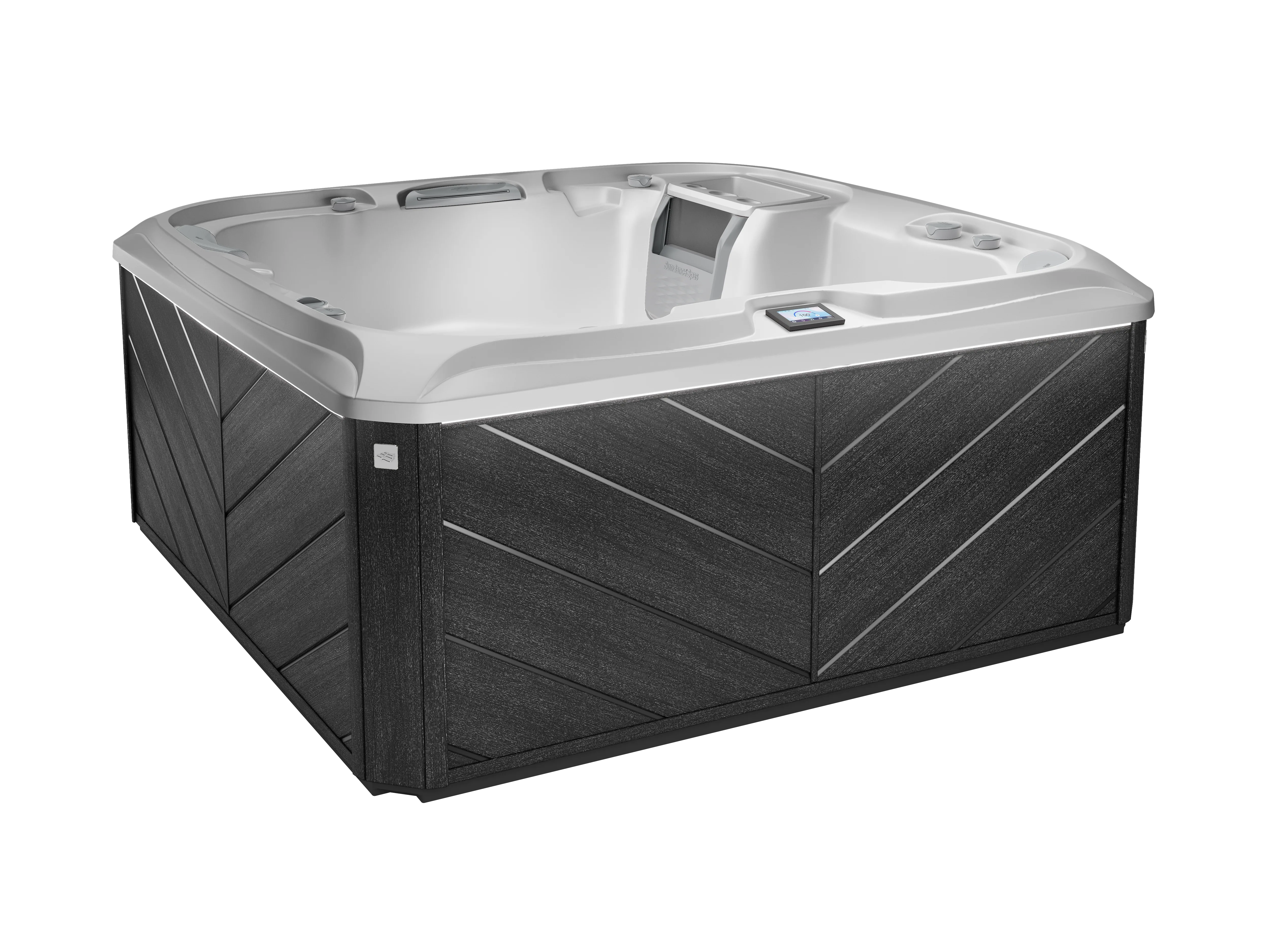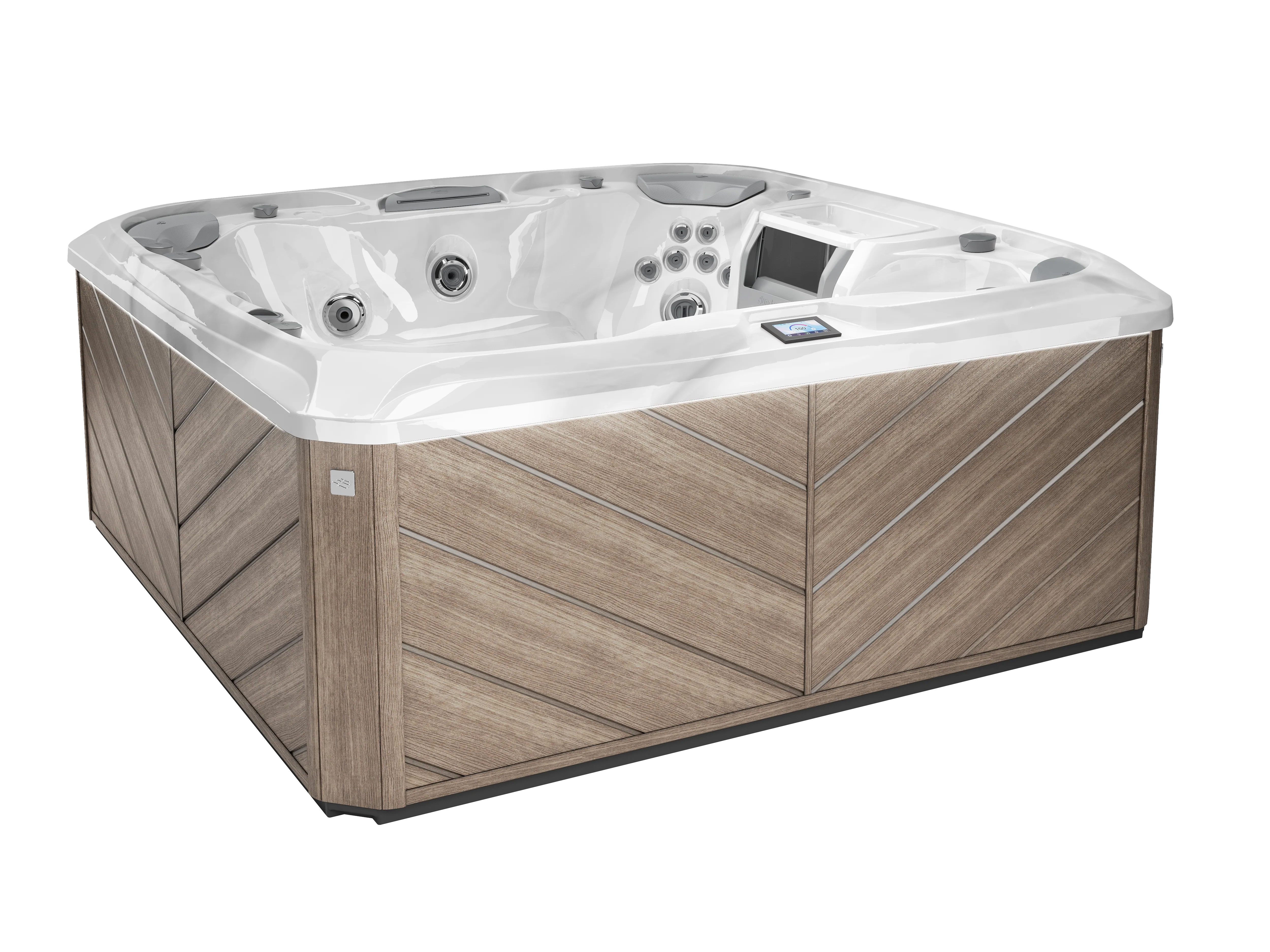

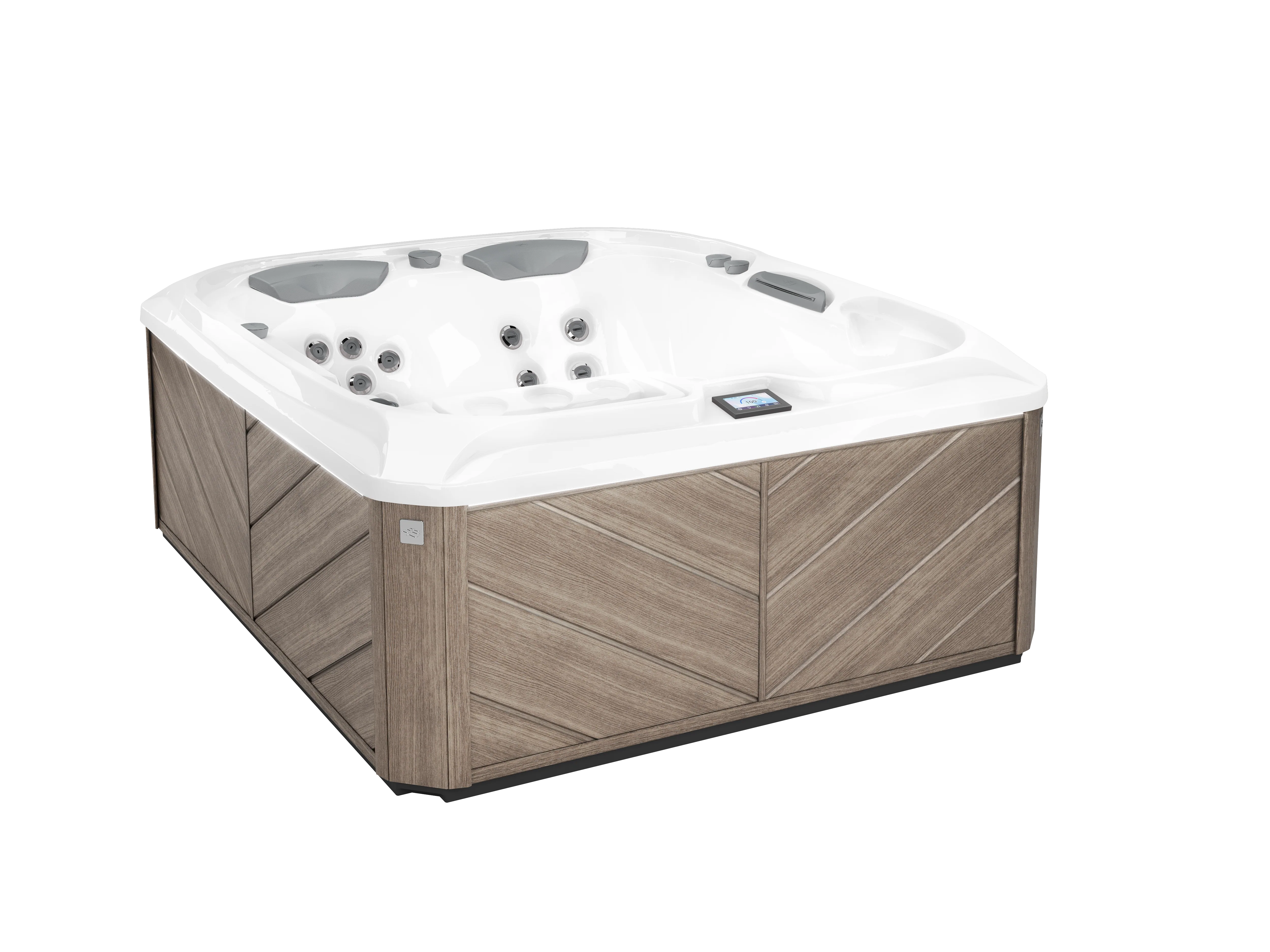
880™ Serie
Capri® – 880™ Series
Seating:
2-3
LoungestoelSeats
Laag profiel
Fluidix Jet
Energy Efficient
SmartTub Systeem
Therapie en herstel
$$$$
MSRP$19699

Maak een gedurfd statement met een prachtig ontworpen Hottub, rijk aan voorzieningen die ideaal zijn om te entertainen of gewoon te ontspannen.

Onze best verkochte Hottubs bieden een ideale balans tussen geavanceerde functies, eersteklas comfort en transformatieve hydrotherapie.

Alle juiste functies voor al je beste momenten, voor een prijs die het allemaal mogelijk maakt. Nu is het tijd om het allemaal voor elkaar te krijgen.

Het is gemakkelijk om van de Hottub uit de 680-serie te genieten voor alle leuke en ontspannende momenten, maar u zult ook de superieure duurzaamheid en waarde waarderen.

Het is gemakkelijk om van een Zwemspa's te houden vanwege de dagelijkse beweging en de tijd in het water die het met zich meebrengt, maar u zult ook waarderen hoe naadloos het past bij een actief leven thuis.

Elke Sundance® Hottub is gebouwd voor maximale ontspanning met functies die het bezit van een Hottub een fluitje van een cent maken, zodat u met een gerust hart van uw nieuwe Hottub kunt genieten.
Hulpbronnen
Vind jouw Hottub
Ontdek de Sundance®-modellen om de perfecte Hottub voor jou te vinden.



Ashley Field is directeur verkooptraining bij Jacuzzi Group, waar ze de wereldwijde trainingsstrategie en -ontwikkeling voor meerdere merken leidt. Sinds haar indiensttreding in 2016 heeft ze zich gericht op het ontwikkelen van programma's die teams op één lijn brengen, bedrijfsdoelstellingen ondersteunen en de klantervaring verbeteren. Field heeft een bachelordiploma in industrieel ontwerp van de Arizona State University en is lid van de Association for Talent Development.
A wellness routine is a repeatable daily or weekly pattern of habits that support your overall health—think movement, nourishing meals, restful sleep, stress relief, and meaningful connection with others. It’s not about adding more to your already full plate, but about creating a gentle rhythm that helps you feel more grounded in your daily life.
When you establish consistent routines, you reduce decision fatigue. You no longer need to debate whether to exercise tonight or when to start winding down for bed. These choices become automatic, freeing your mind and energy for what truly matters. Research consistently shows that people who maintain regular healthy habits experience lower perceived stress, better sleep quality, more stable mood, and improved heart health over time.
The goal isn’t punishment or perfection. A wellness routine should feel like support—a quiet structure that carries you through your days with more ease. Consistent small steps, taken regularly, create lasting change in a way that dramatic overhauls rarely do.
If you’re managing a chronic condition like type 2 diabetes or an anxiety disorder, these routines can still work beautifully for you. Simply adapt them with guidance from your clinician, tailoring the practices to what serves your body and mind best.
The way you begin your morning often sets the tone for everything that follows. Even 10–15 minutes of intentional habits before 9:00 a.m. can make a noticeable difference in your focus, energy, and emotional wellbeing throughout the day.
Consider waking at a consistent time—within a 30-minute window—most days of the week. This supports your natural circadian rhythm and helps you gently begin each morning with more stable energy. For many adults, something like 6:30–7:00 a.m. works well, though your ideal time depends on your life and responsibilities.
A simple wake-up flow might look like this: a gentle stretch while still in bed, one glass of water (about 250 ml), and 5 deep breaths or a 2–3 minute body scan before reaching for your phone. This quiet moment allows your nervous system to ease into the day rather than jolting into stress.
Breakfast matters for sustained mental clarity. A balanced morning meal with protein—like Greek yogurt with berries and oats, or scrambled eggs with spinach and whole-grain toast—supports cognitive function through late morning and helps you avoid the mid-morning energy crash.
Adding one mindfulness element creates space for emotional health from the start. This could be a short meditation using an app, journaling just three lines about how you feel, or setting a simple intention for the day ahead. These few minutes of mental focus can shift your entire experience of the hours that follow.
Morning exposure to natural light also supports your vitamin D levels and helps regulate your sleep cycle, making it easier to fall asleep later that night.
Here’s a realistic, time-boxed example for busy mornings (about 15 minutes total):
Time
Activity
6:45–6:48
Gentle stretching in bed or standing
6:48–6:50
Deep breathing exercises (5–10 slow breaths)
6:50–6:55
Breakfast prep (overnight oats, toast, or quick eggs)
6:55–7:00
Quiet coffee or tea without screens—just sit and be present
Tips to make it easier:
This isn’t about adding pressure. It’s about creating a few minutes of calm before the world rushes in.
That familiar energy dip between 1:00–3:00 p.m. isn’t a personal failing—it’s biology. Your body naturally wants to rest during this window. But rather than reaching for another coffee or something sweet, intentional habits can help you move through this slump with more ease.
Movement is your friend here. Incorporate "exercise snacking"—brief bursts of movement throughout the day—to counter the negative effects of prolonged sitting. A 5–10 minute break every 60–90 minutes of sitting helps increase blood flow, refresh your focus, and prevent the stiffness that comes from hours at a desk. Taking active breaks every hour promotes movement and can include activities such as desk stretches or wall sits to help relax your muscles and release tension. Try:
Taking an actual lunch break—away from your computer when possible—makes a real difference in how you feel by 3:00 p.m. Nourishing midday meals might include a salad with beans and nuts, a rice bowl with vegetables and grilled chicken, or a hearty soup with whole-grain bread. What you eat directly affects your afternoon energy and mood.
A short midday relaxation practice can help you reset. Consider:
Social connection in the middle of the day also supports your mental health and reduces feelings of isolation. Social interactions can stave off loneliness and protect against depression and cognitive decline. Send a quick message to a friend, chat with a coworker about something other than work, or call a family member for just 5 minutes. These small moments of connection matter more than we often realize.
Your evening routine tells your body it’s time to shift from doing to resting. This transition is essential for sleep quality and next-day energy—and it doesn’t require hours of elaborate rituals. Even a simple, consistent wind-down makes a meaningful difference. Prioritizing consistent, quality sleep is crucial for mental restoration and reduces irritability and depression risk.
Set a “wind-down start time” about 60–90 minutes before your target bedtime. If you aim to sleep by 11:00 p.m., start transitioning around 9:30 p.m. This gives your nervous system time to calm and your body time to prepare for rest.
Consider swapping stimulating screen time for gentler activities during this window:
Blue light from screens suppresses melatonin production, making it harder to fall asleep. If you must use devices, enable night mode and keep the interaction brief.
Specific relaxation techniques work beautifully in the evening:
These relaxation techniques not only help reduce stress but can also alleviate pain associated with stress or health conditions.
Sleep hygiene basics complete your evening routine: keep your bedroom cool and dark, limit caffeine after mid-afternoon, and keep your phone on silent or out of arm’s reach overnight. Restorative sleep hygiene involves prioritizing 7–9 hours of sleep with consistent wake times and cooling environments. These small adjustments support your sleep cycle and help you rest more deeply.
Here’s a concrete example of a 30-minute wind-down, starting at 10:00 p.m. with a target bedtime of 10:30 p.m.:
Time
Activity
10:00–10:10
Light stretching or gentle yoga in dim lighting
10:10–10:20
Journaling or gratitude practice (3–5 things you appreciated today)
10:20–10:30
Reading a relaxing book in bed
For shared bedrooms: Choose quiet, screen-free activities that won’t disturb your partner—breathing exercises with an eye mask, silent meditation, or reading with a small book light.
For shift workers: The same structure applies to whatever your “evening” is. The key is dimming lights, calming your nervous system, and creating consistent signals that rest is coming—regardless of the clock.
What nourishes your body each day becomes the foundation of how beautifully you move through life. True vitality emerges when you choose foods that honor both your body and spirit—vibrant fruits that awaken your senses, wholesome grains that ground you, lean proteins that strengthen you, and nurturing fats that sustain you. These aren't just choices; they're moments of self-care that enhance circulation, sharpen your mind, and deliver the effortless energy that transforms ordinary days into extraordinary ones.
Creating a lifestyle that truly serves you isn't about rigid restrictions or denying yourself pleasure. Instead, it's about embracing small, meaningful shifts that elevate both how you feel and how you think. Picture swapping processed snacks for a handful of perfectly roasted nuts or sun-ripened fruit, and crafting each meal as a masterpiece of protein and fiber that satisfies deeply. Hydration becomes your daily ritual of renewal—pure water flowing through your system like a gentle reset for every cell.
Stepping away from excess sugar and overly processed foods creates space for your natural energy to flourish, bringing clarity to your mood and protection for your long-term wellness. Every meal is your opportunity to choose vitality, to craft a way of living that doesn't just sustain you—it makes you feel genuinely alive.
Movement becomes one of life's most elegant solutions for cultivating wellness and dissolving the weight of daily stress. Purposeful physical activity—whether it's a mindful walk that grounds you, a flowing yoga practice, or the satisfying strength of bodyweight exercises—transforms your relationship with stress, elevates sleep into true restoration, and awakens genuine vitality within. Even moments of gentle stretching or a thoughtful stroll can shift everything, creating harmony between body and spirit.
Embrace at least thirty minutes of moderate movement as your daily sanctuary. This sacred time might unfold as a neighborhood walk that reconnects you with the world, a graceful tai chi session, or the empowering rhythm of exercises within your own space. Physical wellness becomes more than weight management or cardiovascular health—it sharpens mental clarity and melts away the day's tensions, leaving you renewed and centered.
If movement feels unfamiliar, honor your journey by beginning with activities that spark joy, allowing intensity to deepen naturally as your body awakens to its potential. True transformation lives in consistency, so weave movement seamlessly into your lifestyle—dance freely in your living room, choose stairs that elevate your energy, or find peace in bedtime yoga. Your entire being will respond with gratitude.
Nature delivers the ultimate wellness experience—one that melts the stresses of daily life away. Even a brief outdoor escape transforms your day, reducing tension while elevating mood and restoring your sense of balance. Natural light becomes your body's wellness partner, boosting essential vitamin D levels that nourish both physical and mental vitality, while nature's symphony of sights and sounds creates a sanctuary where your mind can truly exhale.
Commit to at least 30 minutes of nature immersion each day—whether it's a restorative morning walk through the park, finding quiet sanctuary in a garden, or savoring fresh air from your balcony retreat. These moments of natural connection don't just clear your head—they elevate cognitive performance and infuse your entire day with a calm confidence that stays with you long after you step back inside.
Wellness isn't limited by location—it's about creating meaningful connections with the natural world around you. Even nurturing houseplants or taking mindful pauses by an open window becomes a pathway to relaxation and mental restoration. Make time to reconnect with nature's restorative power and experience the profound difference it creates in your mood and overall sense of wellbeing.
Meaningful social connections aren't just beneficial—they're the foundation of profound mental wellness and elevated living. Time spent with friends, family, or supportive colleagues doesn't merely reduce stress; it transforms your entire emotional landscape, lifting your spirit and creating an authentic sense of belonging that resonates deeply within. Whether you're savoring an intimate coffee conversation, joining a purposeful community group, or contributing through volunteer work, these moments of genuine connection become the cornerstone of a life well-lived.
Social support doesn't just help you cope with life's challenges—it empowers you to navigate them with grace and resilience, offering both encouragement and clarity precisely when your spirit needs it most. Make nurturing your relationships not just a priority, but a deliberate practice of self-investment—reach out for meaningful conversation, orchestrate gatherings that restore, or simply connect authentically with someone who matters to you. Even the briefest interactions carry transformative power, elevating your mental wellness and deepening your sense of connection to what truly matters.
Remember, cultivating community isn't complicated—it's intentional. Small acts of genuine kindness, shared experiences that nourish the soul, and consistent, heartfelt contact with others all contribute to a profound sense of wellbeing and support that extends far beyond the moment. By investing in your social connections, you're not just building relationships—you're creating a foundation for sustained health and authentic happiness that enriches every aspect of your life.
True wellness begins with the profound practice of gratitude and intentional positive thinking. Taking moments each day to honor what flourishes in your life—however gentle—creates a foundation that naturally dissolves stress, elevates mood, and nurtures deep mental well-being. A gratitude journal becomes your personal sanctuary, capturing everything from meaningful connections to those precious moments when peace finds you.
Embrace proven relaxation practices like mindful breathing, meditation, or yoga—each one designed to quiet your mind and create sacred space for positive thoughts to take root. These aren't just exercises; they're transformative rituals that train your consciousness to rest in the present moment and recognize the abundance already surrounding you.
When gratitude and positive thinking become woven into your daily rhythm, you're not just managing stress—you're architecting resilience and cultivating lasting well-being. This isn't about denying life's complexities, but about choosing to see and celebrate the moments that truly matter. Over time, this intentional mindset shift doesn't just improve your health and happiness—it transforms how you experience life itself.
Ontspanningsoefeningen kunnen op elk moment van de dag worden ingepast – 's ochtends, 's middags of 's avonds. Deze oefeningen helpen u om dagelijkse stress te beheersen, dragen bij aan een goede gezondheid op lange termijn en creëren momenten van rust die u door uitdagende tijden heen helpen.
Diepe middenrifademhaling Langzame, buikgerichte ademhaling activeert uw parasympathische zenuwstelsel en helpt u snel te ontspannen. Duurt 2-5 minuten. Werkt goed tijdens het woon-werkverkeer, voor de maaltijd of voor het slapengaan.
Progressieve spierontspanning Span en ontspan systematisch spiergroepen van uw voeten tot uw hoofd, waarbij u fysieke spanning loslaat die u misschien niet eens merkt. Duurt 5-10 minuten. Het beste voor het slapengaan of tijdens een lunchpauze.
Visualisatie Stel u een rustgevende plek voor – een stil strand, een bospad, een warme Hottub – en gebruik al uw zintuigen. Wat ziet, hoort, ruikt, voelt u? Duurt 3-5 minuten. Nuttig tijdens stressvolle momenten of als onderdeel van uw ontspanningsroutine.
Mindful wandelen Een korte wandeling waarbij u zich volledig concentreert op de sensaties van beweging – uw voeten die de grond raken, de lucht op uw huid, de geluiden om u heen. Duurt 5-15 minuten. Perfect voor middagpauzes of ochtendbeweging.
Regelmatige oefening – zelfs maar een paar minuten per dag gedurende enkele weken – blijkt effectiever dan af en toe lange sessies voor stressmanagement. Het is volkomen normaal om u in het begin afgeleid te voelen. Uw gedachten zullen afdwalen; merk het gewoon op en keer terug naar de oefening.
Een vriendelijke opmerking: als u bepaalde psychische aandoeningen heeft, kunnen sommige ontspanningsoefeningen af en toe ongemakkelijk aanvoelen. Als u merkt dat de symptomen verergeren, pauzeer dan en raadpleeg een professional. Uw welzijn staat voorop.
Verschillende persoonlijkheden reageren op verschillende technieken. Actieve mensen geven vaak de voorkeur aan tai chi, yoga of mindful wandelen. Meer introspectieve individuen neigen naar journaling, meditatie of geleide visualisatie. Er is geen enkel juist antwoord – alleen wat voor u werkt.
Probeer een maand lang elke week één nieuwe oefening. Houd elke dag een eenvoudige notitie bij – slechts 1-2 regels over hoe de oefening aanvoelde en of u veranderingen opmerkte in uw slaap, stemming of stressniveaus. Deze zelfreflectie helpt u te ontdekken wat u echt dient.
Ontspanningstechnieken werken prachtig naast andere ondersteuning – gesprekstherapie, steungroepen of medische behandeling indien nodig. Ze zijn één van de vele hulpmiddelen voor het opbouwen van een gezonde levensstijl.
Er zijn tal van gratis en goedkope hulpmiddelen: bibliotheekboeken, gerenommeerde gezondheidswebsites en evidence-based apps kunnen veilige, effectieve oefeningen begeleiden zonder dure apparatuur of Hottub-lidmaatschappen te vereisen. U kunt deze hulpmiddelen overal vandaan benaderen.
Veel mensen geven routines na een paar weken op – niet omdat ze een gebrek aan wilskracht hebben, maar omdat ze iets te ambitieus of rigide hebben ontworpen. Routines die realistisch en zelfs plezierig zijn, hebben een veel grotere kans om stand te houden.
Begin met slechts 1-3 kleine gewoontes in plaats van een lange checklist:
Eenvoudige strategieën om gewoontes op te bouwen die werken:
Strategie
Voorbeeld
Gewoonte stapelen
“Nadat ik mijn ochtendkoffie heb ingeschonken, zal ik 3 keer diep ademhalen”
Visuele herinneringen
Plakbriefje op je badkamerspiegel
Voortgang bijhouden
Eenvoudige vinkjes op een kalender
Minimale versies
Op moeilijke dagen, 1 minuut ademhalingsoefeningen in plaats van een volledige training
Flexibiliteit is belangrijker dan perfectie. Het leven overkomt je — drukke periodes, ziekte, reizen, vakanties. Sta jezelf minimale versies van gewoontes toe op moeilijke dagen om je routine-identiteit te behouden zonder stress toe te voegen. Je 'cheats' niet door minder te doen; je bent verstandig.
Evalueer en pas je routine elke 4-6 weken aan. Wat voelt nuttig? Wat voelt als een last? Wat kan worden vereenvoudigd of vervangen? Je routine moet met je meegroeien, je leven ondersteunen in plaats van ermee te concurreren.
Er is geen enkel correct schema. Je routine moet bij je leven passen, niet andersom.
Kantoormedewerkers: Combineer wellnessgewoonten met je woon-werkverkeer—luister naar een rustgevende podcast en doe ademhalingsoefeningen in de trein. Gebruik lunchpauzes voor beweging en een goede maaltijd weg van je bureau.
Thuiswerkers: Creëer duidelijke overgangen tussen werk en rust. Een korte wandeling voor en na je werkdag kan dienen als vervanging van het woon-werkverkeer, waardoor je lichaam begrijpt wanneer het tijd is om te ontspannen.
Ouders van jonge kinderen: Integreer in plaats van toe te voegen. Samen rekken voor het slapengaan, bewuste momenten tijdens het dutje, of diepe ademhalingsoefeningen terwijl kinderen in de buurt spelen. Breng tijd samen door op manieren die iedereen voeden.
Studenten: Koppel gewoonten aan bestaande routines—ademhalingsoefeningen voor studiesessies, stretchen na colleges, consistente ontspanningstijden, zelfs tijdens examenperiodes.
Ploegendienstmedewerkers: Concentreer je op consistente slaapblokken, ongeacht de kloktijd. Dim de lichten voor je slaapperiode, gebruik verduisterende gordijnen, en geef prioriteit aan kalmerende rituelen voor het slapengaan.
Plan voor periodes van verstoring—vakanties, examens, drukke werkprojecten. Kies een zeer kleine kernroutine om tijdens deze periodes aan te houden en laat extra's tijdelijk los. Je kunt altijd weer uitbreiden wanneer het leven rustiger wordt.
Terugkeren naar routines na ziekte of reizen is normaal en verwacht. Probeer problemen niet op te lossen door alles tegelijk te doen. Kies gewoon één bekende gewoonte om opnieuw te starten—vaak is dat genoeg om het momentum weer op te bouwen. Op de lange termijn wint consistentie met imperfectie het altijd van perfectie met inconsistentie.
Hoe lang duurt het voordat ik de voordelen van een wellnessroutine merk? De meeste mensen merken kleine veranderingen—zoals iets betere slaap of een verbeterde stemming—binnen 1-2 weken van consistente dagelijkse gewoonten. Meer substantiële voordelen, zoals een verbeterde fysieke conditie, een lagere rusthartslag of een sterkere stressbestendigheid, verschijnen doorgaans na 6-8 weken. De sleutel is het aanhouden van een realistische routine in plaats van een ambitieuze die je zult opgeven.
Hoeveel tijd per dag moet ik besteden aan wellnessgewoonten? Zelfs 15-20 minuten verspreid over de dag kan zinvolle verandering teweegbrengen. Bijvoorbeeld 5 minuten 's ochtends voor stretchen en ademhaling, 5 minuten tijdens de lunch voor een wandeling, en 5-10 minuten 's avonds om tot rust te komen. Extra tijd voor lichaamsbeweging of hobby's voegt voordeel toe, maar is niet essentieel om te beginnen.
Kan ik een goede wellnessroutine hebben als ik in ploegendienst of nachtdiensten werk? Absoluut. Dezelfde principes zijn van toepassing, maar "ochtend" en "avond" verschuiven naar voor en na je belangrijkste slaapperiode. Geef prioriteit aan consistente slaapblokken, gebruik gedimd licht voor het slapengaan en neem korte ontspanningsoefeningen op na stressvolle diensten. Je lichaam reageert op consistentie, ongeacht wat de klok aangeeft.
Wat als ik meerdere dagen mijn routine mis? Gemiste dagen zijn normaal en wissen je vooruitgang niet uit. In plaats van te proberen verloren tijd "in te halen", begin je opnieuw met de kleinste, gemakkelijkste gewoonte—één glas water na het ontwaken, 2 minuten stretchen, of een enkele diepe ademhaling voor het slapengaan. Deze zachte aanpak helpt je terug te keren zonder druk of zelfkritiek.
Heb ik speciale apparatuur of apps nodig om een wellnessroutine te volgen? Je hebt geen speciale uitrusting nodig voor de basisroutines die hier worden beschreven. De meeste gewoontes maken gebruik van lichaamsgewichtoefeningen, eenvoudige spullen die je al thuis hebt, pen en papier, of gratis online bronnen. Apps, fitnesstrackers of dagboeken kunnen nuttig zijn als ze je motiveren, maar ze zijn volledig optioneel. Het grootste voordeel komt voort uit consistentie, niet uit technologie.
Jouw wellnessroutine creëer je zelf – een zacht ritme dat je elke dag met meer gemak en bewuste aandacht doorbrengt. Je hoeft niet je hele leven van de ene op de andere dag te transformeren. Begin deze week met één kleine gewoonte. Merk op hoe het voelt. Laat het op natuurlijke wijze uitgroeien tot iets dat je welzijn echt ondersteunt, één rustig moment tegelijk.
Seating:
Seats

Seating:
Seats

Seating:
Seats

Begin met het verkennen van de functies die Sundance® Hottubs te bieden hebben, en leer hoe je Hottub-tijd een centraal punt kunt maken in je reis om betekenisvolle momenten te delen met de mensen van wie je houdt.