
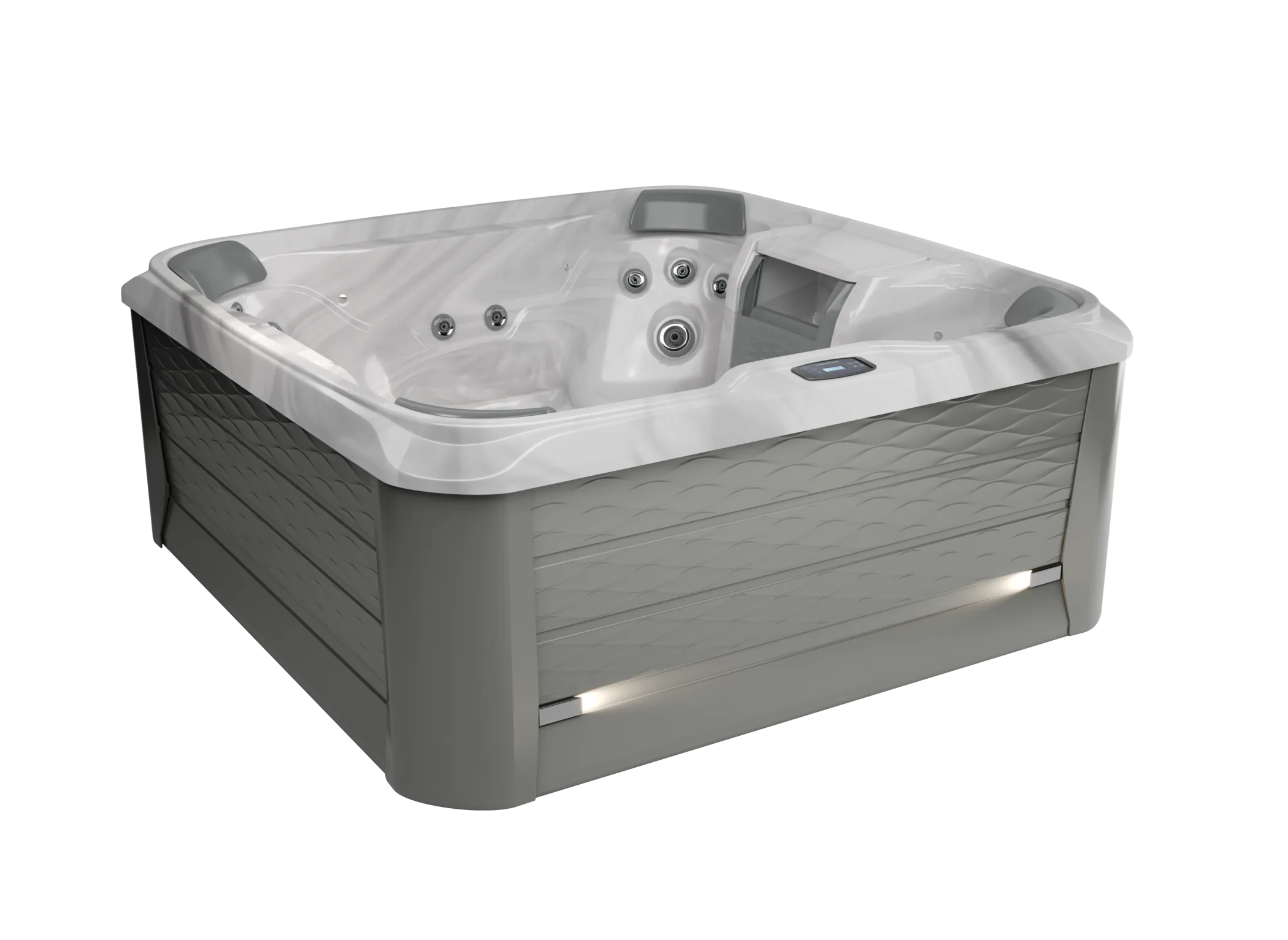
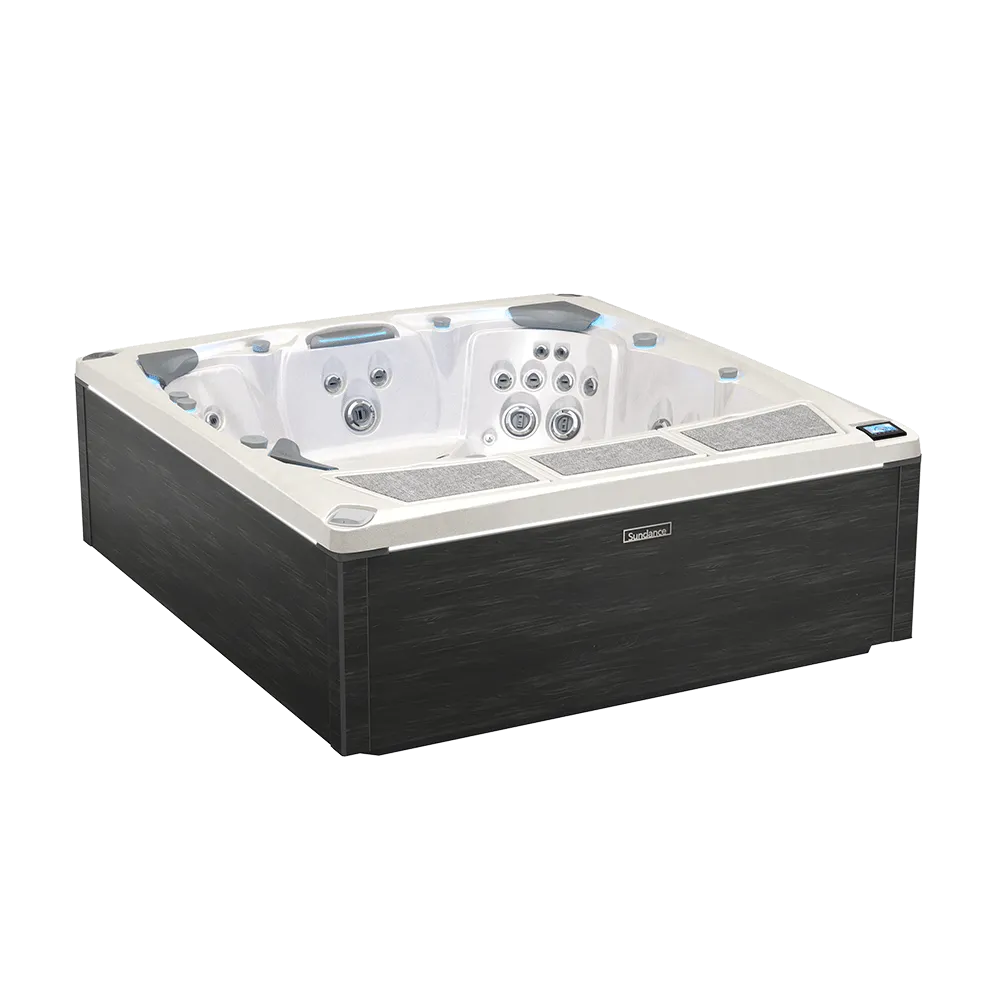
Seria 680™
Edison® – Seria 680™
Seating:
6-6
Siedzisko otwarteSeats
Energooszczędny
$$$
MSRP$10799

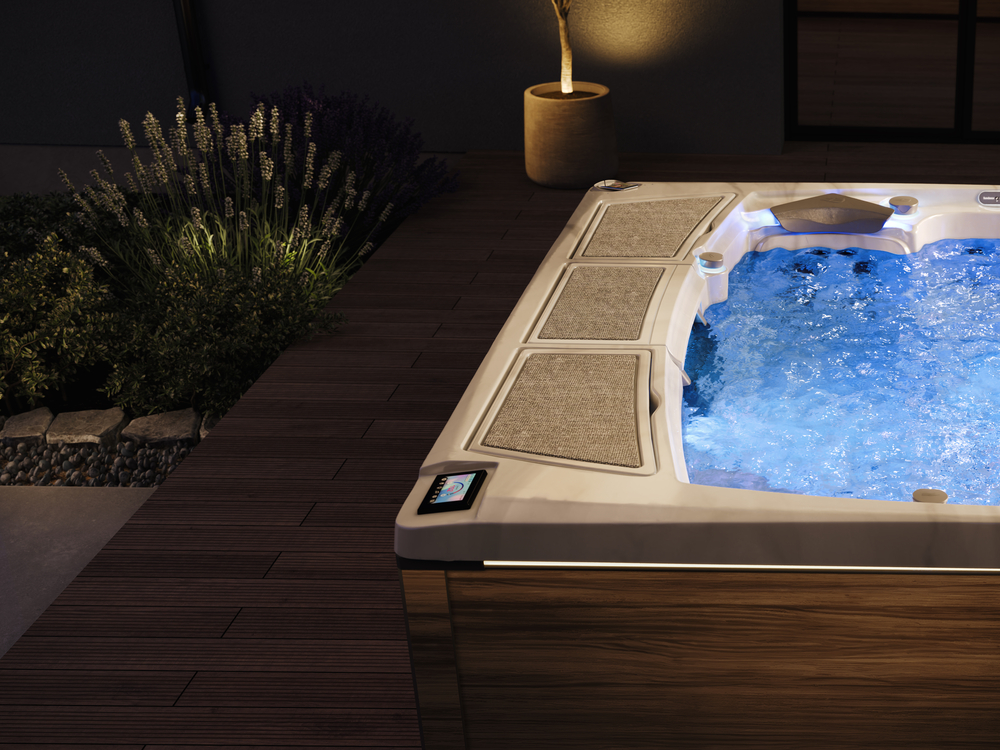
Zrób odważne oświadczenie dzięki znakomicie wykonanemu Wanny Spa, bogatemu w funkcje, które są idealne do rozrywki lub po prostu relaksu.

Nasze najlepiej sprzedające się Wanny Spa oferują idealną równowagę zaawansowanych funkcji, najwyższej jakości komfortu i transformacyjnej hydroterapii.

Wszystkie odpowiednie funkcje na wszystkie najlepsze chwile, w wartości, która sprawia, że wszystko jest możliwe. Teraz nadszedł czas, aby to wszystko się stało.
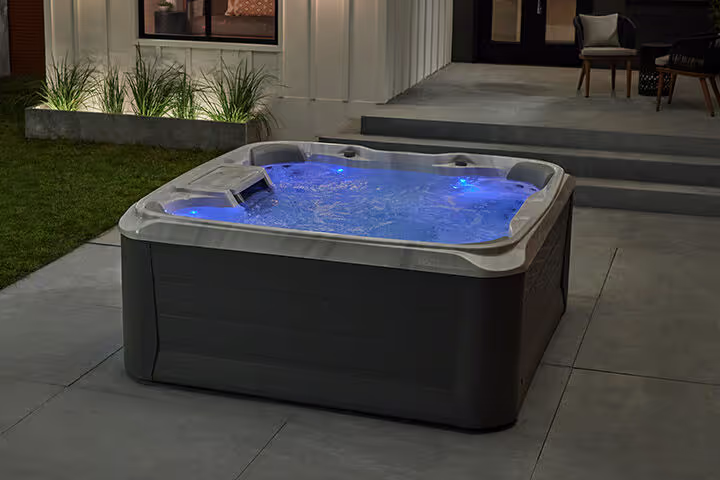
Łatwo jest pokochać Wanny Spa z serii 680 za wszystkie przyjemne i relaksujące chwile, ale docenisz również jego doskonałą trwałość i wartość.
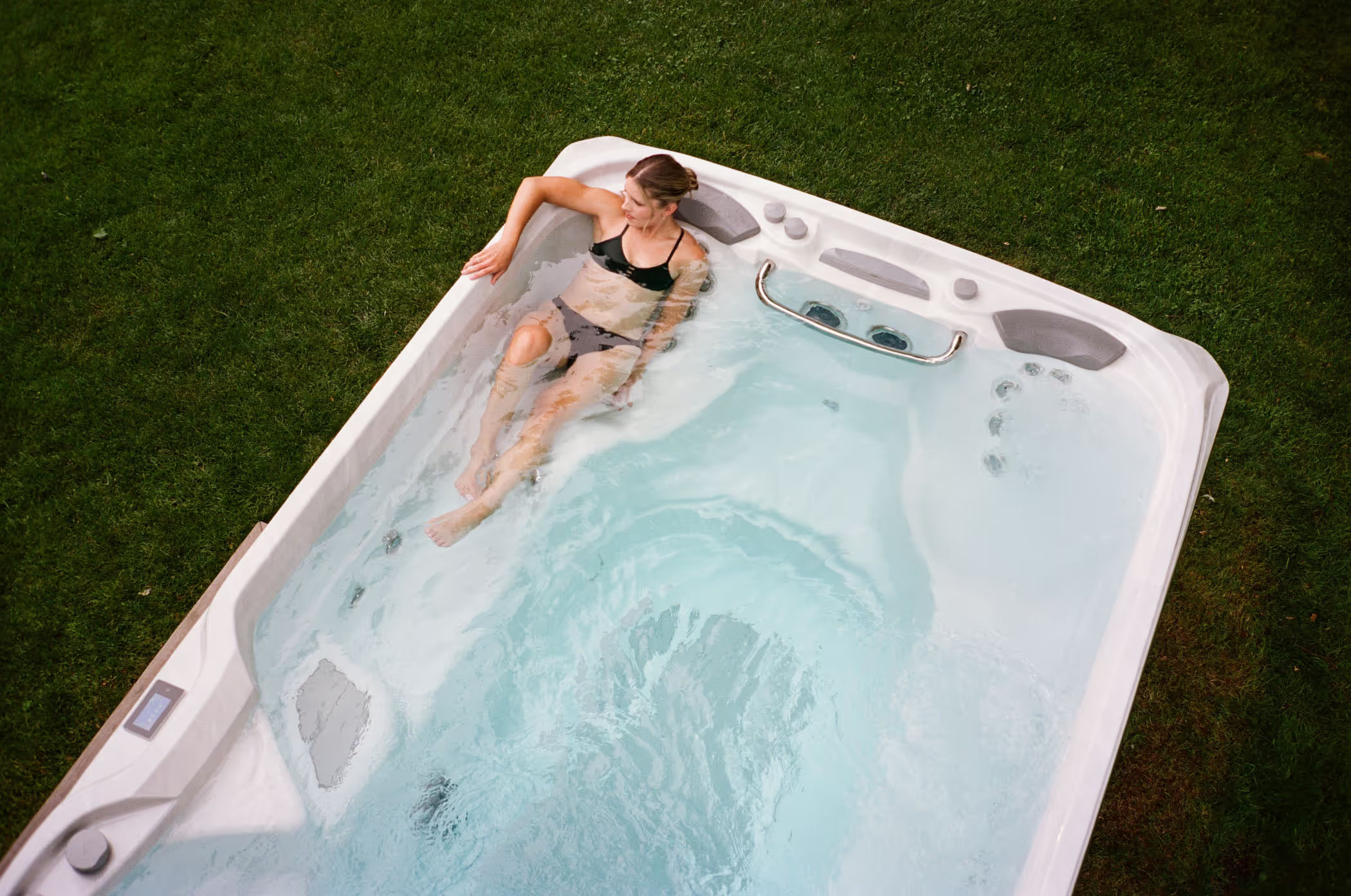
Łatwo jest pokochać Swim Spa ze względu na codzienny ruch i czas spędzony w wodzie, ale docenisz również, jak płynnie pasuje do aktywnego życia w domu.

Każde Wanny Spa Sundance® zostało zbudowane tak, aby zmaksymalizować relaks dzięki funkcjom, które sprawiają, że posiadanie Wanny Spa jest proste, dzięki czemu możesz cieszyć się nowym Wanny Spa z pewnością siebie.
Znajdź swoje Wanny Spa
Poznaj modele Sundance®, aby znaleźć idealne Wanny Spa dla siebie.



Ashley Field jest dyrektorem ds. szkoleń sprzedażowych w Jacuzzi® Group, gdzie kieruje globalną strategią i rozwojem szkoleń dla wielu marek. Od dołączenia do firmy w 2016 roku skupia się na tworzeniu programów, które integrują zespoły, wspierają cele biznesowe i poprawiają doświadczenia klientów. Field posiada tytuł licencjata w dziedzinie wzornictwa przemysłowego uzyskany na Arizona State University i jest członkiem Association for Talent Development.
Wondering what goes wrong with a hot tub? This guide covers common issues like heating failures, jet problems, noisy pumps, and water quality issues, plus tips on how to fix them. Keep reading to learn how to keep your quality hot tub running smoothly.
One of the most frustrating hot tub problems is when the water won’t heat up. Common hot tub problems include:
When troubleshooting heater failure, check the filter and thermostat for damage, verify proper water level and circulation, and examine the heater breaker for issues. A malfunctioning heater element or thermostat often causes heating problems.
Also, examine the heater breaker and look for airlocks or issues with the heating element. Promptly addressing these problems can save you from costly repairs and prolonged downtime, keeping your hot tub warm and inviting.
A damaged heating element can prevent your water from reaching the desired temperature. Common issues and steps to address them include:
Regular maintenance and water chemistry monitoring can help prevent these issues, ensuring your hot tub provides consistent heat and comfort.
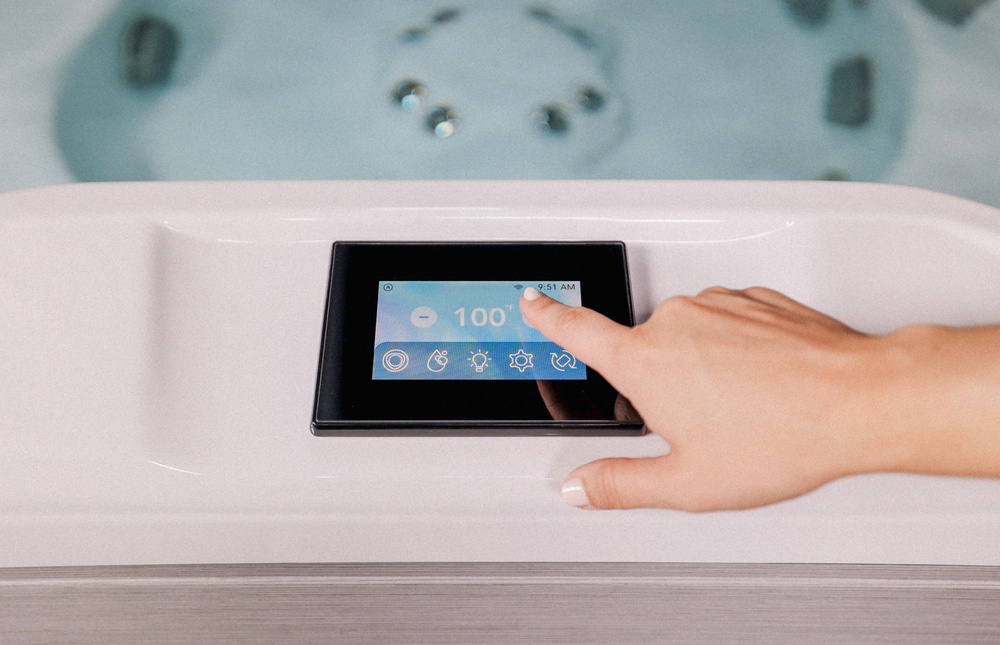
A malfunctioning thermostat can cause uneven water temperatures, leading to discomfort. Check the control panel for error codes related to heating problems to identify thermostat issues. If the thermostat is faulty, replacing it may restore proper heating functionality.
Promptly addressing thermostat issues can prevent costly repairs and keep your hot tub cozy.
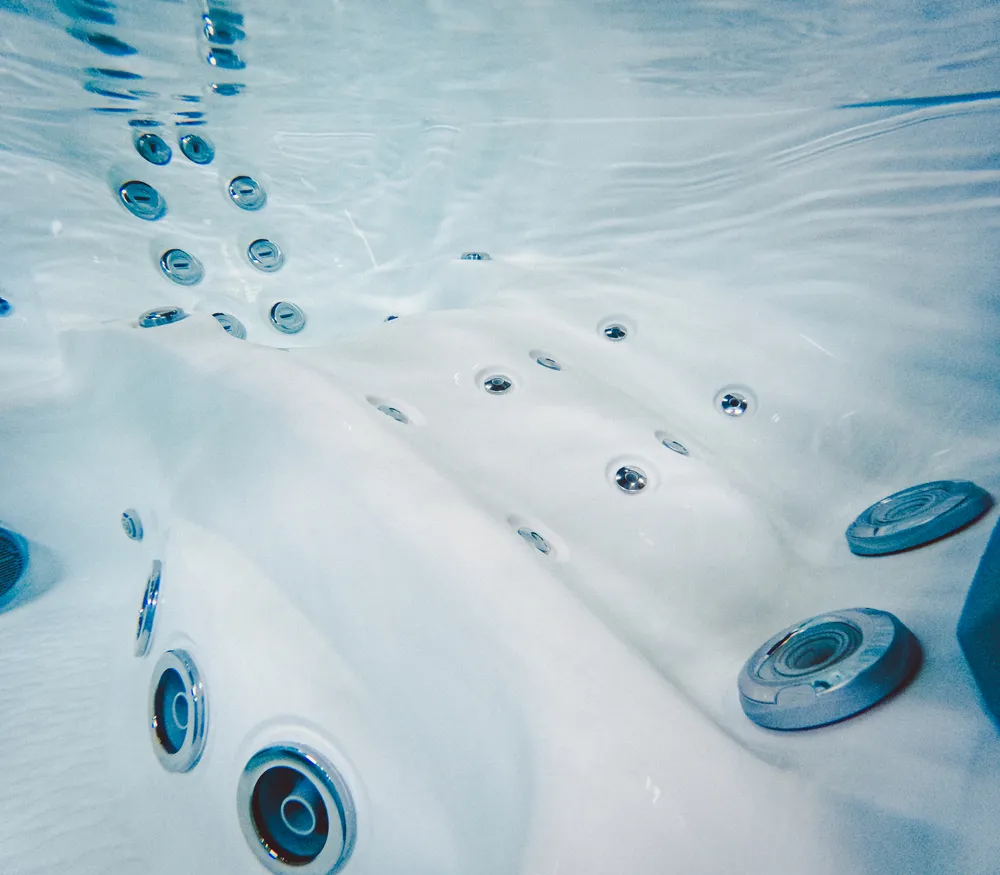
Jets create a soothing and therapeutic hot tub experience but can sometimes malfunction, leading to weak or non-functional jets. Common issues include airlocks, clogs, or malfunctioning components. If a specific jet isn’t working, try the following:
Prevent weak jets and plumbing line leaks by winterizing the spa correctly, cleaning each jet line, and fully draining the hot tub. Regular maintenance and monitoring can keep your jets running smoothly, ensuring a consistent and enjoyable spa experience.
Airlocks can prevent hot tub jets from functioning properly, causing inadequate water flow. To resolve airlocks, toggle the jets on and off to release trapped air. Loosening the pump fitting can also help release trapped air, addressing the issue.
These techniques can effectively restore jet functionality and enhance your hot tub experience.
Clogged jets can significantly hinder water flow in the circulation system, affecting performance and enjoyment. To clear a clog, remove the jet and check for blockages in its internal components.
Using a specialized hot tub jet cleaner or a natural vinegar solution can effectively remove buildup and maintain clean jets. Regular cleaning and maintenance are essential to prevent clogging and ensure a relaxing spa experience.
A noisy pump can signal underlying issues needing attention for optimal performance. Common causes include blockages, low water levels, and worn bearings. A buzzing sound may indicate a stuck pump, while grinding noises often mean the bearings need replacement. To quiet the pump, check for blockages and consider replacing worn bearings.
Loud noises from hot tub pumps can indicate blockages or worn components. Promptly addressing these issues can prevent further damage and ensure your pump operates quietly and efficiently.
Regular maintenance and monitoring can help identify and resolve pump issues early, preventing costly repairs and prolonging your hot tub’s life.
Inadequate water levels can cause the circulation pump to make deep growling sounds, signaling it needs more water. When water levels drop, the pump can ingest air, leading to loud sucking or bubbling sounds.
Regularly check and refill your hot tub to maintain proper water levels and prevent pump noise. Enough water is crucial for optimal pump performance and preventing noisy operation.
Over time, water intrusion can cause the bearings in a hot tub pump to fail, leading to excessive noise. High-pitched sounds often signal that the motor’s bearings are degrading and may need replacement. Loud screeching usually indicates severely worn bearings requiring immediate attention.
Promptly addressing bearing problems can prevent further damage and ensure smooth pump operation.
Control panel error codes can indicate specific problems with the hot tub. Understanding these codes is crucial for troubleshooting and resolving issues promptly. Check manufacturer links and online owner resources for information on specific error codes. Review the owner resources and troubleshooting guide to identify and address the problem.
For further assistance with error codes, contact the spa service department. Error codes are valuable for diagnosing and fixing hot tub problems, ensuring your spa remains in good working order.
FLO/FLC error codes indicate low poor water flow issues. FLO suggests a water flow or pressure problem. If you encounter these codes, check for blockages in the filters or lines to ensure proper flow.
Promptly addressing these hot tub error codes can prevent further issues and ensure efficient hot tub operation.
The OH error code indicates high water temperature, posing an overheating risk. Immediate attention is needed to prevent hazards.
Addressing high water temperatures promptly ensures a safe and enjoyable hot tub experience.
Maintaining water quality ensures a safe and enjoyable hot tub experience. Common issues include cloudy water, foamy water, and algae blooms. To maintain water quality, consider the following:
Completely drain and clean the hot tub every three to four months to maintain optimal water quality. Test water chemistry at least weekly to ensure proper pH and sanitizer levels. Balanced water chemistry is crucial for preventing damage and ensuring a safe bathing environment.
Debris and chemical imbalance can cause cloudy water in hot tubs. Regularly clean the hot tub cover by hosing it down with cleaning supplies to maintain cleanliness and dirt water quality.
If hot tub water appears murky, foamy, or cloudy, test pH, chlorine levels, and alkalinity levels; then shock the water and distribute chemicals effectively. Proper water chemistry and cleanliness will help avoid irritated eyes and skin.
Chemical imbalances and contaminants commonly cause foamy water. Reduce foam by using anti-foam agents and balancing water chemistry. Addressing foamy water is essential for maintaining a healthy and enjoyable hot tub environment.
Regular testing and treatment can prevent foamy water and ensure a pleasant spa experience.
Algae blooms can lead to unsightly water and health risks. Maintaining proper water chemistry and sanitation is crucial for preventing algae growth. If algae blooms occur, use specific treatments like algaecides or shock treatments.
Regular maintenance and water testing can help prevent and treat algae blooms, ensuring your hot tub remains clean and safe with the right water care products.
The Ground Fault Circuit Interrupter (GFCI) is a crucial safety feature that protects the electrical system and prevents electric shocks. When the electrical path becomes unsafe, the GFCI shuts off power. Troubleshooting GFCI breaker tripping in a hot tub is essential for electrical safety. If your hot tub’s breaker keeps tripping, consult a professional for proper diagnosis and repair.
To identify the cause of GFCI breaker tripping:
Promptly addressing these most issues can prevent further damage and ensure safe operation.
GFCI breakers are crucial for hot tub safety as they protect against electrical shock. Common reasons for tripping include ground faults, overloaded circuits, or faulty equipment.
To troubleshoot electrical issues, check for visible signs of wiring damage and ensure tight connections. If issues persist, consult a professional for safe handling of electrical components.
Leaks in the plumbing system are another common hot tub problem that can cause water loss and damage. Common leak sources include pump seals and plumbing connections. Inspections should include checking seals, gaskets, and pipes for signs of deterioration. Regularly inspecting and addressing leaks promptly can prevent more significant issues and costly repairs, ensuring your hot tub remains in good working order.
If you notice water leakage, locate the source and fix it immediately. This may involve tightening fittings, replacing seals, or repairing cracks in the shell. Proper maintenance and regular inspections can help identify and fix leaks early, preventing further damage and water loss.
Tightening fittings and connections regularly can help prevent water leaks in hot tubs. Hand-tightening fittings can prevent leaks due to vibration and temperature changes.
Ensuring that all connections are secure and free from damage can help maintain a leak-free hot tub and avoid the inconvenience of water leakage.
Identifying shell leaks typically involves inspecting for cracks or damage in the hot tub’s surface. Surface cracks in the shell can be repaired by applying a patch after cleaning the area around the crack. Visible cracks in the hot tub shell can often be repaired using marine-grade epoxy after cleaning the affected area.
Addressing shell leaks promptly can prevent further damage and ensure your hot tub remains in good condition.
Regular preventive maintenance is essential for prolonging the life of your hot tub and preventing costly repairs. The benefits of monitoring potential issues and conducting routine check-ups include:
Regular maintenance of filters can help prevent debris from clogging and damaging the heating element. Filters play a crucial role in hot tub maintenance as they keep the water clear by trapping debris and contaminants, including those that may come from a dirty filter.
Ensuring regular cleaning of hot tub jets is necessary to prevent issues like weak water pressure and unpleasant odors. Maintaining proper water chemistry is crucial for ensuring comfort and prolonging the longevity of hot tub components.
Regular cleaning is crucial for maintaining the performance and longevity of your hot tub. Using white vinegar as a cleaner is safe and effective for maintaining hot tubs. Neglecting cleaning can lead to buildup of contaminants, which can negatively affect water quality.
Consistent cleaning practices help ensure a pleasant and healthy spa experience.
Maintaining proper chemical levels in hot tub water is crucial for ensuring a healthy and pleasant spa environment. Common water quality issues include imbalanced pH, high alkalinity, and hard water, which can lead to unpleasant experiences in the spa.
Cloudy water can be caused by improper filtration, high levels of contaminants, or chemical imbalances, and can be cleared up by shock treatment and ensuring proper filtration. Foamy water typically results from high levels of contaminants or improper chemical levels and can be reduced by using anti-foam agents and regular water testing. Additionally, dirty water can also arise from similar issues.
To prevent and treat algae blooms in warm spa water, maintain appropriate sanitizer levels, use a ph increaser, and perform regular shock treatments.
From maintaining a hot tub to water quality issues, maintaining a hot tub can be a challenging yet rewarding endeavor. By understanding common issues and how to address them, you can ensure your hot tub remains a sanctuary of relaxation. Regular maintenance, proper water chemistry, and prompt attention to any malfunctions can prevent costly repairs and prolong the life of your hot tub. Stay vigilant, conduct routine check-ups, and enjoy the benefits of a well-maintained hot tub.
First, ensure that the mode settings are correct and check the heater breaker. If those are fine, inspect the heating element and thermostat for any damage.
To fix jets that aren't working properly, check for airlocks or clogs, and make sure the jets are turned on and clean. Taking these steps will typically resolve the issue effectively.
Loud noises from your hot tub pump typically indicate low water levels, blockages, or worn bearings. Addressing these issues promptly can help restore quiet operation.
FLO/FLC error codes indicate low water flow issues, typically caused by blockages in filters or lines. It's essential to check and clear any obstructions to restore proper water flow.
To maintain water quality in your hot tub, regularly test the water chemistry, clean the cover, and use shock oxidizers. These practices will help ensure your hot tub remains clean and enjoyable.
Seating:
Seats
Seating:
Seats

Seating:
Seats

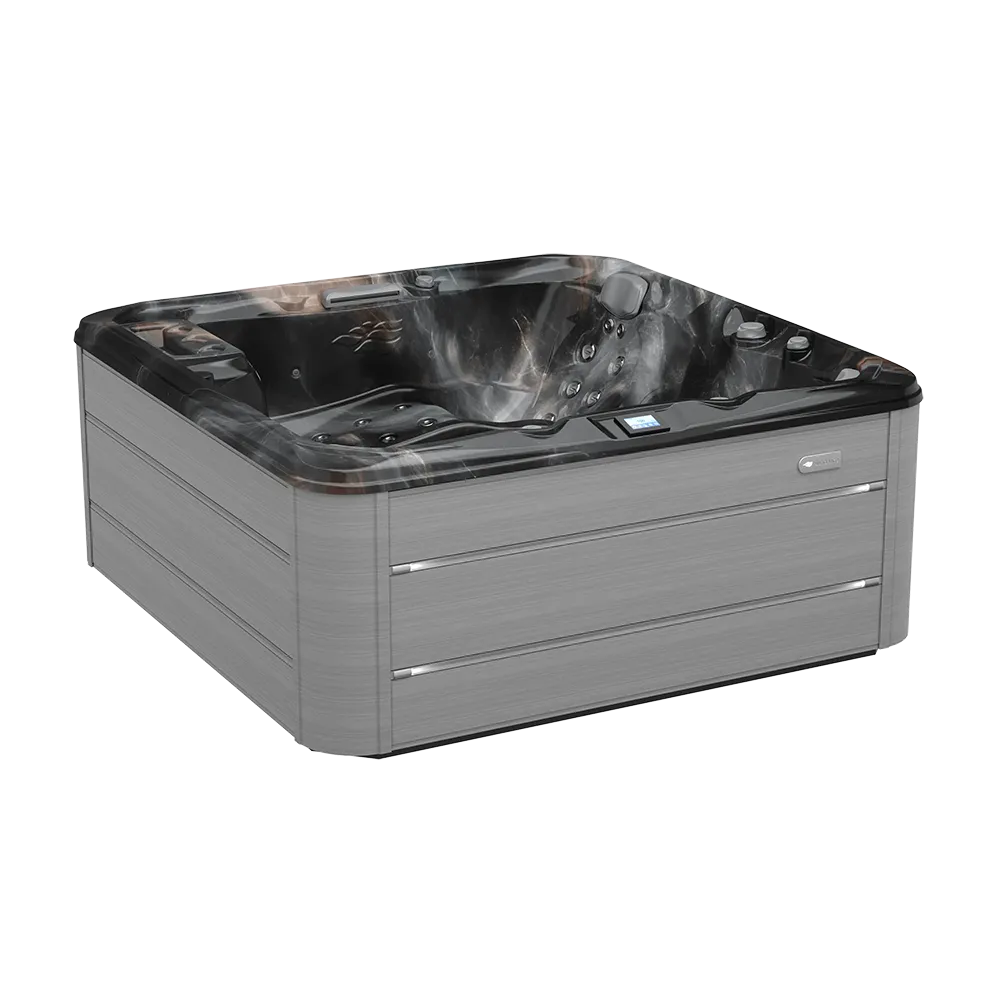
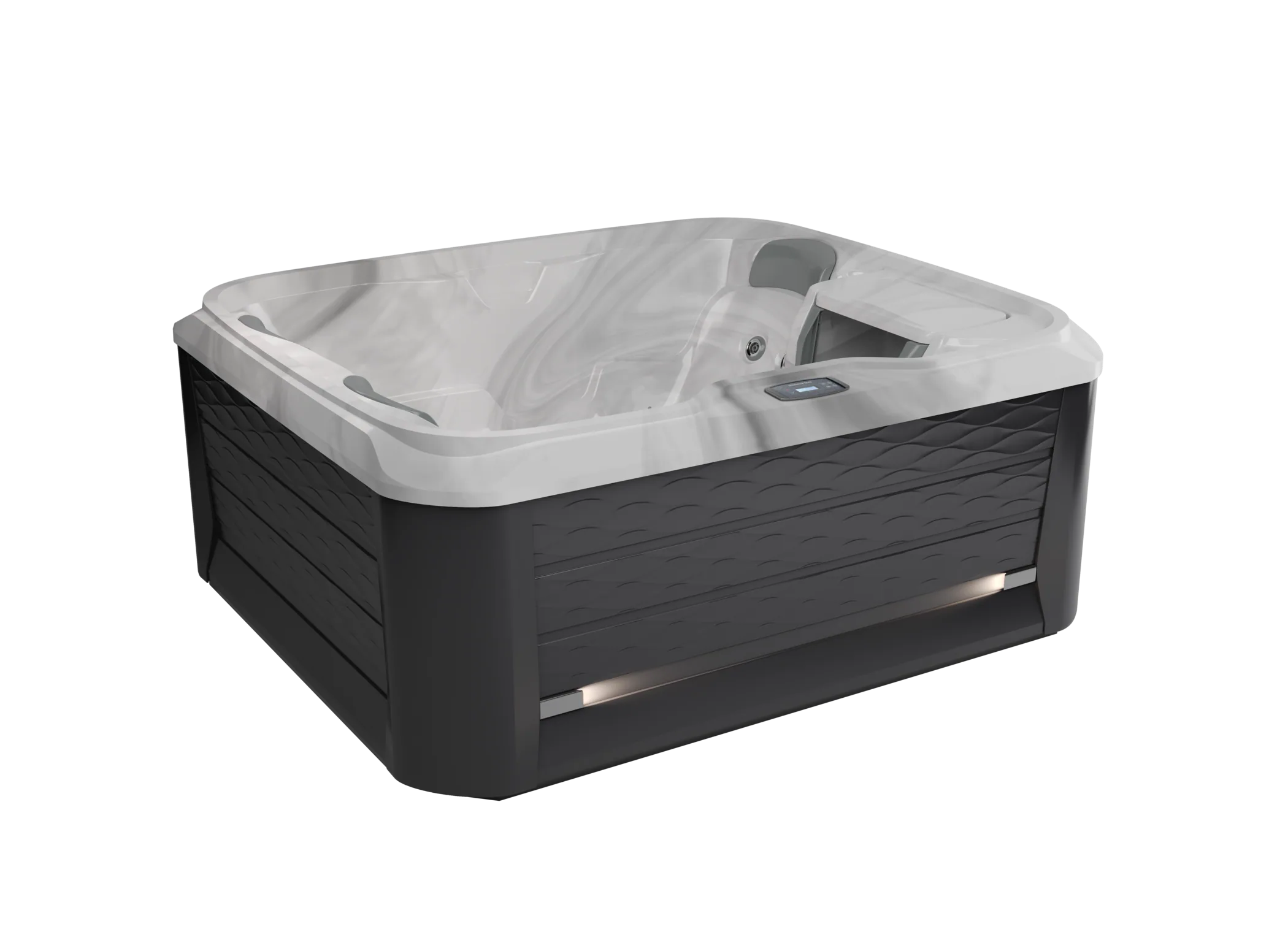
Start exploring the features Sundance® spas have to offer and learn how to make spa time a focal point in your journey to share meaningful moments with the people you love.


.jpg)