
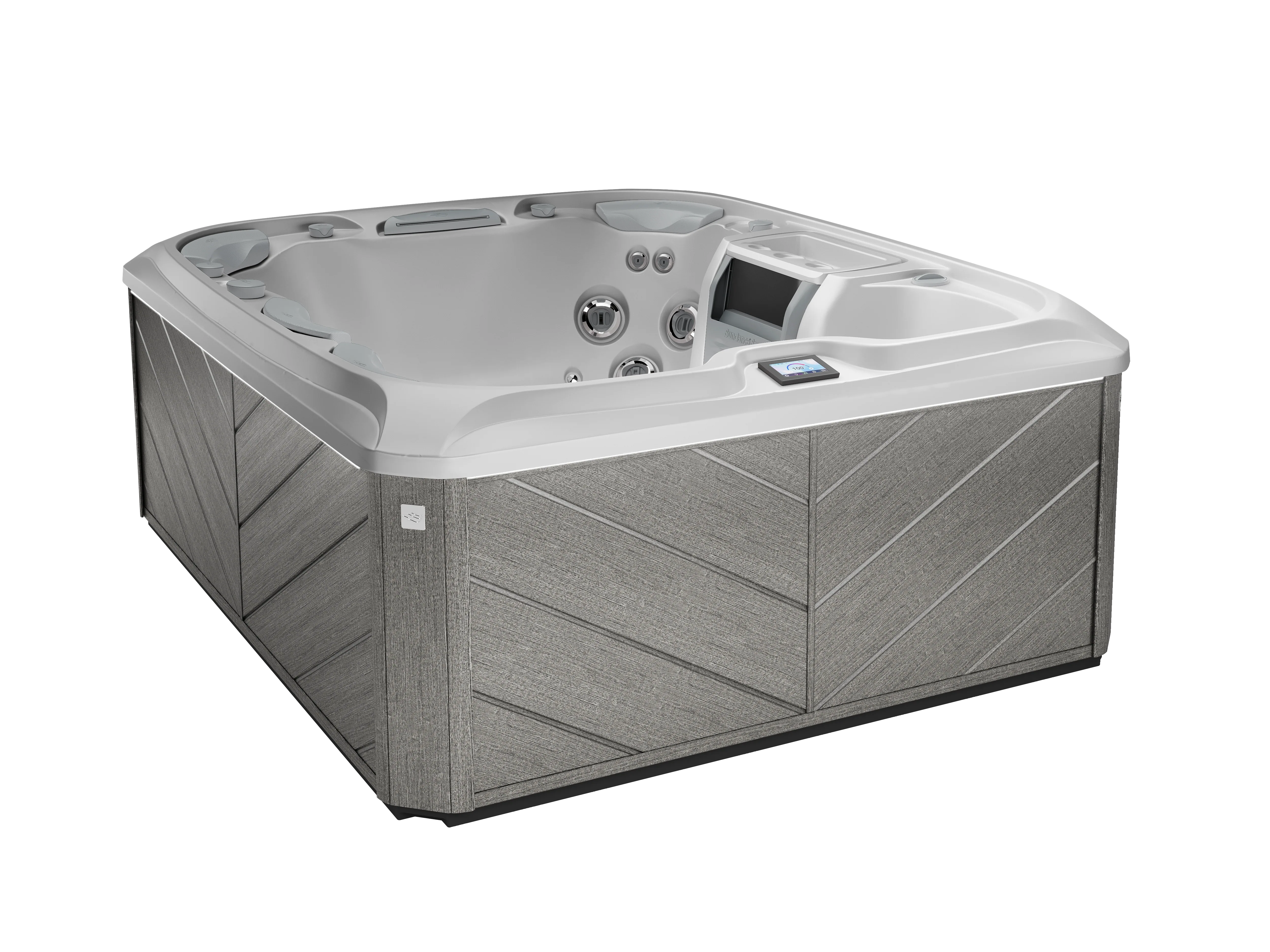
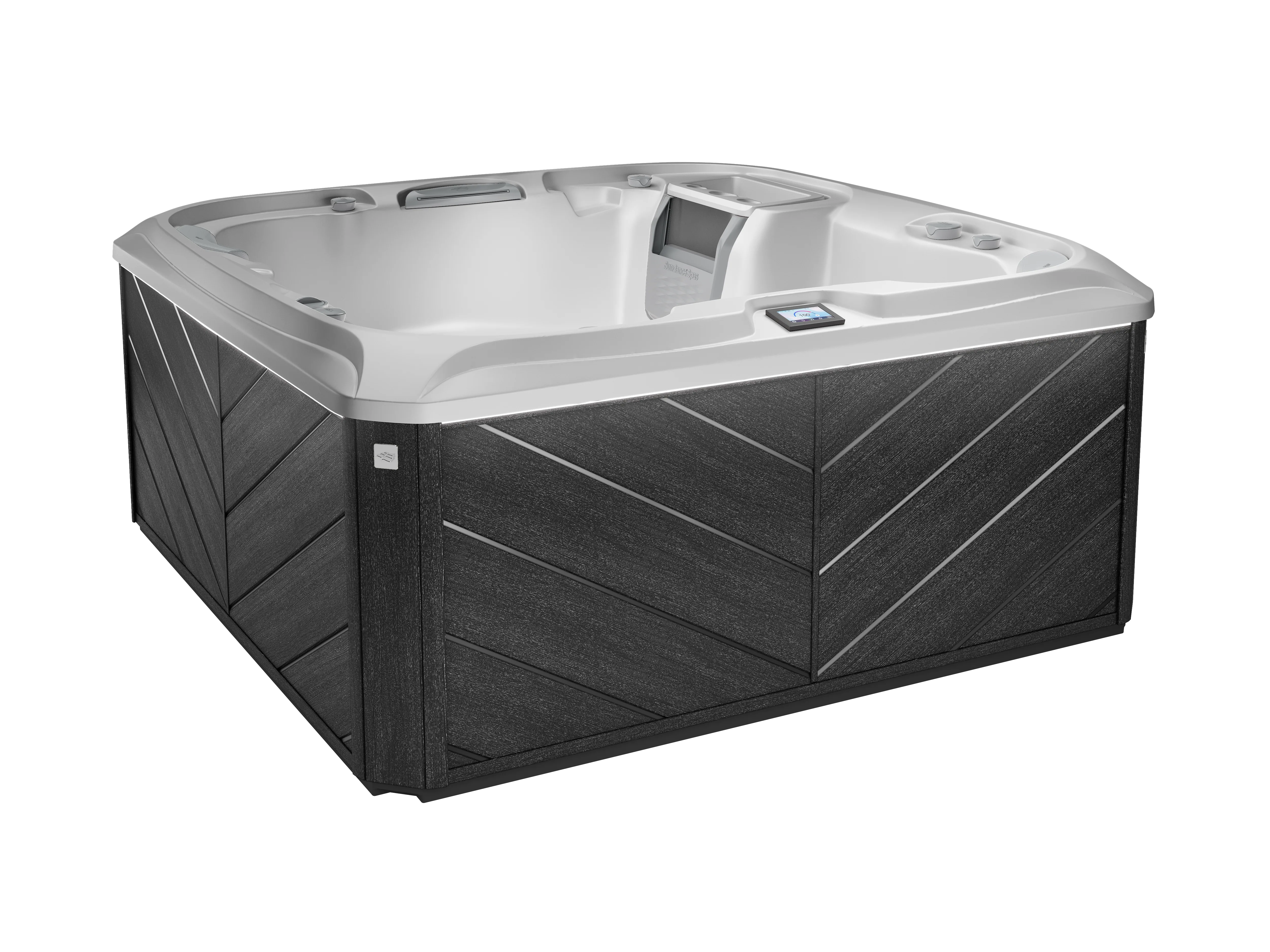
880™ Seria
Marin® – Seria 880™
Seating:
4-5
LeżankaSeats
Niski profil
Energooszczędny
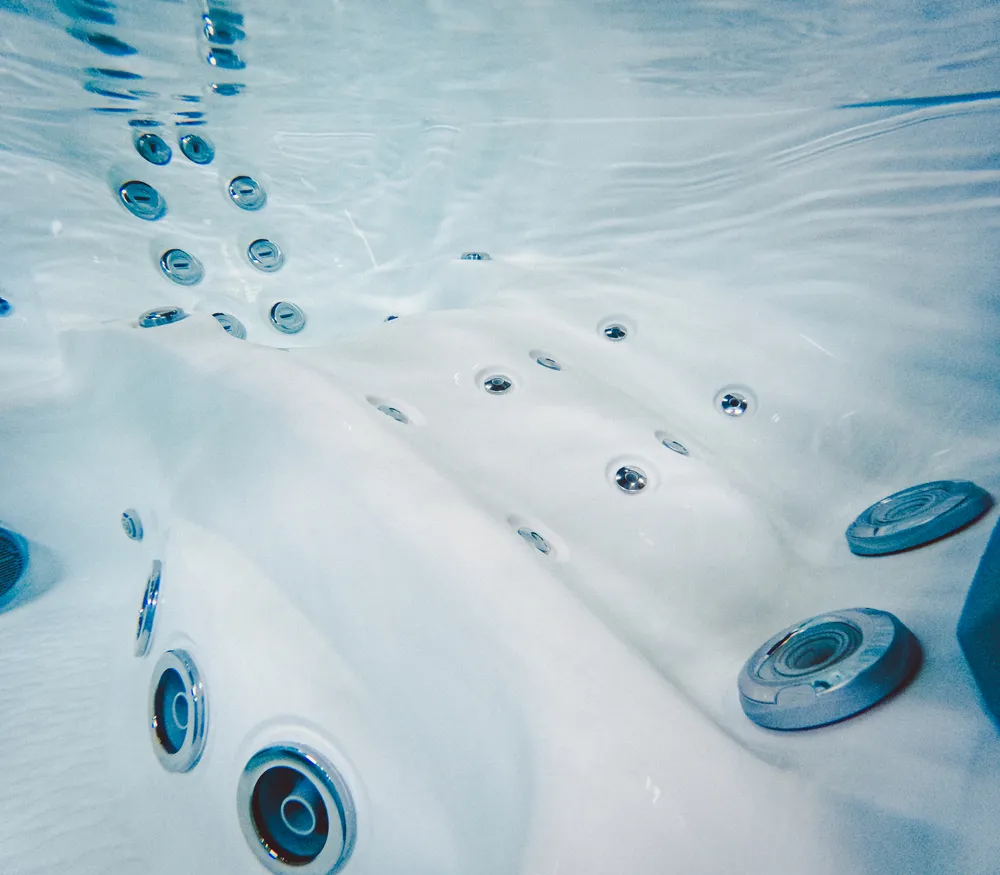
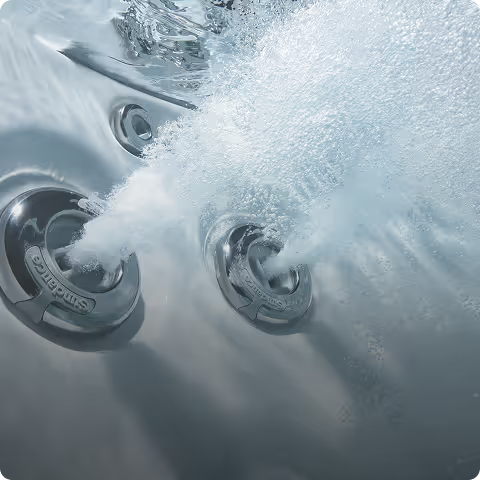
Dysza Fluidix
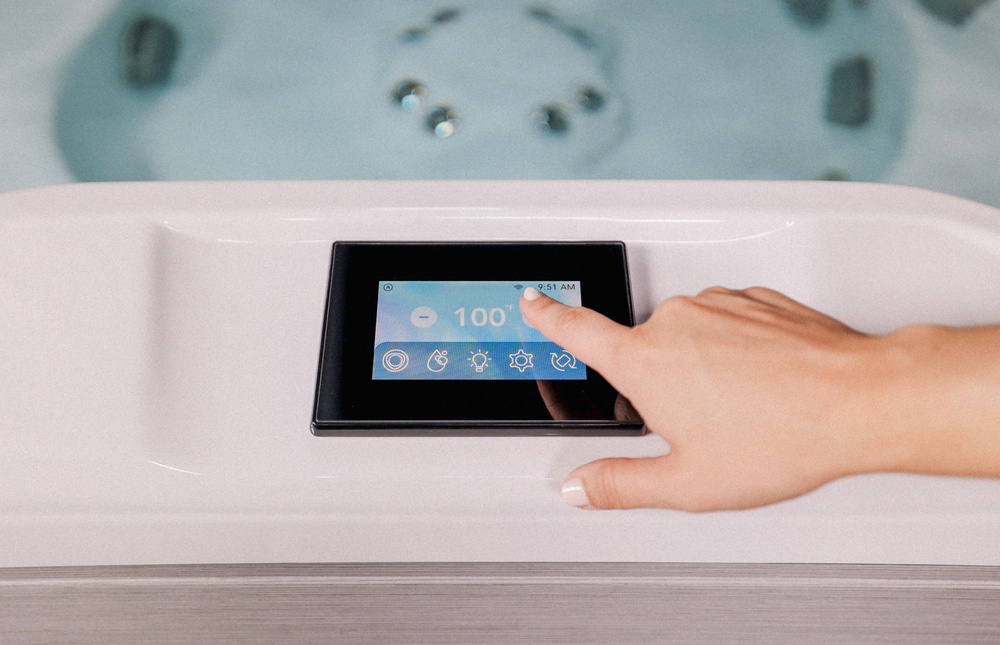
System SmartTub
Terapia i Regeneracja
$$$$
MSRP$21599
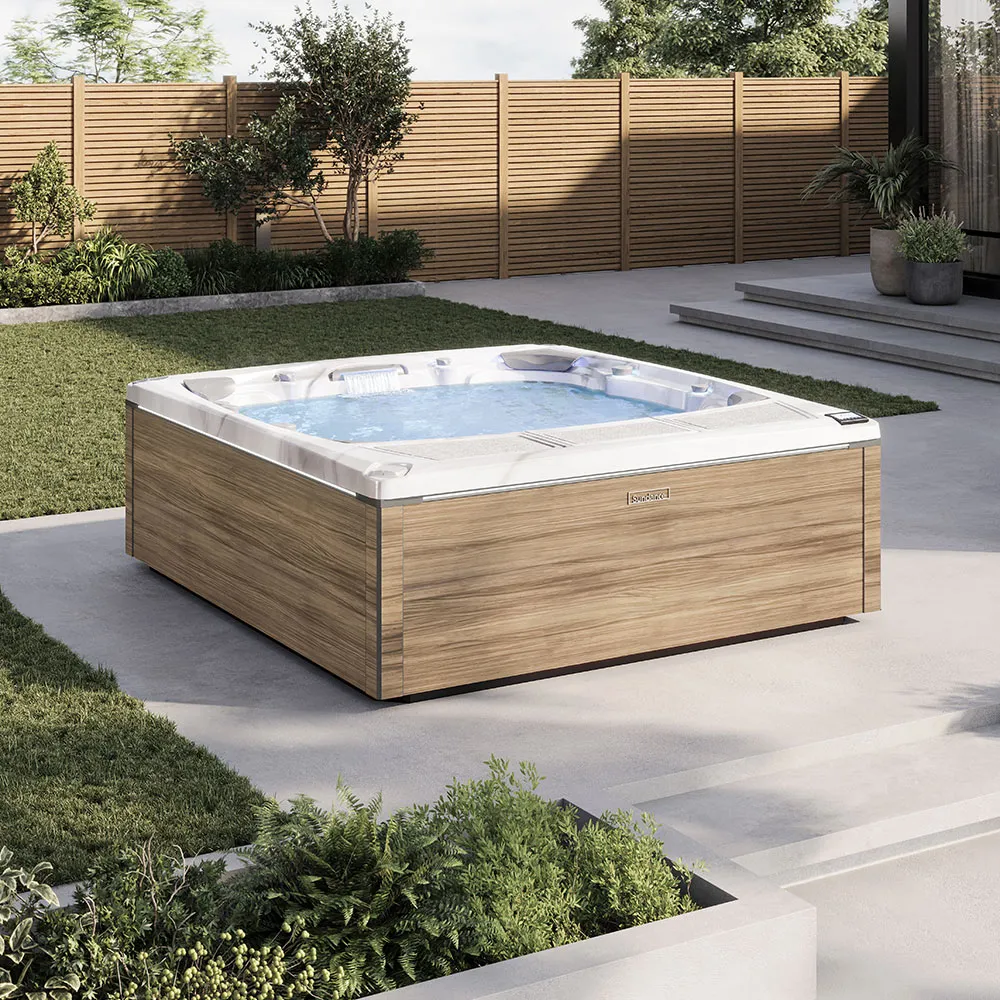
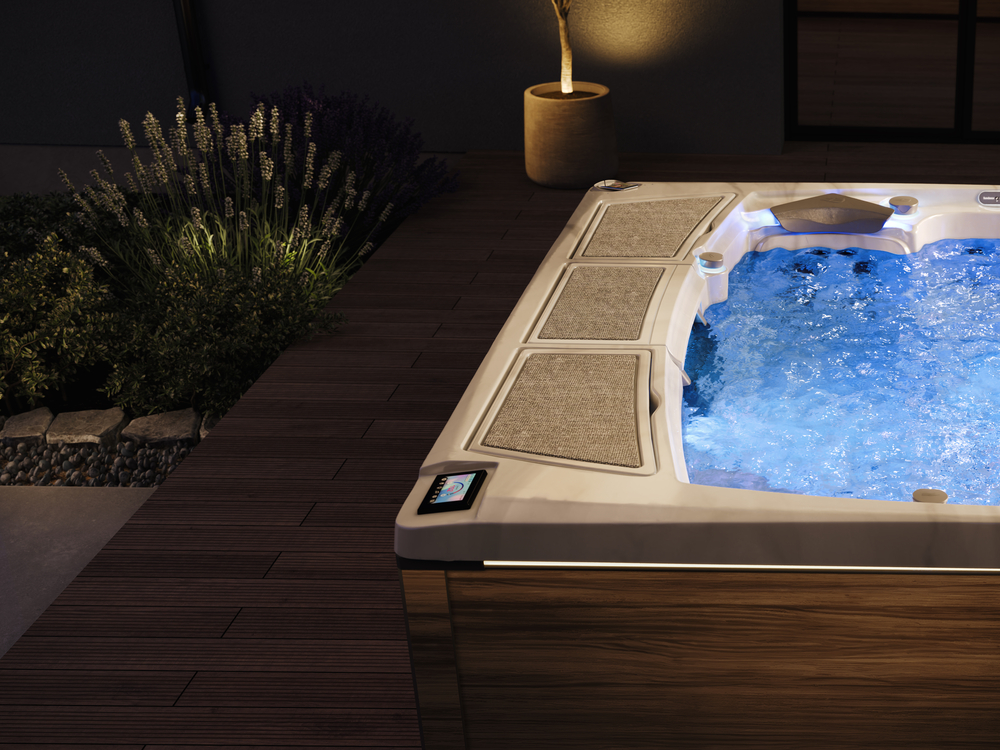
Zrób odważne oświadczenie dzięki znakomicie wykonanemu Wanny Spa, bogatemu w funkcje, które są idealne do rozrywki lub po prostu relaksu.

Nasze najlepiej sprzedające się Wanny Spa oferują idealną równowagę zaawansowanych funkcji, najwyższej jakości komfortu i transformacyjnej hydroterapii.

Wszystkie odpowiednie funkcje na wszystkie najlepsze chwile, w wartości, która sprawia, że wszystko jest możliwe. Teraz nadszedł czas, aby to wszystko się stało.
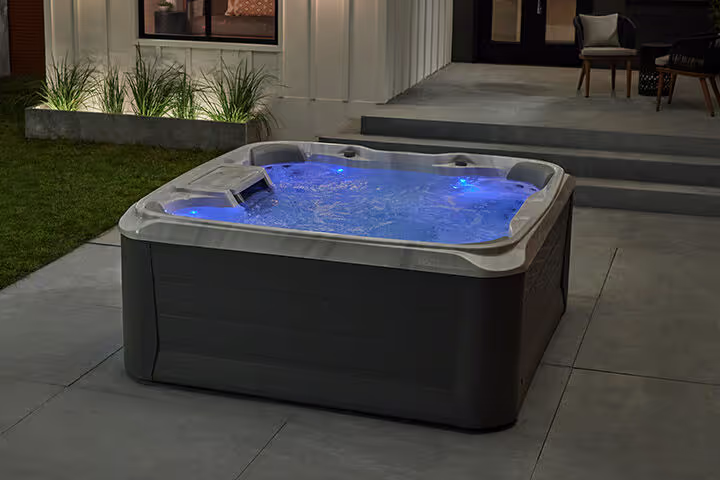
Łatwo jest pokochać Wanny Spa z serii 680 za wszystkie przyjemne i relaksujące chwile, ale docenisz również jego doskonałą trwałość i wartość.
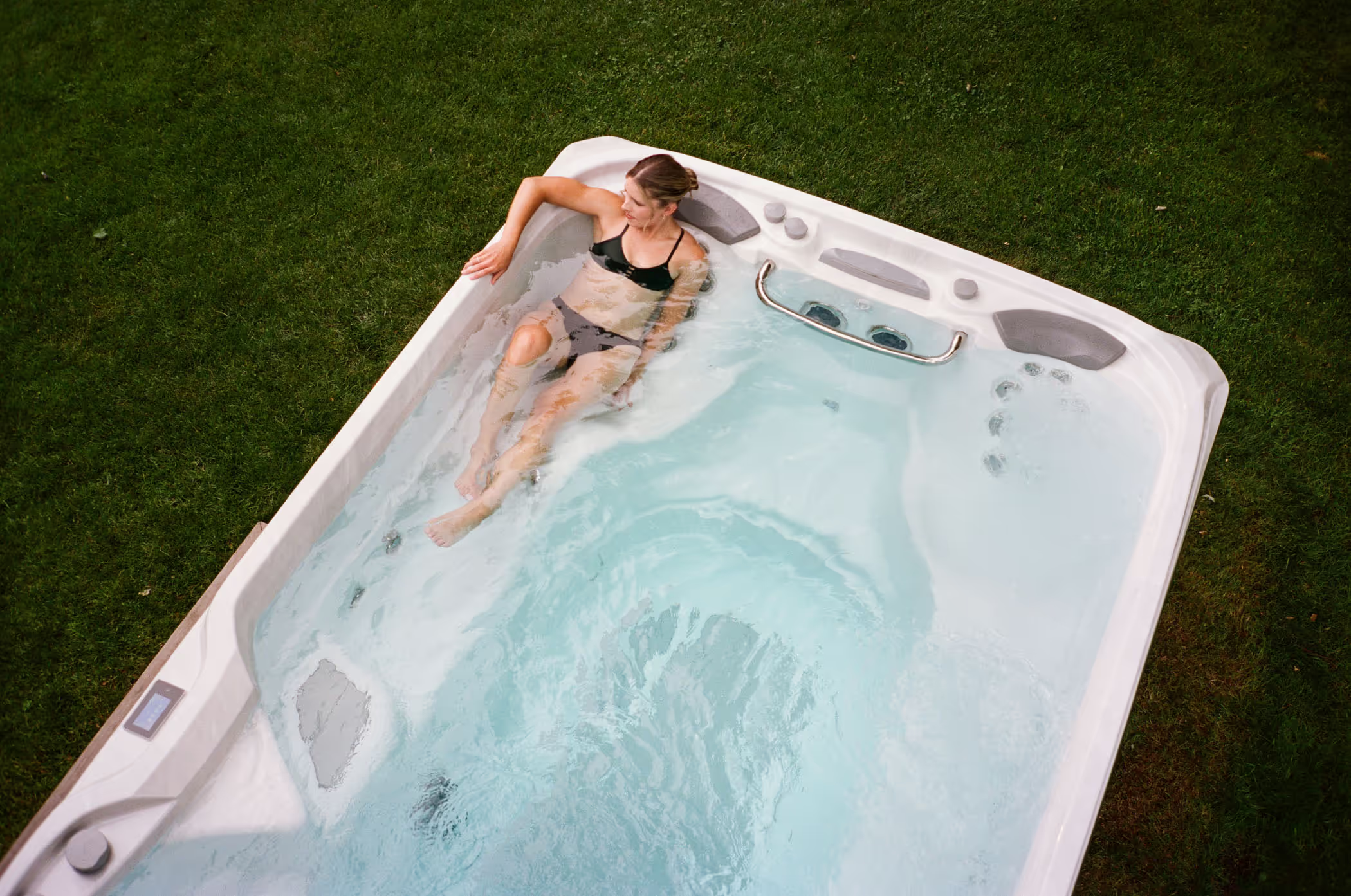
Łatwo jest pokochać Swim Spa ze względu na codzienny ruch i czas spędzony w wodzie, ale docenisz również, jak płynnie pasuje do aktywnego życia w domu.

Każde Wanny Spa Sundance® zostało zbudowane tak, aby zmaksymalizować relaks dzięki funkcjom, które sprawiają, że posiadanie Wanny Spa jest proste, dzięki czemu możesz cieszyć się nowym Wanny Spa z pewnością siebie.
Znajdź swoje Wanny Spa
Poznaj modele Sundance®, aby znaleźć idealne Wanny Spa dla siebie.


Erica Moir jest wiceprezeską ds. projektowania i zaawansowanych technologii w Jacuzzi Group, gdzie kieruje innowacjami produktowymi w kategoriach Wanny Spa i produktów łazienkowych. Z ponad 22-letnim doświadczeniem w firmie, pełniła role kierownicze w obszarach marketingu, projektowania produktów i rozwoju w Ameryce Północnej i Europie. Moir z pasją dąży do tworzenia kreatywnych, zrównoważonych rozwiązań, które poprawiają zarówno wydajność produktów, jak i doświadczenia klientów. Posiada dyplomy z wzornictwa przemysłowego i produktowego uzyskane w Fanshawe College oraz sztuk pięknych z University of Windsor.
Looking to drain your hot tub? Follow this straightforward guide to learn how to drain a hot tub efficiently with minimal hassle.
Knowing when to drain your hot tub ensures clean and safe spa water. Traditional purification systems recommend changing the water every 3 to 4 months for hygiene. However, this timeline can vary based on how frequently you use your hot tub and how well you maintain it. Cloudy water, unpleasant odors, or difficulty balancing chemicals indicate it may be time to drain your hot tub sooner.
Frequent use or poor maintenance might require more frequent water changes than general guidelines suggest. For daily or multiple-user hot tubs, draining every 2 to 3 months may be more suitable. Environmental factors like temperature, oils, and lotions can impact spa water cleanliness, necessitating more frequent maintenance.
Sundance Spas recommend a regular draining schedule to keep your modern hot tub in optimal condition. Their guidelines help keep your hot tub’s plumbing free of build-up and putting the water fresh and inviting.
A regular maintenance routine schedule prevents neglect and ensures you relax and enjoy the heat of your hot tub for years.
Preparation is key before draining your hot tub. Having all necessary tools and equipment makes the process smooth and efficient. Effective drainage requires a garden hose, submersible pump, and necessary hot tub chemicals. A garden hose long enough to reach a drain and a submersible pump can significantly speed up the process.
First, turn off the power to your hot tub at the circuit breaker. This prevents the pump from running dry and damaging your hot tub’s plumbing. Attach the garden hose to the drain valve and direct the other end to an area where water can safely flow away from your home.
Gather any additional equipment needed for cleaning the hot tub shell and filters after draining. A clear plan and the right tools ensure a hassle-free experience and prevent delays or complications.
With everything prepared, you can proceed to drain your hot tub using a submersible pump:
Double-check that the power to the hot tub is turned off at the circuit breaker before starting the pump to avoid potential damage. Switch on the submersible pump and monitor the draining process once everything is set up. This highly efficient method often completes the task in about ten minutes, depending on the hot tub’s size.
Monitor the hose as the water level drops to ensure there are no kinks or blockages interrupting the water flow. Using a submersible pump significantly reduces the time and effort required for draining, making it a preferred method for many hot tub owners.
Alternatively, you can drain your hot tub using the primary spigot. Locate the primary drainage spigot, typically found at the bottom of your hot tub. The spigot is designed to drain most of the water from the hot tub.
Attach a garden hose to the primary spigot, ensuring not to cross-thread the plastic threads to avoid leaks or damage. Open the ball valve on the spigot once the hose is securely attached to start draining the water. Direct the hose’s other end to an appropriate drain area to prevent water from pooling around your home.
Open the auxiliary spigot after most of the water has been drained to remove any residual water in the internal lines. This step ensures all parts of your hot tub’s plumbing are cleared of water, preventing potential issues from leftover moisture.
With your hot tub now drained, follow these cleaning steps:
Thoroughly rinse the shell after wiping it down to remove any remaining cleaning solution. This ensures no chemicals are left behind that could affect the spa water once you refill the hot tub. Clean the area around the jets as well, as this is a common spot for mold and mildew to develop.
Address the filters next:
Clean filters are crucial for the health of your hot tub’s plumbing and water.
After cleaning, refill your hot tub with fresh water. Follow these steps:
Monitor the water level closely to ensure it reaches the manufacturer’s recommended fill line without overflowing. Use a clean hose during this careful process to cover the fill pipe, avoiding introducing contaminants into the hot tub.
Test the water for total alkalinity, pH, sanitizer levels, and calcium hardness before adding any chemicals once the hot tub is filled. Properly balancing these chemical levels is vital. Maintain chlorine levels between 1 and 3 PPM, and bromine levels between 3 and 5 PPM for proper sanitation.
Total alkalinity should be between 100 and 150 PPM, and pH levels should range from 7.4 to 7.6. Adjust total alkalinity first to help stabilize pH levels.
After filling your hot tub, adjust the chemical levels to maintain balanced water chemistry. Test the water’s pH and sanitizer levels before finishing the fill to ensure they are within recommended ranges. Test pH, alkalinity, and sanitizer levels weekly to maintain water quality.
High-quality sanitizers like chlorine or bromine prevent bacteria and algae growth in the water. These chemicals are essential for maintaining a safe and clean hot tub. Follow the manufacturer’s instructions for adding and adjusting chemicals to ensure safety.
Correct chemical balance ensures a pleasant soaking experience and relaxation while prolonging the life of your hot tub and its components when you add chemicals and adjust chemicals to keep the water balanced.
Regular maintenance keeps your hot tub in top condition. Here are some key maintenance tips:
Shock the hot tub weekly with an oxidizer or chlorine to refresh sanitation and eliminate contaminants. Keep the area around the hot tub clean to minimize dirt and debris from getting into the water.
Consult the manufacturer’s guide for proper use of chemicals and maintenance routines to ensure safety. Professional maintenance services can also provide thorough inspections and cleaning, ensuring your hot tub operates efficiently.
In summary, maintaining your hot tub involves a series of crucial steps, from knowing when to drain it to properly refilling and adjusting the chemical levels. Regular maintenance ensures clean, safe spa water and prolongs the life of your hot tub. By following these steps, you can enjoy a pristine hot tub shell and a relaxing soak every time.
Remember, investing time in regular upkeep will save you from potential headaches and costly repairs down the line. Keep your hot tub in peak condition and enjoy all the benefits it has to offer.
You should drain your hot tub every 3 to 4 months, although more frequent changes may be needed if it's used often or not well maintained. Regularly checking the water quality can help determine if you need to adjust this schedule.
To effectively drain your hot tub, you will need a garden hose and a submersible pump. Additionally, ensure you have any necessary hot tub chemicals on hand for after the drain.
It is crucial to turn off the power before draining your hot tub to prevent the pump from running dry, which can lead to significant damage to the plumbing system. Taking this precaution ensures the longevity and proper functioning of your hot tub.
To effectively clean your hot tub filters, soak them in a filter cleaner for at least two hours and then rinse thoroughly. For optimal maintenance, rinse them bi-weekly and perform a deep clean monthly.
To ensure optimal water quality in your hot tub, maintain chlorine levels between 1 and 3 PPM, bromine levels between 3 and 5 PPM, total alkalinity between 100 and 150 PPM, and pH levels from 7.4 to 7.6. Keeping these chemical levels balanced will enhance your overall hot tub experience.
Seating:
Seats
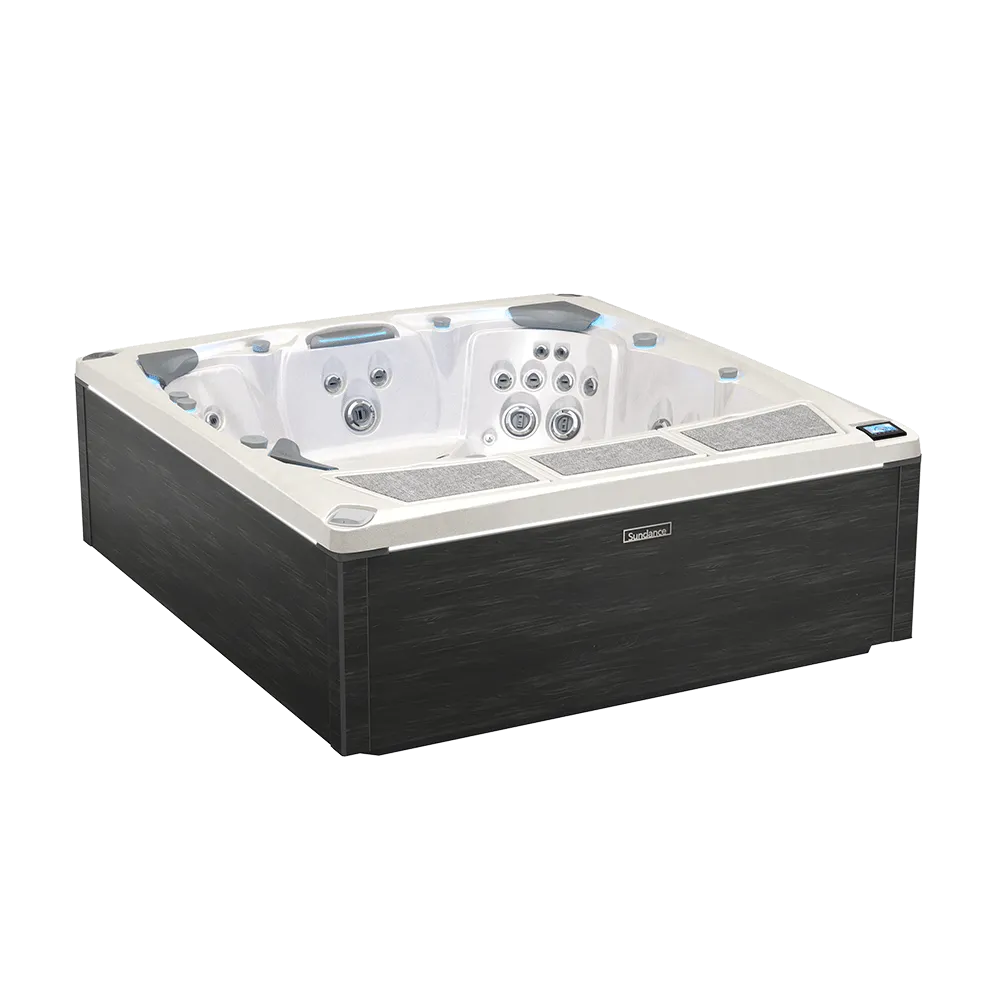
Seating:
Seats
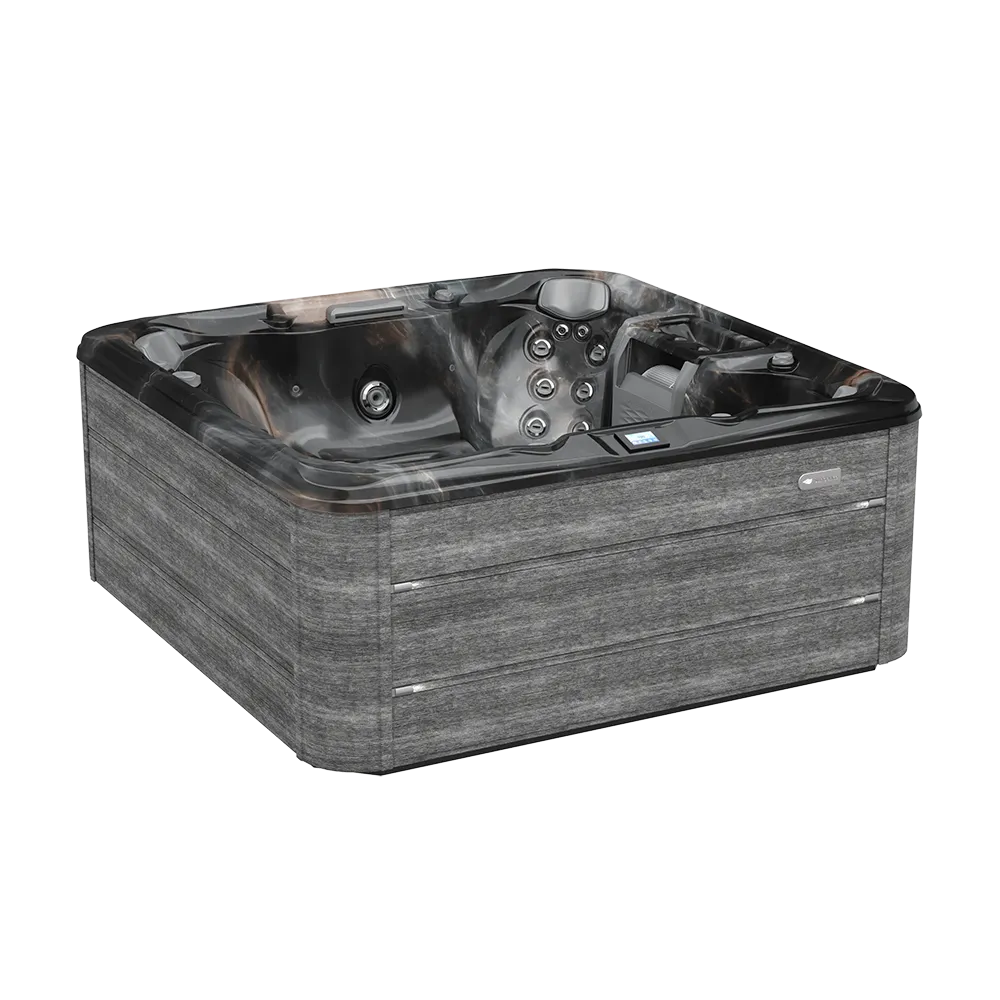
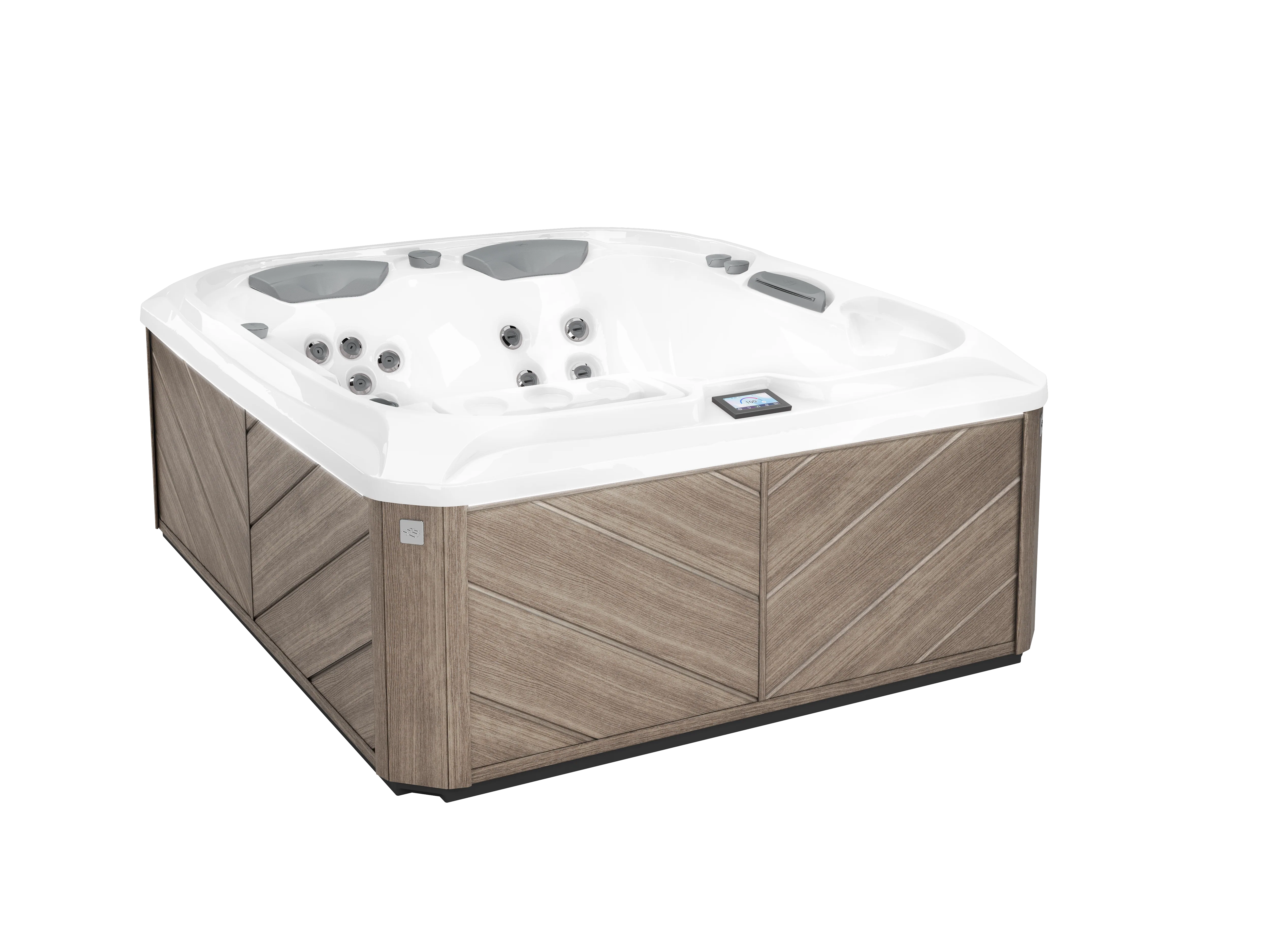
Seating:
Seats

Start exploring the features Sundance® spas have to offer and learn how to make spa time a focal point in your journey to share meaningful moments with the people you love.



.jpg)