

Swim Spas
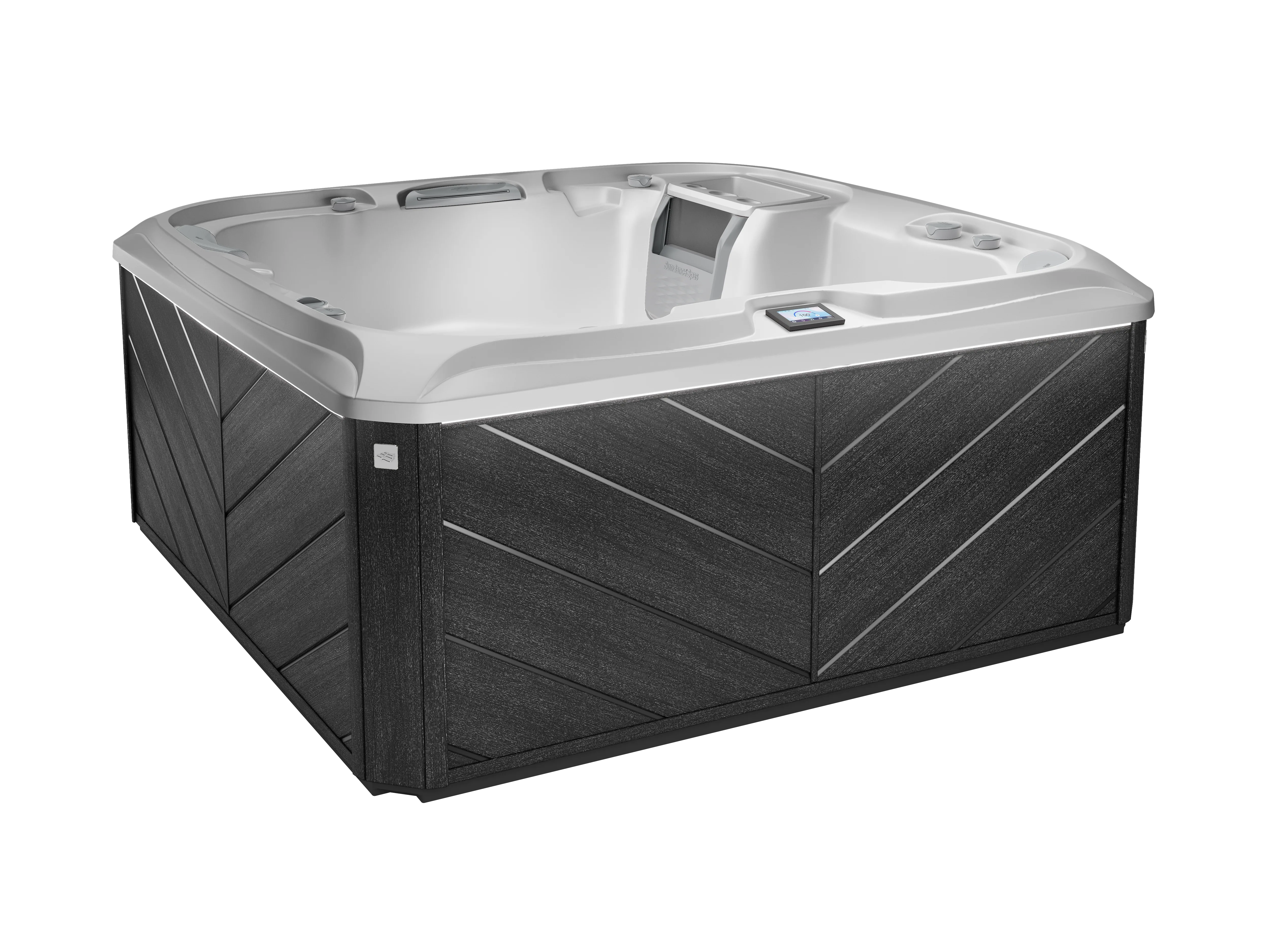
Sundance® 12 Splash™
Seating:
6-8
Seats
Terapia i Regeneracja
System SmartTub
$$$$
MSRP$27299
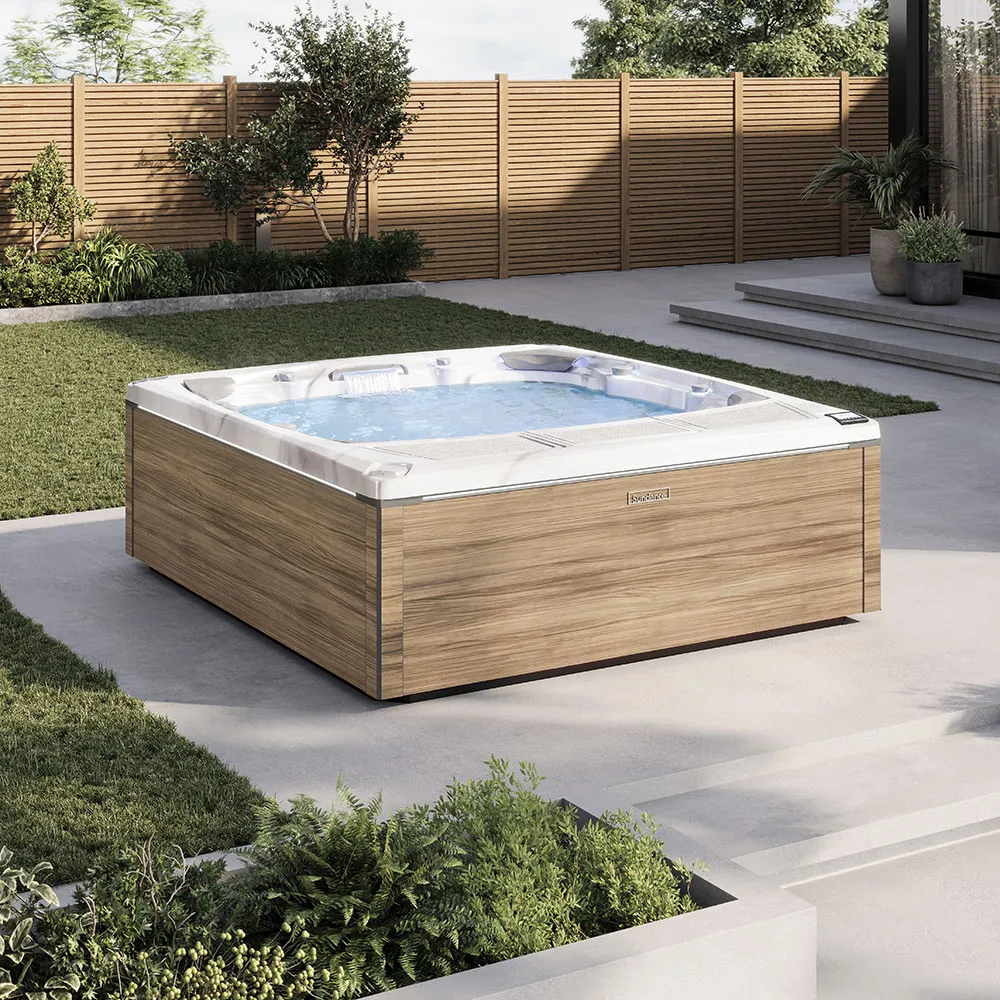
Zrób odważne oświadczenie dzięki znakomicie wykonanemu Wanny Spa, bogatemu w funkcje, które są idealne do rozrywki lub po prostu relaksu.

Nasze najlepiej sprzedające się Wanny Spa oferują idealną równowagę zaawansowanych funkcji, najwyższej jakości komfortu i transformacyjnej hydroterapii.

Wszystkie odpowiednie funkcje na wszystkie najlepsze chwile, w wartości, która sprawia, że wszystko jest możliwe. Teraz nadszedł czas, aby to wszystko się stało.
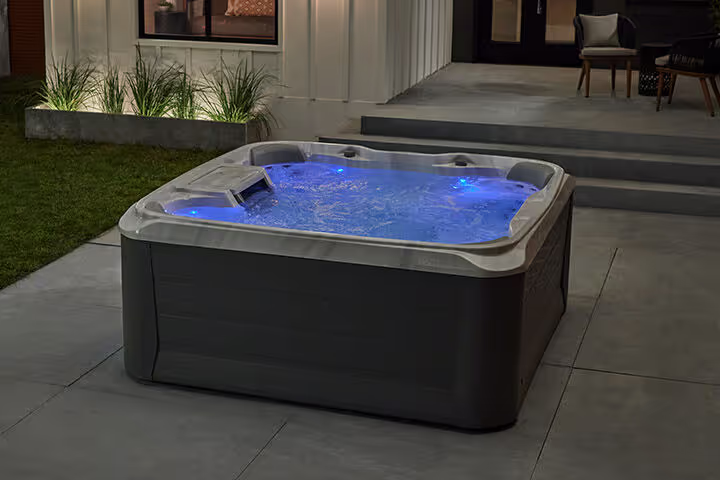
Łatwo jest pokochać Wanny Spa z serii 680 za wszystkie przyjemne i relaksujące chwile, ale docenisz również jego doskonałą trwałość i wartość.
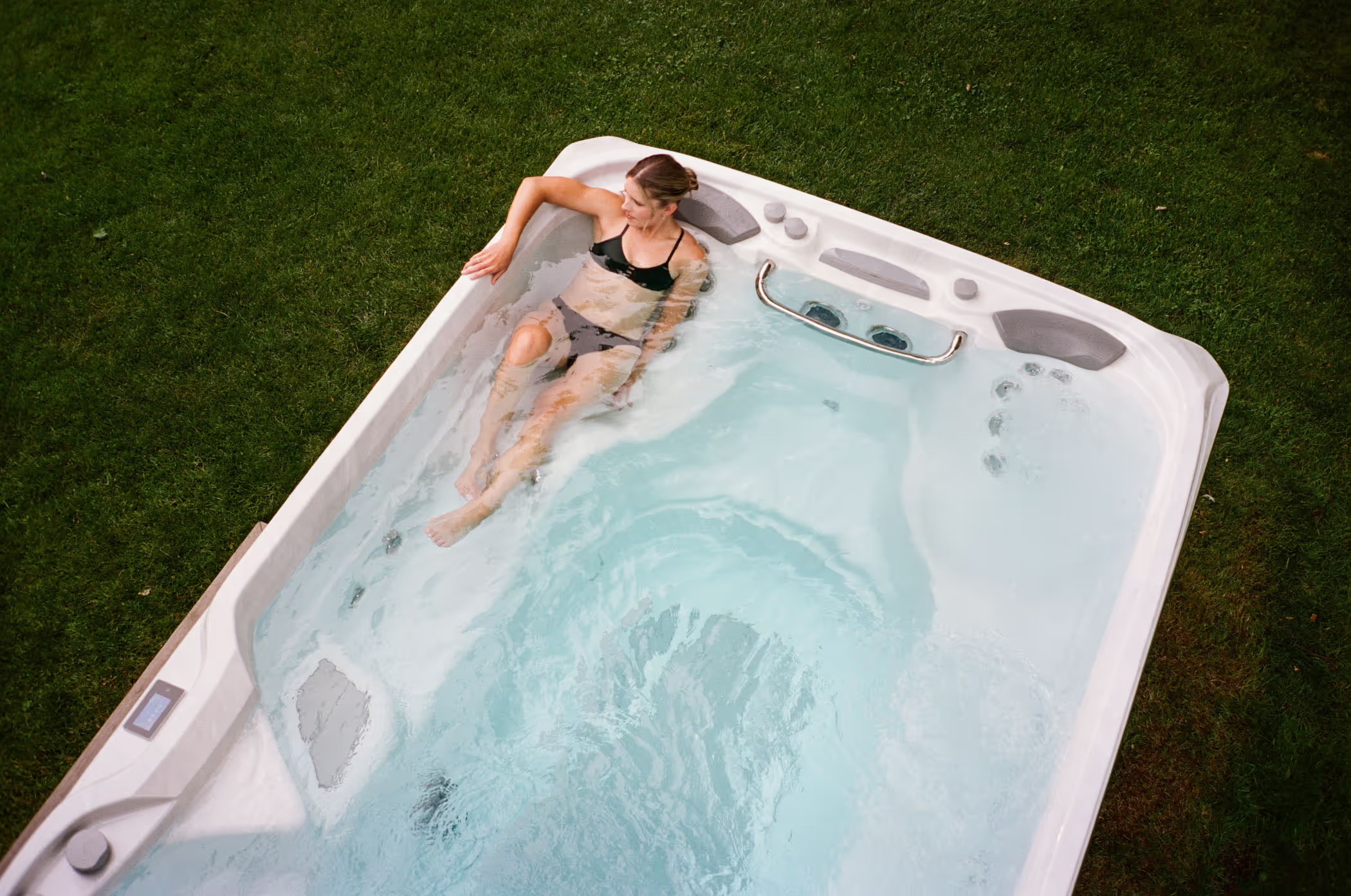
Łatwo jest pokochać Swim Spa ze względu na codzienny ruch i czas spędzony w wodzie, ale docenisz również, jak płynnie pasuje do aktywnego życia w domu.

Każde Wanny Spa Sundance® zostało zbudowane tak, aby zmaksymalizować relaks dzięki funkcjom, które sprawiają, że posiadanie Wanny Spa jest proste, dzięki czemu możesz cieszyć się nowym Wanny Spa z pewnością siebie.
Znajdź swoje Wanny Spa
Poznaj modele Sundance®, aby znaleźć idealne Wanny Spa dla siebie.

.avif)

Erica Moir jest wiceprezeską ds. projektowania i zaawansowanych technologii w Jacuzzi Group, gdzie kieruje innowacjami produktowymi w kategoriach Wanny Spa i produktów łazienkowych. Z ponad 22-letnim doświadczeniem w firmie, pełniła role kierownicze w obszarach marketingu, projektowania produktów i rozwoju w Ameryce Północnej i Europie. Moir z pasją dąży do tworzenia kreatywnych, zrównoważonych rozwiązań, które poprawiają zarówno wydajność produktów, jak i doświadczenia klientów. Posiada dyplomy z wzornictwa przemysłowego i produktowego uzyskane w Fanshawe College oraz sztuk pięknych z University of Windsor.
There’s something quietly transformative about stepping into warm, swirling water after a long day. For prospective and current hot tub owners, however, it’s important to look beyond the initial purchase price to truly understand the full financial commitment. This hot tub prices guide will help you understand what you can afford and what ongoing costs to expect. Knowing the ongoing costs of hot tub ownership is essential to avoid budget surprises and maximize your investment. This article explains all the ongoing costs you’ll face after purchasing a hot tub, including electricity, chemicals, maintenance, and repairs. By understanding these expenses upfront, you can plan ahead and enjoy your spa with confidence.
Hot tub ownership involves ongoing monthly expenses averaging $30–$100. Hot tub prices can vary widely, from budget models to luxury options, and understanding these price ranges helps you determine what you can afford after the initial purchase. These costs cover everything from electricity and water care chemicals to filter replacements and occasional repairs. Below, you’ll find a summary of the major after-purchase cost categories and their typical ranges, so you can budget wisely and make the most of your hot tub experience.
Here’s a quick overview of the main ongoing expenses you should expect after buying a hot tub:
The purchase price of a quality spa—typically ranging from $4,000 to $18,000+ in 2024—represents just part of the total cost of hot tub ownership. Owning a hot tub involves long-term considerations, including ongoing maintenance, energy use, and the emotional value of relaxation and wellness. It’s the ongoing “after purchase” expenses where budgets often encounter surprises, and where thoughtful planning makes all the difference.
Hot tub prices vary widely: entry-level hot tubs generally start at around $3,799, while luxury models can go up to $19,000. Inflatable hot tubs are the most budget-friendly option, with prices ranging from $300 to $1,500. Mid-tier hot tubs usually feature high-gloss acrylic shells and a variety of features, like dozens of jets, but it’s important to consider the trade-offs, as some may compromise on quality components. Luxury hot tubs come equipped with advanced features like unique jet systems and top-tier filtration systems. Investing in a reputable brand can provide peace of mind and ensure a quality product.
When thinking about costs, it helps to distinguish between two timeframes. Regular monthly and annual operating costs include electricity, chemicals, and routine maintenance. Less frequent “big ticket” items—like cover replacement, pump repairs, or control board service—tend to occur every seven to ten years and require a different kind of budgeting.
Proper install is crucial for safety and functionality. Installing a 220-volt electric line for a hot tub can cost around $1,000, and a sturdy foundation—such as a cement slab—is necessary and can incur additional costs. For permanent outdoor installations, ground preparation is important. In-ground hot tubs require excavation, which can significantly raise the cost compared to above-ground options.
From Jacuzzi’s perspective as a manufacturer, we design our spas with long-term ownership in mind. Well-engineered insulation, premium components, and efficient circulation pumps aren’t just features—they’re investments that reduce running costs compared to budget models with poor insulation and lower-quality parts.
Main cost categories this article covers:
The following table compares estimated annual costs for entry-level and premium energy-efficient spas in a temperate climate:
Cost Category
Entry-Level Spa (Temperate Climate)
Premium Energy-Efficient Spa (Temperate Climate)
Electricity
$900–$1,400/year
$500–$900/year
Chemicals
$200–$350/year
$150–$250/year
Filters
$80–$150/year
$60–$120/year
Repair Reserve
$200–$400/year
$100–$250/year
Estimated Total
$1,380–$2,300/year
$810–$1,520/year
Electricity is usually the single largest ongoing cost for any hot tub owner, and understanding what drives your electric bill helps you manage it effectively. After purchasing a hot tub, your electricity bill can increase significantly, with costs ranging from $60 to $350 per month depending on usage. Monthly electricity costs for hot tubs generally range from $20–$40. Real-world ranges typically fall between $25 and $120 per month in North America, depending on climate, usage frequency, set temperature, and local utility rates. Energy costs can also rise during the summer months due to increased usage or higher ambient temperatures.
Modern hot tubs maintain spa water between 100°F and 104°F, and most of the electrical cost comes from keeping the water at that temperature—not from running the jets during your evening soak. A well-insulated tub in a mild climate might add just $25–$40 monthly to your electricity bill, while the same model in Minnesota or Canada during winter could push that to $80–$120.
Several design choices significantly affect how much you spend to heat your tub:
The table below summarizes estimated monthly electricity costs for hot tubs in different climates, using 2024 average residential electricity prices:
Location
Climate
Estimated Monthly Electricity
Coastal California
Mild
$25–$45
Pacific Northwest
Moderate
$35–$60
Upper Midwest/Canada
Cold
$70–$120
Desert Southwest
Hot summers, cool winters
$40–$70
Sundance spas designs its systems to meet or exceed energy efficiency standards in demanding markets like California and the European Union, helping keep lifetime electricity costs predictable for spa owners in any climate.
Beyond electricity, water care chemicals are another essential ongoing expense for hot tub owners.
Every hot tub—regardless of brand—needs sanitizing chemicals to keep the water safe and clear. For a privately owned spa managed by the homeowner, typical annual chemical costs range from $150 to $300, making this an important but manageable expense. Monthly costs for chemicals and water care for hot tubs are roughly $20–$50.
Chemical Type
Purpose
Approximate Cost
Primary sanitizer (chlorine or bromine)
Kills bacteria and pathogens
$10–$25/month
pH and alkalinity balancers
Keeps water comfortable and protects equipment
$5–$15/month (averaged)
Shock oxidizer
Breaks down organic contaminants
$5–$15/month
Specialty products (scale inhibitor, clarifier)
Addresses specific water issues
$20–$50/year
Testing strips or digital tester
Monitors water balance
$20–$40/year
For a 4–6 person spa used three to four times per week, expect to spend roughly $20–$40 monthly on chemicals when you maintain the water yourself.
Doing your own testing and ongoing maintenance is usually sufficient for home use and helps you avoid the recurring service fees some pool and spa companies charge. Most people find that 30–40 minutes per week keeps their water crystal clear.
Next, let’s look at the costs and routines associated with filter, cartridge, and consumable part replacement.
Filters and cartridges are relatively small line items individually, but over the years they add up—and they’re essential for maintaining clear, healthy water and efficient operation. Neglecting them leads to cloudy water, reduced jet power, and increased energy use as pumps work harder. Cleaning hot tub filters is free but replacing them costs $20–$100 every 3–6 months.
The table below summarizes typical costs and replacement frequencies for common consumable parts:
Item
Cost Range
Replacement Frequency
Standard cartridge filters
$40–$120 each
Every 12–24 months
Mineral/sanitizer cartridges
$30–$70 each
Every 3–6 months
Estimated annual total
$60–$200
—
Many hot tubs use multi-stage filtration—for example, a skimmer filter plus a circulation pump filter. Check your model’s manual for the exact number of filters and recommended replacement schedules.
Clean filters don’t just improve water clarity—they help pumps and heaters work efficiently, which can lower your electrical cost over time. A clogged filter forces the system to work harder, consuming more electricity and potentially shortening component life.
Next, we’ll cover what to expect for routine service, repairs, and long-term component costs.
Well-built hot tubs are engineered for long life, but any complex system with pumps, heaters, and electronics will eventually need service—especially after warranty periods end (commonly 2–10 years depending on component and brand). Planning for these costs prevents financial surprises. Hot tub repairs for components like pumps, sensors, or ozone generators can cost hundreds to thousands of dollars.
The following table outlines typical costs for minor repairs and service calls:
Service Type
Typical Cost Range
Diagnostic visit
$100–$200
Small parts (sensors, seals, valves)
$50–$300
Total minor repair
$150–$500
Component
Cost (Installed)
Typical Replacement Interval
Circulation or jet pumps
$400–$900
8–12+ years
Heater elements
$400–$800
8–12+ years
Control boards
$500–$1,500
10–15+ years
UV bulbs (if equipped)
$75
Annually
A smart approach is budgeting $100–$300 per year as a “repair reserve.” This way, when a pump needs replacement after eight years or more, it doesn’t come as a financial shock. Think of it like setting aside money for car maintenance—predictable planning creates peace of mind.
Sundance spas approach to reliability focuses on premium materials, corrosion-resistant plumbing, and thoroughly tested control systems. These design choices reduce failure rates and help owners enjoy exceptional long term enjoyment—often 10–20 years—from their spa shell and frame.
Next, let’s examine the costs associated with water, draining, cleaning, and cover replacement.
While water itself is usually a small portion of total cost, regular draining, refilling, and cleaning are necessary to maintain water quality over the years. Understanding this rhythm helps you budget accurately.
At average municipal water rates in 2024, each refill costs just a few dollars—perhaps $5–$15 depending on your location. However, homeowners on metered sewer systems or in drought-sensitive areas should check local rules and tiered pricing, which can affect the math.
Your cover is one of the most important accessories for energy efficiency and water cleanliness. Quality, well-insulated covers typically last 5–7 years in harsh weather and 7–10 years in milder conditions. When you need a new cover, expect to pay $300–$800 depending on size and insulation level.
A quality cover isn’t just a luxury—it’s a tool to save money on heating and chemicals while protecting your investment from the elements.
Now, let’s see how Sundance Spas design choices can help control your lifetime ownership costs.
When you invest in a premium spa, you’re not just paying for features—you’re investing in engineering designed to reduce many of the “hidden” costs we’ve discussed. Here’s how thoughtful design translates to lower long-term expenses.
Sundance spas feature full-foam insulation, precision-fitted cabinets, and energy-efficient circulation systems specifically designed to minimize heat loss. Whether your tub sits on a patio in coastal California or a deck in northern Minnesota, this engineering means less electricity spent maintaining your preferred temperature. The difference between a well-insulated spa and a budget model can mean a thousand dollars or more in energy savings over the life of the tub.
Long-lasting acrylic shells, reinforced frames, and premium plumbing components increase expected service life—often 10–20 years for a well-maintained spa. This longevity spreads the cost of major components over a much longer period than budget models, which may need replacement after just eight years or less.
Sundance Spas provides clear owner guides, dealer support, and extended warranty options in many regions. This support structure helps keep unplanned expenses more predictable for both homeowners and professional property developers installing spas in vacation rentals or wellness spaces.
While no hot tub is truly “maintenance-free,” choosing a well-engineered system significantly reduces the frequency and size of many hidden costs over time—leaving you free to focus on the relaxation and wellness benefits that drew you to hot tub ownership in the first place.
Next, let’s put all these costs together and see what a typical annual budget looks like for hot tub owners.
What should a typical hot tub owner expect to spend per year after purchase? For a 4–6 person, energy-efficient spa used regularly in 2024, plan for approximately $400–$1,200 annually in a mild climate—with higher figures in very cold regions or areas with expensive electricity. It's important to ensure you can afford the total annual operating costs, which can range from $2,000 to $5,500—an amount comparable to the cost of operating a luxury automobile.
A couple in the Pacific Northwest using their outdoor spa a couple times per week
The table below summarizes estimated annual costs for this scenario:
Category
Annual Estimate
Electricity
$400–$550
Chemicals
$150–$200
Filters
$60–$100
Cleaning supplies
$40–$60
Repair reserve
$100–$150
Total
$750–$1,060
A family of four in Minnesota using their spa daily during winter months
Category
Annual Estimate
Electricity
$900–$1,200
Chemicals
$250–$300
Filters
$100–$150
Cleaning supplies
$60–$80
Repair reserve
$200–$300
Total
$1,510–$2,030
It’s worth remembering that your hot tub isn’t just a cost—it’s a wellness investment. The benefits of hydrotherapy include muscle recovery, stress relief, better sleep quality, and at-home “spa days” that can substitute for some gym, travel, or massage expenses. Many spa owners find the price they pay delivers exceptional value for their quality of life.
If you’re considering a new hot tub or evaluating models, we encourage you to speak with a local Sundance Spa dealer or visit a showroom. They can provide model-specific running-cost estimates based on your region, installation plans, and preferred features—from jet power to sound systems to advanced water care.
Understanding post-purchase costs upfront makes ownership smoother and lets you focus on what matters most—those quiet moments of recovery and connection that make life a little more balanced.
For most well-insulated, modern hot tubs, total monthly running costs—including electricity, chemicals, and averaged filter expenses—usually fall between $40 and $150. The lower end is common in mild climates with efficient models, while the higher end reflects very cold areas or regions with expensive electricity rates.
This estimate assumes you handle your own water care. If you hire a professional service company for regular maintenance, expect to add another $50–$150 per month depending on visit frequency. To get a precise estimate, check your electricity bills for exact kWh rates and consult with local Jacuzzi dealers who can provide climate-specific guidance.
More frequent use primarily affects chemical consumption and may require slightly more frequent water changes—adding tens of dollars per month rather than hundreds. Electricity costs are influenced more by your set temperature and outdoor weather than by the number of short daily soaks, especially when you maintain a tight, high-quality cover.
Daily users may want to budget for somewhat faster wear on filters and spa pillows, but these remain manageable expenses with proper regular maintenance. Many families find that daily access to their spa actually increases the value they receive from their investment.
The most effective ways to save money without compromising safety include:
However, cutting corners on sanitizer or water balance is never a safe way to reduce expenses. Poor water chemistry creates health risks and can cause expensive damage to pumps, heaters, and other components—costing far more in the long run than proper chemical maintenance.
Well-built premium hot tubs, including many Jacuzzi models, often provide 10–20 years of reliable service when owners keep water balanced, replace filters on schedule, and address minor issues quickly before they become major problems.
Cosmetic items like pillows and covers will need replacement along the way, and some mechanical parts may require service after a decade or more. But the acrylic shell and main frame are designed for long-term durability. Following the manufacturer’s maintenance schedule and working with authorized service partners helps maximize your spa’s lifespan.
Purchasing a home with an existing hot tub can save on upfront installation and electrical work, which can otherwise range from several hundred to a couple thousand dollars depending on your space and existing infrastructure. Additionally, owning a house with a hot tub can increase property value and provide lifestyle benefits, making it an attractive feature for both personal enjoyment and potential resale. Buying a house with a hot tub also means you may avoid the hassle and expense of new installation, but buyers should budget for bringing older equipment up to standard—potentially including a new cover, fresh water treatment, and any necessary repairs.
Before assuming an existing tub will have the same running costs as a new, efficient model, ask about its age, brand, and service history. Consider requesting a professional inspection. If the existing spa is very old or poorly insulated, replacing it with a modern, energy-efficient Sundance Spa may actually lower your long-term operating costs despite the new purchase price.
Seating:
Seats
.avif)
Seating:
Seats
.avif)
Seating:
Seats

Zacznij odkrywać funkcje, jakie oferują Wanny Spa Sundance®, i dowiedz się, jak sprawić, by czas spędzony w Wanny Spa stał się centralnym punktem Twojej podróży do dzielenia się znaczącymi chwilami z bliskimi.
.avif)