

Hottubs voor zwemmen
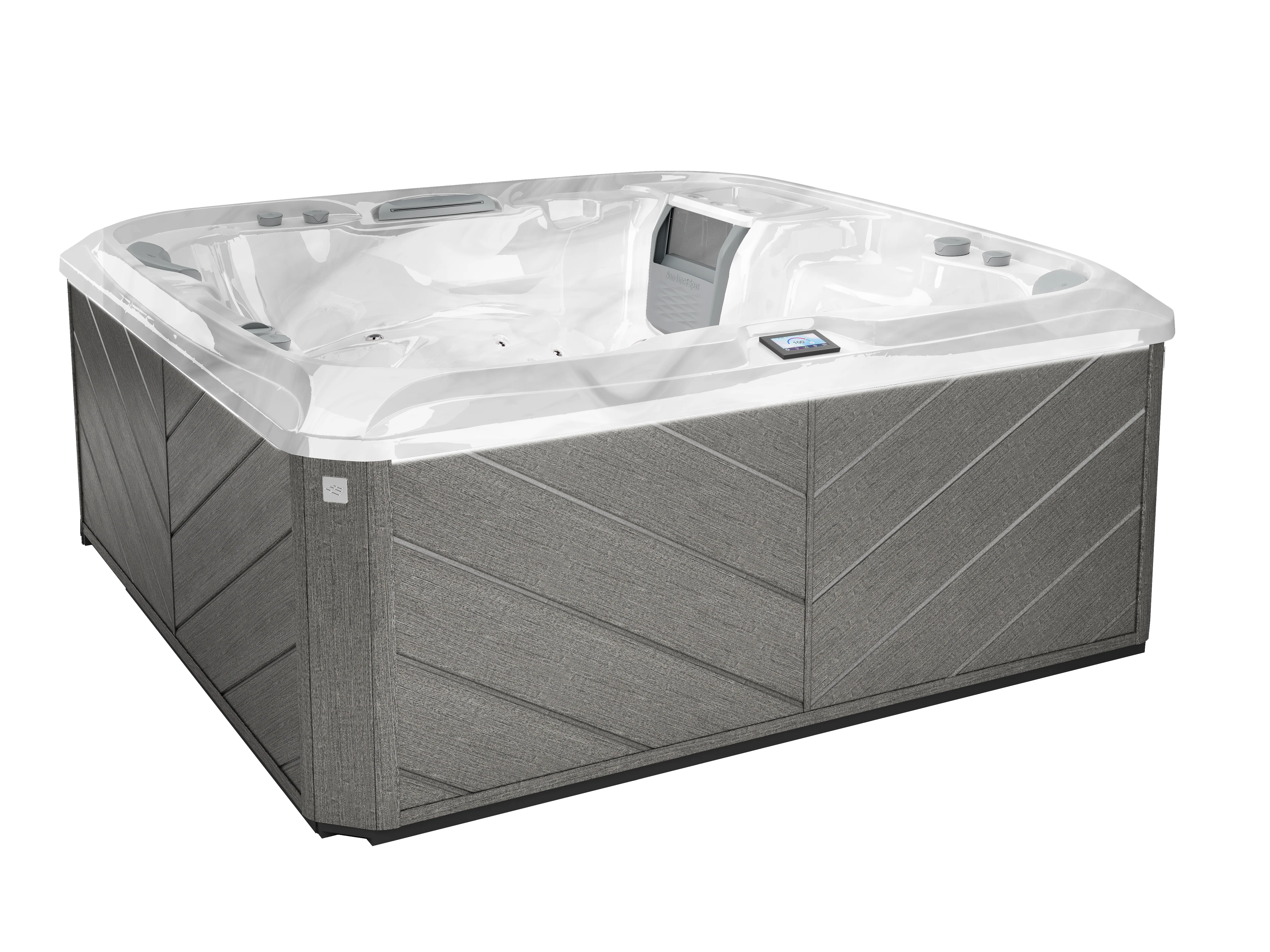
Sundance® 12 Splash™
Seating:
6-8
Seats
Therapie en herstel
SmartTub Systeem
$$$$
MSRP$27299
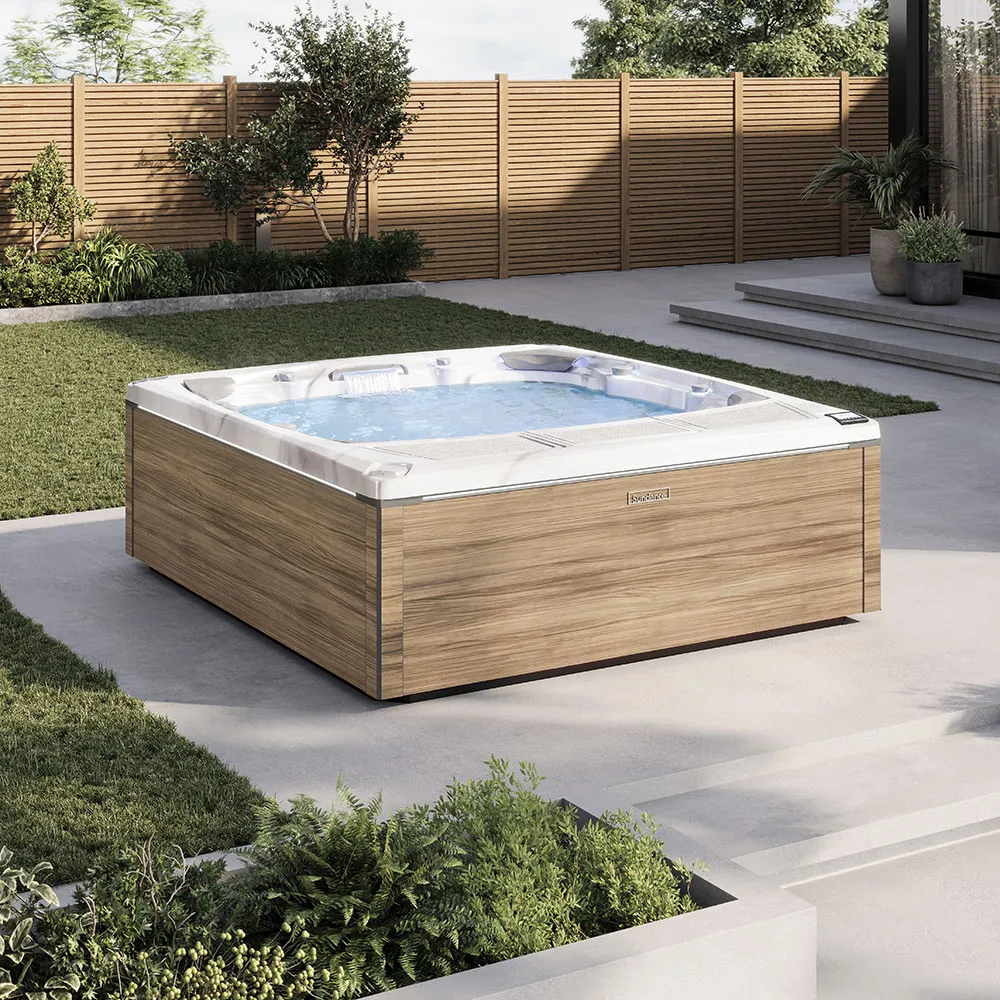
Maak een gedurfd statement met een prachtig ontworpen Hottub, rijk aan voorzieningen die ideaal zijn om te entertainen of gewoon te ontspannen.

Onze best verkochte Hottubs bieden een ideale balans tussen geavanceerde functies, eersteklas comfort en transformatieve hydrotherapie.

Alle juiste functies voor al je beste momenten, voor een prijs die het allemaal mogelijk maakt. Nu is het tijd om het allemaal voor elkaar te krijgen.
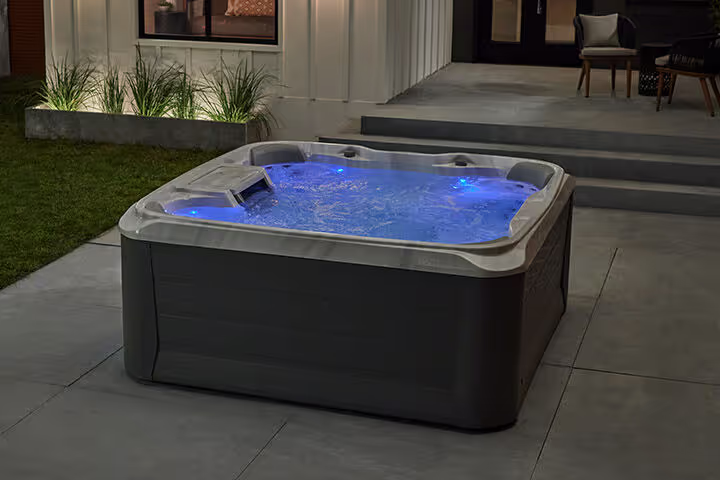
Het is gemakkelijk om van de Hottub uit de 680-serie te genieten voor alle leuke en ontspannende momenten, maar u zult ook de superieure duurzaamheid en waarde waarderen.
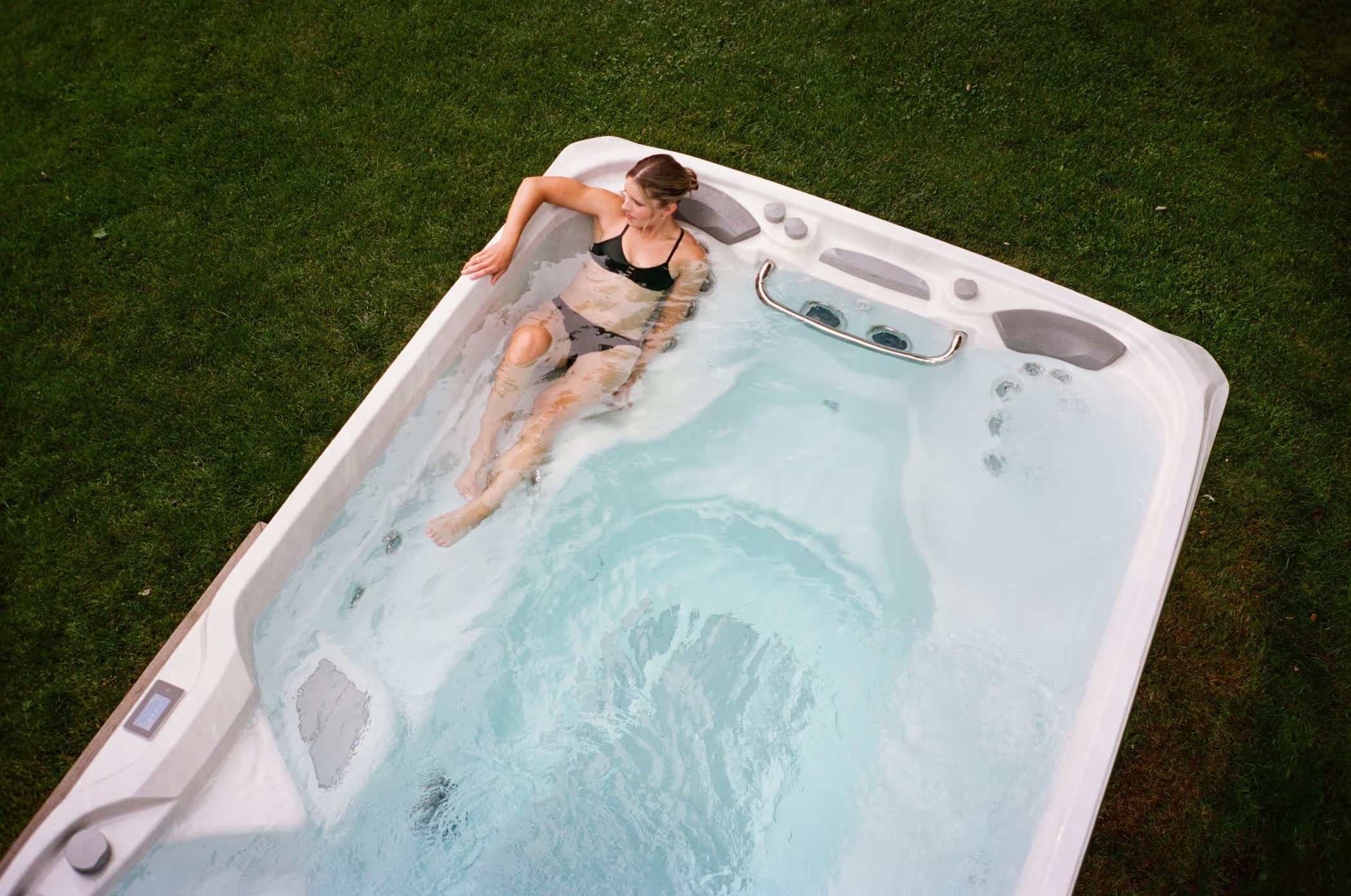
Het is gemakkelijk om van een Zwemspa's te houden vanwege de dagelijkse beweging en de tijd in het water die het met zich meebrengt, maar u zult ook waarderen hoe naadloos het past bij een actief leven thuis.

Elke Sundance® Hottub is gebouwd voor maximale ontspanning met functies die het bezit van een Hottub een fluitje van een cent maken, zodat u met een gerust hart van uw nieuwe Hottub kunt genieten.
Hulpbronnen
Vind jouw Hottub
Ontdek de Sundance®-modellen om de perfecte Hottub voor jou te vinden.

.avif)

Erica Moir is vicepresident ontwerp en geavanceerde technologieën bij Jacuzzi Group, waar ze productinnovatie leidt binnen de Hottub- en badcategorieën. Met meer dan 22 jaar ervaring bij het bedrijf heeft ze leidinggevende functies bekleed op het gebied van marketing, productontwerp en -ontwikkeling in Noord-Amerika en Europa. Moir is gepassioneerd over het stimuleren van creatieve, duurzame oplossingen die zowel de productprestaties als de klantervaring verbeteren. Ze heeft diploma's in industrieel en productontwerp van Fanshawe College en in schone kunsten van de University of Windsor.
There’s something quietly transformative about stepping into warm, swirling water after a long day. For prospective and current hot tub owners, however, it’s important to look beyond the initial purchase price to truly understand the full financial commitment. This hot tub prices guide will help you understand what you can afford and what ongoing costs to expect. Knowing the ongoing costs of hot tub ownership is essential to avoid budget surprises and maximize your investment. This article explains all the ongoing costs you’ll face after purchasing a hot tub, including electricity, chemicals, maintenance, and repairs. By understanding these expenses upfront, you can plan ahead and enjoy your spa with confidence.
Hot tub ownership involves ongoing monthly expenses averaging $30–$100. Hot tub prices can vary widely, from budget models to luxury options, and understanding these price ranges helps you determine what you can afford after the initial purchase. These costs cover everything from electricity and water care chemicals to filter replacements and occasional repairs. Below, you’ll find a summary of the major after-purchase cost categories and their typical ranges, so you can budget wisely and make the most of your hot tub experience.
Here’s a quick overview of the main ongoing expenses you should expect after buying a hot tub:
The purchase price of a quality spa—typically ranging from $4,000 to $18,000+ in 2024—represents just part of the total cost of hot tub ownership. Owning a hot tub involves long-term considerations, including ongoing maintenance, energy use, and the emotional value of relaxation and wellness. It’s the ongoing “after purchase” expenses where budgets often encounter surprises, and where thoughtful planning makes all the difference.
Hot tub prices vary widely: entry-level hot tubs generally start at around $3,799, while luxury models can go up to $19,000. Inflatable hot tubs are the most budget-friendly option, with prices ranging from $300 to $1,500. Mid-tier hot tubs usually feature high-gloss acrylic shells and a variety of features, like dozens of jets, but it’s important to consider the trade-offs, as some may compromise on quality components. Luxury hot tubs come equipped with advanced features like unique jet systems and top-tier filtration systems. Investing in a reputable brand can provide peace of mind and ensure a quality product.
When thinking about costs, it helps to distinguish between two timeframes. Regular monthly and annual operating costs include electricity, chemicals, and routine maintenance. Less frequent “big ticket” items—like cover replacement, pump repairs, or control board service—tend to occur every seven to ten years and require a different kind of budgeting.
Proper install is crucial for safety and functionality. Installing a 220-volt electric line for a hot tub can cost around $1,000, and a sturdy foundation—such as a cement slab—is necessary and can incur additional costs. For permanent outdoor installations, ground preparation is important. In-ground hot tubs require excavation, which can significantly raise the cost compared to above-ground options.
From Jacuzzi’s perspective as a manufacturer, we design our spas with long-term ownership in mind. Well-engineered insulation, premium components, and efficient circulation pumps aren’t just features—they’re investments that reduce running costs compared to budget models with poor insulation and lower-quality parts.
Main cost categories this article covers:
The following table compares estimated annual costs for entry-level and premium energy-efficient spas in a temperate climate:
Cost Category
Entry-Level Spa (Temperate Climate)
Premium Energy-Efficient Spa (Temperate Climate)
Electricity
$900–$1,400/year
$500–$900/year
Chemicals
$200–$350/year
$150–$250/year
Filters
$80–$150/year
$60–$120/year
Repair Reserve
$200–$400/year
$100–$250/year
Estimated Total
$1,380–$2,300/year
$810–$1,520/year
Electricity is usually the single largest ongoing cost for any hot tub owner, and understanding what drives your electric bill helps you manage it effectively. After purchasing a hot tub, your electricity bill can increase significantly, with costs ranging from $60 to $350 per month depending on usage. Monthly electricity costs for hot tubs generally range from $20–$40. Real-world ranges typically fall between $25 and $120 per month in North America, depending on climate, usage frequency, set temperature, and local utility rates. Energy costs can also rise during the summer months due to increased usage or higher ambient temperatures.
Modern hot tubs maintain spa water between 100°F and 104°F, and most of the electrical cost comes from keeping the water at that temperature—not from running the jets during your evening soak. A well-insulated tub in a mild climate might add just $25–$40 monthly to your electricity bill, while the same model in Minnesota or Canada during winter could push that to $80–$120.
Several design choices significantly affect how much you spend to heat your tub:
The table below summarizes estimated monthly electricity costs for hot tubs in different climates, using 2024 average residential electricity prices:
Location
Climate
Estimated Monthly Electricity
Coastal California
Mild
$25–$45
Pacific Northwest
Moderate
$35–$60
Upper Midwest/Canada
Koud
$70–$120
Woestijnachtige Zuidwesten
Hete zomers, koele winters
$40–$70
Sundance® Hottubs ontwerpt zijn systemen om te voldoen aan of de energie-efficiëntienormen te overtreffen in veeleisende markten zoals Californië en de Europese Unie, wat helpt om de levenslange elektriciteitskosten voorspelbaar te houden voor Hottub-eigenaren in elk klimaat.
Naast elektriciteit zijn waterbehandelingschemicaliën een andere essentiële doorlopende uitgave voor Hottub-eigenaren.
Elke Hottub—ongeacht het merk—heeft desinfecterende chemicaliën nodig om het water veilig en helder te houden. Voor een privé-Hottub beheerd door de huiseigenaar, variëren de typische jaarlijkse chemische kosten van $150 tot $300, wat dit een belangrijke maar beheersbare uitgave maakt. Maandelijkse kosten voor chemicaliën en waterbehandeling voor Hottubs bedragen ongeveer $20–$50.
Type chemisch middel
Doel
Geschatte kosten
Primair ontsmettingsmiddel (chloor of broom)
Doodt bacteriën en ziekteverwekkers
$10–$25/maand
pH- en alkaliteitsbalancers
Houdt het water comfortabel en beschermt de apparatuur
$5–$15/maand (gemiddeld)
Schokoxidator
Breekt organische verontreinigingen af
$5–$15/maand
Speciale producten (kalkremmer, clarifier)
Pakt specifieke waterproblemen aan
$20–$50/jaar
Teststrips of digitale tester
Controleert de waterbalans
$20–$40/jaar
Voor een Hottub voor 4–6 personen die drie tot vier keer per week wordt gebruikt, kunt u rekenen op ongeveer $20–$40 per maand aan chemicaliën als u het water zelf onderhoudt.
Zelf testen en doorlopend onderhoud uitvoeren is meestal voldoende voor thuisgebruik en helpt u de terugkerende servicekosten te vermijden die sommige zwembad- en Hottubbedrijven in rekening brengen. De meeste mensen merken dat 30-40 minuten per week hun water kristalhelder houdt.
Vervolgens kijken we naar de kosten en routines die gepaard gaan met de vervanging van filters, cartridges en verbruiksonderdelen.
Filters en cartridges zijn individueel relatief kleine kostenposten, maar door de jaren heen tellen ze op – en ze zijn essentieel voor het handhaven van helder, gezond water en een efficiënte werking. Het verwaarlozen ervan leidt tot troebel water, verminderde jetkracht en verhoogd energieverbruik doordat pompen harder moeten werken. Het reinigen van Hottubfilters is gratis, maar het vervangen ervan kost $20–$100 elke 3–6 maanden.
De onderstaande tabel vat de typische kosten en vervangingsfrequenties voor veelvoorkomende verbruiksonderdelen samen:
Artikel
Kostenbereik
Vervangingsfrequentie
Standaard cartridgefilters
$40–$120 per stuk
Elke 12–24 maanden
Mineraal-/desinfectiepatronen
$30–$70 per stuk
Elke 3–6 maanden
Geschat jaarlijks totaal
$60–$200
—
Veel Hottubs gebruiken meertrapsfiltratie – bijvoorbeeld een skimmerfilter plus een circulatiepompfilter. Raadpleeg de handleiding van uw model voor het exacte aantal filters en de aanbevolen vervangingsschema's.
Schone filters verbeteren niet alleen de helderheid van het water – ze helpen pompen en verwarmingselementen efficiënt te werken, wat uw elektriciteitskosten op termijn kan verlagen. Een verstopt filter dwingt het systeem harder te werken, verbruikt meer elektriciteit en kan de levensduur van componenten verkorten.
Vervolgens bespreken we wat u kunt verwachten op het gebied van routineonderhoud, reparaties en kosten voor componenten op lange termijn.
Goed gebouwde Hottubs zijn ontworpen voor een lange levensduur, maar elk complex systeem met pompen, verwarmingselementen en elektronica zal uiteindelijk onderhoud nodig hebben – vooral nadat de garantieperiodes zijn afgelopen (doorgaans 2–10 jaar, afhankelijk van het onderdeel en het merk). Het plannen van deze kosten voorkomt financiële verrassingen. Hottubreparaties voor componenten zoals pompen, sensoren of ozongeneratoren kunnen honderden tot duizenden dollars kosten.
De volgende tabel geeft een overzicht van de typische kosten voor kleine reparaties en servicebezoeken:
Type service
Typisch kostenbereik
Diagnosebezoek
$100–$200
Kleine onderdelen (sensoren, afdichtingen, kleppen)
$50–$300
Totale kleine reparatie
$150–$500
Onderdeel
Kosten (geïnstalleerd)
Gemiddeld vervangingsinterval
Circulatie- of jetpompen
$400–$900
8–12+ jaar
Verwarmingselementen
$400–$800
8–12+ jaar
Besturingskaarten
$500–$1.500
10–15+ jaar
UV bulbs (if equipped)
$75
Annually
A smart approach is budgeting $100–$300 per year as a “repair reserve.” This way, when a pump needs replacement after eight years or more, it doesn’t come as a financial shock. Think of it like setting aside money for car maintenance—predictable planning creates peace of mind.
Sundance spas approach to reliability focuses on premium materials, corrosion-resistant plumbing, and thoroughly tested control systems. These design choices reduce failure rates and help owners enjoy exceptional long term enjoyment—often 10–20 years—from their spa shell and frame.
Next, let’s examine the costs associated with water, draining, cleaning, and cover replacement.
While water itself is usually a small portion of total cost, regular draining, refilling, and cleaning are necessary to maintain water quality over the years. Understanding this rhythm helps you budget accurately.
At average municipal water rates in 2024, each refill costs just a few dollars—perhaps $5–$15 depending on your location. However, homeowners on metered sewer systems or in drought-sensitive areas should check local rules and tiered pricing, which can affect the math.
Your cover is one of the most important accessories for energy efficiency and water cleanliness. Quality, well-insulated covers typically last 5–7 years in harsh weather and 7–10 years in milder conditions. When you need a new cover, expect to pay $300–$800 depending on size and insulation level.
A quality cover isn’t just a luxury—it’s a tool to save money on heating and chemicals while protecting your investment from the elements.
Now, let’s see how Sundance Spas design choices can help control your lifetime ownership costs.
When you invest in a premium spa, you’re not just paying for features—you’re investing in engineering designed to reduce many of the “hidden” costs we’ve discussed. Here’s how thoughtful design translates to lower long-term expenses.
Sundance spas feature full-foam insulation, precision-fitted cabinets, and energy-efficient circulation systems specifically designed to minimize heat loss. Whether your tub sits on a patio in coastal California or a deck in northern Minnesota, this engineering means less electricity spent maintaining your preferred temperature. The difference between a well-insulated spa and a budget model can mean a thousand dollars or more in energy savings over the life of the tub.
Long-lasting acrylic shells, reinforced frames, and premium plumbing components increase expected service life—often 10–20 years for a well-maintained spa. This longevity spreads the cost of major components over a much longer period than budget models, which may need replacement after just eight years or less.
Sundance Spas provides clear owner guides, dealer support, and extended warranty options in many regions. This support structure helps keep unplanned expenses more predictable for both homeowners and professional property developers installing spas in vacation rentals or wellness spaces.
While no hot tub is truly “maintenance-free,” choosing a well-engineered system significantly reduces the frequency and size of many hidden costs over time—leaving you free to focus on the relaxation and wellness benefits that drew you to hot tub ownership in the first place.
Next, let’s put all these costs together and see what a typical annual budget looks like for hot tub owners.
What should a typical hot tub owner expect to spend per year after purchase? For a 4–6 person, energy-efficient spa used regularly in 2024, plan for approximately $400–$1,200 annually in a mild climate—with higher figures in very cold regions or areas with expensive electricity. It's important to ensure you can afford the total annual operating costs, which can range from $2,000 to $5,500—an amount comparable to the cost of operating a luxury automobile.
A couple in the Pacific Northwest using their outdoor spa a couple times per week
The table below summarizes estimated annual costs for this scenario:
Category
Annual Estimate
Electricity
$400–$550
Chemicals
$150–$200
Filters
$60–$100
Cleaning supplies
$40–$60
Repair reserve
$100–$150
Total
$750–$1,060
A family of four in Minnesota using their spa daily during winter months
Category
Annual Estimate
Electricity
$900–$1,200
Chemicals
$250–$300
Filters
$100–$150
Cleaning supplies
$60–$80
Repair reserve
$200–$300
Total
$1,510–$2,030
It’s worth remembering that your hot tub isn’t just a cost—it’s a wellness investment. The benefits of hydrotherapy include muscle recovery, stress relief, better sleep quality, and at-home “spa days” that can substitute for some gym, travel, or massage expenses. Many spa owners find the price they pay delivers exceptional value for their quality of life.
If you’re considering a new hot tub or evaluating models, we encourage you to speak with a local Sundance Spa dealer or visit a showroom. They can provide model-specific running-cost estimates based on your region, installation plans, and preferred features—from jet power to sound systems to advanced water care.
Understanding post-purchase costs upfront makes ownership smoother and lets you focus on what matters most—those quiet moments of recovery and connection that make life a little more balanced.
For most well-insulated, modern hot tubs, total monthly running costs—including electricity, chemicals, and averaged filter expenses—usually fall between $40 and $150. The lower end is common in mild climates with efficient models, while the higher end reflects very cold areas or regions with expensive electricity rates.
This estimate assumes you handle your own water care. If you hire a professional service company for regular maintenance, expect to add another $50–$150 per month depending on visit frequency. To get a precise estimate, check your electricity bills for exact kWh rates and consult with local Jacuzzi dealers who can provide climate-specific guidance.
More frequent use primarily affects chemical consumption and may require slightly more frequent water changes—adding tens of dollars per month rather than hundreds. Electricity costs are influenced more by your set temperature and outdoor weather than by the number of short daily soaks, especially when you maintain a tight, high-quality cover.
Daily users may want to budget for somewhat faster wear on filters and spa pillows, but these remain manageable expenses with proper regular maintenance. Many families find that daily access to their spa actually increases the value they receive from their investment.
The most effective ways to save money without compromising safety include:
However, cutting corners on sanitizer or water balance is never a safe way to reduce expenses. Poor water chemistry creates health risks and can cause expensive damage to pumps, heaters, and other components—costing far more in the long run than proper chemical maintenance.
Well-built premium hot tubs, including many Jacuzzi models, often provide 10–20 years of reliable service when owners keep water balanced, replace filters on schedule, and address minor issues quickly before they become major problems.
Cosmetic items like pillows and covers will need replacement along the way, and some mechanical parts may require service after a decade or more. But the acrylic shell and main frame are designed for long-term durability. Following the manufacturer’s maintenance schedule and working with authorized service partners helps maximize your spa’s lifespan.
Purchasing a home with an existing hot tub can save on upfront installation and electrical work, which can otherwise range from several hundred to a couple thousand dollars depending on your space and existing infrastructure. Additionally, owning a house with a hot tub can increase property value and provide lifestyle benefits, making it an attractive feature for both personal enjoyment and potential resale. Buying a house with a hot tub also means you may avoid the hassle and expense of new installation, but buyers should budget for bringing older equipment up to standard—potentially including a new cover, fresh water treatment, and any necessary repairs.
Before assuming an existing tub will have the same running costs as a new, efficient model, ask about its age, brand, and service history. Consider requesting a professional inspection. If the existing spa is very old or poorly insulated, replacing it with a modern, energy-efficient Sundance Spa may actually lower your long-term operating costs despite the new purchase price.
Seating:
Seats
.avif)
Seating:
Seats
.avif)
Seating:
Seats

Start exploring the features Sundance® spas have to offer, and learn how to make spa time a focal point in your journey to share meaningful moments with the people you love.
.avif)
Seating:
Seats
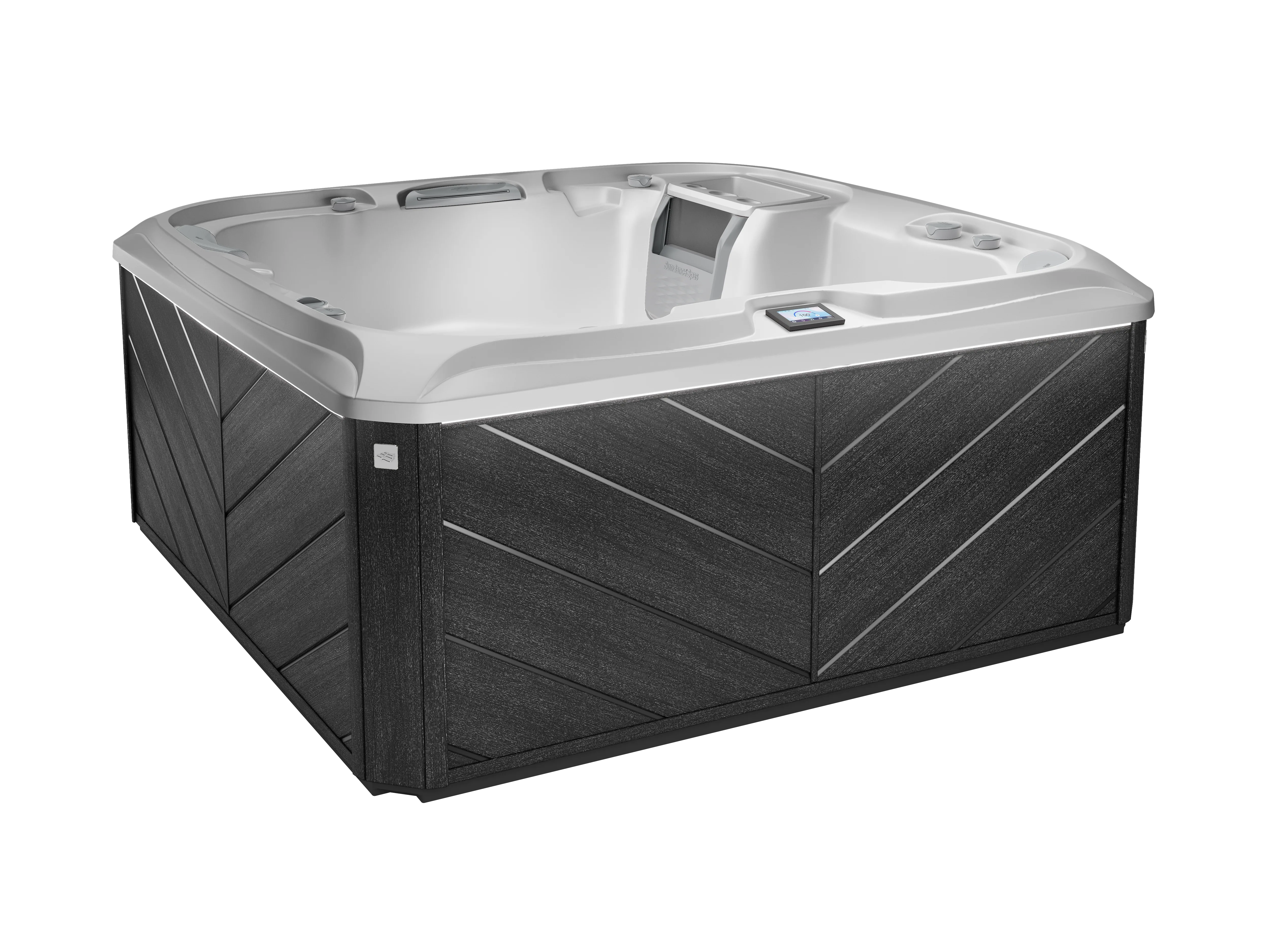
Seating:
Seats