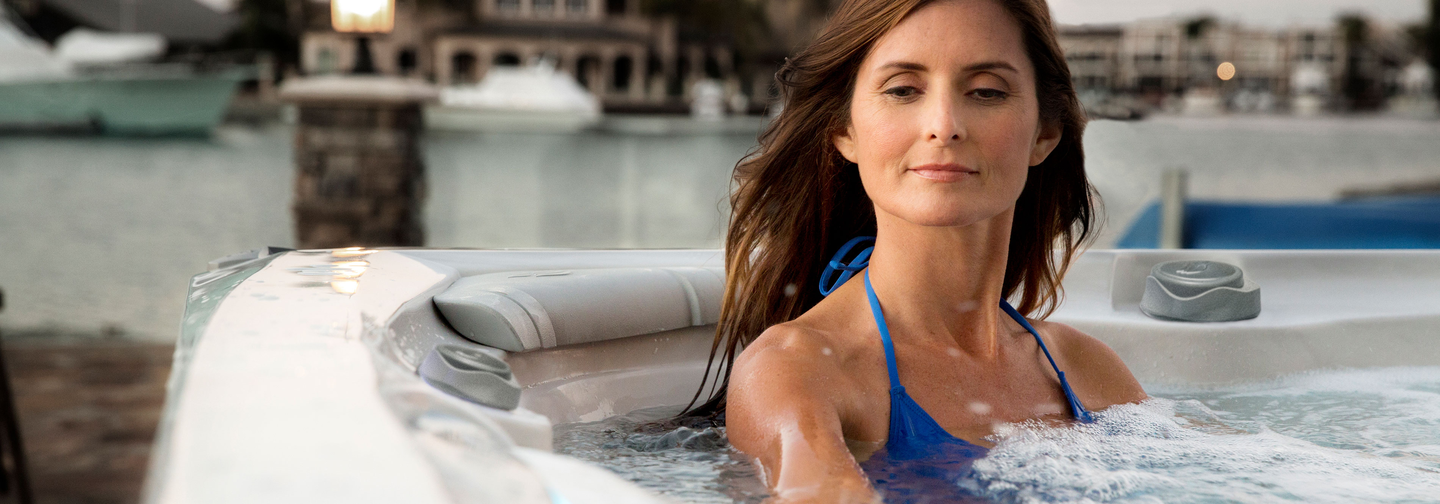
Which Hot Tub Reviews: The Best Models Ranked
Key Takeaways
- This guide ranks specific 2026 hot tub models across budgets—from entry-level inflatables under $1,000 to premium acrylic spas exceeding $30,000—based on real-world ownership factors rather than marketing claims.
- Build quality, hydrotherapy performance, and energy efficiency matter far more than flashy add-ons or jet count alone when selecting the best hot tubs for your home.
- A quality hot tub from a reputable manufacturer should deliver 10–15+ years of service, while inflatables typically last 2–4 years.
- This article includes a practical buying checklist, detailed category winners, and an FAQ addressing cost, lifespan, water care, and how to test before you buy.
Introduction: How to Use These Hot Tub Reviews
When searching for “which hot tub reviews” to trust, you’ll encounter countless paid directories, affiliate-driven rankings, and promotional content that prioritizes advertising revenue over genuine buyer guidance. If you searched for which hot tub reviews are trustworthy, this guide is designed to answer exactly that question. This guide takes a different approach. We’ve ranked the best hot tubs available in 2026 based on what actually matters once you’re living with one: hydrotherapy quality, long-term durability, operating costs, and the after-sales support that determines whether your investment brings years of enjoyment or headaches. Whether you’re a first-time buyer, a homeowner upgrading your backyard, or someone seeking wellness benefits, this guide is tailored to help you make an informed decision.
The rankings are structured by use case—best overall, best for small spaces, best budget inflatable, best for serious wellness—so you can navigate directly to what fits your household.
This guide is for:
- First-time buyers who want clarity on what separates quality from marketing
- Homeowners renovating their backyard or patio space
- Wellness-focused individuals seeking genuine hydrotherapy benefits
- Families balancing budget considerations with long-term value
- Anyone who’s felt overwhelmed by the sheer volume of hot tub brands in the market
How We Ranked the Best Hot Tubs in 2026
Ranking hot tubs requires looking beyond glossy brochures and social media ads. The criteria that matter most are the ones you’ll live with daily—not the features that sound impressive in a showroom but disappoint at home.
Some brands focus heavily on how they sell their hot tubs, using aggressive marketing or flashy promotions, but this guide prioritizes real-world ownership factors over sales tactics.
Our evaluation criteria:
- Shell construction: Acrylic thickness, fiberglass backing, and resistance to cracking or fading over years of UV exposure
- Frame and base: Wood (prone to rot without treatment), steel (corrosion concerns), or modern ABS/composite construction for longevity
- Insulation quality: Full foam insulation versus partial foam or reflective barriers, and how well the tub retains heat overnight
- Jet design and hydrotherapy: Distribution of jets across seats, adjustability, dedicated therapy zones, and whether jets target specific muscle groups effectively
- Pump configuration: Single versus dual pumps, horsepower ratings, and how pump design affects massage pressure and energy consumption
- Seating ergonomics: Depth, lumbar support, headrest comfort, and whether seats accommodate different body types
- Controls and filtration: Intuitive digital controls, programmable cycles, and quiet operation during filtration
- Water care systems: Standard chlorine/bromine versus advanced ozone, UV-C, or multi-stage sanitation that keeps water fresh with fewer chemicals
Advanced hydrotherapy jets are designed for therapeutic precision, targeting specific muscle groups.
We evaluated hydrotherapy performance by examining how jets are distributed across the body—not just counting them. A spa with 30 well-placed adjustable jets targeting neck, shoulders, lumbar spine, and feet often delivers superior relief compared to one boasting 60 jets concentrated in less useful positions.
Energy efficiency was tested against real cold weather conditions. Spas with full foam insulation, insulated covers, and efficient circulation pumps consistently outperformed those cutting corners on unseen components.
Dealer support and warranty responsiveness received significant weight in our rankings. A premium spa is expected to last 10–15+ years, and that longevity depends heavily on having trained technicians available when you need them.
Our rankings intentionally span different price bands, but we favor products that balance upfront cost with long-term ownership value. A tub that saves you $3,000 today but costs $50 more per month to heat—and needs replacing in five years—isn’t actually a bargain.
Types of Hot Tubs: Which Style Fits Your Space and Lifestyle?
Hot tubs are available in various types, including inflatable, acrylic, wooden, steel, rotomolded, and in-ground models, each with its own pros and cons. The best hot tub for an individual depends on variables such as customization, hydrotherapy, budget, or ease of installation.
Choosing the right type of hot tub is your first major decision. Before comparing specific models, you need to understand whether an inflatable, rotomolded, acrylic, or custom-built spa matches your property, budget, and how you plan to use it. Hot tubs provide a space to relax, unwind, and enjoy therapeutic benefits after a long day.
Lifespan at a glance:
- Inflatables: 2–4 years
- Rotomolded plug-and-play: 5–8 years
- Acrylic/premium spas: 10–15+ years
Portable Acrylic Hot Tubs (The Classic Backyard Spa)
Molded acrylic hot tubs represent the mainstream standard for serious hydrotherapy and long-term ownership. These are the spas you picture when imagining a backyard retreat—sculpted seats, powerful jets, and ambient lighting creating an inviting atmosphere on cool evenings.
Typical specifications:
- Seating: 2–8+ people
- Price range: $8,000–$25,000+ for premium brands
- Electrical: Usually 240V (requires professional installation)
- Features: Built-in seating with ergonomic contours, adjustable jets, LED lighting, waterfalls, ozone or UV water care
Sundance Spas hot tubs exemplify this category. Engineered around wellness features like targeted hydrotherapy and quiet operation, they deliver the kind of therapeutic massage that makes a real difference for muscle recovery, joint comfort, and stress relief.
This type suits homeowners who want long service life, winter-proof soaking even in sub-zero temperatures, and strong after-sales dealer support. If you’re investing in a spa you’ll use for the next decade, acrylic is the category to shop.
Inflatable Hot Tubs (Budget & Temporary Solutions)
Inflatables made from reinforced PVC offer entry-level access to warm-water relaxation, typically priced under $1,000–$1,500 in 2025. They’re ideal for buyers who want to test whether they’ll actually use a hot tub before committing to a permanent installation.
Benefits:
- Plug into any standard outlet
- Low upfront cost
- Easy to drain, deflate, and store off-season
- Quick setup without electrical work
- Simple to fill with water after setup, so you can be ready to use your hot tub quickly
Limitations:
- Bubble jets provide relaxation, not true hydrotherapy
- Higher running costs due to heat loss through thin walls
- Lifespan of 2–3 years versus 15–20 years for acrylic
Inflatables make sense for renters, seasonal summer use, or as a trial before investing in a permanent premium spa. If you care deeply about muscle recovery, joint relief, or year-round use, consider stepping up to acrylic—the difference in therapeutic value is significant.
Rotomolded & Plug-and-Play Hard-Sided Tubs
Rotomolded polyethylene tubs occupy the middle ground between inflatables and premium acrylic spas. Many plug-and-play 110–120V models sit in the $3,000–$7,000 range and represent a common first “real” hot tub purchase.
Advantages:
- Rugged one-piece shells resistant to cosmetic damage
- Relatively lightweight for easier delivery
- Quick installation without an electrician (though 240V upgrades improve performance)
- Real hydrotherapy jets, not just bubbles
Trade-offs:
- Less refined shell shapes and seating ergonomics
- Fewer jets and simpler jet configurations
- Generally simpler insulation compared with premium grade units
This category works well for small patios, vacation rentals, and buyers who want a permanent tub but have limited power access or budget constraints. Many owners start here and upgrade to a full-featured acrylic spa once they experience how much they value daily soaking.
Wooden, Steel, and In-Ground Tubs (Design-Driven Options)
These options prioritize aesthetics and architectural integration over plug-and-play convenience.
Wooden tubs (cedar, redwood) offer traditional Japanese-inspired soaking experiences. Often heated by wood fire or gas rather than electric, they focus on deep immersion rather than jet massage. Beautiful, but requiring more maintenance and effort.
Steel tubs deliver modern industrial aesthetics with excellent durability. Considerations include insulation quality and condensation control, especially in humid climates.
In-ground spas integrate seamlessly with pools and hardscaping. Concrete or tile shells create stunning centerpieces, but installation budgets typically start around $25,000+ including construction, and the plumbing complexity increases significantly.
While these options can be beautiful, they require more project planning than a self-contained portable spa. Most buyers seeking reliable hydrotherapy and straightforward installation find better value in premium acrylic models from established brands like Sundance Spas.
Which Hot Tub is Best Overall in 2026?
After evaluating dozens of models across categories, our Best Overall pick for 2026 is a premium 6–7 person acrylic spa that exemplifies what serious hydrotherapy should feel like. This isn’t about finding the most affordable option—it’s about identifying the tub that delivers the best balance of comfort, durability, efficiency, and therapeutic value.
The winning configuration outperforms budget inflatables in every meaningful way: genuine muscle-targeting jets versus simple bubbles, full foam insulation that maintains temperature through freezing nights, and construction designed to last 15+ years rather than 3. Compared to mid-range rotomolded spas, the difference shows in seating ergonomics, jet adjustability, and the refinement of daily controls.
Best Overall: Premium 6–7 Person Acrylic Spa - Sundance Spas
Best Overall: Premium 6–7 Person Acrylic Spa - Sundance Spas 880
The Sundance Spas 880 stands out as best in class within the premium 6–7 person acrylic spa category. Combining decades of Sundance’s engineering expertise with luxurious features, the 880 model delivers exceptional hydrotherapy and long-term durability that justify its investment.
Benchmark configuration:
- Capacity: Seats up to six people comfortably, including a full lounge seat and multiple upright therapy seats
- Jets: 40–50 adjustable jets strategically placed to target neck, shoulders, lumbar, and feet for comprehensive muscle relief
- Pumps: Dual high-performance pumps providing powerful and customizable massage pressure
- Insulation: Full foam insulation with an insulated base designed to retain heat efficiently even in cold weather
- Water care: Advanced Clear Ray water purification system reducing chemical use and keeping water fresh with minimal maintenance
- Controls: Intuitive digital touchscreen allowing programmable filtration and heating cycles for convenience and energy savings
The Sundance 880 exemplifies a spa engineered for wellness and family enjoyment rather than mere warm water. Its hydrotherapy layout prioritizes purposeful jet placement over sheer quantity, ensuring every soak delivers genuine relief. Full foam insulation combined with a well-fitted insulated cover enables the spa to maintain optimal temperatures overnight, even in sub-zero conditions.
Additional features include LED lighting zones, waterfall accents, and quiet operation, creating an inviting ambiance for relaxation and socializing. Backed by Sundance’s strong dealer network and warranty support, the 880 model represents a long-term investment in comfort, health, and backyard luxury. For buyers seeking a quality hot tub that balances performance, energy efficiency, and therapeutic benefits, the Sundance Spas 880 sets the standard in its class.
Best Hot Tub Reviews by Category
Not everyone needs the “best overall” model. Different spaces, budgets, and priorities call for different solutions. This section breaks down recommendations into specific categories so you can navigate directly to what fits your situation.
Featured Model: Jacuzzi J-4 Patio Version
The Jacuzzi J-4 Patio is a compact, stylish hot tub designed specifically for smaller outdoor spaces like patios, balconies, or intimate backyard corners. It combines Jacuzzi’s renowned hydrotherapy expertise with a space-saving footprint and user-friendly features.
Key features:
- Seating: Comfortably seats up to 4 people with ergonomic built-in seating and a lounge-style seat
- Jets: Equipped with 14 adjustable PowerPro® jets strategically placed for targeted muscle relief, including neck, shoulders, and lower back
- Size: Approximately 84 x 84 inches, ideal for patios or smaller backyard areas without sacrificing comfort
- Insulation: Full foam insulation and a durable insulated cover help retain heat efficiently, even in cold weather
- Controls: Easy-to-use digital controls with preset massage programs and temperature settings
- Water care: Integrated ClearRay® UV-C system reduces chemical use and keeps water fresh with minimal maintenance
- Design: Sleek, modern cabinet with weather-resistant materials suited for year-round outdoor use
The Jacuzzi J-4 Patio balances therapeutic hydrotherapy benefits with a compact design, making it perfect for couples or small families who want the luxury and quality of a premium spa without needing a large space. Its quiet operation and energy-efficient heating make it a top choice for homeowners looking to upgrade from inflatables or smaller spas while maintaining manageable running costs.
This model represents an excellent blend of performance, style, and convenience, embodying why Jacuzzi remains a benchmark in hot tub reviews.
Best Budget Hot Tub: High-Value Inflatable with Real Features
The Intex PureSpa represents entry-level excellence for buyers under $800–$1,000. A 4–6 person configuration with 120–170 bubble jets, digital controls, and an insulated cover provides genuine relaxation value.
What separates quality budget options:
- Thicker vinyl construction (look for Fiber-Tech or similar)
- Stronger 1,000W+ heater for faster heat-up
- Included ground cloth for base protection
- Built-in chemical dispenser for easier maintenance
While an inflatable cannot match a molded Jacuzzi for massage power, it delivers a relaxing soak and social atmosphere for seasonal use. Treat it as a stepping-stone toward a permanent hydrotherapy spa once you confirm how often you’ll actually soak. Consumer reports consistently show 80% satisfaction for portability, though repurchase intent drops to 60% once owners experience acrylic alternatives.
Best Plug-and-Play: 4-Person Rotomolded Spa - Dream Maker Cabana 2500L
The Dream Maker Cabana 2500L is a standout 4-person rotomolded plug-and-play spa that combines durability, convenience, and genuine hydrotherapy features without the need for complex electrical work.
Key features:
- Seats up to four people comfortably with ergonomic built-in seating
- Equipped with 10–20 adjustable hydrotherapy jets delivering targeted massage
- Powered by a 1.5–2 hp pump for strong, soothing water flow
- Operates on standard 110/120V outlets with optional 240V upgrade for faster heating
- Integrated filtration system simplifies maintenance and keeps water fresh
- Durable one-piece rotomolded shell resists cosmetic damage and is easy to relocate
- Energy-efficient design with insulated cover to help retain heat
Ideal for renters, small patios, or buyers seeking a genuine spa experience without the hassle of professional installation, the Dream Maker Cabana 2500L bridges the gap between basic inflatables and premium acrylic spas, offering real hydrotherapy benefits in a compact, user-friendly package.
Best Mid-Range Acrylic: Sundance Spas 780 Model
The Sundance Spas 780 is a feature-rich 5–6 person acrylic tub that strikes an excellent balance between value and performance for families and wellness seekers alike. It offers a thoughtfully designed layout with one lounge seat and multiple upright therapy seats, supported by 35–45 adjustable jets delivering targeted hydrotherapy.
Key features include:
- Advanced Clear Ray® water purification system reducing chemical use and keeping water fresh
- Upgraded full foam insulation package to retain heat efficiently in cold weather
- Durable composite cabinet designed to resist rot and pests
- LED lighting and waterfall accents for ambiance and relaxation
- Price range: $12,000–$17,000 installed
This model handles after-work relaxation, family gatherings, and weekend entertaining without reaching ultra-luxury pricing. It incorporates many core wellness benefits found in flagship models, making it an outstanding choice for those balancing quality with budget.
Best for Serious Hydrotherapy & Wellness: Premium Therapy Spa
A therapy-focused spa inspired by Jacuzzi’s hydrotherapy heritage delivers 50+ specialized jets with carefully profiled seats designed for targeted relief.
Wellness-oriented features:
- Powerful foot domes for reflexology massage
- Neck and shoulder collars with adjustable pressure
- Variable massage programs replicating professional techniques
- Optional infrared or red light therapy zones supporting recovery and sleep
- Sweeping back jets delivering 10+ movements per minute for deep tissue work
This class suits athletes, people managing arthritis or chronic back pain, and households where the tub serves as a daily wellness tool rather than occasional entertainment. Expect 240V electrical requirements, professional installation, and a strong local dealer network for long-term support.
Best for Entertaining: Jacuzzi J-5 Model
The Jacuzzi J-5 is an excellent choice for those who love to entertain, comfortably seating 7+ people with an open seating design that encourages conversation and socializing. This large acrylic spa features a spacious footwell and no lounger, maximizing usable room for guests.
Entertainment-focused features:
- Multiple color-changing LED lighting zones that create a vibrant atmosphere
- Backlit cup holders and integrated premium sound system for music enjoyment
- Dramatic waterfall and water features that add ambiance and visual appeal
- Open seating arrangement designed for easy interaction among guests
- Heavy-duty insulated cover and efficient circulation pumps to manage energy costs while keeping water fresh
Ideal for homeowners who regularly host gatherings, the Jacuzzi J-5 combines the fun of a party spa with meaningful hydrotherapy benefits, ensuring every soak delivers both relaxation and social enjoyment.

Explore Spas


What to Look For When Reading Hot Tub Reviews
When evaluating hot tub reviews, focus on these key factors for a more informed decision:
Build Quality & Insulation
- Shell materials: Look for thick acrylic with fiberglass backing rather than thinner vacuum-formed plastics that can flex or crack over time.
- Frame construction: Should use rot-resistant materials—modern ABS/composite frames outlast untreated wood in humid environments.
- Insulation: Full foam insulation and a solid, insulated base are critical for four-season use. Partial foam or reflective barriers alone won’t prevent your heating costs from spiking once temperatures drop.
- Energy efficiency: Seek reviews mentioning real-world energy costs and how well the tub holds temperature overnight.
- Brand benchmarks: Sundance spas typically feature dense insulation and rigid bases specifically engineered to protect plumbing and retain heat—benchmarks worth comparing others against.
Hydrotherapy Performance & Seating Comfort
- Jet types: Good hydrotherapy means varied jet types (rotating, pulsating, directional), adjustable flow, balanced pressure, and thoughtful placement targeting muscles that actually need relief.
- Ergonomics: Prioritize ergonomics and seat depth over raw jet count. A tub with 30 well-positioned jets serving different body zones delivers superior therapy compared to 60 jets clustered randomly.
- Test-sit: Test-sit in showrooms whenever possible—body types vary, and what feels perfect for one person may leave another uncomfortable.
- Owner feedback: Seek reviews discussing specific relief outcomes: “my lower back pain improved,” “the calf jets are excellent,” “neck jets finally address my tension.” Generic “nice jets” comments reveal little.
- Adjustable jets: Hot tubs often feature adjustable jets that provide a customizable massage experience, which is a key aspect of their appeal.
Water Care & Maintenance
Common hot tub water care systems vary in maintenance needs, chemical usage, and overall cost. Traditional chlorine or bromine systems typically require higher maintenance, use standard chemical levels, and have lower upfront costs. Ozone systems involve a moderate level of maintenance and can reduce chemical use by about 30 to 40 percent while carrying a moderate initial investment. UV C systems also require moderate maintenance and may lower chemical usage by roughly 40 to 50 percent with similar moderate costs. Multi stage systems that combine ozone and UV technology generally offer lower ongoing maintenance and can reduce chemical use by up to 50 percent, though they come with higher upfront pricing. Saltwater systems provide another lower maintenance option, rely on minimal chlorine, and usually involve a higher initial cost compared to traditional methods.
- Low-maintenance systems: Favored by premium brands, these keep water fresh with fewer chemicals and less daily attention.
- Owner reviews: Look for owner reviews reporting how often they balance water, change filters, or fully drain and refill the tub.
Warranty, Dealer Network & After-Sales Support
- Warranty: Long-term satisfaction depends heavily on warranty strength and dealer responsiveness. Expect 5–10 year structural warranties on the shell and 3–5 year equipment coverage from reputable manufacturers.
- Dealer network: Prioritize brands with established dealer networks, showroom presence, and service technicians in your region.
- Support: A spa is a significant purchase—you want trained support available when something eventually needs attention.
- Premium brands: Sundance spas and Jacuzzi invests in training dealers and technicians to ensure consistent support throughout the tub’s lifespan.
What to Avoid When Choosing a Hot Tub
Avoiding common pitfalls saves thousands of dollars and years of frustration. These red flags signal that corners have been cut somewhere—even if the marketing looks polished.
Red Flags in Marketing & Specs
- Extremely high jet counts without details about pump horsepower, flow control, or seat design—more jets mean nothing if water pressure is diluted
- “Lifetime” warranties loaded with exclusions and heavy pro-ration that effectively void coverage after a few years
- Missing insulation documentation—if a company won’t show cross-section photos or specify cabinet materials, assume they’re hiding something
- Steep “limited-time” discounts creating urgency around inflated prices—legitimate dealers rarely slash 50% because their original pricing was honest
- Vague specifications avoiding concrete details about shell thickness, frame materials, or electrical requirements
Common Design & Build Issues
- Thin acrylic shells that flex underfoot or develop stress cracks
- Unsupported floor areas sagging over time under water weight
- Wood frames prone to rot in humid or wet environments
- Poorly sealed cabinet doors allowing heat loss and pest entry
- Under-insulated tubs marketed as “four-season” but struggling below freezing
Favor brands known for engineering discipline and rigorous testing. Jacuzzi-class manufacturers stake their reputation on durability rather than cutting costs on hidden components.
Water Care & Electrical Surprises
- Proprietary chemicals or cartridges with limited third-party options, locking you into expensive consumables
- Under-communicated electrical needs—tubs sold as plug-and-play that heat painfully slowly without 240V upgrades
- Permit ambiguity—clarify local electrical requirements before purchase, not after delivery
- Confusing controls that make managing filtration and temperature schedules frustrating rather than intuitive
In a few seconds of online research, you can often find owner forums discussing these exact pain points for specific models. That homework pays dividends.
Hot Tub vs Swim Spa vs Plunge Pool: Which Is Right for You?
Before committing to a hot tub purchase, confirm it’s actually what you need. Jacuzzi manufactures both hot tubs and swim spas, giving perspective across categories.
Hot Tubs
Hot tubs are compact, heated spas designed primarily for hydrotherapy, relaxation, and social soaking. Typical footprints range from 6–8 feet square with 250–450 gallon water volumes.
Ideal for:
- Evening relaxation and stress relief
- Muscle recovery and joint comfort
- Year-round outdoor enjoyment, including cold weather
- Households prioritizing wellness over fitness
Sundance Spas core product range spans compact two-seaters to large entertainment spas, all engineered around therapeutic value.
Swim Spas
Swim spas are elongated units (typically 12–20+ feet long) combining a hot tub zone with a swim-in-place current. They support fitness training, low-impact exercise, and family recreation in a smaller footprint than a full swimming pool.
Considerations:
- Higher installation and electrical demands
- Budgets typically start in mid-five figures
- Requires more space than standard hot tubs
- Sundance swim spas integrate powerful swim jets with dedicated hydrotherapy seating
Plunge Pools
Plunge pools are compact in-ground or semi-inground pools designed for cooling off and light exercise rather than hot soaking. While sometimes heated, they lack the jet intensity and seating ergonomics of purpose-built hot tubs.
For focused hydrotherapy and year-round warmth, hot tubs remain the more efficient choice in most climates.
Jacuzzi: Setting the Benchmark for Hot Tub Reviews
While this guide compares categories and features broadly, Jacuzzi serves as the benchmark for premium hydrotherapy spas throughout our analysis. Understanding why helps contextualize what “quality” actually means in this market.
From 1915 through the invention of the modern whirlpool bath in 1968, Jacuzzi pioneered hydrotherapy technology that others now emulate. The company’s origin story—a family creating a pump to alleviate a child’s rheumatoid arthritis—established a wellness-first approach that still guides product development.
Hydrotherapy & Wellness Technology
Sundance Spas focuses on jet placement and water flow paths that support specific muscle groups and joint regions—not just impressive-sounding jet counts. Their advanced jet systems deliver targeted full-body massage through variable pressure jets designed to mimic professional therapy techniques.
Innovations include:
- Ergonomic pillows and headrests reducing neck strain
- Variable massage programs adjustable to individual preferences
- Sweeping back jets that move across the spine rather than remaining stationary
When comparing hot tub brands, assess whether others offer equally thoughtful hydrotherapy design or simply pack in more jets without purpose.
Water Care, Efficiency & Longevity
Sundance Spas emphasizes multi-stage filtration, effective skimming, and circulation that keeps water clearer with less manual intervention. Their Clear Ray UV-C and ozone systems reduce chemical needs by up to 50% compared to standard chlorine-only approaches.
Energy-efficient components—full foam insulation, well-sealed covers, efficient pumps, and smart control logic—keep monthly operating costs reasonable despite premium construction. Expect $30–$70 per month depending on climate and usage rather than the $50–$100+ that poorly insulated models often incur.
Premium construction and strong warranties are designed to deliver 10–15+ years of service with routine care. Use these standards as a reference when evaluating other brands’ hot tub reviews and promises.
Safety Precautions: Enjoying Your Hot Tub Responsibly
Enjoying your hot tub is all about relaxation and fun, but safety should always come first—especially when sharing your backyard oasis with family and friends. Start by ensuring your hot tub is installed by a professional who understands the importance of proper plumbing, electrical connections, and full foam insulation. This not only helps your tub retain heat efficiently but also minimizes the risk of electrical or water-related accidents.
Brands like Master Spas and American Whirlpool are known for integrating advanced safety features into their hot tubs, such as locking insulated covers and secure access systems, which help prevent unsupervised use by children or pets. Always supervise young children and keep pets away from the tub when it’s in use, as even a few seconds of inattention can lead to accidents.
Be mindful of water temperature—most experts recommend keeping it below 104°F to avoid overheating, especially for those with health conditions. Regularly check the area around your hot tub for slippery spots or obstacles that could cause trips or falls, and keep the space clear for easy access. By following these simple precautions and choosing a quality hot tub from reputable brands, you can ensure that every soak is both safe and enjoyable for your entire family.
First Time Buyers: Essential Tips for Your First Hot Tub Purchase
If you’re a first-time buyer, navigating the world of hot tubs can feel overwhelming with so many brands, models, and features on the market. Start by setting a realistic budget and measuring the space in your backyard to determine what size tub will fit comfortably. Think about how many people will use the hot tub regularly—do you need a cozy two-seater for quiet evenings, or a larger model for family gatherings?
Focus on quality hot tub brands that are known for durability and reliable performance. Look for features like full foam insulation, which helps retain heat and keeps operating costs down, as well as adjustable jets for a personalized massage experience.
Don’t forget to compare warranties, maintenance requirements, and the cost of chemicals and accessories like covers and filters. Brands such as Sundance Spas, Hot Springs and Caldera also offer a range of models with different features and price points, so take the time to read reviews and ask questions before making your decision. By prioritizing your needs and doing your research, you’ll find a hot tub that fits your lifestyle, budget, and backyard—setting the stage for years of relaxation and family fun.
Buying Checklist: Matching the Right Hot Tub to Your Budget
Print this checklist or save it on your phone before visiting showrooms. Clear thinking before you shop prevents impulse purchases you’ll regret.
For 2026, hot tub pricing generally falls into several categories based on build and features. Inflatable models typically range from $500 to $1,500, while plug and play rotomolded spas usually cost between $3,000 and $7,000. Mid range acrylic hot tubs are commonly priced from $8,000 to $15,000, and premium acrylic models can range from $12,000 to $30,000 or more. Swim spas represent the highest investment, often starting around $25,000 and reaching $50,000 or higher. In addition to the purchase price, buyers should plan for separate costs such as site preparation including a concrete pad, deck reinforcement, or ground leveling, electrical work like installing a 50 amp circuit for 240V spas, delivery and possible crane service if access is limited, accessories such as steps, cover lifters, and handrails, and first year water care supplies including chemicals, test kits, and filters.
Key Questions to Answer Before You Buy
- What’s your primary goal? Relaxation, pain relief, entertaining, fitness, or a mix?
- How many people will use the spa regularly? Size accordingly—don’t overbuy or underbuy
- Do you prefer a lounge seat for full-body immersion or all upright seating for flexibility?
- What’s your available space? Measure the footprint, access paths, and confirm weight capacity of your deck or patio
- What are local building and electrical codes? Check permit requirements before purchase
- What’s your realistic total budget? Include tub, installation, accessories, and first-year operating costs
Plan ahead by contacting local Sundance Spa dealers or certified installers early. Understanding site prep and electrical requirements before you fall in love with a specific model prevents disappointment.
FAQ
How long should a good hot tub last?
Well-built acrylic hot tubs from reputable manufacturers typically last 10–15+ years with proper care. Inflatables average 2–4 years before developing leaks or pump failures. Longevity depends on shell quality, insulation, pump reliability, and whether routine maintenance—water balance, filter cleaning, cover care—is performed consistently. Premium spas are engineered with structural stability and serviceable components specifically to support long ownership.
How much does it cost to run a hot tub each month?
Most properly insulated tubs cost roughly $30–$70 per month in electricity, depending on climate, size, and usage frequency. Full foam insulation, a good insulated cover, and smart filtration cycles significantly reduce those costs. Poorly insulated inflatables or discount tubs can run $80–$100+ monthly. Ask local dealers or your utility company for region-specific estimates based on kilowatt-hour rates.
How often do I need to change the water and filters?
Most owners replace filters every 1–2 years, rinse them monthly, and change water every 3–4 months under normal household use. Advanced filtration and water care systems in premium tubs keep water cleaner longer with less chemical odor. Check your owner’s manual for brand-specific schedules—following them closely prevents problems and extends equipment life.
Is there a best time of year to buy a hot tub?
Prices remain relatively stable year-round, though local dealers may offer promotions during home shows, spring grand openings, or end-of-season events. However, planning ahead for site prep and electrical work matters more than chasing a small seasonal discount. Focus on finding the right model and dealer relationship rather than waiting for a particular month—the best time to buy is when you’re ready.
Can I try a hot tub before I buy one?
Many premium dealers, including Sundance Spas showrooms, offer private or semi-private “wet tests” where you can actually soak in a filled, heated spa. Testing seat comfort, jet pressure, water flow, and noise level in person is one of the best ways to choose the right model. Bring swimwear and book an appointment so you can compare a few tubs back-to-back. Many others have discovered that sitting in a tub for fifteen minutes reveals more than hours of online research.
Conclusion: Finding Your Perfect Hot Tub
Finding your perfect hot tub is all about balancing your budget, available space, and the features that matter most to you. With so many hot tub brands and models to choose from, it pays to do your homework—read reviews, compare product details, and focus on quality construction and reputable brands like Master Spas and Sundance Spas. Whether you’re drawn to entry-level tubs with essential features or luxurious models with adjustable jets and LED lighting, there’s a hot tub out there to match your needs.
Remember to consider long-term factors like energy efficiency, maintenance, and safety, and don’t hesitate to consult with dealers or manufacturers for expert advice. By investing in a quality hot tub, you’re not just buying a product—you’re creating a relaxing retreat in your backyard where you can unwind, entertain, and make memories with family and friends. Start your search today, and discover how the right hot tub can transform your outdoor space into a haven of comfort and relaxation.