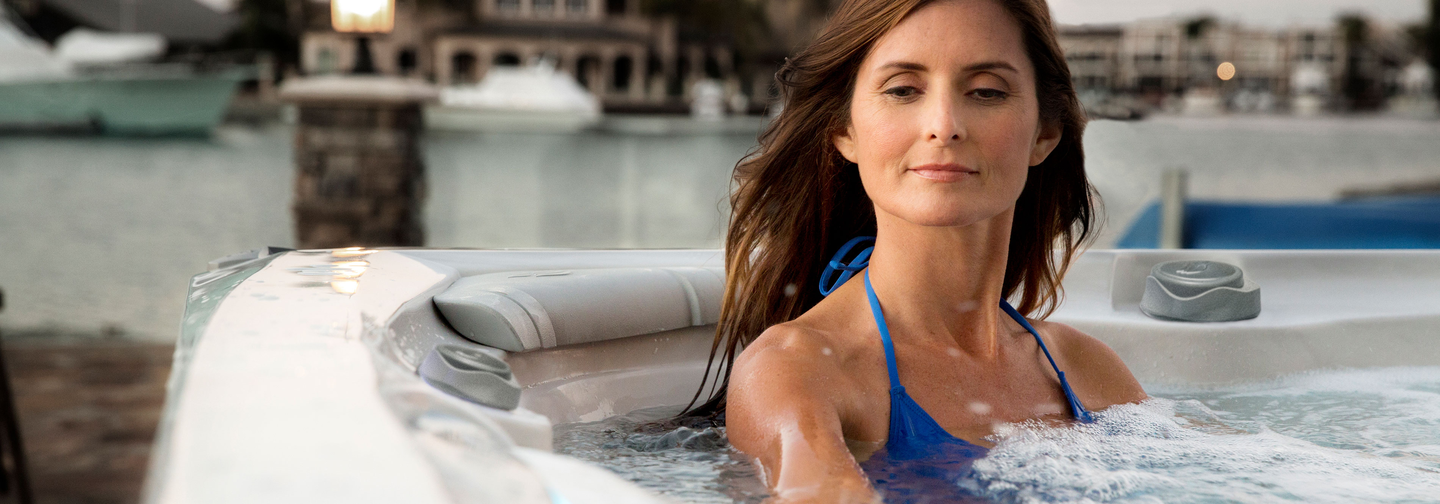
Dual Temp Swim Spas: Swim, Soak, and Save Space
Key Takeaways
- A dual temp swim spa (also called a dual zone swim spa) combines a full-length swim area and a separate hot tub section in one unit, each maintained at its own water temperature—typically 80–85°F for swimming and up to 104°F for therapeutic soaking.
- These versatile units deliver year round fitness, hydrotherapy, and family recreation in approximately 17–19 feet of space, making them a compelling pool alternative for homeowners who want it all without sacrificing their entire outdoor living space.
- Independent temperature controls mean one person can swim laps in cooler water while another relaxes in the hot tub side at the same moment—no waiting, no compromise.
- Prices typically range from the mid-$20,000s to $50,000+ before site preparation and electrical work, but a single dual temperature swim spa can replace the need for both an in ground pool and a separate hot tub.
- This article walks you through how dual temp systems work, which features matter most, popular model examples for 2024–2026, and what to expect for installation and ongoing care.
What Is a Dual Temp Swim Spa?
A dual zone swim spa is exactly what it sounds like: two completely separate bodies of water housed within a single fiberglass or acrylic shell. One side is designed for swimming and aquatic workouts; the other is a fully equipped spa built for hydrotherapy and relaxation. A solid divider—often a sturdy acrylic wall—keeps the two zones independent, so changing the temperature or running the jets on one side has no effect on the other.
The typical layout features a long swim channel measuring around 12–15 feet of usable length, paired with a dedicated hot tub section complete with contoured ergonomic seats and massage jets. The swim side is usually maintained in the low- to mid-80s°F, ideal for exercise without overheating. The spa side can be set anywhere from the low-90s up to 102–104°F—warm water that eases muscle tension, soothes aching joints, and invites you to stay a little longer under the stars.
Each zone operates with its own control panel, pumps, heater, and filtration loop. This independent infrastructure is what makes dual temp swim spas genuinely different from single-zone models, where you’d need to wait hours for the temperature to shift before switching activities. Here, the swim area stays cool for morning laps while the hot tub side waits at therapeutic warmth for your evening wind-down.
Most dual temp models measure between 17 and 21 feet long and 7 to 8 feet wide—substantial, but far more compact than a traditional swimming pool. They’re designed to sit on a reinforced concrete pad or engineered deck, making installation straightforward compared to excavating an in ground pool.
To make this concrete: the Sundance Swim spas has a popular 19-foot dual zone model known for its smooth, airless system on the swim side and other features. Similarly, Jacuzzi’s J-19DT offers a comparable footprint with distinct zones for active swimming and relaxed soaking. These examples show how the concept translates into real backyard oasis installations.
Why Choose a Dual Temp Swim Spa Instead of a Pool and Hot Tub?
Picture a typical backyard setup: a 12x24-foot in ground pool takes up nearly 300 square feet, plus the deck around it. Add a separate hot tub at another 50+ square feet, equipment pads, fencing, and suddenly you’ve consumed most of your outdoor living space. Now imagine fitting all that functionality—laps, splashing, and soothing jets—into roughly 150–170 square feet.
That’s the space saving design of a 19-foot dual temp swim spa. For many homeowners with smaller backyards, this isn’t just convenient—it’s the only practical way to enjoy both swimming and hydrotherapy at home. The remaining space becomes available for a fire pit, outdoor kitchen, garden beds, or simply room for the kids to run.
Year round use is another compelling advantage, especially for those living in four-season climates. Unlike traditional pools that close down for winter, a well-insulated dual zone model with a tight-fitting cover keeps running through freezing temperatures. Imagine a January morning swim in your own home followed by a snowy-night soak—no gym commute, no public pool crowds, just your own sanctuary a few steps from the back door.
Convenience multiplies when you consider the rhythm of daily routine. A 15-minute swim before work. A 20-minute soak after the kids are in bed. Aquatic therapy for a recovering knee without scheduling appointments. This accessibility transforms a swim spa from occasional luxury into a genuine part of your active lifestyle.
From a practical standpoint, dual temp systems also simplify permitting and construction in many municipalities. Above-ground or partially recessed installations often avoid the lengthy excavation timelines, inspections, and costs associated with digging a traditional swimming pool. For many homeowners, that means less disruption and faster enjoyment.
Core Benefits of Dual Temp Swim Spas
A dual zone swim spa isn’t just a pool spa combo—it’s a single unit designed to support fitness, recovery, family connection, and daily well being in ways that separate installations simply can’t match.
Fitness and Aquatic Workouts
The swim side creates an endless current against which you can swim laps, walk, jog, or perform low impact workouts without ever reaching a wall. Adjustable swim jets let you dial in the resistance, from a gentle flow for beginners to a challenging current suitable for serious athletes training for triathlons or maintaining off-season conditioning.
Water buoyancy naturally reduces stress on your lower body, making aquatic therapy ideal for anyone managing arthritis, recovering from surgery, or simply seeking exercise that’s gentler on the joints. Fitness enthusiasts appreciate the ability to squeeze in a full range of motion workout—aqua jogging, resistance swimming, even core exercises—all within their own home, regardless of weather.
Hydrotherapy and Recovery
The hot tub side is where the body recovers. Targeted massage jets address the back, hips, legs, and shoulders with customizable pressure. Warm water at 100–103°F promotes relaxation, improves circulation, and helps release muscle soreness after long workdays or intense training sessions.
This isn’t just about physical relief. Regular time in warm, soothing jets has been linked to better sleep, reduced stress, and improved mental well being. It becomes a ritual—a place where the day’s tension dissolves and you return to yourself.
Family Fun and Connection
For households with children, the dual zone model shines. Kids can splash and play in the cooler swim area while adults soak peacefully in the therapy section just a few feet away. Weekend gatherings become easier when everyone—from grandparents seeking aqua therapy to teenagers wanting to cool off—finds their place.
Think of after-school afternoons when the kids burn energy in the water while you unwind from work. Or summer evenings when the whole family gathers under the stars. These moments of connection are what transform a backyard into something more meaningful.
Accessibility and Aging in Place
For those managing mobility challenges or planning to age in place, a dual temp swim spa offers something unique: exercise and therapy in an environment where buoyancy reduces joint load by up to 90%. The warm water side becomes a place of gentle movement and relief, while the swim side supports functional fitness without the impact of land-based exercise.
Space and Energy Efficiency
Dual temp swim spas are engineered for efficiency despite housing two separate water systems. Modern units feature thick cabinet insulation, multi-density foam around the shell, and custom-fit thermal covers—like roll covers that minimize heat loss even in cooler climates. These design choices mean that year round operation doesn’t translate to shocking utility bills.
In practice, a well-insulated dual zone model often costs similar to—or less than—running a standard household hot tub monthly, and notably less than heating a full-size pool. The swim side runs cooler, requiring less energy to maintain, while the spa side’s smaller volume heats efficiently. Many owners in regions like the Midwest or Northeast report comfortable winter use without excessive energy consumption.
Installation flexibility adds another layer of practicality. A dual temp spa can be recessed into a deck for a built-in look, set on-grade on a reinforced 6-inch concrete slab, or partially sunk into a patio with retaining walls. Because these are self-contained above-ground shells, they avoid the excavation and equipment pads that traditional pools require, often completing installation in a single delivery day once the pad and electrical work are ready.
Year-Round Wellness and Routine
The true value of dual temp swim spas reveals itself in how they integrate into daily routine. Morning people find themselves swimming laps at dawn, energized for the day ahead. Evening people slip into the hot tub side after dinner, letting warm water and soothing jets dissolve the day’s tension.
Seasonal use expands the possibilities: fall soaks with leaves drifting overhead, winter evenings when steam rises into cold air, spring training swims for triathletes preparing for race season, and summer cool-down sessions when the swim side offers relief from heat.
Modern control systems make maintaining this rhythm effortless. Many 2023–2026 models feature programmable filtration cycles, temperature schedules, and Wi-Fi apps that let you preheat the spa before you arrive home. The technology fades into the background, leaving you with reliable, consistent temperature settings and clear water waiting whenever you’re ready.
Popular Dual Temp Swim Spa Examples in 2024–2026
Specific models evolve over time, but a handful of 17–19-foot dual temp swim spas have become reliable benchmarks in the industry. The goal here isn’t to push one brand over another, but to illustrate real-world configurations so you can compare sizes, depths, and feature sets when shopping.
All of the examples below offer genuinely separate temperatures and controls—the defining characteristic that distinguishes true dual zone models from single-zone alternatives.
Sundance Stream
Sundance Stream Swim Spa
The Sundance Stream Swim Spa is a premium swim spa designed to offer both fitness and relaxation in a compact, versatile package. Measuring approximately 19 feet in length, it features two separate zones: a swim area with adjustable current settings for aquatic workouts, and a dedicated hot tub section equipped with therapeutic massage jets for hydrotherapy.
The swim side utilizes an advanced propulsion system that creates a smooth, laminar flow, ideal for serious athletes and fitness enthusiasts who want to swim laps, perform aquatic exercises, or engage in low-impact workouts year-round. The hot tub side offers contoured seating with multiple jets targeting key muscle groups, promoting muscle relaxation, stress reduction, and recovery after exercise.
Its space-saving design makes it an excellent pool alternative for homeowners seeking a backyard oasis that supports an active lifestyle without requiring the footprint of a traditional swimming pool.
Built by Sundance Spas, an award-winning company known for quality and innovation, the Stream Swim Spa combines durable construction, energy-efficient insulation, and user-friendly controls. It is an ideal choice for families, fitness enthusiasts, and anyone looking to enjoy the benefits of both a swim spa and a separate hot tub in one convenient unit.
MP Momentum Deep (Master Spas)
The MP Momentum Deep is a 19-foot dual temperature swim spa featuring a notably deep swim channel—ideal for taller swimmers or those who want extra buoyancy for exercises like aqua jogging. A clear acrylic divider separates the swim area from a therapy section with contoured seating designed for targeted hydrotherapy.
The propulsion system offers adjustable speed settings suitable for structured workouts, from technique drills to vigorous interval training. Meanwhile, the hot tub side can be held at 100–104°F for post-workout recovery or simple evening relaxation.
This model suits serious swimmers seeking performance, families wanting a “mini pool” experience, and homeowners considering replacing an aging traditional pool with a four-season solution. The deep design accommodates a full range of aquatic workouts while the separate sections ensure everyone finds their ideal experience.
H2X Challenger 19D (Master Spas)
The H2X Challenger 19D is another 19-foot dual temp spa that has earned a reputation for its airless jet system—a design that produces a smoother, wider swim current with less surface turbulence than basic air-injected jets. This matters for swimmers who want to focus on stroke technique without fighting choppy water.
Multiple speed settings support everything from casual swimming to high-intensity interval training, making it versatile enough for the whole family. The separate hot tub zone features therapy seating with targeted jets for the back, shoulders, and lower body—perfect for recovery after demanding workouts.
The H2X Challenger appeals to fitness-first buyers: swimmers, triathletes, and active households who prioritize current quality but also want daily hydrotherapy without leaving home. Compared to simpler recreational models, the difference in swim experience is immediately noticeable during a test swim.
H2X Trainer 19D and Similar Dual Temp Models
The H2X Trainer 19D represents a more all-around option in the trainer series—still featuring a strong current, but slightly more forgiving than competition-focused models. With 51-inch water depth providing excellent buoyancy and a hot tub zone with focused lower-body hydrotherapy, it balances fitness goals with family accessibility.
Similar dual zone models from various brands typically offer 3–4 swim jets, ergonomic seats, and comfort-focused features intended for mixed household use. These are ideal for owners who want serious low impact workouts—aqua jogging, walking against resistance, recreational laps—plus relaxation time, but don’t require elite training speeds.
For many homeowners, this category hits the sweet spot: a great investment that serves everyone from the fitness enthusiast to the grandparent seeking aqua therapy to the kids who just want to play.
How Much Does a Dual Temp Swim Spa Cost?
Let’s be direct: dual temp swim spas are a significant investment. Expect pricing to start in the mid-$20,000s for entry-level units and climb beyond $50,000 for premium spas before concrete, electrical work, and accessories are factored in.
What influences cost? Size matters—17-foot models generally cost less than 21-foot units. Propulsion-based swim currents typically command a premium over jet-only systems. Insulation quality, cabinet materials, tech features like Wi-Fi connectivity, and advanced water care systems (ozone, UV-C) all affect the final number.
Beyond the spa itself, budget separately for:
- Site preparation (concrete pad or engineered deck)
- A dedicated 240V electrical line, professionally installed
- Delivery, potentially including crane service for tight-access yards
- Accessories like steps, cover lifters, and chemical starter kits
The long-term value proposition is compelling, though. One dual zone model can replace gym memberships, public pool fees, and the combined expense of an in ground pool plus standalone hot tub. For a product designed to last 10–20 years with proper care, the per-year cost often compares favorably to alternatives.
When you’re ready to buy, request detailed written quotes from your local dealer. Compare not just price, but warranty terms, service availability, and realistic delivery timelines for 2024–2025.
Entry-Level to Premium Tiers
Entry-Level (~$26,000–$32,000): These models offer functional swim currents and adequate therapy jets, sufficient for light exercise and casual soaking. Insulation may be basic, and tech features are minimal—but for occasional use in moderate climates, they get the job done.
Mid-Range (~$32,000–$38,000): Stronger currents, more refined hydrotherapy jets, improved insulation, and better control systems define this tier. For most households seeking a balance of performance and value, mid-range models represent the sweet spot—capable enough for fitness goals without premium pricing.
Premium ($38,000+): Top-tier propulsion or laminar swim systems deliver the smoothest, most adjustable currents. High-end cabinetry, advanced water care (ozone/UV), smart-home integration, and superior insulation make these high quality models appealing to heavy users, serious athletes, and those who simply want the best investment for their backyard oasis.

Factoring in Installation and Ongoing Upkeep
Installation typically requires a properly prepared foundation with a 4 to 6 inch reinforced concrete pad that is usually 10 by 20 feet or larger, along with dedicated 240V GFCI protected electrical circuits installed by a licensed electrician. Adequate delivery access is also needed, including sufficient gate width and overhead clearance, with a crane used if access is limited. Once the concrete pad and electrical work are complete, the installation itself is often finished in a single day.
Lead times for delivery can run several weeks to months depending on manufacturer production schedules. Plan accordingly.
Ongoing costs include electricity, water care products (test strips, sanitizers, pH balancers), filter replacements, and occasional professional service visits. Because total water volume is much lower than a full-size pool, maintenance is simpler and chemical use more modest. Ask your local dealer for estimated monthly running costs based on your climate and current utility rates for a realistic picture.
Key Features to Compare When Shopping
Not all dual temp swim spas deliver the same experience. A few core features dramatically affect daily enjoyment, and understanding them helps you find the perfect spa for your household.
Before diving into spec sheets, consider your top three priorities—perhaps performance swimming, family fun, and rehab therapy—and evaluate every feature through that lens. And whenever possible, test-swim or at least wet-test models in person. Subjective factors like current smoothness, seat comfort, and noise level simply can’t be judged from brochures alone.
Swim Current: Jets vs. Propulsion Systems
The swim current is arguably the most important feature of the swim side. Basic systems use air-injected jets that can feel bubbly and choppy at the surface—adequate for casual exercise but potentially frustrating for swimmers focused on technique.
Advanced airless jet systems and propulsion-based technology create a smoother, wider current that feels more like swimming in open water. For serious swimmers and triathletes, this difference is significant. A laminar flow allows consistent pacing without fighting waves.
For recreational users prioritizing walking, jogging, and casual swimming, a forgiving current that doesn’t overwhelm is often preferable. Ask dealers to demonstrate the full range of speeds, and watch how easily the current adjusts for different family members—from children to adults to older relatives.
Independent Temperature and Control Systems
True dual temp units feature completely separate control panels, heaters, and filtration loops. The swim side can stay at 80–85°F year round while the spa side holds at 100–104°F, even during freezing temperatures. This independence is non-negotiable for the dual zone experience.
Modern 2023–2026 models often include:
- Programmable schedules and economy modes
- Smartphone apps for remote monitoring and adjustment
- Intuitive interfaces readable in low light
Consider who will use the spa. If older relatives or children will be regular users, choose controls that are simple, lockable, and include appropriate safety features like temperature limits and cover locks.
Water Care, Filtration, and Energy Efficiency
Clean, clear water requires quality filtration. Look for multi-stage filtration systems, ozone generators, and UV-C sanitizers that reduce chlorine or bromine demand while keeping water safe for the whole family.
Energy efficiency comes down to insulation and covers. Full-foam or multi-density insulation around the shell retains heat; well-fitted, insulated covers prevent evaporation and heat loss. In cooler climates, these features directly impact monthly operating costs.
When comparing models, ask for manufacturer energy-use data, insulation cross-sections, and warranty coverage on shells, plumbing, and equipment. The practical outcome you’re seeking: less time balancing water chemistry, consistently clear water, and lower maintenance overall compared to a traditional lap pool.
What Daily and Weekly Maintenance Really Looks Like
Here’s reassuring news: dual temp swim spas require regular but manageable care. Once you establish routines—usually a few minutes each week—maintenance becomes second nature rather than a burden.
Because total water volume is lower than a traditional pool, balancing chemistry is typically quicker and less chemical-intensive. The key is consistency: small, regular attention prevents problems before they start.
Core maintenance tasks include:
- Testing water 1–2 times per week in both zones
- Adjusting sanitizer (chlorine or bromine) and pH/alkalinity as needed
- Rinsing filters every 1–2 weeks
- Occasional shock treatment, especially after heavy use
- Draining and refilling every 6–12 months depending on usage
Ask your local dealer for a written maintenance schedule, including recommended products and test strip ranges based on current guidelines.
Simple Water Care Checklist
A simple water care checklist includes testing the water for pH, sanitizer, and alkalinity once or twice each week, making sure to test both zones separately. Chemicals should be adjusted as needed based on those results. Filters should be rinsed every one to two weeks, or more often with heavy use, and deep cleaned monthly using a chemical soak to remove oils. The swim spa should be drained and refilled every six to twelve months, which is a good time to clean the shell and inspect the jets. Cover maintenance should be done monthly by wiping it down and checking the seals.
Many dealers offer service plans or valet programs if you prefer professional help with seasonal tasks or simply want peace of mind.
Planning, Delivery, and Installation
Planning for a dual temp swim spa is more involved than a plug-and-play hot tub, but considerably simpler than excavating a traditional swimming pool. Think of it as a project requiring coordination, not a construction headache.
The typical sequence:
- Assess space and access
- Plan foundation (concrete pad or engineered deck)
- Arrange electrical installation
- Schedule delivery and start-up orientation
Working with a reputable local dealer streamlines the process. They coordinate site visits, crane quotes if needed, and ensure you’re prepared for that first splash.
Lead time from order to swim-ready can range from a few weeks to several months depending on production schedules and local construction timelines in 2024–2025.
Measuring Your Space and Preparing the Site
Measure your intended area carefully. Most 17–19-foot models require at least a few feet of clearance on service sides, plus room for steps, decking, or a small patio. A pad of roughly 10x20 feet accommodates most dual zone models comfortably.
Foundation requirements include a level, reinforced concrete pad—typically 4–6 inches thick—or a professionally engineered deck rated for several tons of filled weight. This isn’t a DIY project; proper structural support ensures safety and longevity.
Practical access considerations:
- Gate width for delivery (many spas are 7–8 feet wide)
- Overhead wires or obstructions
- Slopes or grade changes
- Whether crane equipment will be needed
Review local building codes, HOA rules, and any fence or barrier requirements that apply to large outdoor water features. A quick call to your local building department prevents surprises later.
Electrical, Start-Up, and First Use
Most dual temp swim spas in North America require one or more 240V GFCI-protected circuits. This is not optional, and the work must be performed by a licensed electrician according to current electrical codes. Expect a 50–100 amp service depending on the model.
The start-up process typically involves:
- Filling the spa with a garden hose (using a pre-filter reduces mineral content)
- Priming pumps and powering up
- Setting desired temperature settings for each zone
- Initially balancing water with dealer-recommended chemicals
Schedule a walk-through with your installer or dealer technician. They’ll demonstrate controls, cover use, safety procedures, and basic troubleshooting. This orientation is invaluable—don’t skip it.
Allow a full day or overnight for water to reach target temperatures before planning your first swim or soak. The anticipation is part of the experience.
How to Decide if a Dual Temp Swim Spa Is Right for You
Before committing to this investment, think honestly about your goals. Are you seeking fitness, therapy, family time—or all of the above? How often will you realistically use the spa? A dual zone model makes sense when multiple household members have different temperature preferences or when you want both vigorous exercise and relaxation without compromise.
A simple decision framework compares common options based on who they suit best and what to consider. A dual temperature swim spa works well for varied household needs, year round use, and limited space, though it comes with a higher upfront cost and may require an electrical upgrade. A single zone swim spa is ideal for single purpose use and simpler operation, but it involves a temperature compromise and slower transitions between activities. A separate hot tub is best for relaxation only, offering no swim capability and requiring additional space. A traditional pool suits large gatherings, diving, and extensive swimming, but typically involves seasonal use, major construction, and higher ongoing maintenance.
Consider your long-term plans. Staying in your home for 5–10 years? Aging in place? Supporting kids’ sports or active lifestyle goals? The best investment aligns with your trajectory, not just this moment.
Visit local showrooms. Sit in dry shells to test ergonomics. Where possible, book a test swim to feel different currents. There’s no substitute for experiencing the difference between an award winning company’s premium model and an entry-level unit.
Matching Features to Your Lifestyle
For fitness-focused buyers: Prioritize current quality, swim area length, and depth. Consider accessories like row bars, tether systems, and underwater resistance equipment.
For relaxation and social households: Focus on hot tub seating variety, jet placement, ambient lighting, and easy entry. Look for units where the spa side feels as refined as a standalone premium spa.
For families with children: Safety features matter—locking covers, temperature limits, and shallower standing zones. Consider noise levels relative to neighbors or nearby bedrooms. Models with forgiving currents suit mixed-age aquatic workouts and play.
The perfect spa isn’t the one with the longest spec sheet. It’s the one that fits your routines, your space, your budget, and your vision for how you want to live.
Frequently Asked Questions
How much space do I really need for a dual temp swim spa, including access and steps?
Most 17–19-foot dual zone models require a pad of approximately 10x20 feet, plus additional clearance for service access on at least one long side and room for steps or decking. For delivery, ensure gate openings accommodate the spa’s 7–8 foot width, and verify overhead clearance if the unit will pass near structures or power lines. If your access is tight, discuss crane delivery options with your local dealer early in the planning process.
Can I install a dual temp swim spa indoors or in a sunroom?
Indoor installations are possible but require careful planning. You’ll need to verify floor load capacity (consult a structural engineer), ensure adequate ventilation and humidity control to prevent moisture damage, plan for drainage, and confirm access for the spa’s dimensions. Indoor installations often cost more than outdoor setups due to these additional requirements. Work with both your dealer and a qualified contractor before proceeding.
What happens if I move—can I take the swim spa with me?
Unlike in ground pools, dual temp swim spas are technically portable. They can be drained, disconnected from electrical, lifted out (typically with a crane), transported, and reinstalled at a new home. The process involves cost and logistics—crane fees, transportation, new pad and electrical at the destination—so weigh these against the spa’s resale value. Some owners choose to sell with the home and purchase a new unit after relocating.
How loud are the pumps and swim current during use?
Sound levels vary by brand, model, and installation details. Most quality units produce noise comparable to a running hot tub when circulating—a gentle hum that fades into the background. When the swim current runs at full power, noise increases but typically remains conversational. Ask to hear a live unit operating at a dealer showroom to gauge whether the sound level suits your environment.
Do I need special insurance or permits for a dual temp swim spa?
Requirements vary significantly by location. Some municipalities treat large portable spas similarly to pools, requiring permits, safety barriers, or alarms. Others classify them as hot tubs with minimal requirements. Contact your local building department for current rules in your area. Additionally, notify your homeowner’s insurance provider—some policies require disclosure of large water features, and coverage adjustments may apply.