



.avif)
Swim Spas
Sundance 13 Stream™
Seating:
6-8
Seats
Therapy & Recovery
SmartTub System
$$$$
RRP$25995
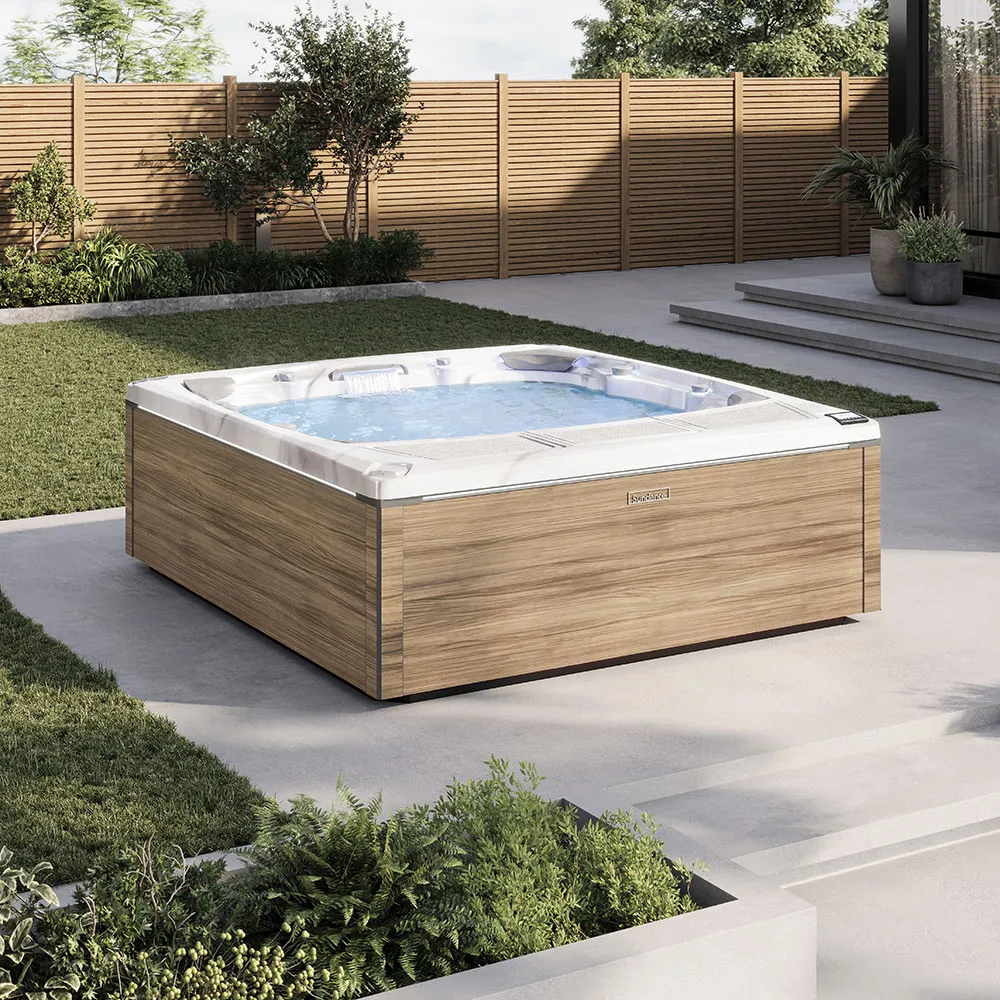
Make a bold statement with a superbly crafted spa, rich with features that are ideal for entertaining or simply relaxing.

Our best-selling spas offer an ideal balance of advanced features, premium comfort, and transformative hydrotherapy.

All the right features for all your best moments, at a value that makes it all possible. Now it's time to make it all happen.
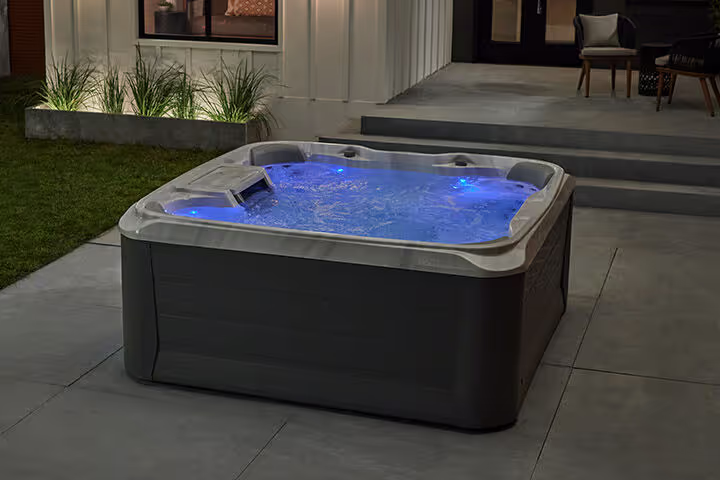
It's easy to love the 680 Series spa for all the fun and relaxing moments, but you'll also appreciate its superior durability and value.
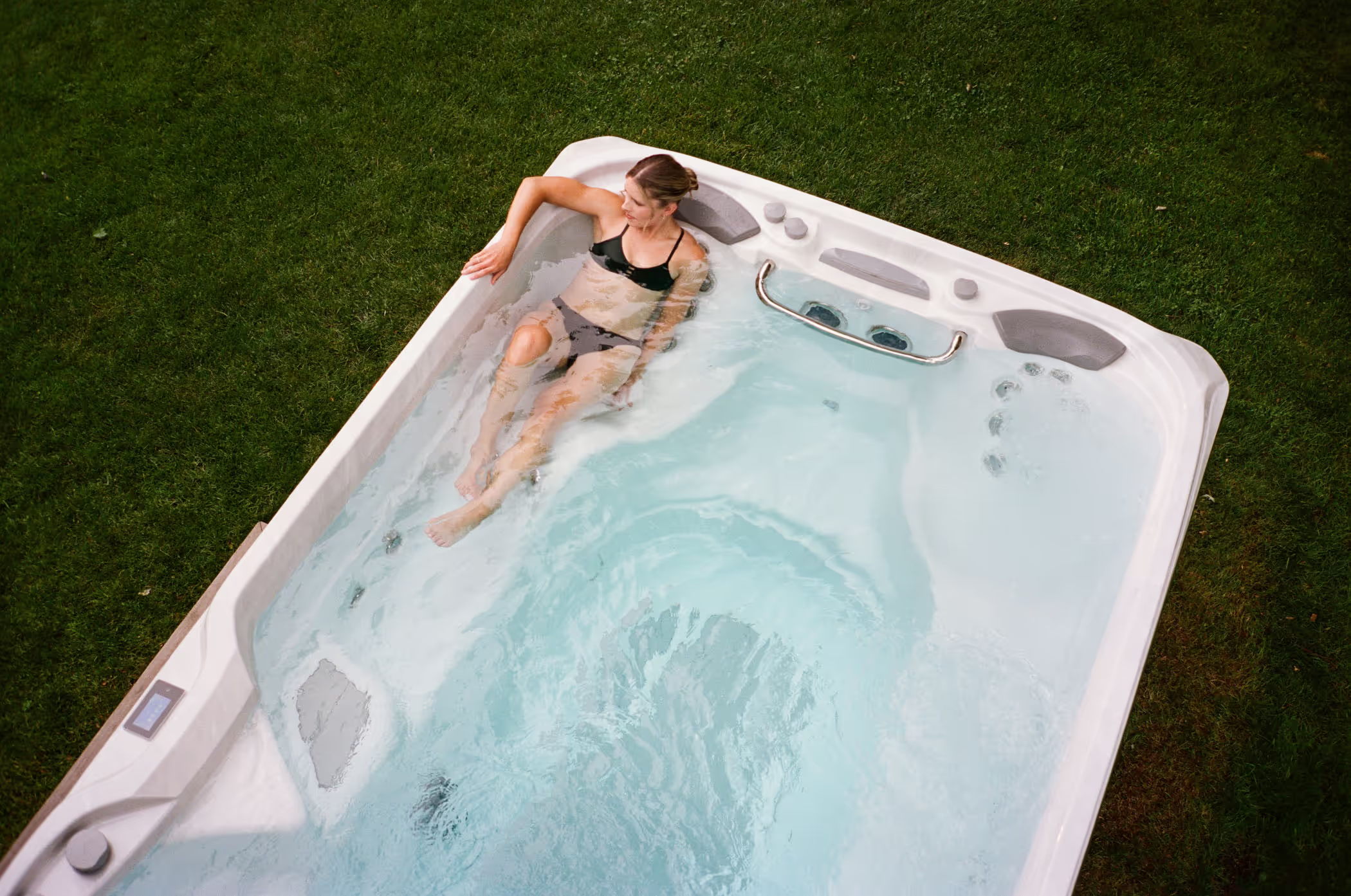
It's easy to love a swim spa for the daily movement and water time it brings, but you'll also appreciate how seamlessly it fits an active life at home.

Every Sundance® spa is built to maximize relaxation with features that make spa ownership a breeze so you can enjoy your new spa with confidence.
Find Your Spa
Explore Sundance models to find the perfect spa for you.

.avif)
When you’re planning to bring a swim spa into your backyard, one of the first questions that shapes every decision—from foundation design to delivery logistics—is weight. Understanding how much your swim spa will weigh, both empty and filled, is the foundation of a successful installation that will serve your family for years to come.
This comprehensive guide walks you through everything you need to know about swim spa weight, with real-world examples from Sundance® Spas to help you plan with confidence. Before you decide on the right swim spa model and installation location, it's important to measure your available space and consider your needs to ensure the best fit for your home and lifestyle.
Weight matters because it determines everything about your installation—from the foundation your contractor pours to the crane your delivery team might need. For 2025–2026 backyard projects, getting this right from the start saves time, cost, and potential structural headaches.
Here’s the straightforward answer: most 12–20 ft modern acrylic swim spas weigh about 2,000–4,000 lbs empty and 15,000–30,000+ lbs when filled with water and 4–6 people.
That weight comes from three components working together:
Example calculation: A 2,000-gallon swim spa adds ~16,680 lbs of water weight alone—before you account for the shell or swimmers.
You’ll see real-world example weights from Sundance® swim spas in the sections below. Always verify the exact specs for the specific model you’re considering, as dimensions and features vary.
Definitions: Swim Spa Weight Terms
The weight of the swim spa when empty, without any water. Dry weights can range from 500 to over 3,600 pounds depending on the model.
The weight added by the water inside the spa. Water weighs approximately 8.34 pounds per gallon, which significantly contributes to a swim spa's filled weight.
The total weight of the swim spa when filled with water (and sometimes bathers). A typical swim spa can exceed 25,000 pounds when filled, with filled weights often between 8 and 16 tons (approximately 15,000 to 25,000 pounds).
When planning for a swim spa in your backyard or home, understanding the factors that influence its weight is essential for a safe and enjoyable installation. The total weight of a swim spa isn’t just about the water it holds—several key elements come into play, each affecting how the spa fits into your space and lifestyle.
Size and Dimensions: The most significant factor is the size of the swim spa. Compact models are designed for small spaces and can be a great choice if you’re working with limited room or want a future hot tub that won’t overwhelm your deck. Medium hot tubs and swim spas offer a perfect fit for many families, providing enough space for both relaxation and fitness without requiring a massive footprint. Always check the hot tub dimensions and spa dimensions to ensure the model you choose will accommodate your needs and the available space.
Materials and Construction: The materials used by spa manufacturers—such as reinforced acrylic shells, steel frames, and insulation—add to the overall weight. Higher-quality construction often means a heavier, more durable spa, which is important for long-term use and a premium spa experience.
Features and Accessories: Modern swim spas come with a range of features that can impact weight. Dual temperature swim spa models, for example, include separate zones for swimming and soaking, each with its own temperature controls and jets, which increases both the size and filled weight. The type and number of jets, including airless jets for a smoother swim, also contribute to the total load. Don’t forget to factor in accessories like a cover lifter, steps, or additional water care systems, as these can affect installation requirements and the space needed around your spa.
Depth and Water Capacity: Increased depth allows for a more immersive swim and relaxation experience, but it also means more water—and more weight. When shopping for a swim spa, consider how the length, width, and depth will fit into your backyard or indoor location, and whether your deck or foundation can support the filled weight.
Installation and Access: The location of your swim spa—whether it’s installed outdoors on a concrete pad, indoors, or on a deck—will determine the structural support needed. Planning for enough space around the spa for maintenance, accessories, and easy access is just as important as choosing the right model.
Consulting a Local Dealer: With so many factors to consider, working with a local dealer is the best way to ensure you select the best spa for your needs. Dealers can help you determine the right fit based on your lifestyle, family size, and available space, and provide installation information tailored to your specific model and location.
By carefully considering these factors, you’ll be able to choose a swim spa that delivers the benefits of relaxation, fitness, and fun for your family year long. Whether you’re looking for a compact hot tub for small spaces or a feature-rich dual temperature swim spa, there’s a model out there to accommodate your needs and transform your backyard into the ultimate wellness retreat. Plan ahead, review your options, and enjoy the exciting journey to finding the perfect spa for your home.
The length of your swim spa directly correlates to its weight. Longer models hold more water, require more robust framing, and naturally weigh more when filled. Here’s how swim spa sizes typically break down:
Compact fitness models (12–13 ft) tend to weigh roughly 1,800–2,700 lbs empty and 12,000–18,000 lbs filled. These work well in small spaces and require less extensive foundation preparation.
Mid-size swim spas (14–16 ft) more commonly weigh about 2,500–3,500 lbs empty and 18,000–24,000 lbs filled with water and people. This range represents the most popular swim spa sizes, offering a balance between swim space and backyard fit.
Larger dual temperature swim spa models (17–19+ ft) with separate hot tub areas can reach 3,500–4,500+ lbs empty and well over 25,000–30,000 lbs filled. The increased depth and added spa zone contribute to this substantial weight.
Size Category
Length Range
Water Capacity
Dry Weight
Filled Weight (with 2-4 adults)
Compact
12–13 ft
1,000–1,400 gal
1,800–2,700 lbs
12,000–18,000 lbs
Mid-Size
14–16 ft
1,400–1,800 gal
2,500–3,500 lbs
18,000–24,000 lbs
Large/Dual-Zone
17–19+ ft
1,800–2,500+ gal
3,500–4,500+ lbs
25,000–30,000+ lbs
While exact numbers vary by model year and configuration, these examples show realistic weights from Sundance® swim spas as of 2025–2026. Understanding these specifications helps you determine the right fit for your space and structural requirements.
The Sundance® AQ14 represents the popular 14-foot category—the most common swim spa length for residential installations. Its dimensions of 172” x 89” x 54” deliver enough room for serious lap swimming while fitting comfortably in most backyards.
This model features a 16-gauge welded steel frame, ABS insulated base, and Lucite cast acrylic shell—engineering that achieves structural integrity at a manageable dry weight for residential delivery.
The Sundance® AQX14 shares the same dimensions as the AQ14 but adds enhanced features including upgraded hydrotherapy jets and digital smart controls. The weight profile remains similar:
With 39 custom stainless steel hydrotherapy jets and dual ozone generators, this model accommodates 5 plus one swimmer—perfect for family wellness and fitness routines.
For homeowners wanting both a dedicated swim area and a separate hot tub zone, larger models in the 19–20 foot range provide that dual experience. These configurations typically feature:
The separate spa zone adds weight through additional jets, seating, and the structural elements that maintain distinct temperature zones.
Exact specifications for all Sundance® swim spa models are available on the official product pages and downloadable brochures. Compare models there before finalizing pad and delivery plans.
Spa manufacturers list three main weight-related statistics on their spec sheets. Understanding each helps you communicate clearly with contractors and delivery teams.
Dry Weight refers to the weight of the spa shell and equipment with no water. This number matters for delivery logistics, crane lift capacity, and initial deck or dolly requirements.
Water Capacity indicates the number of gallons or liters the spa holds when filled. Multiply gallons by 8.34 to calculate water weight in pounds. This affects your foundation design more than anything else.
Filled Weight combines the spa shell weight plus water (and sometimes includes a nominal number of bathers). This is the critical number for structural engineers and contractors designing pads or decks.
Shipping Weight can exceed dry weight because it includes packaging, crating, and protective materials. This matters when planning for freight elevators, forklifts, or crane lifts during delivery.
A filled swim spa can weigh as much as a small RV or pickup truck—sometimes more—concentrated on a footprint of roughly 100–150 square feet. That’s an enormous amount of weight pressing down on a relatively compact area, which is why proper planning is essential.
Foundation design is the primary reason weight matters. Concrete pads must be thick and reinforced enough to support the filled weight safely for 10–20+ years without cracking, settling, or shifting. The reference data shows that improperly based installations can shift 1–2 inches annually.
Deck considerations require even more attention. Elevated wood or steel decks must be engineered for concentrated loads often exceeding 200–300 lbs per square foot under the spa area—far beyond typical residential deck specifications.
Installation access becomes clearer when you know dry and shipping weights. These numbers help determine if a crane, boom truck, or other heavy equipment is needed to lift the swim spa over fences, houses, or onto elevated terraces.
Permitting requirements in many municipalities across the U.S., Canada, and Europe require filled weight data and structural drawings before approving backyard projects. Having accurate specs streamlines this process.
Foundational Requirements & Installation Cautions
Most Sundance® Spas customers install their swim spas on a reinforced concrete pad for long-term stability and peace of mind. Here’s what that typically involves:
Minimum specifications call for a 4” thick, properly reinforced concrete pad on compacted, level ground. However, local codes and soil conditions may require thicker or engineered slabs—always verify with your contractor and local building department.
Pad dimensions should extend beyond the spa footprint by at least 6–12” on all sides. This additional space accommodates steps, cover lifter accessories, and service access for maintenance.
Rooftop or elevated installations require a licensed structural engineer to calculate beam sizes, joist spacing, and allowable live loads using the swim spa’s filled weight from the Sundance® spec sheet. Don’t guess on these projects.
Pre-pour planning should include electrical conduit routes and drainage slopes. Once concrete cures, modifications become difficult and expensive. Coordinate these details with your contractor before the pour.
Even before choosing a precise model, you can approximate total weight using length and estimated water capacity. This helps with early conversations with contractors and structural engineers.
Step-by-step calculation method:
Worked example using a Sundance® swim spa
Component
Weight
Dry weight
2,300 lbs
Water (1,500 gal × 8.34)
12,510 lbs
4 adults (4 × 185 lbs average)
740 lbs
Total estimated filled weight
15,550 lbs
Round up your estimate to provide a safety margin when designing a slab or deck and when planning for crane capacity. Building to the upper end of specifications protects your investment.
Confirm your final numbers using the official Sundance® product specification sheet or by speaking with a local dealer before construction begins.
The perfect fit brings together hot tub dimensions, weight requirements, and how you’ll actually use your swim spa. Whether you’re focused on lap swimming for fitness, family fun, or hydrotherapy recovery, the right model balances your lifestyle with your site’s structural capacity. Measuring your space and considering your needs will help you decide on the best swim spa model for your home.
Measure first. Before comparing models, measure your available space including access paths and overhead clearances. Then compare those measurements with the footprint and empty weight of several Sundance® swim spa models to find realistic options.
Consider your structure. For small yards or patio installations, a compact single-zone model with a lower filled weight may be easier and less expensive to support than a very long dual-zone spa. The cost difference in foundation work can be significant.
Ground level versus elevated. Whether you’re planning for a ground-level pad, raised deck, or rooftop terrace dramatically changes how much weight the structure can safely carry. Medium hot tubs and small hot tubs may work on existing decks, but swim spas almost always need purpose-built support.
Think about the future. Your future hot tub or swim spa should accommodate not just current needs but how your family might use the space in coming years. Adults, friends, and even taller family members should have enough space to stretch, soak, and enjoy the spa experience year long. For taller users, choosing a model that is deep enough for full-body immersion and provides head support, such as spa pillows, can greatly enhance comfort and relaxation.
A swim spa can help you relax, unwind, and enjoy hydrotherapy after exercise, making it a valuable addition to your wellness routine.
Contact an authorized Sundance® dealer to review site photos, discuss model options and weights, and coordinate with local contractors for pad, electrical, and crane planning.
Coordination between the swim spa dealer, electrician, and concrete or deck contractor is crucial for a smooth project. When everyone works from the same specifications, the installation goes more smoothly and the results last longer.
Dealer documentation. A Sundance® dealer can provide detailed spec sheets with dimensions, dry weight, and electrical requirements. This installation information is exactly what contractors need to design the foundation and power supply correctly.
Share specs early. Give your contractor the filled weight and footprint data before they begin planning. This allows them to confirm slab thickness, rebar patterns, or deck beam sizing before ordering materials—avoiding costly mid-project changes.
Delivery logistics. For tight backyards, urban lots, or locations without straight-line access, the dealer may advise scheduling a crane or specialized delivery crew. They’ll use the spa’s dry or shipping weight to determine equipment size and lift requirements.
Build a project timeline that includes:
A swim spa is a long-term wellness investment that brings year-round exercise, hydrotherapy, and relaxation right to your door. Whether you’re looking to swim laps indoors or outdoors, soak away stress after a long day, or create an enjoyable gathering space for family and friends, understanding weight is the foundation of success.
Taking time to understand empty and filled weights ahead of time helps you avoid costly changes, delays, or structural problems later. It’s the kind of planning that makes the difference between an exciting installation day and an expensive headache.
Visit the official Sundance® Spas website to compare current swim spa models, download spec sheets with precise weights, and explore features like hydrotherapy jets, airless jets, and adjustable current systems. The range of options means there’s a size hot tub or swim spa for nearly every lifestyle and location.
Schedule a consultation with a local Sundance® dealer. Bring your basic site measurements and photos to get tailored recommendations and a detailed quote. Dealers can help you walk through the factors that affect your specific installation—from access paths to electrical service requirements.
When you’re ready to invest in your wellness, Sundance® swim spas offer the combination of performance, comfort, and responsible installation guidance that makes the shopping process enjoyable and the result life-changing.
Most existing residential decks built before planning for a swim spa are not designed for the 15,000–30,000+ lb loads of a filled unit. Standard deck construction typically supports 40–60 lbs per square foot, while a swim spa may require 200–300+ lbs per square foot capacity.
A structural engineer should always review the deck using the specific filled weight from the Sundance® spec sheet before installation is approved. In many cases, the safest solution is either a new engineered deck or a ground-level concrete pad adjacent to the home. The basic rule: if the deck wasn’t designed for a swim spa, assume it needs professional evaluation.
It depends entirely on access to your installation location. If the yard can’t be reached with a standard delivery trailer and dolly—due to narrow gates, stairs, or obstacles—a crane or boom truck is often required.
The dealer will use the spa’s dry or shipping weight, plus reach distance and obstacles like houses or trees, to determine crane size and cost. Cranes add to the overall expense but protect your investment by ensuring safe placement.
Share photos or videos of the route from street to final location with your Sundance® dealer early in the planning process. This simple step helps everyone plan appropriately and avoid surprises on delivery day.
The pad or foundation must be very close to level—typically within 1/2 inch across the entire length and width—to distribute weight evenly and protect the shell.
Low spots create uneven stress points in the spa structure when the unit is filled. This twisting and flexing can cause shell damage over time and may void manufacturer warranties. The acrylic shell is engineered to handle enormous water pressure, but only when that pressure is distributed evenly.
Ask your contractor to check level in multiple directions after pouring the concrete, and again just before delivery. This double-check provides peace of mind that your foundation will support decades of use.
While some water displacement and splashing is normal during vigorous swimming, the design assumes a full water volume for all structural calculations. The effective load on the slab or deck remains close to the filled weight because any temporary loss from splashing is minor compared to total capacity.
Design your base and structure for the full listed water capacity plus a safety margin—not for a partially filled condition. Engineers and contractors work with maximum expected loads for good reason.
The primary resources are a licensed structural engineer or an experienced concrete/deck contractor familiar with heavy spa installations. These professionals can evaluate soil conditions, calculate required slab thickness, and specify appropriate reinforcement.
Sundance® dealers can supply all technical data needed by these professionals—dimensions, dry weight, water capacity, and footprint specifications. This documentation supports accurate engineering calculations.
Involve both the dealer and contractor early in your planning process. When foundation design, electrical planning, and delivery logistics are coordinated around the actual swim spa weight, the entire project flows smoothly from first measurement to first swim.
Seating:
Seats
.avif)
Seating:
Seats

Seating:
Seats

Start exploring the features Sundance® spas have to offer, and learn how to make spa time a focal point in your journey to share meaningful moments with the people you love.