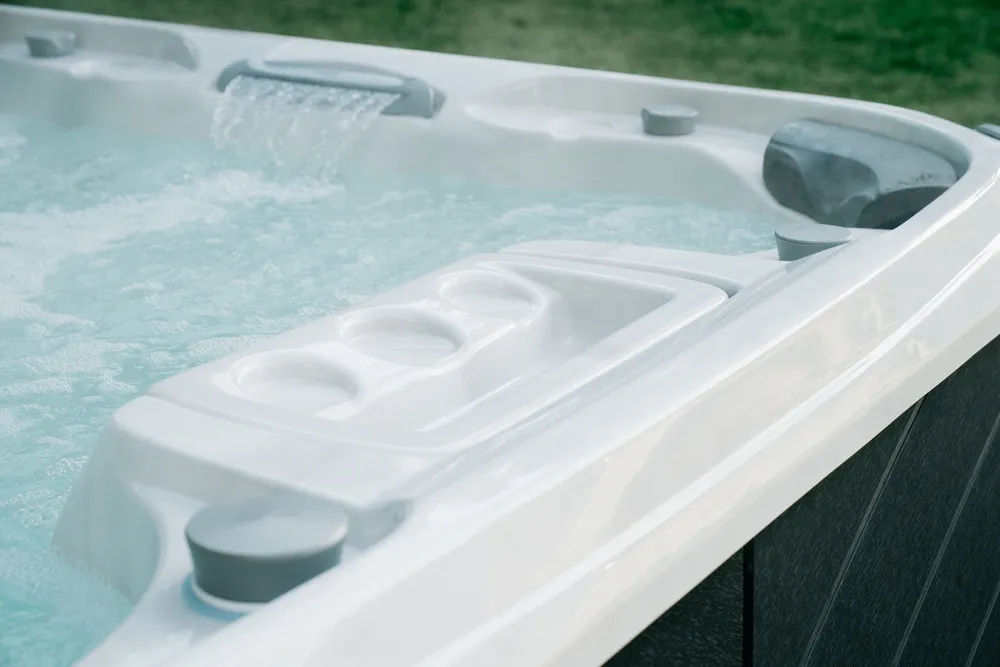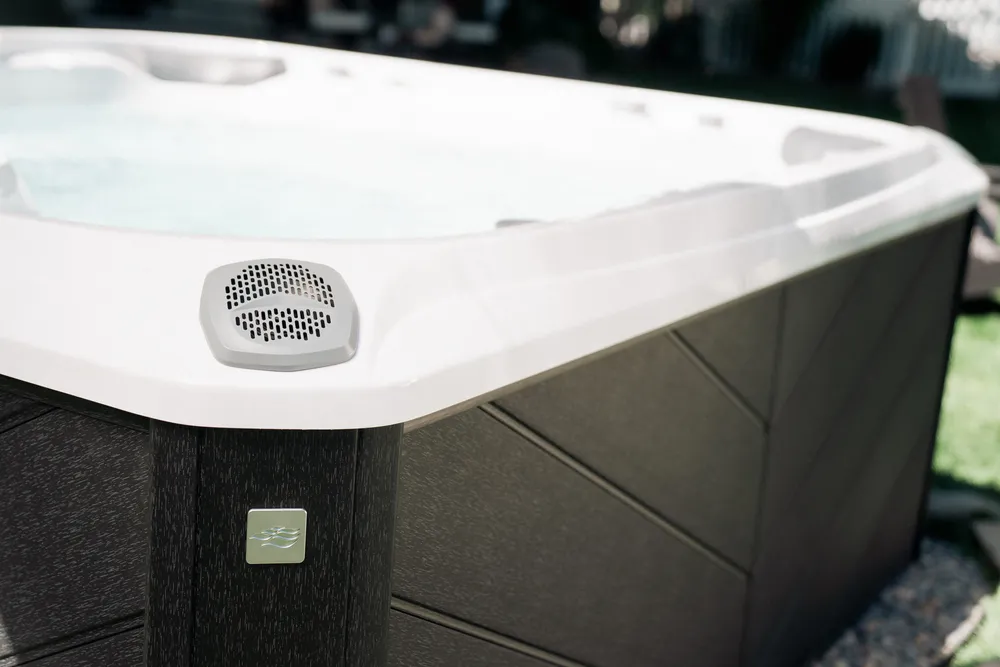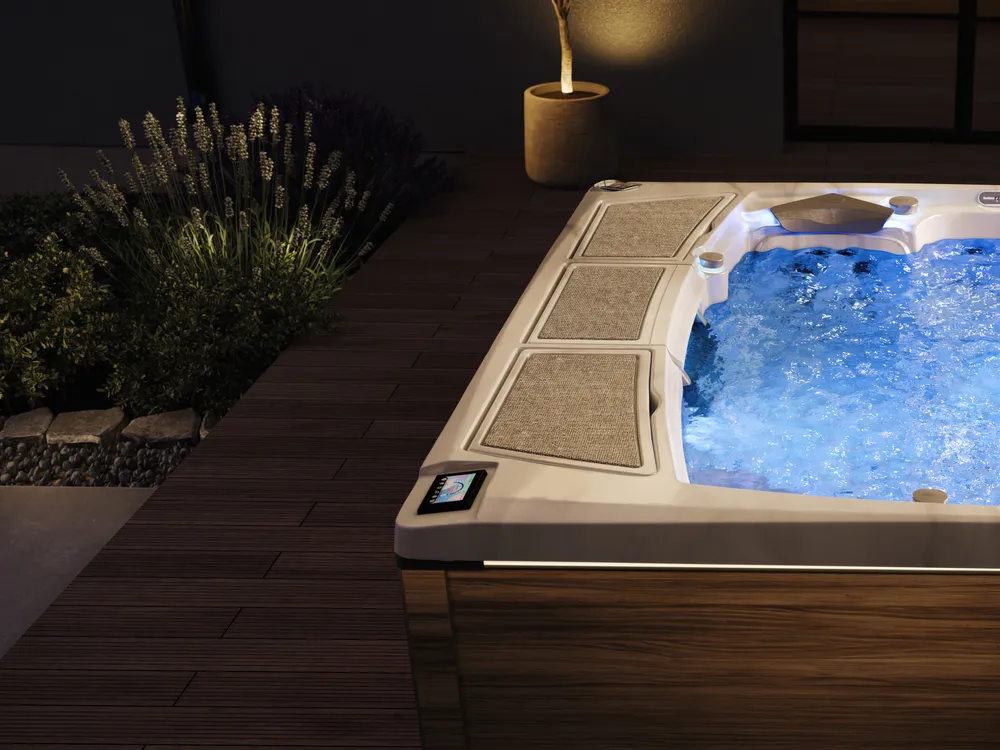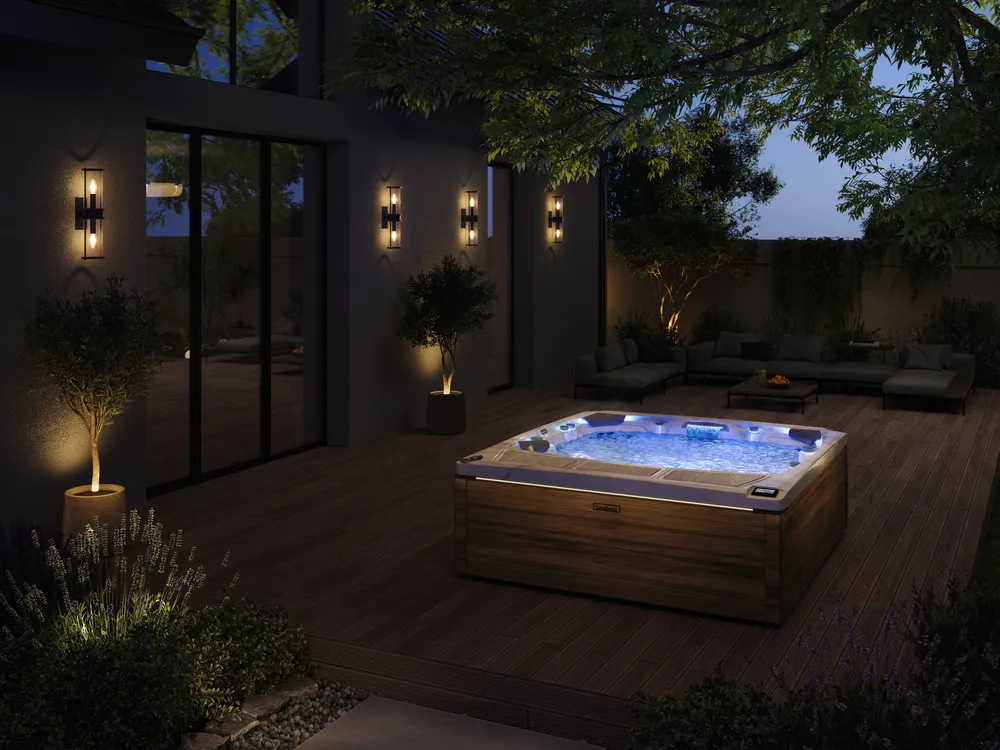

980er Serie
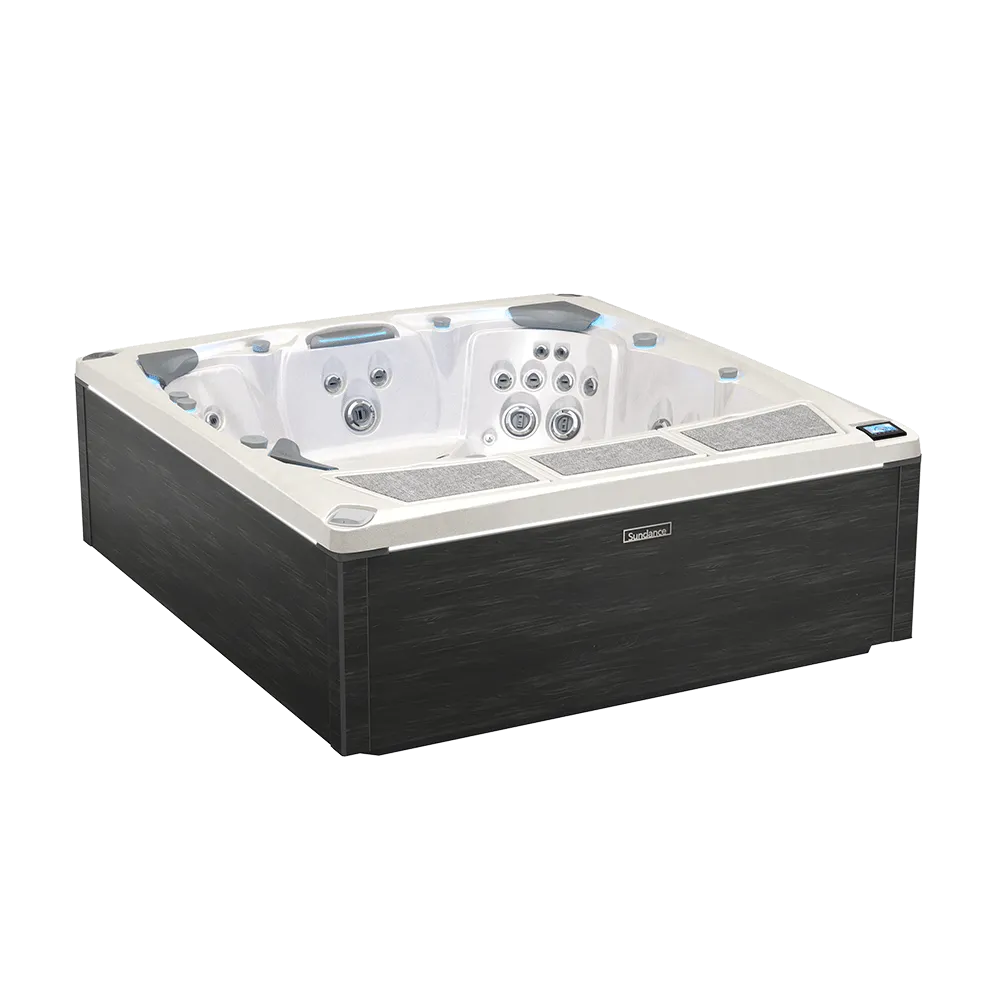
Kingston™ – 980™-Serie
Seating:
6-7
Offener SitzSeats
Niedriges Profil
Energieeffizient
Fluidix Jet
SmartTub System
SunCooler
$$$$$
MSRP$30299
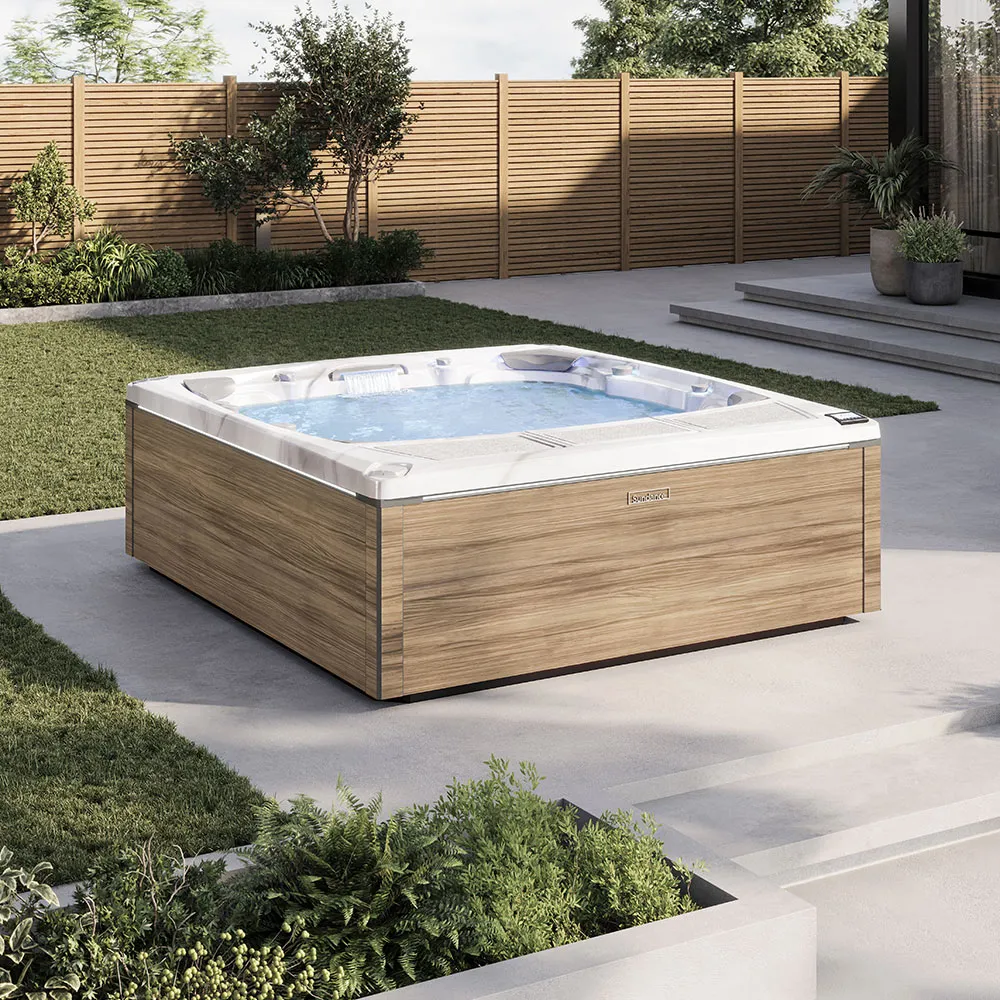
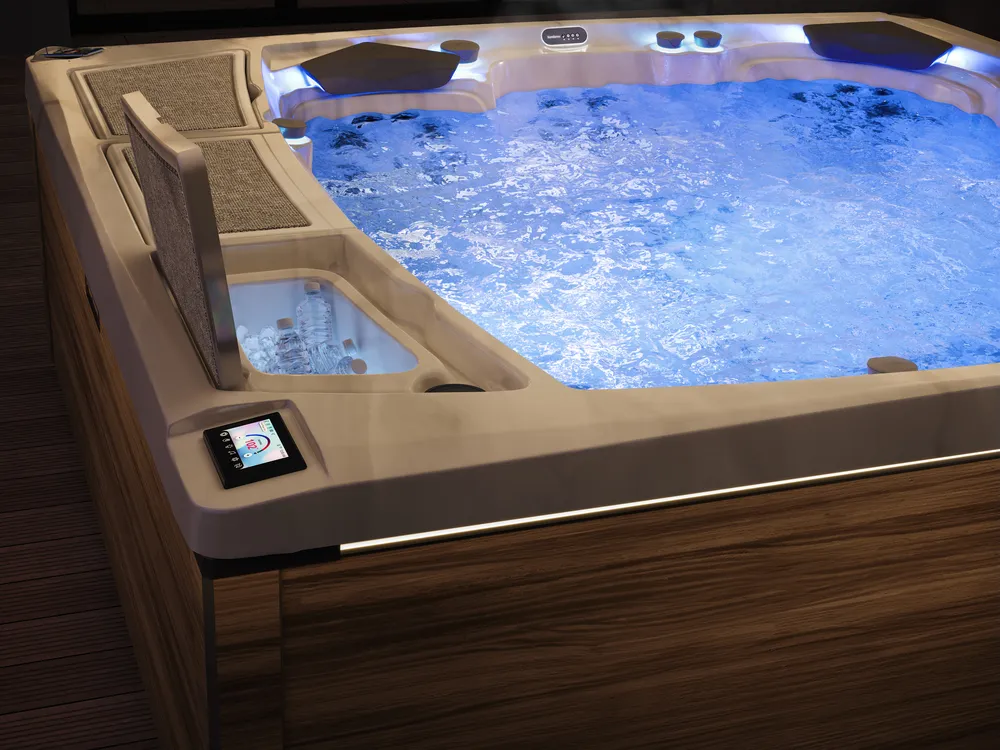
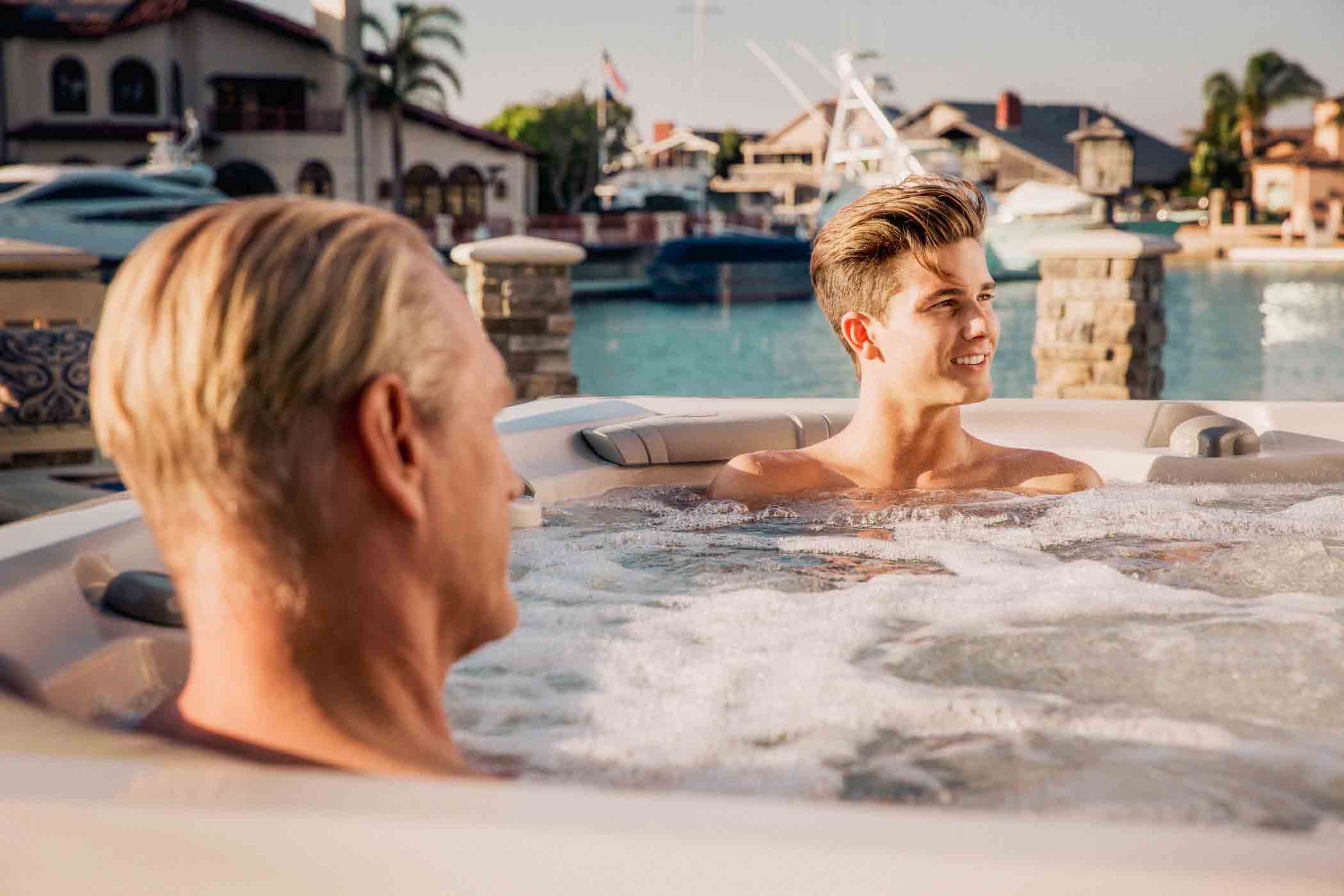
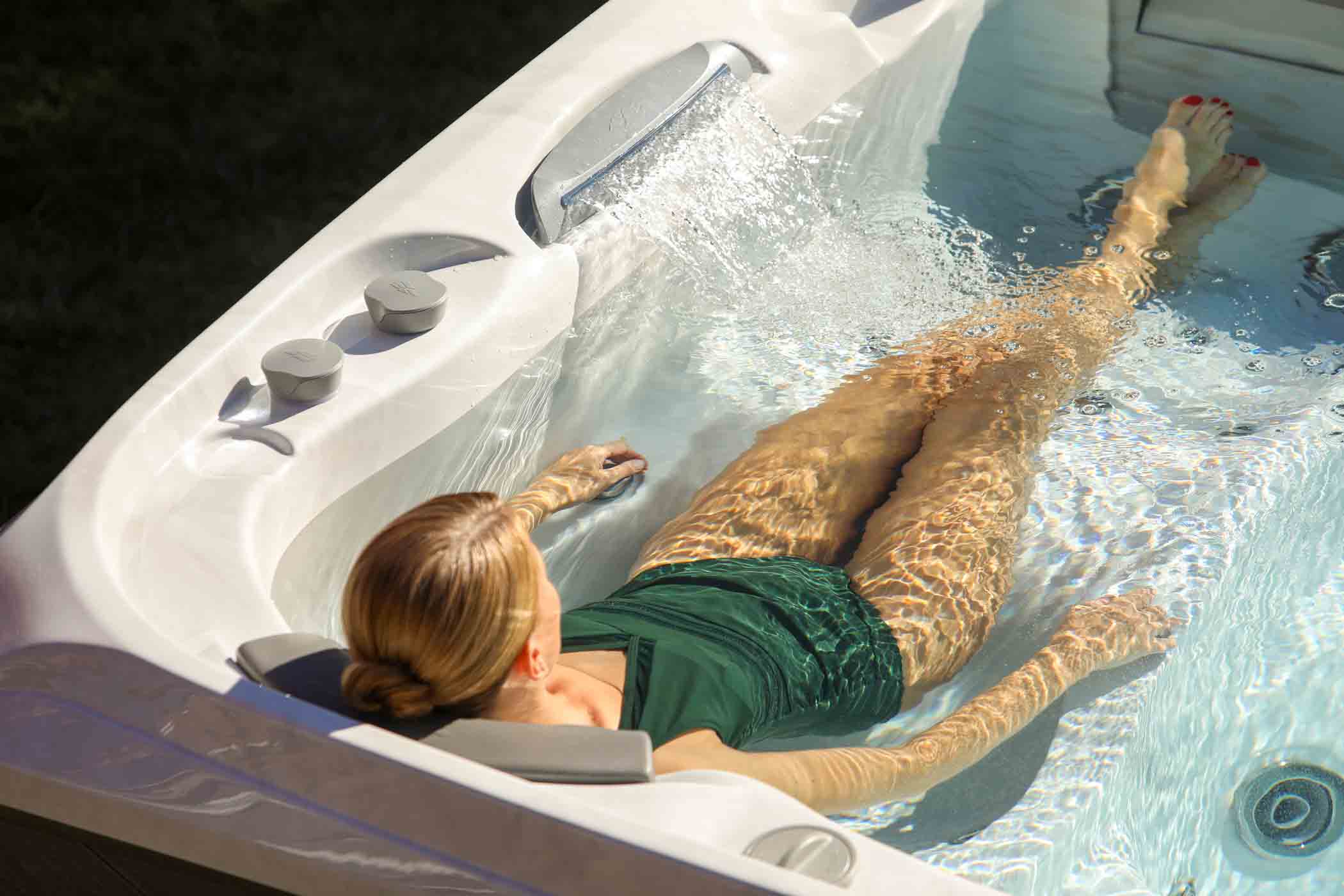
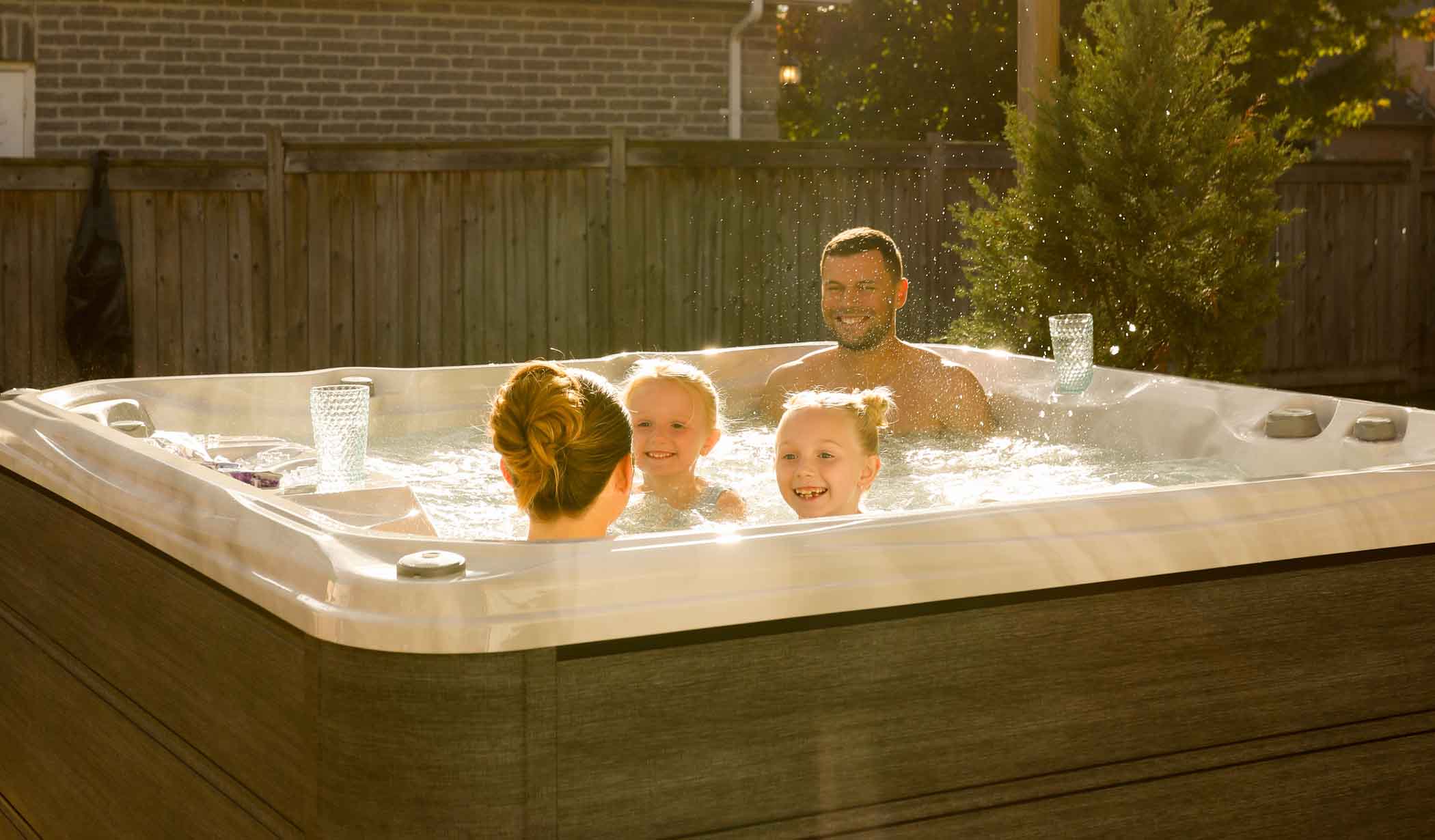
Setzen Sie ein mutiges Statement mit einem hervorragend gestalteten Whirlpool, das reich an Funktionen ist, die sich ideal für Unterhaltung oder einfach zum Entspannen eignen.

Unsere meistverkauften Whirlpools bieten eine ideale Balance aus fortschrittlichen Funktionen, erstklassigem Komfort und transformativer Hydrotherapie.

Die richtigen Funktionen für all Ihre besten Momente, zu einem Preis, der alles möglich macht. Jetzt ist es an der Zeit, alles zu verwirklichen.
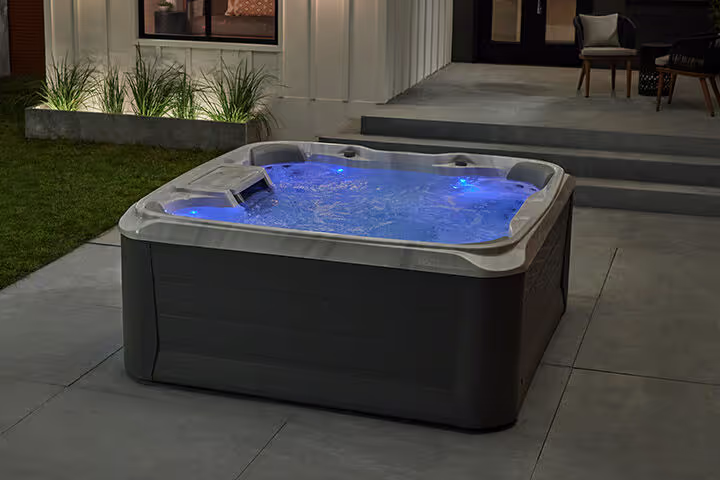
Es ist leicht, den Whirlpool der Serie 680 für all die unterhaltsamen und entspannenden Momente zu lieben, aber Sie werden auch seine hervorragende Haltbarkeit und sein gutes Preis-Leistungs-Verhältnis zu schätzen wissen.
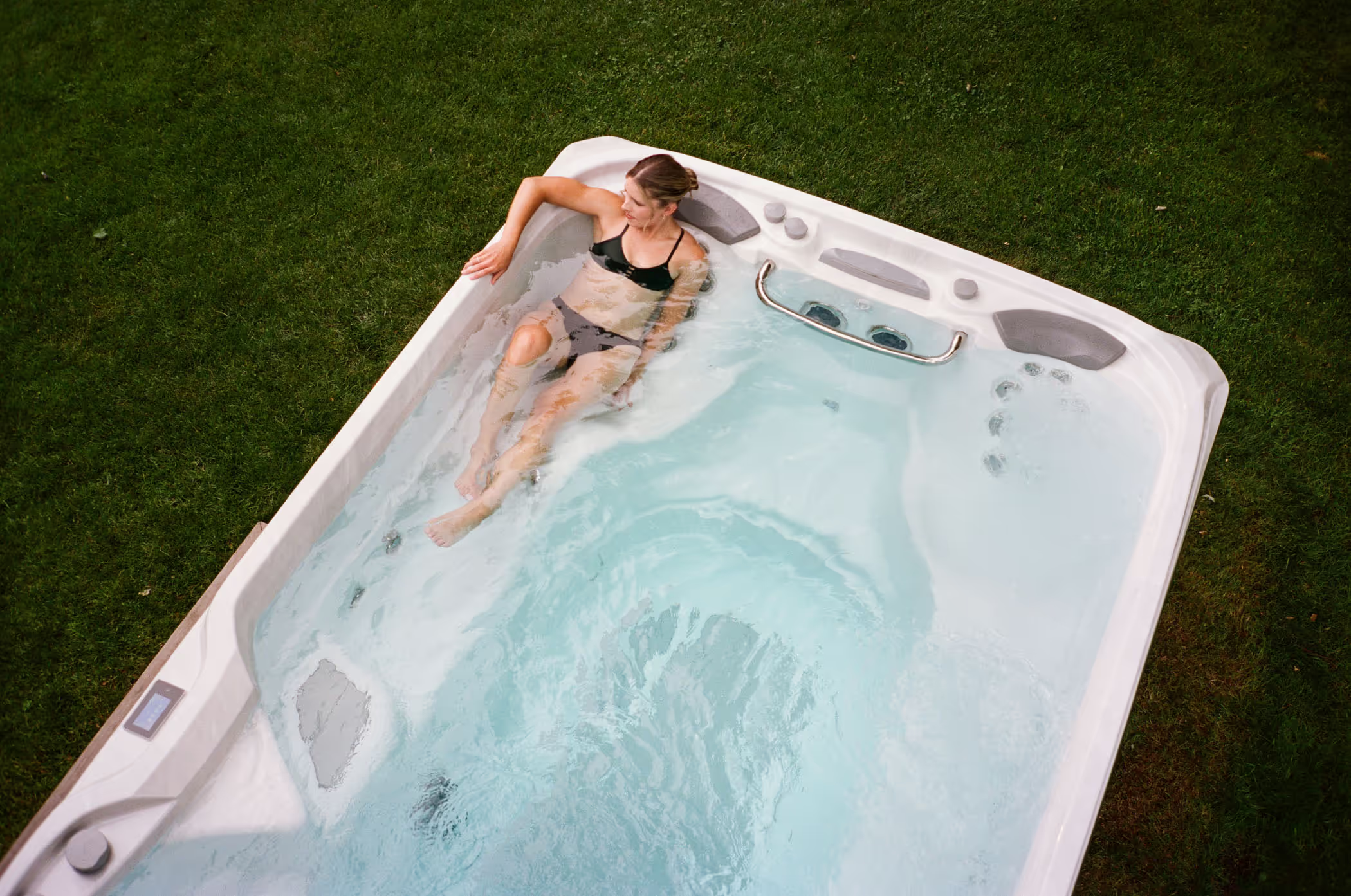
Es ist leicht, ein Swim Spa der täglichen Bewegung und der Wasserzeit zu lieben, die es mit sich bringt, aber Sie werden auch zu schätzen wissen, wie nahtlos es zu einem aktiven Leben zu Hause passt.

Jedes Sundance® Whirlpool ist auf maximale Entspannung ausgelegt und verfügt über Funktionen, die den Whirlpool-Besitz zum Kinderspiel machen, sodass Sie Ihr neues Whirlpool mit Zuversicht genießen können.
Finden Sie Ihren Whirlpool
Entdecken Sie die Sundance®-Modelle, um den perfekten Whirlpool für Sie zu finden.



Ashley Field ist Leiterin der Vertriebsschulungen bei der Jacuzzi® Group, wo sie die globale Schulungsstrategie und -entwicklung für mehrere Marken leitet. Seit ihrem Eintritt im Jahr 2016 konzentriert sie sich auf die Entwicklung von Programmen, die Teams zusammenführen, Geschäftsziele unterstützen und das Kundenerlebnis verbessern. Field hat einen Bachelor-Abschluss in Industriedesign von der Arizona State University und ist Mitglied der Association for Talent Development.
During winter, winter hot tub cost typically ranges from $30 to $100 a month. This guide will help you understand these costs and offer practical tips to keep them manageable, ensuring you can enjoy a warm soak without breaking the bank.
Winter can be a challenging time for hot tub owners, with energy costs often spiking as temperatures plummet. Monthly expenses to operate a hot tub can range from $30 to $100, depending on factors like the model’s efficiency, local energy rates, and how often you use it. Recognizing these costs allows you to manage them more effectively.
Several factors influence the cost of running a hot tub in winter, including energy costs, usage frequency, and outdoor temperature. Hot tubs generally consume between 3 kWh to 7.5 kWh daily, which can significantly impact your electricity bill. Seasonal changes, especially during winter, lead to increased energy consumption as the hot tub works harder to maintain its temperature.
One effective way to manage these costs is by lowering the hot tub water temperature. Even a slight reduction can make a big difference, with each degree decrease potentially lowering energy bills by up to 15%. Fully insulated hot tubs and quality accessories can also help reduce energy costs by minimizing heat loss.
Grasping these factors and making informed operational decisions can yield significant savings. Now, let’s explore efficient heating methods for your hot tub to control costs.
Efficient heating is crucial for keeping your hot tub warm during winter. Regularly adjust heater settings based on usage to maintain optimal temperature without wasting energy. Keeping the heater at a consistent temperature, instead of constantly adjusting it, can conserve energy and maintain ideal conditions.
A thermal blanket can help retain heat and cut heating costs. Additionally, a quality spa cover prevents debris from entering and reduces heat loss, maintaining water warmth. Regularly removing snow from the spa cover is important to prevent it from acting as an insulator and causing water to freeze.
Keeping the water temperature at a minimum of 90°F prevents freezing in extreme conditions. These tips can help you maintain a warm, inviting hot tub all winter while managing energy costs.
Investing in proper insulation for your hot tub is one of the most effective ways to conserve energy and save money during the winter months. A fully insulated hot tub minimizes heat loss and reduces energy consumption, making it an essential investment for cold climates. Proper insulation maintains heat efficiency and prevents heat loss.
High-quality insulation materials significantly enhance hot tub energy efficiency. Advanced insulation systems are vital in freezing conditions, retaining heat from the pump and heater, thus lowering the energy needed to maintain water temperature. Adding extra insulation can further improve energy efficiency and reduce monthly utility costs by 5% to 30%.
Addressing insulation needs with quality materials can cut a hot tub’s energy use by 30-40%, crucial for winter efficiency. Insulation conserves energy and ensures a comfortable, relaxing hot tub experience.
Smart technology provides various ways to conserve energy and save money on hot tub operations. SmartTub® allows remote control and monitoring, energy tracking, and automated temperature management, optimizing energy use by scheduling and controlling temperature settings.
Reputable brands offer hot tub models engineered for cold environments. Timers for soaking sessions help manage duration and reduce heat waste. Reducing jet use can also maintain water temperature, as jets draw in cold air and cause heat loss.
Smart Heat Mode adjusts heating based on weather and usage patterns, optimizing energy consumption and reducing costs. Adopting smart technology can result in significant savings and a more energy-efficient hot tub experience.
Routine maintenance is key for maintaining an energy-efficient and cost-effective hot tub, especially in winter. Regular upkeep ensures:
Deep cleaning the hot tub filter regularly ensures optimal water circulation, reducing the pumps’ workload and lowering electricity usage. Using a spa cover minimizes debris accumulation, simplifying maintenance and chemical balancing. It’s also important to clean filters to maintain the system’s efficiency.
Prioritizing regular maintenance keeps your hot tub efficient, saves energy, and avoids unexpected expenses. Proper care is essential for a cost-effective, enjoyable hot tub experience throughout winter.
A quality spa cover is crucial for maintaining an energy-efficient hot tub during winter. It minimizes heat loss and prevents debris entry, maintaining stable water temperature and reducing heater stress.
Spa covers designed for cold climates:
These features make them essential for winter maintenance and play an average vital role in cold weather maintenance with the help of an additional layer sun machine.
Cover lifters facilitate easy cover movement, ensuring consistent and effective use. Investing in a quality spa cover ensures a warm and energy-efficient hot tub experience throughout winter.
Reducing energy use is crucial for managing winter hot tub operating costs. The SmartTub® app lets users schedule heating during off-peak times to take advantage of lower energy rates. Programming filtration cycles to run during off-peak hours also lowers electricity costs.
Activating economy mode limits heating to scheduled filtration times, reducing energy consumption. Turning off air controls when the hot tub is not in use prevents unnecessary water cooling, improving heating efficiency.
Securing the hot tub cover with locks can prevent heat escape and reduce evaporation. Implementing these tips can save energy and reduce costs while enjoying your hot tub during winter.
Power outages are a significant winter concern, but proper preparation can prevent freezing issues. Monitoring for outages, especially when away, prevents freeze damage to plumbing and equipment. A well-ventilated space heater can help prevent freezing during outages.
After a power outage, check that the hot tub is operational. Stock up on batteries for flashlights and prioritize battery-operated devices for light during fire outages.
If away for a winter vacation, homeowners should imagine asking a friend or neighbor to periodically check on your house room spa to ensure it remains in good condition and to pay attention to any issues you might expect during summer. If necessary, you can contact someone for assistance with sundance spas.
These precautions provide protection for your hot tub from power outage risks, ensuring it remains operational throughout winter.
Maintaining the right water temperature in a hot tub is important because:
A properly fitted cover:
Effective water temperature management ensures a comfortable and energy-efficient hot tub experience throughout winter, promoting warming.
Snow removal and cover care are vital for winter hot tub maintenance. Durable covers protect hot tubs from snow and ice, preventing contamination and potential component damage. Using a broom or snowblower, rather than a shovel, is recommended to avoid damaging spa covers.
Options for safely removing snow from hot tub covers include:
Proper care and regular snow removal ensure your hot tub remains protected and ready for use throughout winter.
In summary, managing winter hot tub costs and maintaining warmth requires a combination of efficient heating, proper insulation, smart technology, regular maintenance, and quality spa covers. By implementing these strategies, you can enjoy your hot tub throughout the winter without worrying about excessive energy costs.
Remember, a little preparation and attention to detail can make a big difference in your hot tub experience. So, take these tips to heart, and enjoy a warm, relaxing soak even in the coldest months. Stay warm and happy soaking!
Running a hot tub in the winter can be pricey due to higher energy costs, but it usually ranges from $50 to $100 a month depending on your usage and local electricity rates. Keeping it well-insulated can help you save on those bills!
You can effectively cut down on energy costs by lowering the water temperature by just one degree, which might save you up to 15%. Don't forget to use a good spa cover, improve insulation, and consider smart technology for better energy management!
To keep your hot tub safe in winter, it's best to maintain a minimum water temperature of 90°F to prevent freezing. This ensures a cozy soak while protecting your tub!
It's essential to perform maintenance on your hot tub regularly during winter. Make sure to deep clean the filter, check for leaks, and ensure good water circulation to keep it running smoothly.
If a power outage hits during winter, make sure to monitor your home’s temperature and keep a space heater running if possible, just ensure it's well-ventilated. It's also a good idea to check your hot tub regularly to keep it operational.
Seating:
Seats
Seating:
Seats
Seating:
Seats

Start exploring the features Sundance® spas have to offer and learn how to make spa time a focal point in your journey to share meaningful moments with the people you love.
Seating:
Seats
Seating:
Seats













.webp)