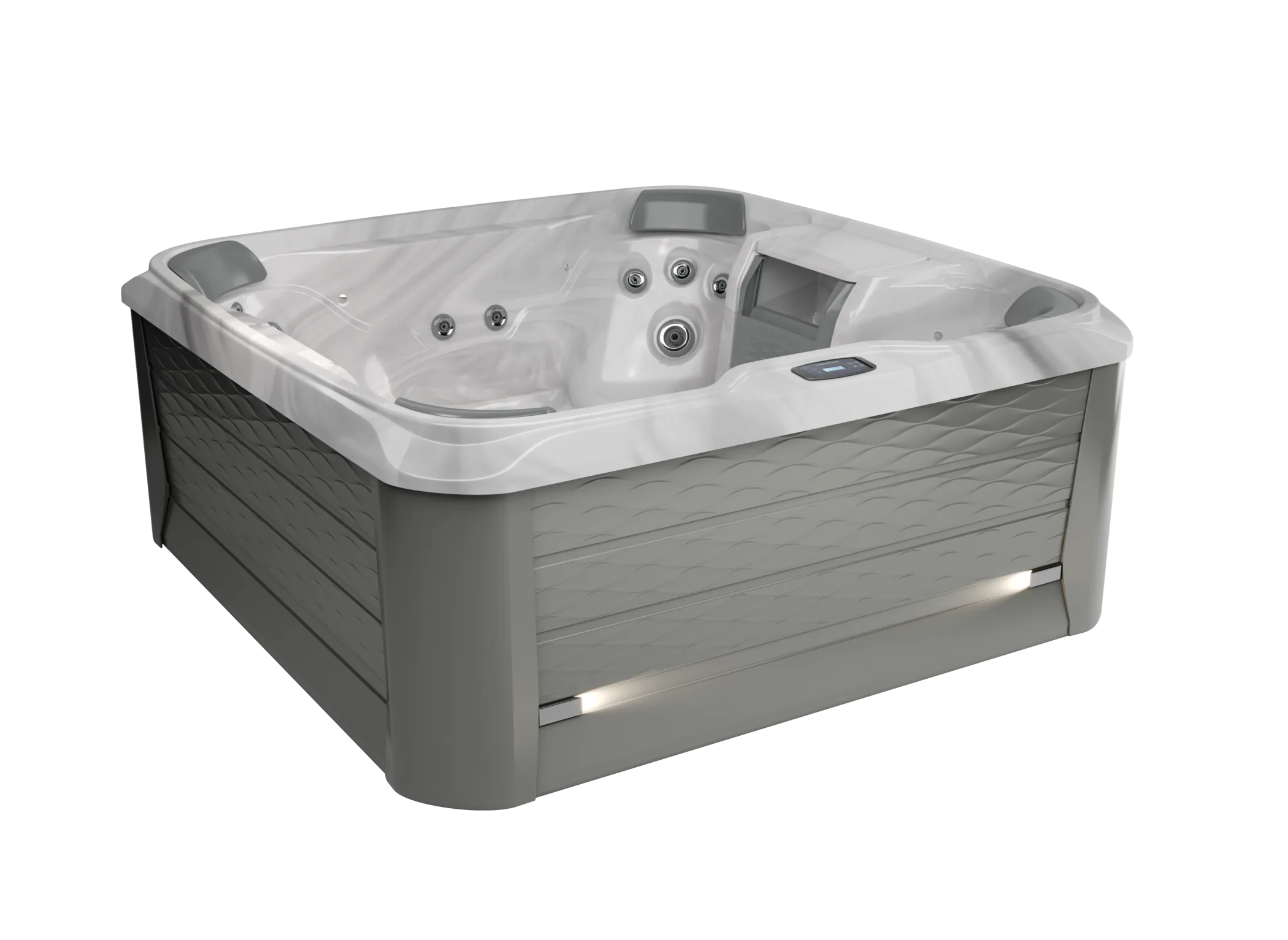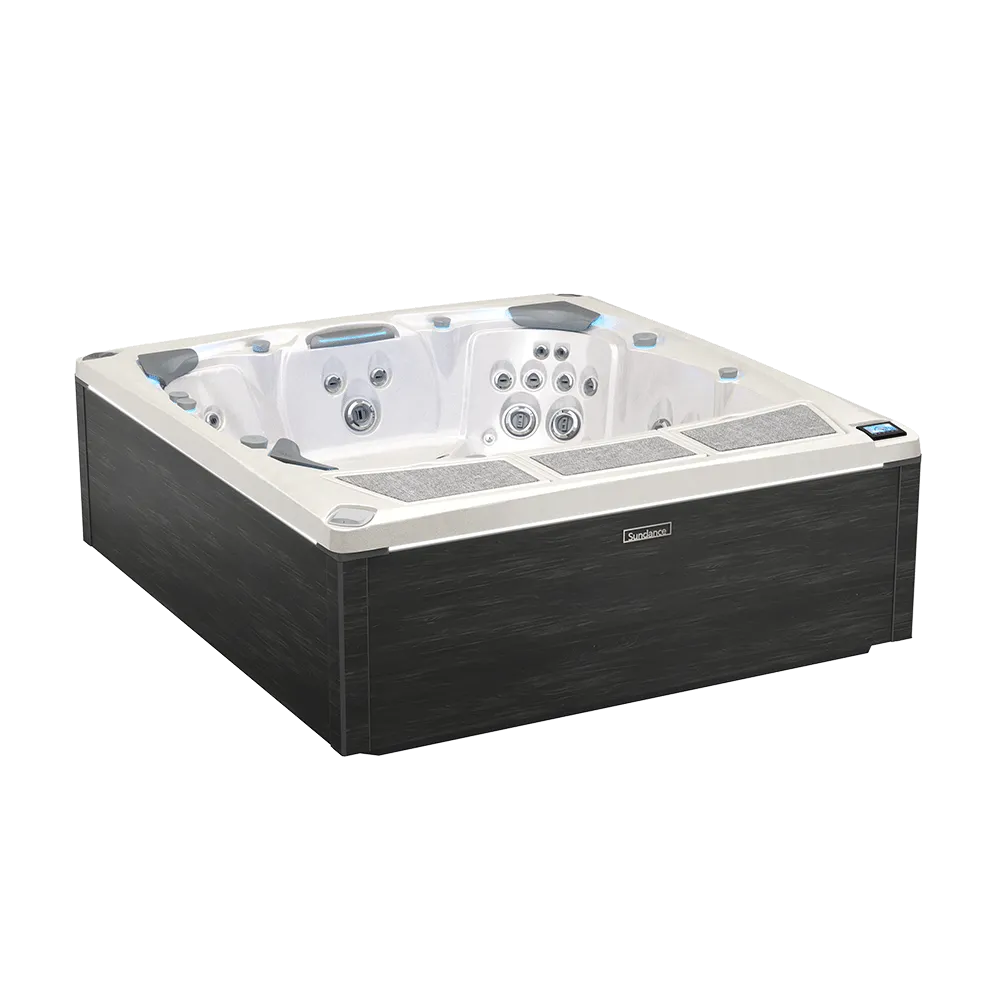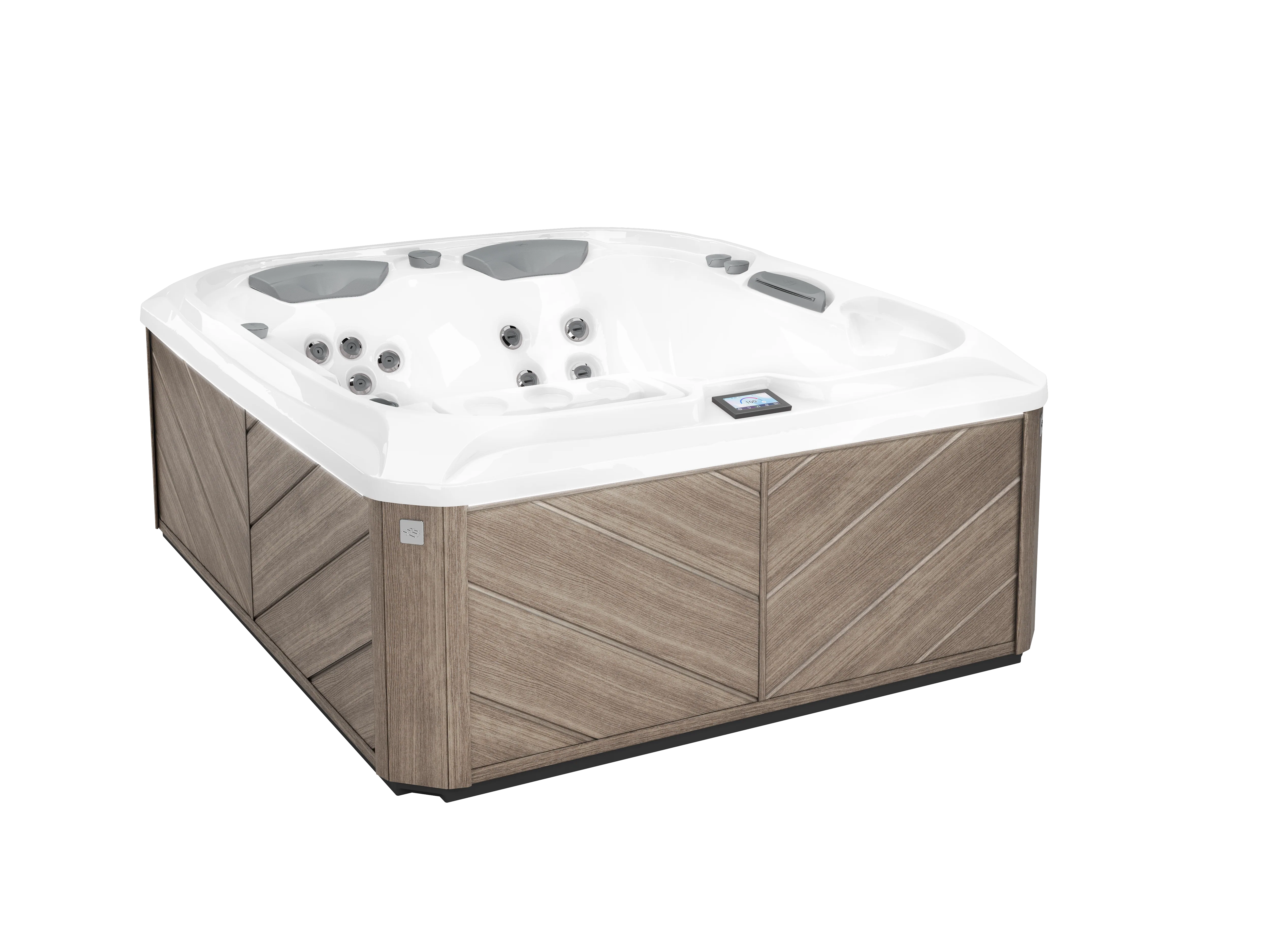

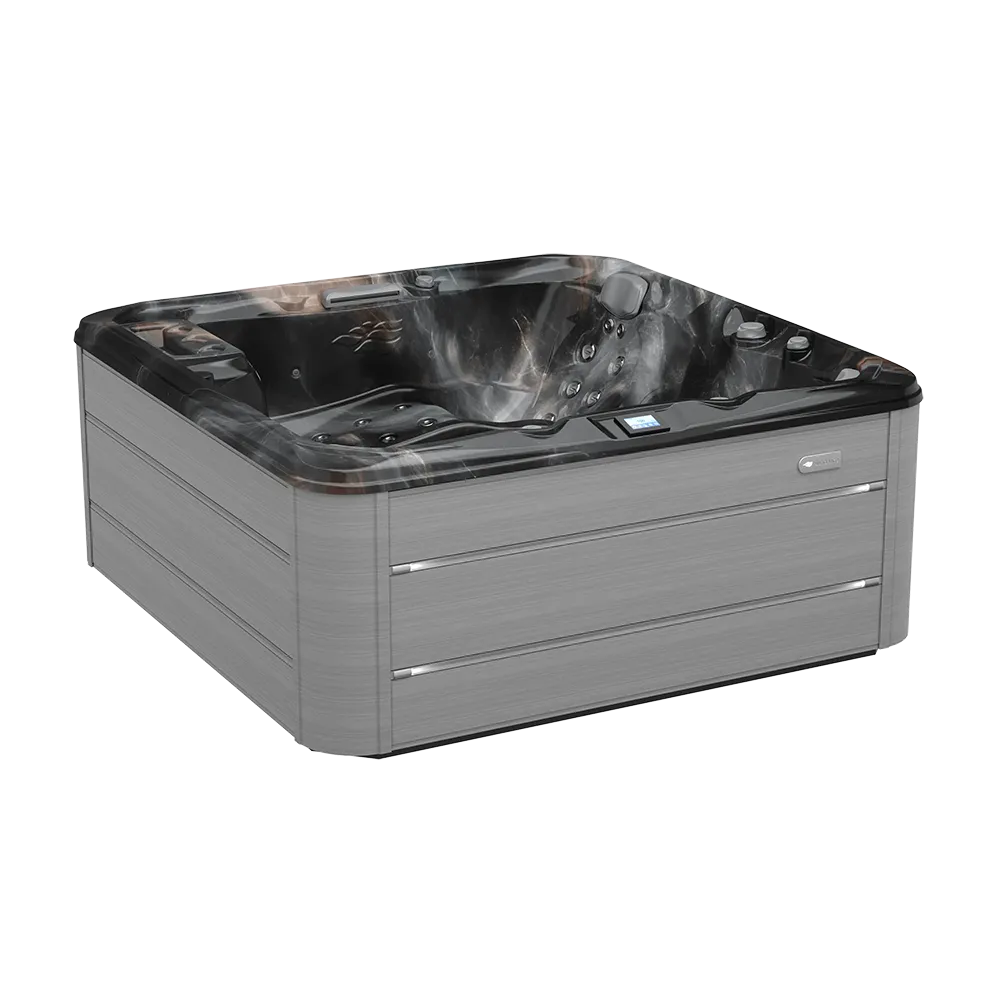
780™ Serie
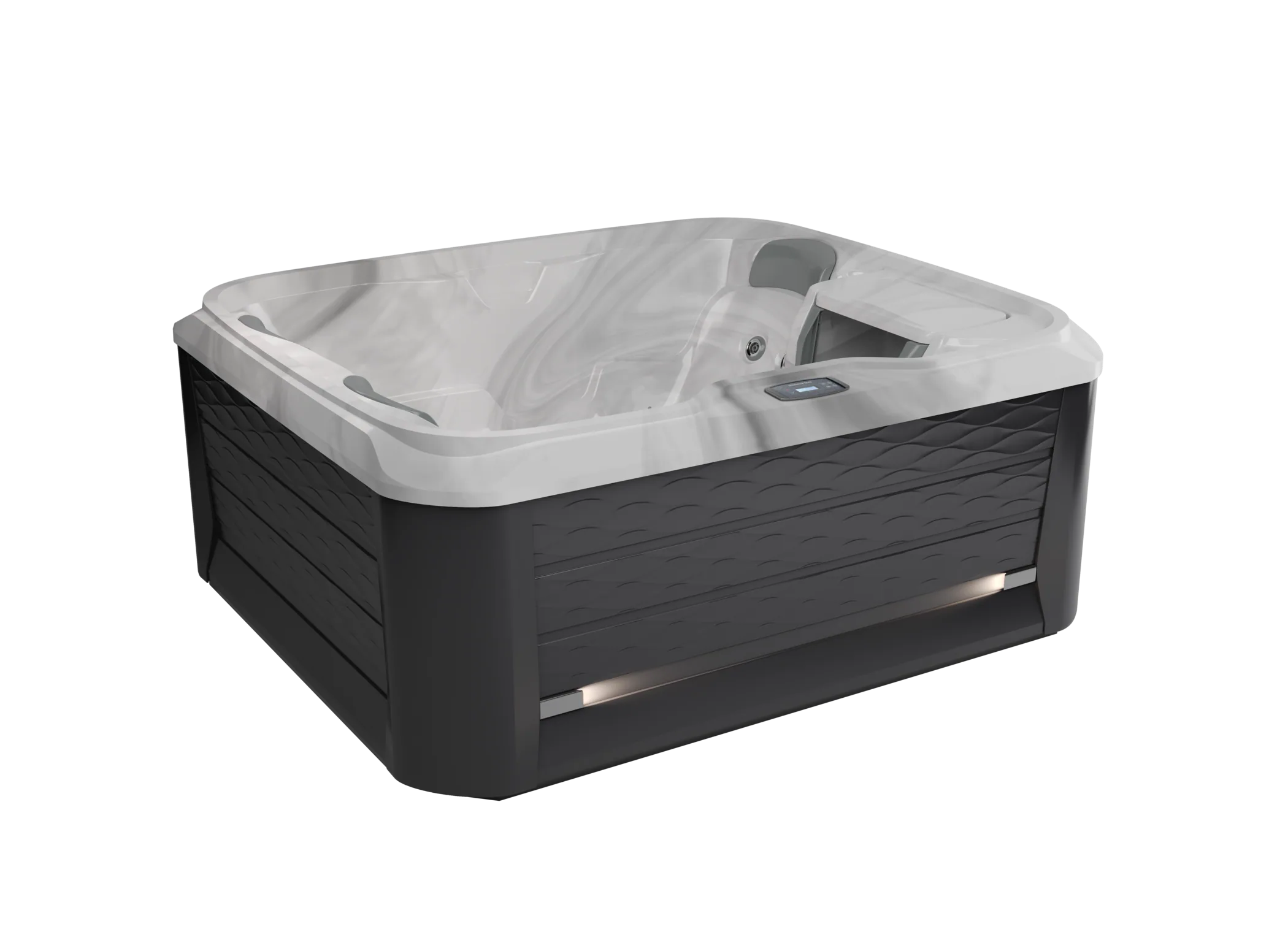
Hamilton™ – 780™ Serie
Seating:
5-6
LiegesitzSeats
Fluidix Jet
Energieeffizient
$$$$$
MSRP$17999

Setzen Sie ein mutiges Statement mit einem hervorragend gestalteten Whirlpool, das reich an Funktionen ist, die sich ideal für Unterhaltung oder einfach zum Entspannen eignen.

Unsere meistverkauften Whirlpools bieten eine ideale Balance aus fortschrittlichen Funktionen, erstklassigem Komfort und transformativer Hydrotherapie.

Die richtigen Funktionen für all Ihre besten Momente, zu einem Preis, der alles möglich macht. Jetzt ist es an der Zeit, alles zu verwirklichen.
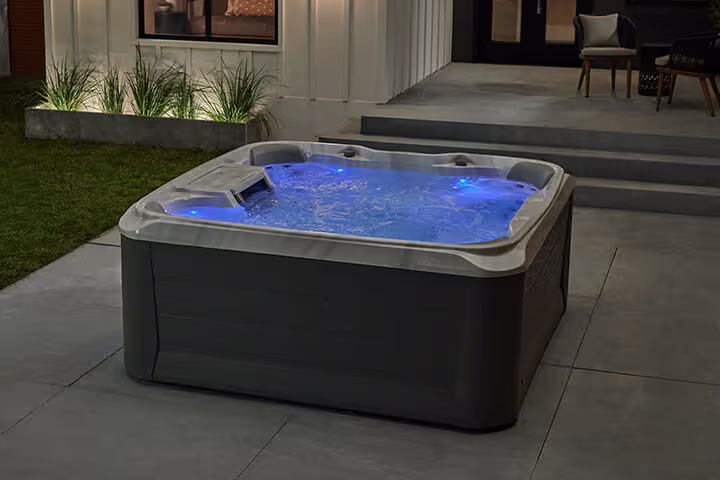
Es ist leicht, den Whirlpool der Serie 680 für all die unterhaltsamen und entspannenden Momente zu lieben, aber Sie werden auch seine hervorragende Haltbarkeit und sein gutes Preis-Leistungs-Verhältnis zu schätzen wissen.

Es ist leicht, ein Swim Spa der täglichen Bewegung und der Wasserzeit zu lieben, die es mit sich bringt, aber Sie werden auch zu schätzen wissen, wie nahtlos es zu einem aktiven Leben zu Hause passt.

Jedes Sundance® Whirlpool ist auf maximale Entspannung ausgelegt und verfügt über Funktionen, die den Whirlpool-Besitz zum Kinderspiel machen, sodass Sie Ihr neues Whirlpool mit Zuversicht genießen können.
Finden Sie Ihren Whirlpool
Entdecken Sie die Sundance®-Modelle, um den perfekten Whirlpool für Sie zu finden.



Ashley Field ist Leiterin der Vertriebsschulungen bei der Jacuzzi® Group, wo sie die globale Schulungsstrategie und -entwicklung für mehrere Marken leitet. Seit ihrem Eintritt im Jahr 2016 konzentriert sie sich auf die Entwicklung von Programmen, die Teams zusammenführen, Geschäftsziele unterstützen und das Kundenerlebnis verbessern. Field hat einen Bachelor-Abschluss in Industriedesign von der Arizona State University und ist Mitglied der Association for Talent Development.
Can hot tubs help with fibromyalgia pain? This article dives into the benefits of hot tubs for fibromyalgia sufferers and how this warm water therapy can relieve symptoms and improve quality of life.
Fibromyalgia is a complex and often misunderstood condition characterized by persistent pain throughout the body. This pain is typically accompanied by fatigue and disrupted sleep, making everyday tasks a challenge. The hallmark of fibromyalgia syndrome is chronic widespread pain, a constant dull ache that can last for at least three months. This pain often coexists with a lowered pain threshold, meaning that what might be a mild discomfort for others can be excruciating for fibromyalgia patients who feel pain. The fibromyalgia experience can be particularly challenging for those affected by rheumatic conditions.
But pain is just one piece of the puzzle. Fibromyalgia affects also brings a host of other symptoms and other diseases that can significantly impact quality of life. Common symptoms include the main symptoms of:
The exact cause of fibromyalgia is still a topic of research, but it is believed that the condition alters how the brain and spinal cord process pain signals, increasing pain sensitivity. Many factors, such as injuries, surgeries, infections, emotional stress, and risk factors can trigger or exacerbate fibromyalgia symptoms. Grasping these aspects helps in managing fibromyalgia symptoms more effectively and finding relief.
Imagine sinking into a warm, bubbling hot tub after a long day of battling fibromyalgia pain. The buoyancy and temperature of the water work together to reduce muscle spasms and alleviate pain, offering a temporary escape from the constant discomfort. For fibromyalgia patients, hot tubs can be a game-changer in managing symptoms.
Hot tub therapy offers a multi-faceted approach to relief, including:
The warm embrace of hot water immersion is known for its remarkable ability to temporarily reduce pain associated with fibromyalgia and other chronic pain conditions. The heat from the water induces muscle relaxation, which helps in several ways:
Moreover, warm water therapy promotes increased blood circulation, which is crucial for relieve pain and enhancing overall well-being. The improved circulation helps to deliver oxygen and nutrients to muscles and joints, further aiding in pain relief and recovery.
Whether you’re using a Sundance Spa or another high-quality hot tub, the therapeutic benefits of warm water and its beneficial effect, cannot be overstated.
One of the most challenging aspects of fibromyalgia is dealing with sleep disorders. Many fibromyalgia patients suffer from sleep disturbances, which only exacerbate their pain and fatigue. Soaking in a hot tub before bedtime can result in deeper and longer sleep, offering much-needed relief from sleep problems and better sleep. The warm water helps to relax the body and mind, making it easier to drift off into a restful slumber.
Regulating body temperature is another key benefit of hot tub therapy. Soaking in a hot tub before bed can help to regulate body temperature and improve sleep quality for fibromyalgia patients. This not only helps to reduce the time it takes to fall asleep but also enhances the overall quality of sleep, contributing to better overall well-being.
In addition to physical pain, fibromyalgia often brings emotional stress and mental health challenges. Hot tub therapy can be a powerful tool in alleviating these issues. The warm water helps to relax muscles and alleviate stress, contributing to a sense of emotional calm. This reduction in stress can lead to significant improvements in overall well-being and mental health.
It’s important to consult with a healthcare provider before starting hot tub therapy, especially if you have pre-existing conditions. Balancing emotional well-being with proper safety measures can help patients fully reap the mental health benefits of hot tub therapy.
Hot tub therapy provides temporary relief from fibromyalgia symptoms, improving both pain and overall functioning. The effectiveness of hot tubs for managing fibromyalgia symptoms is a topic of interest, and the primary mechanisms include mechanical, thermal, and chemical effects. These mechanisms collectively offer comprehensive relief, enhancing both physical and mental health for fibromyalgia sufferers.
Hydrotherapy can lead to improvements in pain management and quality of life for fibromyalgia patients. The buoyancy and temperature in hot tubs contribute to analgesia and relief of muscle spasms. Understanding these mechanisms helps to appreciate the multifaceted benefits of hot tub therapy.
One of the key benefits of hot tub therapy is enhanced circulation. Immersion in hot water can stimulate blood flow, leading to transient increases in heart rate and blood flow, which enhances circulation. This improved circulation can help to deliver oxygen and nutrients more effectively throughout the body, aiding in pain relief and overall health.
Enhanced circulation also boosts the body’s immune system response. This can be particularly beneficial for fibromyalgia patients, whose immune systems may be compromised due to chronic pain and stress. Enhanced circulation and immune function make hot tub therapy a holistic approach to managing fibromyalgia symptoms.
Hormones play a crucial role in managing fibromyalgia pain. Spa therapy is known to increase plasma levels of beta-endorphin, which can help temporarily relieve pain associated with fibromyalgia. These hormonal responses contribute to pain relief and overall well-being, making hot tub therapy a valuable tool in treating fibromyalgia.
Studies focusing on spa therapy have evaluated various symptoms related to fibromyalgia, showcasing its potential beneficial effects. The increased secretion of beta-endorphin and other hormones helps reduce pain intensity and improve quality of life for fibromyalgia patients.
Incorporating hot tub therapy into your routine can be a game-changer in managing fibromyalgia symptoms. Enhancing relaxation and reducing muscle tension through hot tub therapy can significantly improve quality of life for fibromyalgia sufferers.
Using hot tubs safely and effectively is crucial. This section provides practical tips on how to get the most out of hot tub therapy, including guidelines on frequency and duration of use, as well as safety precautions.
For optimal relief, users should aim for:
Consistency is key. Regular sessions of 15-30 minutes several times a week can help manage symptoms and maintain symptom relief for fibromyalgia patients. Incorporating hot tub therapy into your routine can lead to longer lasting benefits and improved overall well-being.
Safety is paramount when using hot tubs for fibromyalgia relief. It’s crucial to use a hot tub at a safe temperature, typically around 99-104°F, to prevent overheating and dehydration. Prioritizing safety precautions when using hot tubs for fibromyalgia relief ensures a beneficial experience.
Before starting hot tub therapy, it is important to consult with a healthcare provider to discuss individual health conditions and any contraindications. Prioritizing safety and patient education while consulting with healthcare providers and the medical community maximizes the benefits of hot tub therapy while minimizing risks.
Selecting the right hot tub can greatly enhance the therapeutic benefits for fibromyalgia patients. Hot tubs with adjustable jets and precise temperature control offer personalized hydrotherapy targeting specific muscle areas. Ergonomic design is crucial for comfort during prolonged use, reducing strain on the body.
Consider a Sundance Spa, which offers models specifically designed to provide therapeutic relief for fibromyalgia patients. The right hot tub can make a world of difference in managing fibromyalgia symptoms and improving quality of life.
When selecting a hot tub for fibromyalgia relief, look for models with adjustable jets. These allow users to customize pressure and target specific muscle areas, providing personalized hydrotherapy. Good temperature control is also essential, enabling the water to be adjusted to the most soothing heat level for the user.
Ergonomic design is another key feature to consider. A well-designed hot tub ensures comfort during prolonged use, reducing strain on the body and enhancing the overall therapeutic experience. Selecting a hot tub with these features maximizes the benefits of hot tub therapy for fibromyalgia relief.
Sundance Spas offers models specifically designed to provide therapeutic relief for fibromyalgia patients. Their hot tubs are equipped with features like the unique Stress Relief Neck and Shoulder Seat, which helps to alleviate upper back pain. These models are designed to provide maximum comfort and therapeutic benefits, including the use of muscle relaxants.
Other reputable brands, besides Sundance Spas, offer high-quality hot tubs with therapeutic features. Look for models that provide comprehensive spa therapy, including mechanical, thermal, and chemical effects, to ensure the best results for fibromyalgia relief.
While hot tub therapy can be highly effective, combining it with other treatments can enhance its benefits. Alternative therapies that can complement hot tub use include:
Incorporating hot tub therapy into a fibromyalgia treatment plan can enhance overall well-being by providing relaxation and pain relief. The combined effects of mechanical, thermal, and chemical factors contribute to the effectiveness of spa therapy for chronic pain relief. By integrating multiple therapies, fibromyalgia patients can achieve better symptom management and improved quality of life.
In summary, hot tub therapy offers a multifaceted approach to managing fibromyalgia symptoms. From pain relief and improved sleep quality to stress reduction and enhanced mental health, hot tubs can provide significant benefits for fibromyalgia patients. By understanding the mechanisms behind hot tub therapy and following practical tips for its use, patients can maximize these benefits and improve their quality of life.
Consider incorporating hot tub therapy into your fibromyalgia management plan. With the right hot tub, safety precautions, and complementary therapies, you can find relief and enjoy a better overall well-being. Dive into the warm waters of a hot tub and discover a new way to manage fibromyalgia symptoms effectively.
For the best relief from fibromyalgia, it’s recommended to soak in a hot tub about 2 to 5 times a week for 15 to 30 minutes each time. This routine can help ease your symptoms effectively.
For fibromyalgia patients, it's best to set the hot tub temperature between 99-104°F to avoid overheating and dehydration. Just remember to listen to your body and adjust as needed!
Absolutely, soaking in a hot tub before bed can help you achieve deeper, longer sleep, which is great for managing sleep disturbances linked to fibromyalgia. It's a simple yet effective way to promote relaxation and improve your sleep quality.
Absolutely, it's wise to check in with your healthcare provider first to discuss any personal health issues or potential contraindications before diving into hot tub therapy. Your health and safety should always come first!
For effective fibromyalgia relief, choose a hot tub that has adjustable jets, precise temperature control, and an ergonomic design to ensure comfort and maximize the therapeutic experience.
Seating:
Seats
Seating:
Seats

Seating:
Seats

Start exploring the features Sundance® spas have to offer and learn how to make spa time a focal point in your journey to share meaningful moments with the people you love.