
880™ Serie
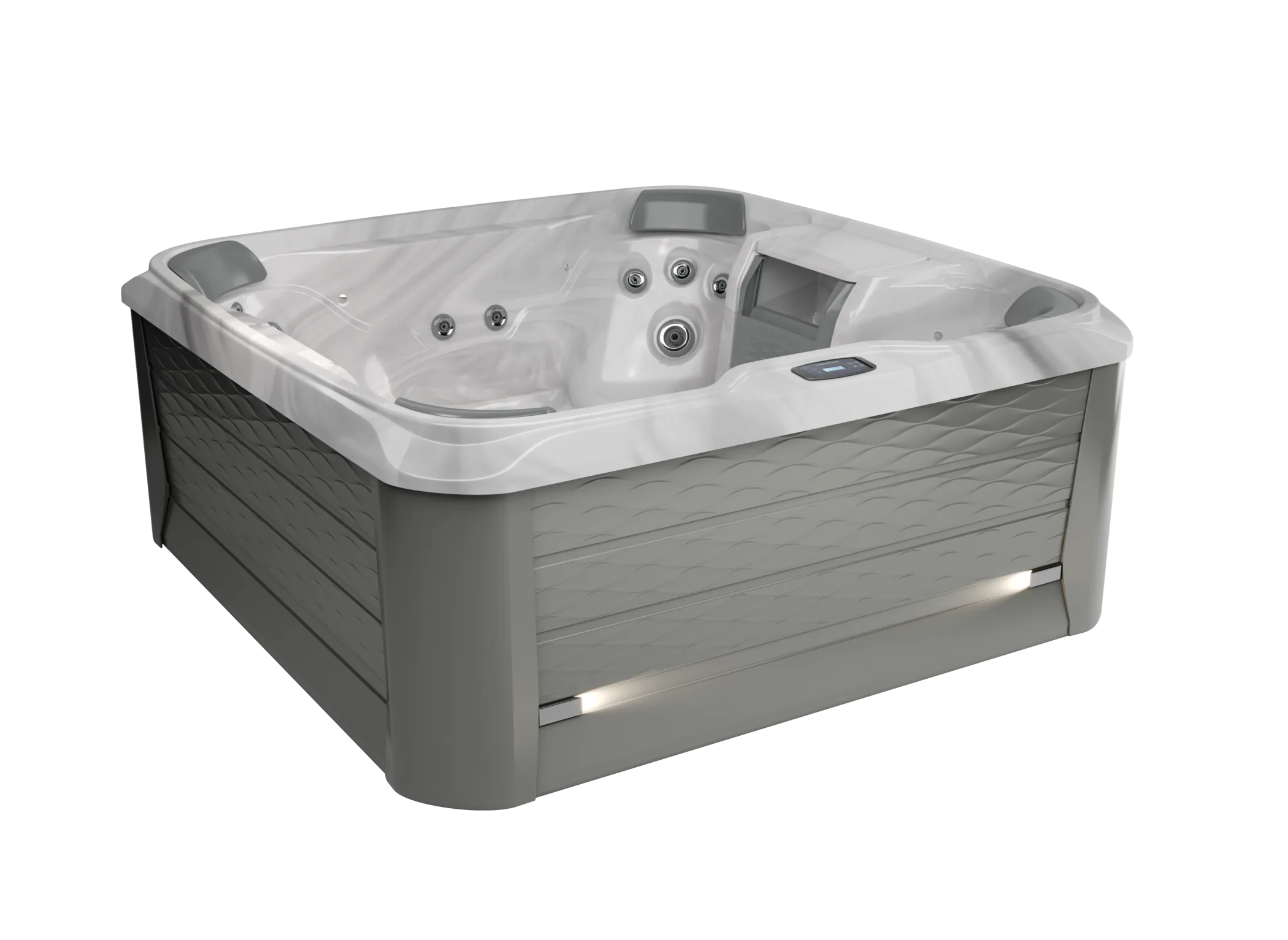
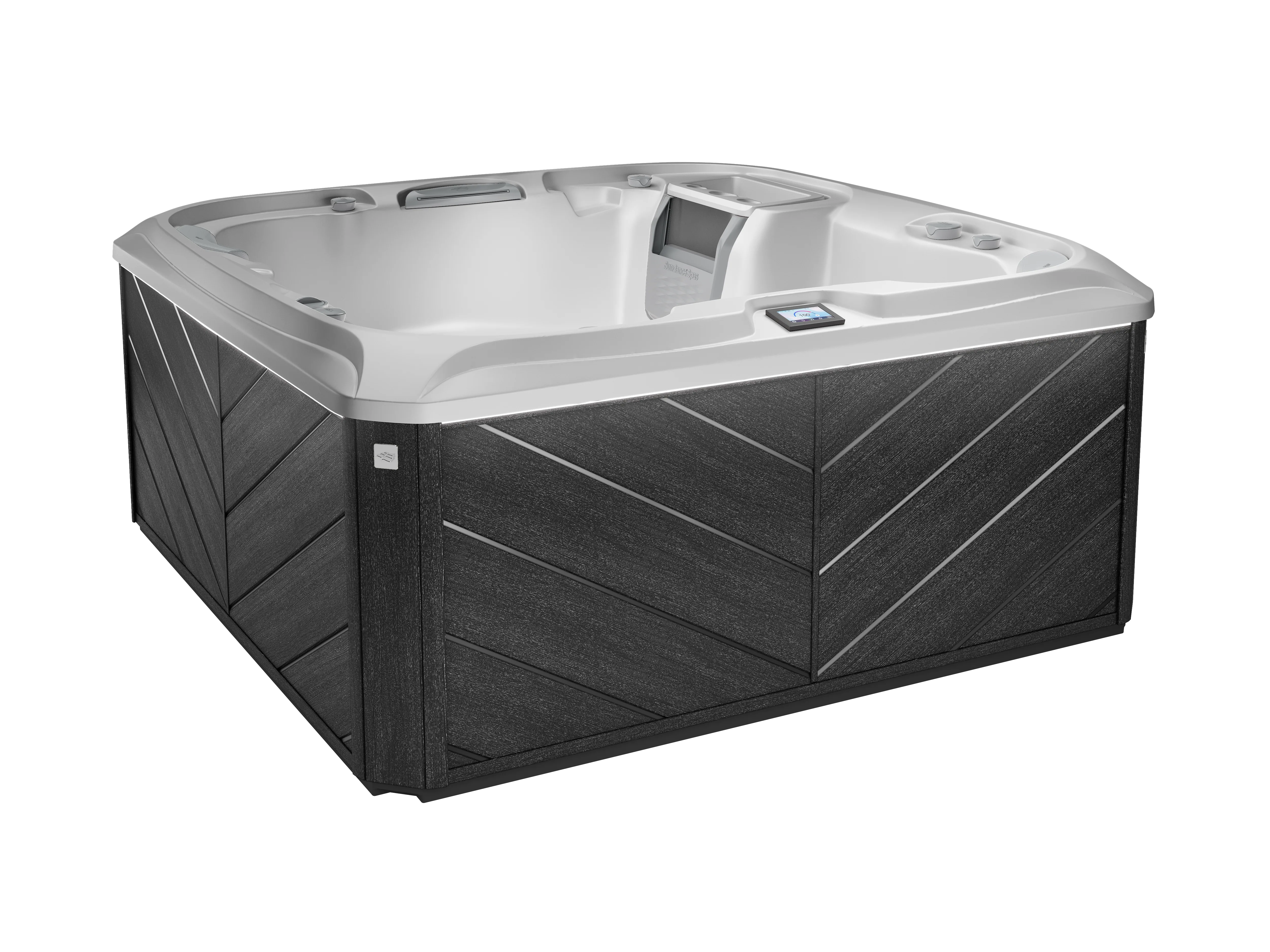
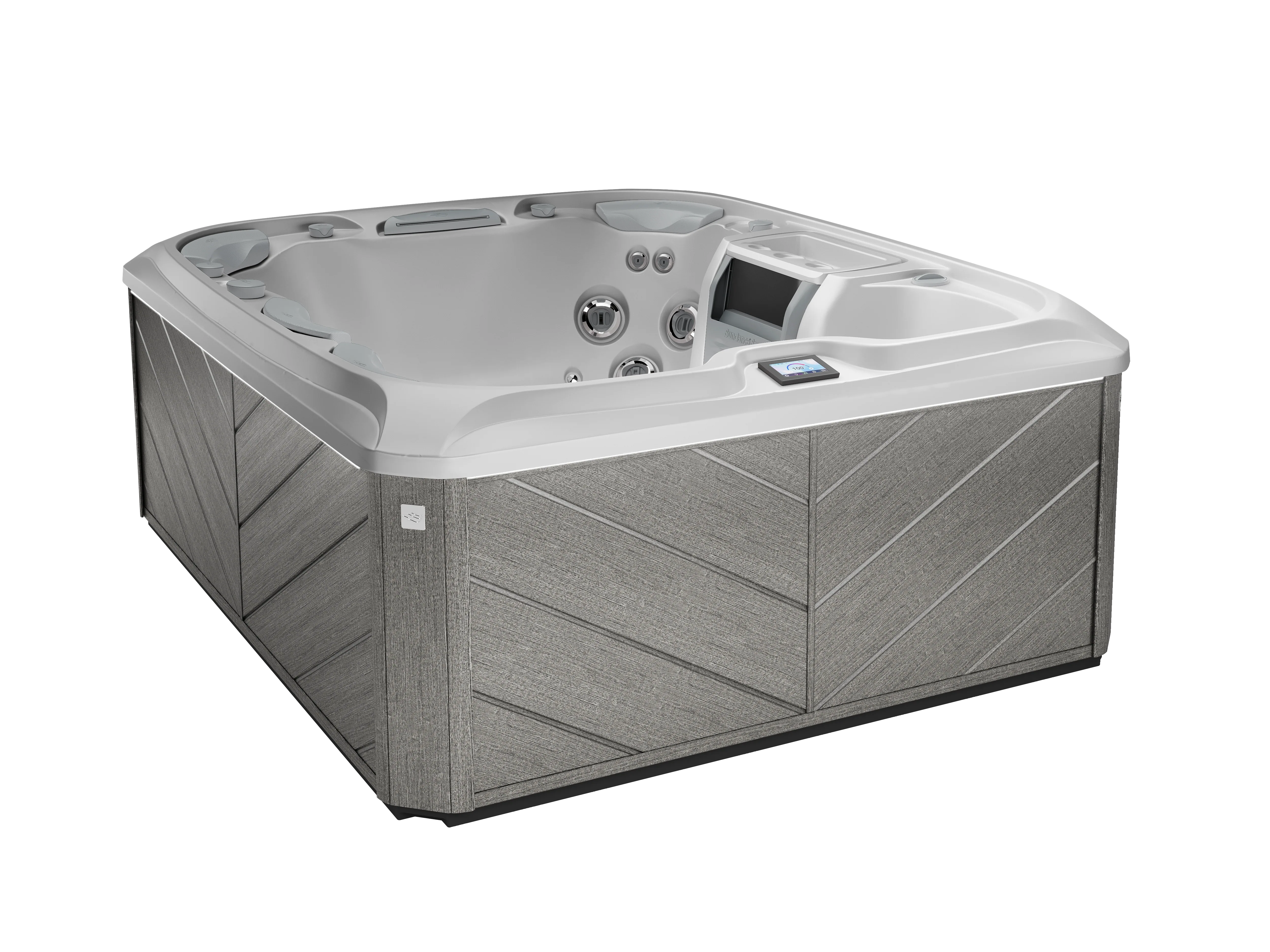
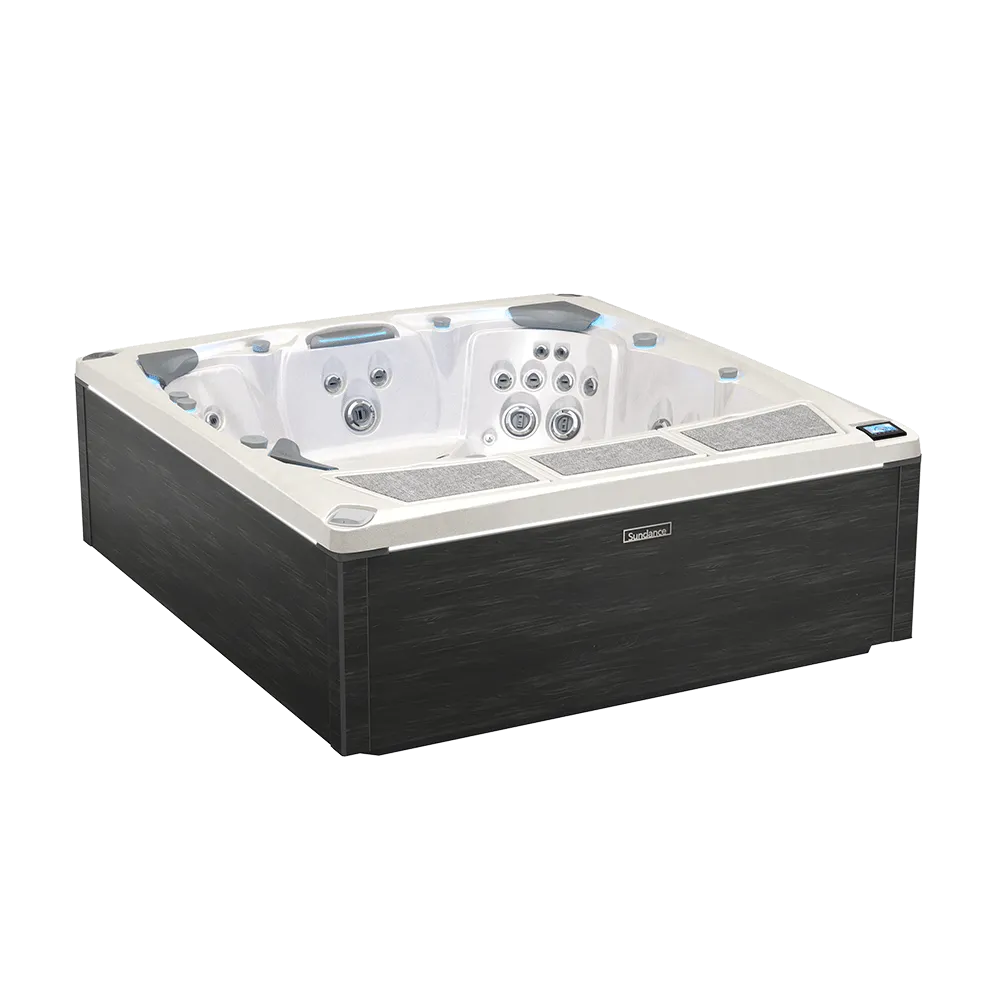
Marin® – 880™ Serie
Seating:
4-5
LiegesitzSeats
Niedriges Profil
Energieeffizient
Fluidix Jet
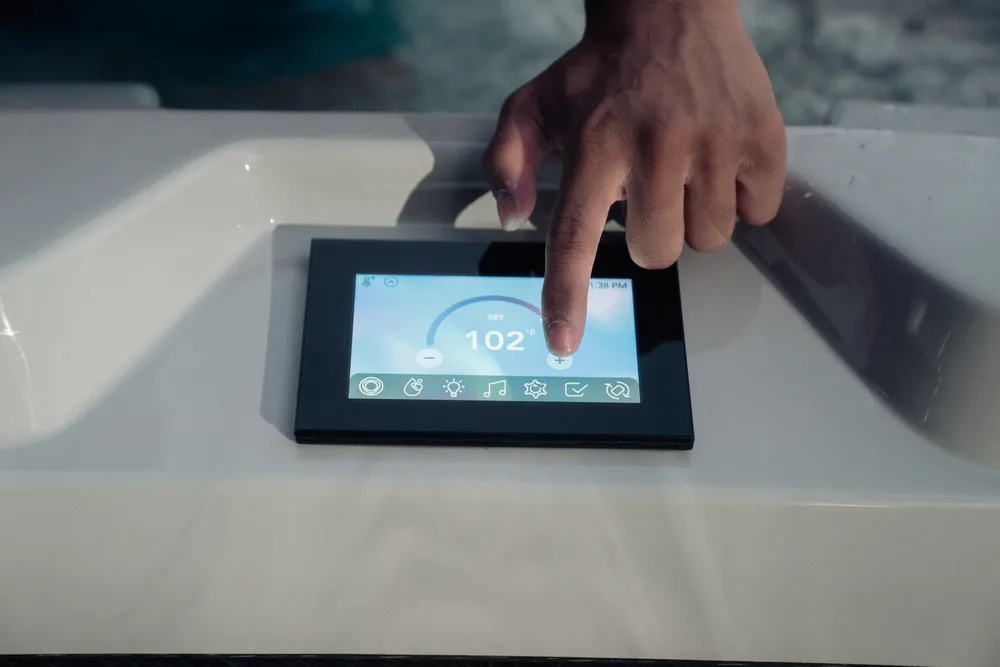
SmartTub System
Therapie und Erholung
$$$$
MSRP$21599

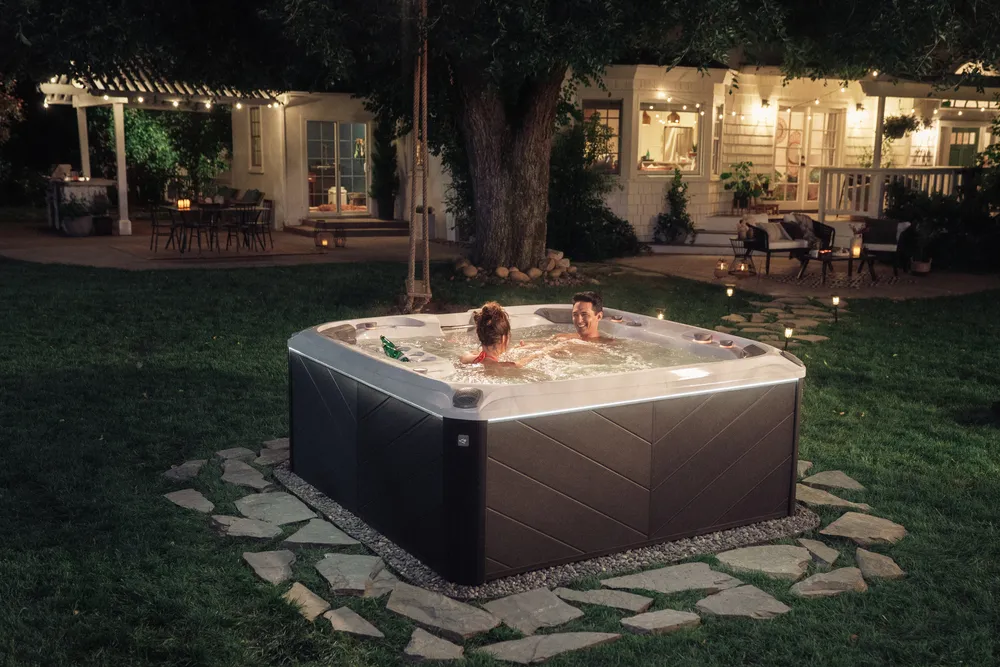
Setzen Sie ein mutiges Statement mit einem hervorragend gestalteten Whirlpool, das reich an Funktionen ist, die sich ideal für Unterhaltung oder einfach zum Entspannen eignen.

Unsere meistverkauften Whirlpools bieten eine ideale Balance aus fortschrittlichen Funktionen, erstklassigem Komfort und transformativer Hydrotherapie.

Die richtigen Funktionen für all Ihre besten Momente, zu einem Preis, der alles möglich macht. Jetzt ist es an der Zeit, alles zu verwirklichen.
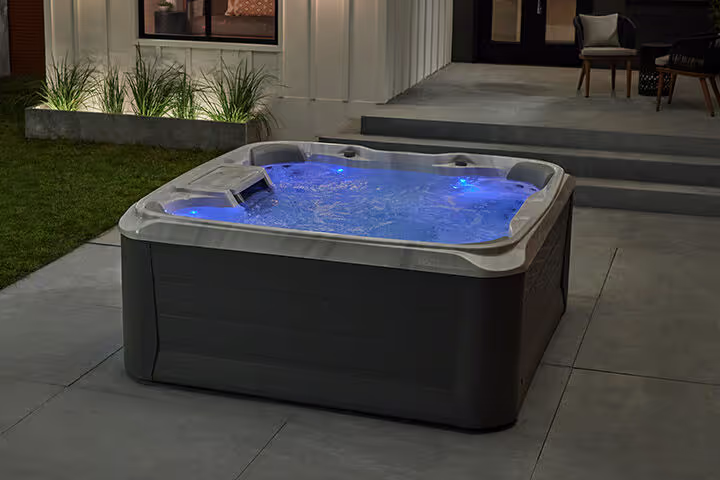
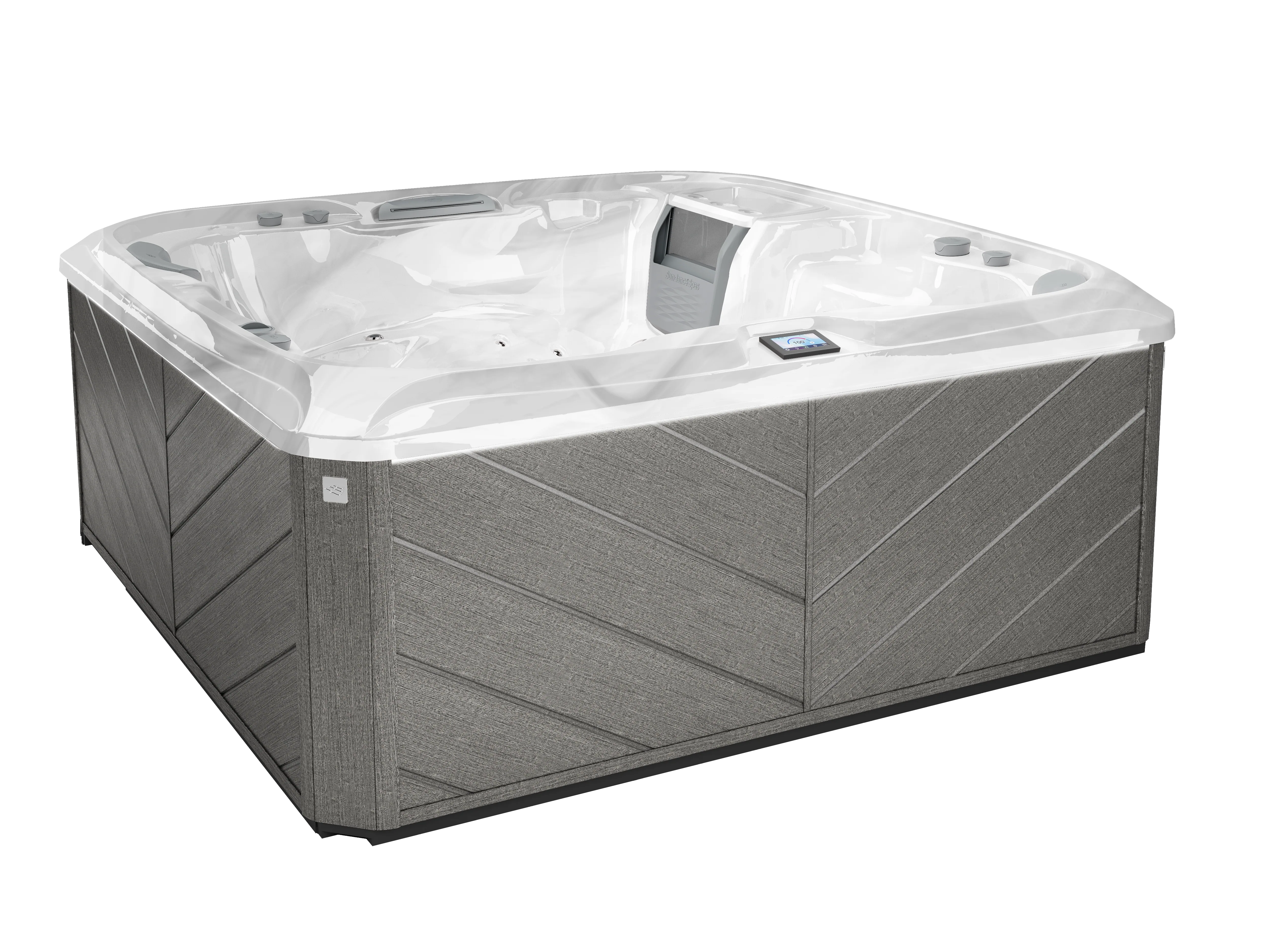
Es ist leicht, den Whirlpool der Serie 680 für all die unterhaltsamen und entspannenden Momente zu lieben, aber Sie werden auch seine hervorragende Haltbarkeit und sein gutes Preis-Leistungs-Verhältnis zu schätzen wissen.
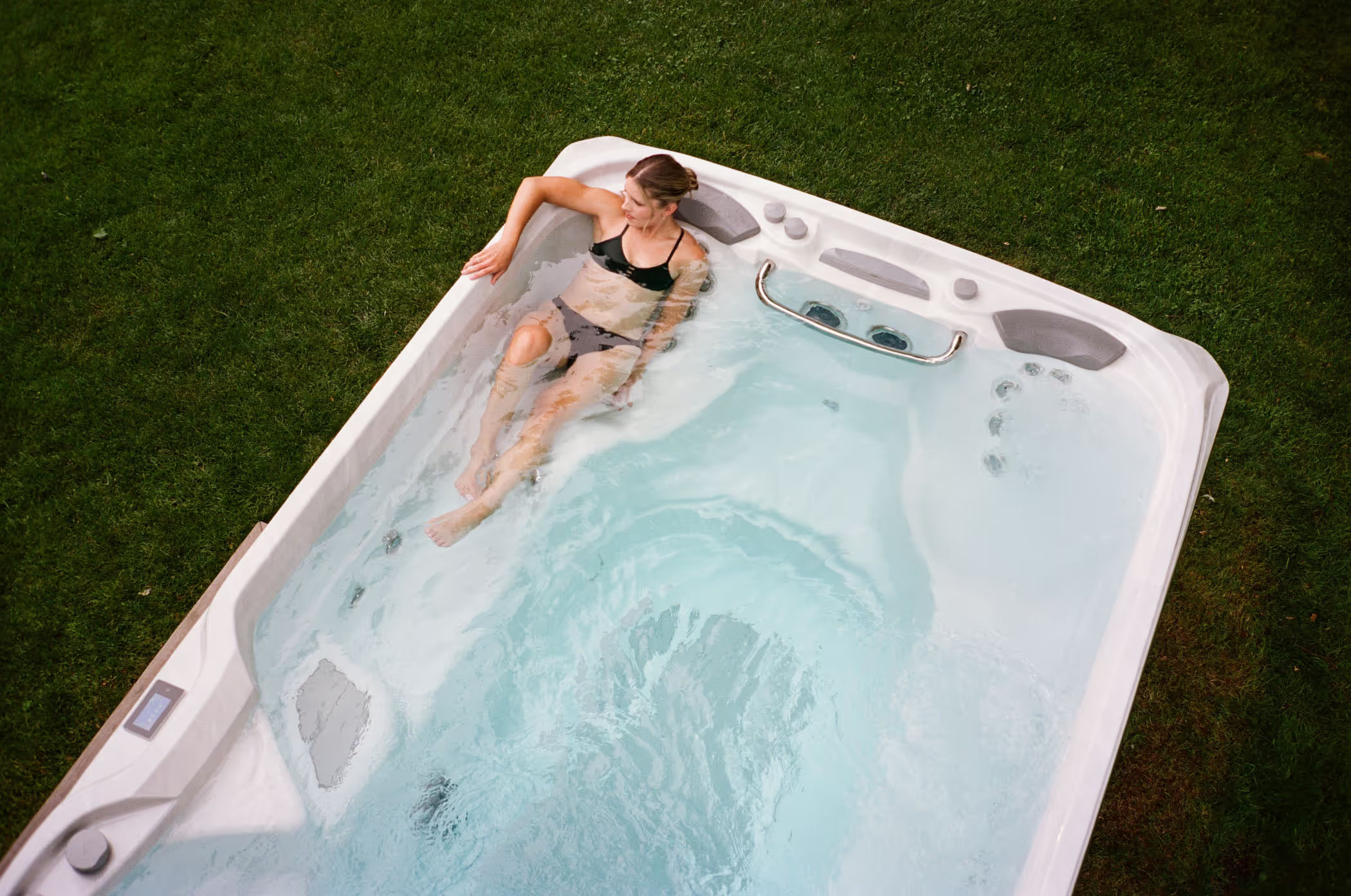
Es ist leicht, ein Swim Spa der täglichen Bewegung und der Wasserzeit zu lieben, die es mit sich bringt, aber Sie werden auch zu schätzen wissen, wie nahtlos es zu einem aktiven Leben zu Hause passt.

Jedes Sundance® Whirlpool ist auf maximale Entspannung ausgelegt und verfügt über Funktionen, die den Whirlpool-Besitz zum Kinderspiel machen, sodass Sie Ihr neues Whirlpool mit Zuversicht genießen können.
Finden Sie Ihren Whirlpool
Entdecken Sie die Sundance®-Modelle, um den perfekten Whirlpool für Sie zu finden.



Ashley Field ist Leiterin der Vertriebsschulungen bei der Jacuzzi® Group, wo sie die globale Schulungsstrategie und -entwicklung für mehrere Marken leitet. Seit ihrem Eintritt im Jahr 2016 konzentriert sie sich auf die Entwicklung von Programmen, die Teams zusammenführen, Geschäftsziele unterstützen und das Kundenerlebnis verbessern. Field hat einen Bachelor-Abschluss in Industriedesign von der Arizona State University und ist Mitglied der Association for Talent Development.
Hydrotherapy relieves pain, relaxes muscles, and boosts mental well-being. Discover the benefits of hydrotherapy through warm baths, cold immersions, and aquatic exercises that can enhance your health in this article.
Hydrotherapy isn’t a new concept; it dates back to ancient times when it was used to treat various injuries and diseases. Hydrotherapy primarily aims to relax muscles and relieve pain. Additionally, it helps enhance the range of motion. Utilizing water in various forms—such as warm water baths, cold water immersion, and steam baths—hydrotherapy alleviates symptoms like pain and stiffness.
The therapeutic effects of hydrotherapy are rooted in its ability to use water, heat, and hydromassage to enhance physical well-being and relieve discomfort. Whether you’re soaking in a warm bath or experiencing a contrast water therapy session, the benefits hydrotherapy delivers are profound and wide-ranging.
Throughout history, different cultures have turned to natural hot springs and heated water therapies for their remarkable health benefits. Today, modern wellness facilities incorporate various water therapies to boost mobility and fitness, blending ancient wisdom with contemporary science.
From improving circulation and reducing pain to enhancing mental well-being, hydrotherapy offers a holistic approach to health. Let’s dive into understanding hydrotherapy and discover its multitude of benefits.
Hydrotherapy employs various forms of water, including heat and hydromassage, to alleviate symptoms like pain and stiffness. This therapeutic practice not only enhances physical well-being but also promotes muscle relaxation, pain relief, and improved range of motion.
Hydrotherapy, also known as aquatic therapy or water therapy, involves the use of water for health benefits. Often conducted in a warm-water pool heated to 90°F to 100°F, this treatment can be used for relaxation and supporting health.
Warm water primarily eases muscle tension and promotes relaxation.
Hydrotherapy encompasses a range of treatments such as aquatic physical therapy, warm-water baths, immersion therapy, and wet saunas. Common forms include ice, liquid, and steam, with practices like warm baths, cold showers, and water exercises being popular examples.
One interesting type is the sitz bath, used for conditions like cramps and hemorrhoids, which can employ either warm or cold water. Another form is water circuit therapy, which alternates between warm and cold water to enhance circulation and alleviate symptoms.
These diverse hydrotherapy techniques offer tailored solutions for various health needs.
Hydrotherapy is renowned for its ability to alleviate symptoms like muscle pain, stiffness, and swelling. Engaging in hydrotherapy significantly reduces pain related to stress and enhances overall mobility.
Warm water immersion effectively eases pain signals, relaxes muscles, and increases blood flow. This increased blood flow contributes to muscle relaxation and improved healing, making warm water baths a go-to for those seeking relief from muscle soreness.
Warm water immersion offers therapeutic effects beyond immediate pain relief. Promoting relaxation and reducing muscle tension aid in long-term recovery and improved physical function.
Cold water immersion is a favored technique among athletes for muscle recovery after intense exercise. This practice helps reduce muscle temperature and regulate blood flow, aiding in the reduction of pain and inflammation.
Cold water immersion in recovery routines enhances athletic performance and reduces recovery time.
Beyond physical health, hydrotherapy offers significant mental health benefits. Its therapeutic effects include improved circulation and muscle relaxation, which aid in the body’s healing process and promote an overall sense of well-being.
Hydrotherapy, particularly through warm water baths, is highly effective in easing stress and alleviating painful symptoms. Warm water therapy combats anxiety and lowers cortisol levels, which leads to reduced stress.
Submerging in water lowers cortisol levels, reducing overall stress and promoting mental calmness.
Engaging in aquatic activities can release endorphins, which improve mood and emotional well-being. Water aerobics boost mood and mitigate tension, making aquatic exercise valuable for mental health.
Hydrotherapy can complement physical therapy, providing a low-resistance exercise option during recovery. It can enhance mobility for individuals unable to bear weight on land and improve balance and coordination through specific water exercises.
Aquatic therapy typically involves aquatic exercises in warm water, which aids in muscle relaxation and joint pain relief. The buoyancy of water supports body weight, alleviating stress on joints and facilitating improved range of motion.
Water therapy can provide temporary relief from joint stiffness and pain commonly associated with many conditions. Overall, hydrotherapy offers significant therapeutic benefits for individuals suffering from joint conditions.
Hydrotherapy can significantly improve cardiovascular health by enhancing blood flow and reducing blood pressure. Engaging in hydrotherapy leads to reduced blood pressure and improved overall heart health, making it a beneficial practice for those with cardiovascular concerns.
Hot tubs facilitate muscle relaxation and pain relief by immersing the body in warm water, which reduces tension and promotes healing. Hydrotherapy tubs designed for home use often feature customizable jets and precise temperature controls to enhance the therapy experience.
Immersion in hot tubs enhances blood circulation, alleviates muscle tension, and promotes relaxation. The buoyancy experienced in hot tubs reduces strain on joints, enhancing mobility and flexibility.
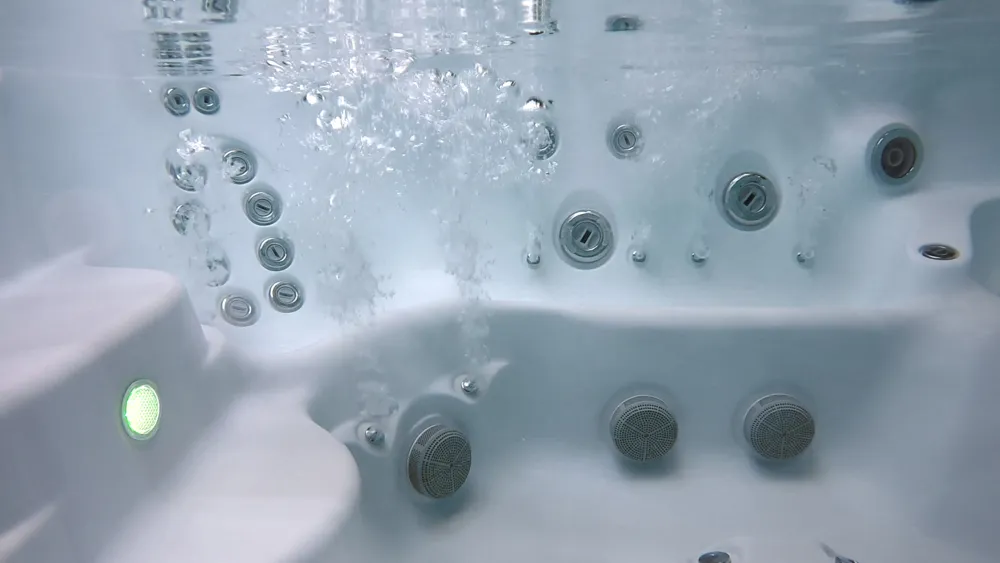
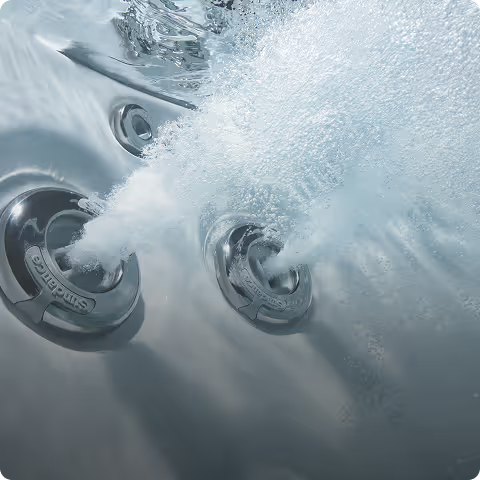
Sundance Spas offer adjustable jets and precise temperature control to optimize hydrotherapy treatments. These spas are equipped with adjustable jets that can be customized to target specific muscle groups for personalized therapy. Temperature control features allow users to set their ideal water temperature, enhancing comfort and therapeutic effects.
Together, the customizable jets and precise temperature control make Sundance Spas a leading choice for effective hydrotherapy.
When starting hydrotherapy, it’s essential to take it slow and allow your body to adjust. Conditions such as infections, breathing problems, or heart problems may increase the risk of complications during hydrotherapy. Individuals with a history of epilepsy and seizures should avoid hydrotherapy due to the risk of seizures.
If you experience dizziness or overheating during a hydrotherapy session, you should stop immediately. It’s important to seek assistance right away.
Before participating in hydrotherapy, individuals should thoroughly assess their medical history and physical condition. All hydrotherapy equipment must be inspected regularly to ensure it is safe and functioning properly.
Supervision by trained professionals during hydrotherapy sessions is vital for maintaining safety and providing immediate assistance if needed.
Consulting healthcare providers is crucial to tailor hydrotherapy practices to individual needs. Working with a doctor can help determine the most suitable hydrotherapy practices for each person. Discussing hydrotherapy with a healthcare provider can guide individuals on safe and effective practices.
Hydrotherapy can be practiced at home through various affordable methods, including using existing bathtubs and showers for relaxation. It can be inexpensive and easily incorporated into self-care routines. Foot soaks can be made more beneficial by adding Epsom salt or herbal ingredients.
Warm water therapy can be combined with physical therapy to provide a low-impact exercise alternative for those recovering from injuries.
Before: DIY hydrotherapy techniques can include methods like warm baths, contrast showers, and foot soaks. Warm baths are known for promoting relaxation and alleviating muscle tension. Contrast showers, which alternate between hot and cold water, can improve circulation and invigorate the body. Foot soaks in warm water can help soothe tired feet and relax the body.
After: DIY hydrotherapy techniques can include methods like:
These DIY techniques provide a simple and effective way to incorporate hydrotherapy into your daily routine, offering various health benefits.
A relaxing environment is crucial for maximizing the benefits of hydrotherapy, allowing for stress relief and improved mental well-being. Creating a calming atmosphere involves using soft lighting, soothing music, and comfortable seating options like cushions and recliners.
Incorporating hydrotherapy elements such as a hot tub, sauna, or steam shower can enhance your home spa experience and provide therapeutic benefits. Combining a serene environment with effective hydrotherapy elements ensures the maximum therapeutic benefits can be achieved within your home spa.
Hydrotherapy offers a holistic approach to health, addressing both physical and mental well-being. From pain relief and muscle relaxation to stress reduction and improved mood, the benefits hydrotherapy provides are extensive. Whether utilized in professional settings or at home, hydrotherapy can significantly enhance one’s quality of life.
Incorporating hydrotherapy into your routine can lead to improved health and well-being. As you consider exploring this therapeutic practice, remember to start slow, consult healthcare providers, and enjoy the soothing and healing properties of water.
Hydrotherapy is a wellness practice that uses water for health benefits, often through warm-water pools or baths to help you relax and rejuvenate. It's a great way to support your overall well-being!
Warm water immersion is great for pain relief because it relaxes your muscles and boosts blood flow, helping to ease soreness and promote healing. It's a simple and effective way to feel better!
Absolutely, hydrotherapy can be a great help for stress and anxiety. The warm water soothes your body and mind, lowering cortisol levels and promoting a sense of calm.
Common types of hydrotherapy are warm-water baths, cold water immersion, contrast water therapy, and aquatic exercises. Each method can help with pain relief, circulation, and even boost your mood!
Yes, there are risks with hydrotherapy, especially for those with infections, breathing problems, or heart issues. Always check with your healthcare provider to ensure it's safe for you.
Seating:
Seats
Seating:
Seats
Seating:
Seats

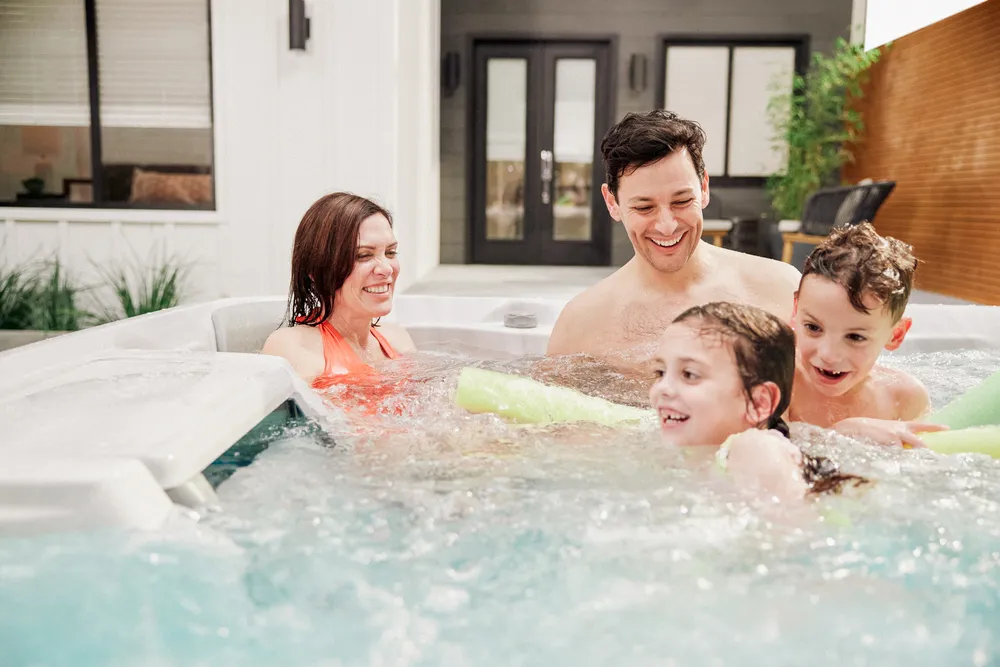
Start exploring the features Sundance® spas have to offer, and learn how to make spa time a focal point in your journey to share meaningful moments with the people you love.