
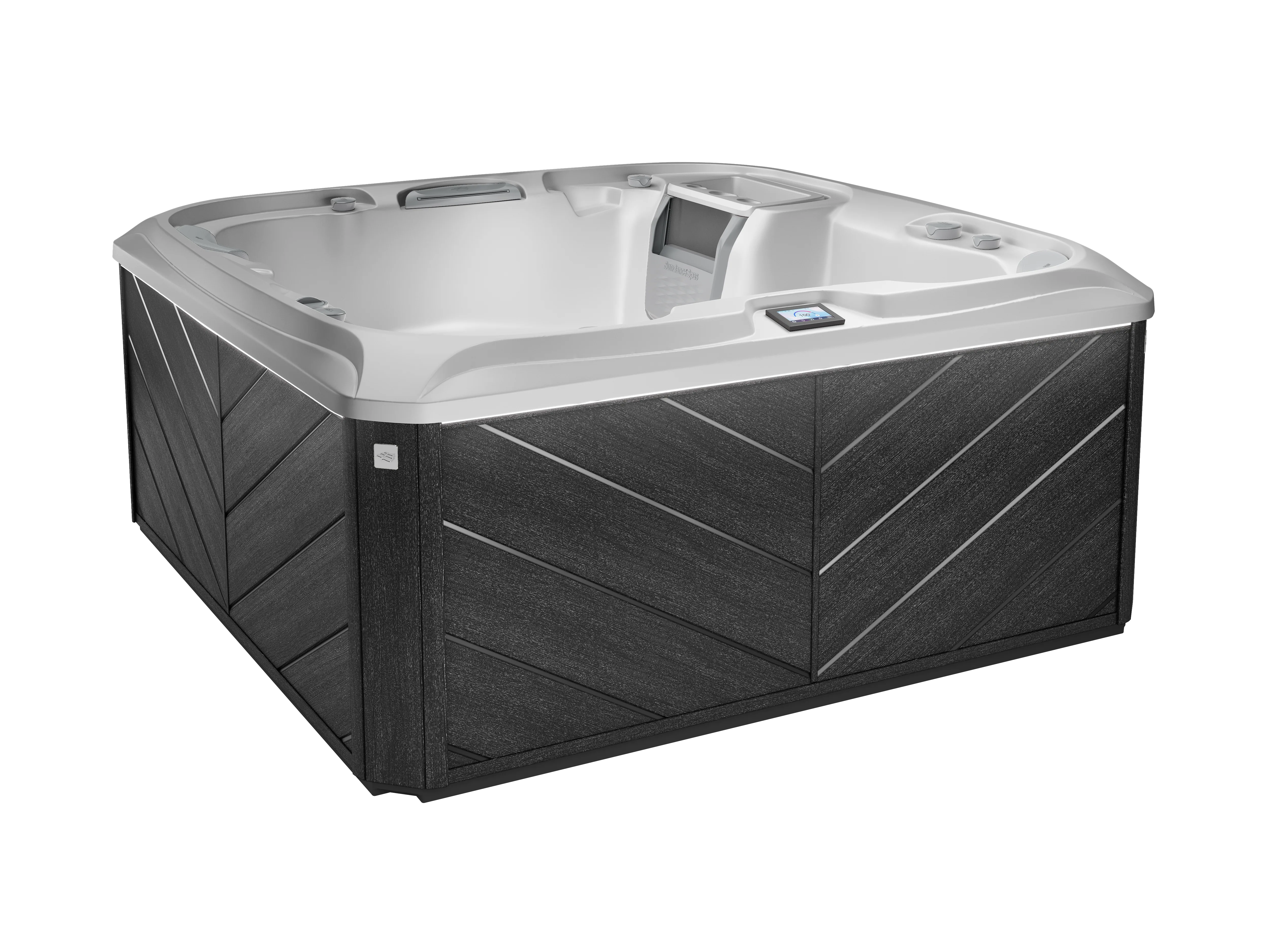
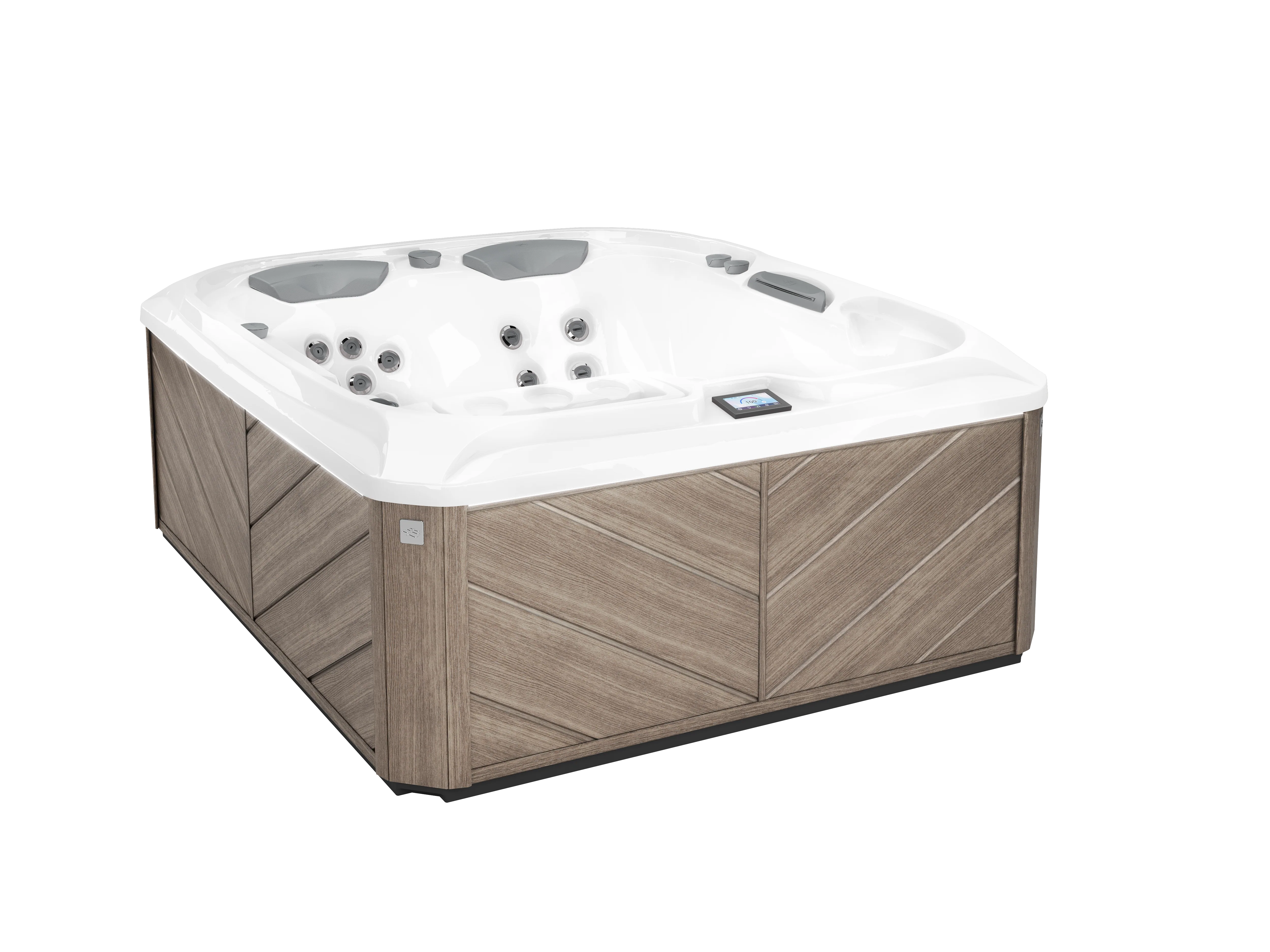
880™ Serie
Altamar® – 880™ Series
Seating:
5-6
LoungestoelSeats
Fluidix Jet
Energy Efficient
Therapie en herstel
SmartTub Systeem
$$$$
MSRP$22699
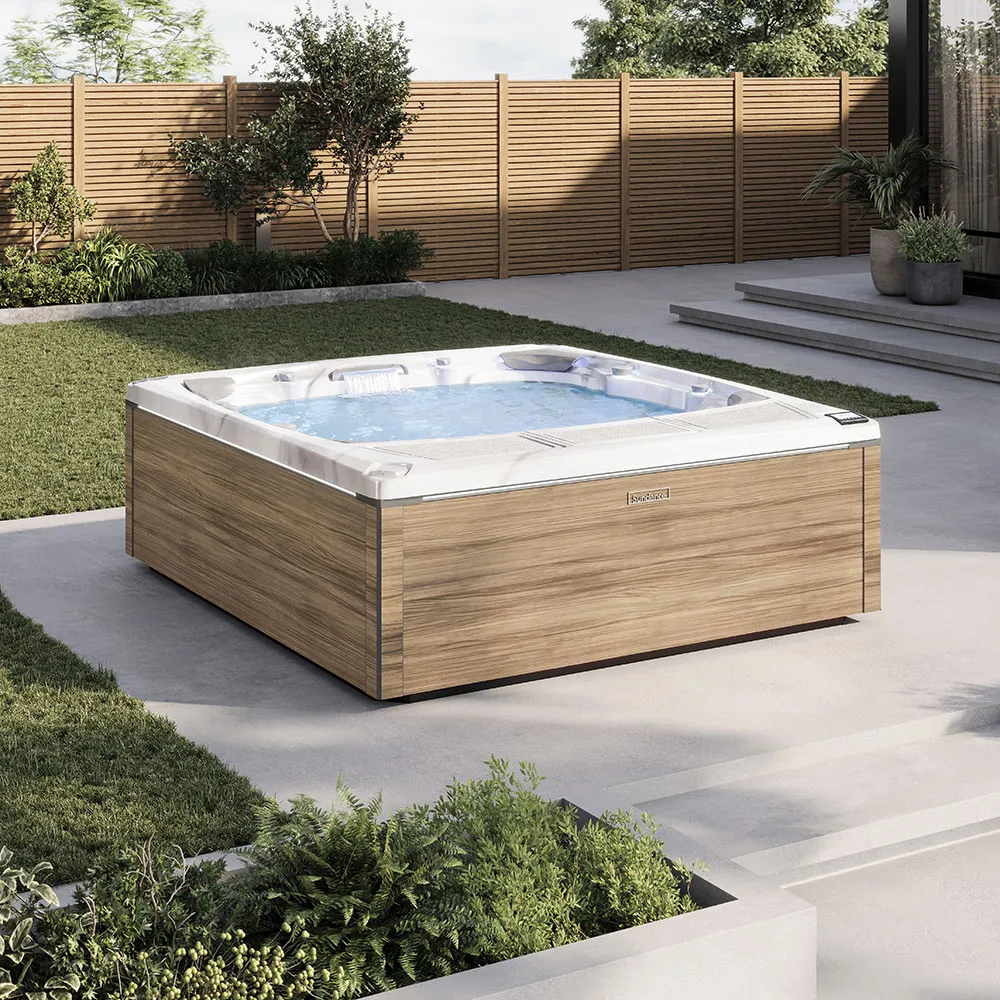
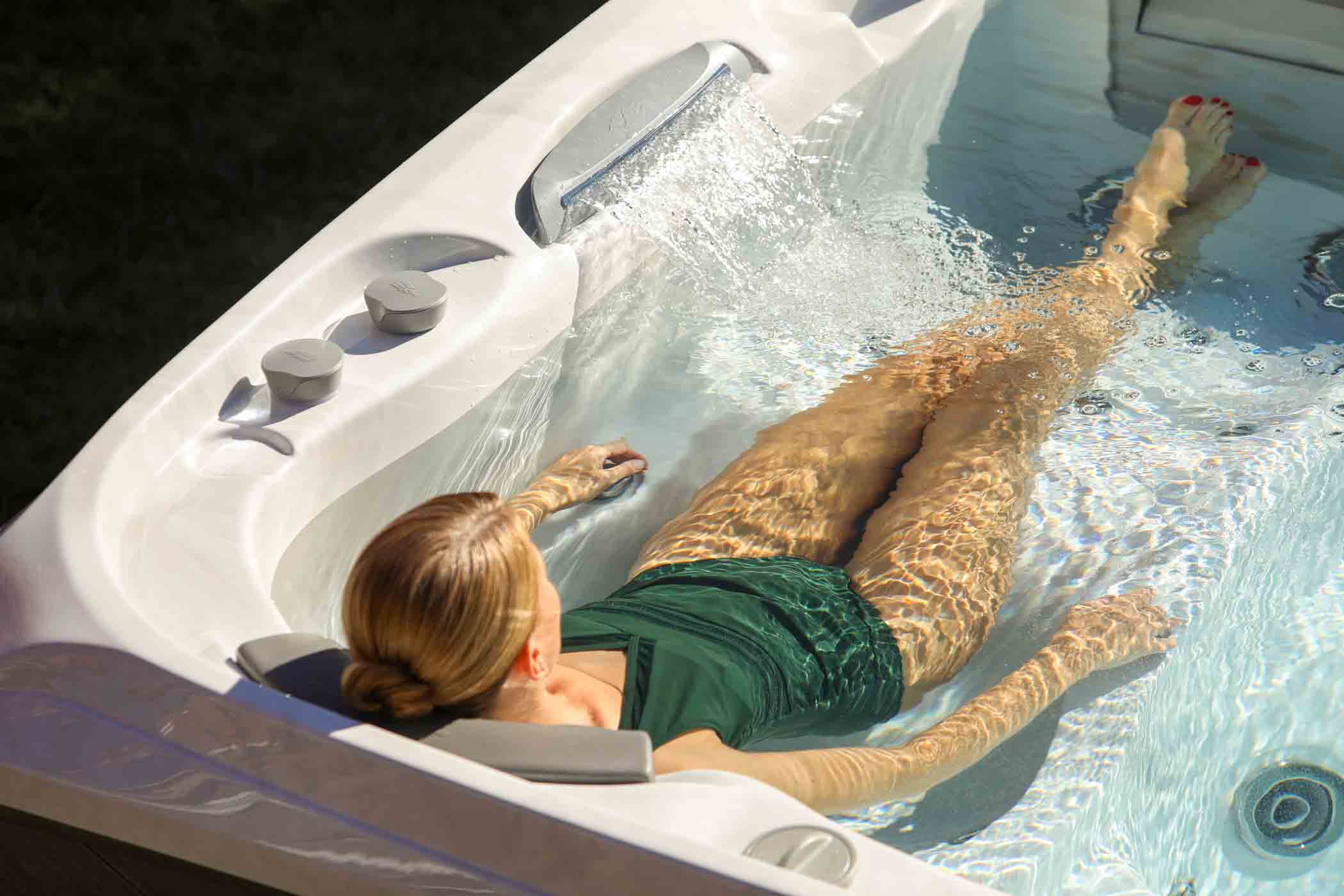
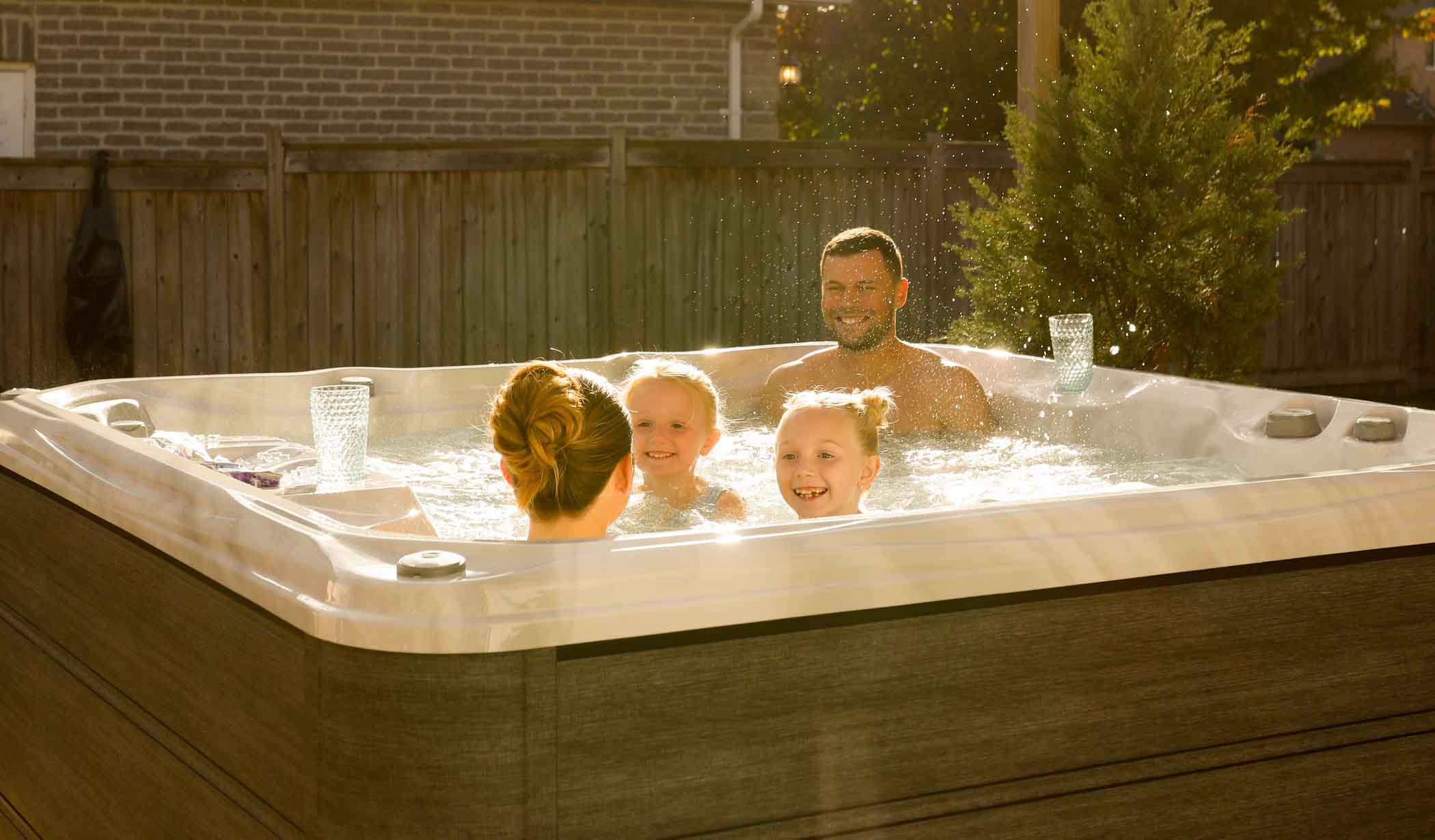
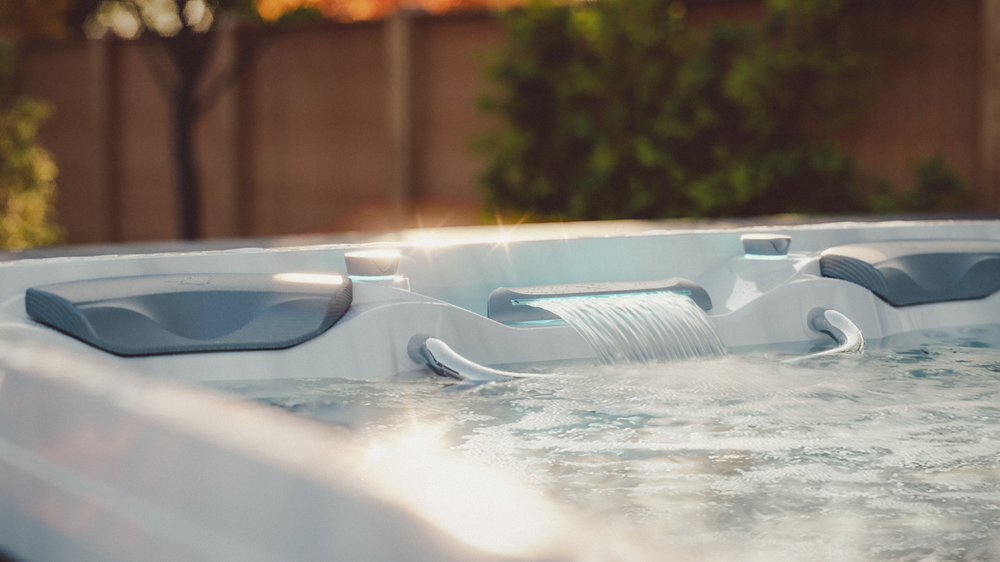
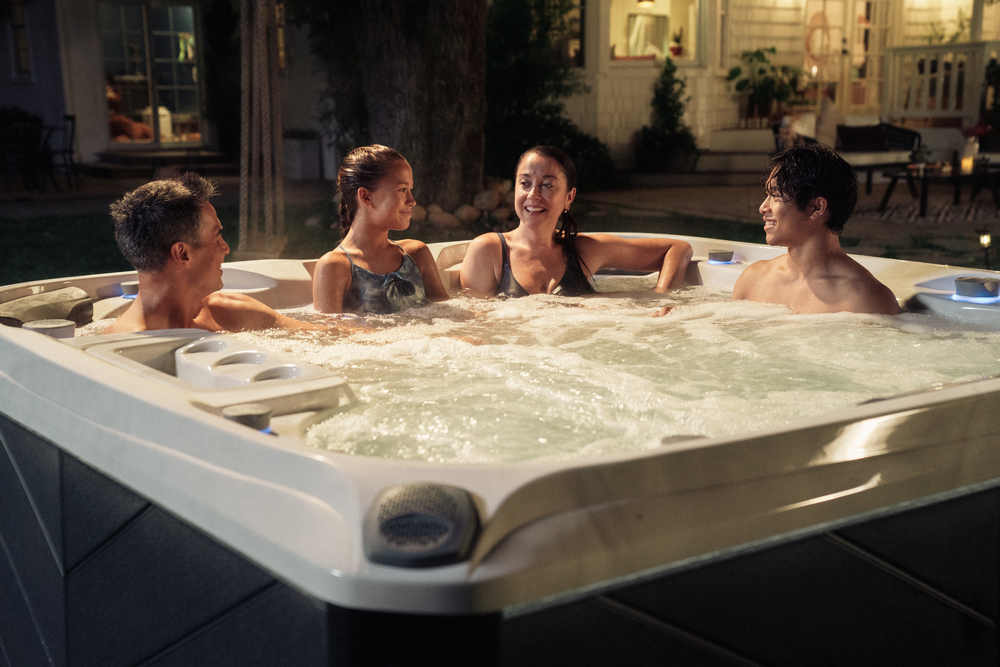
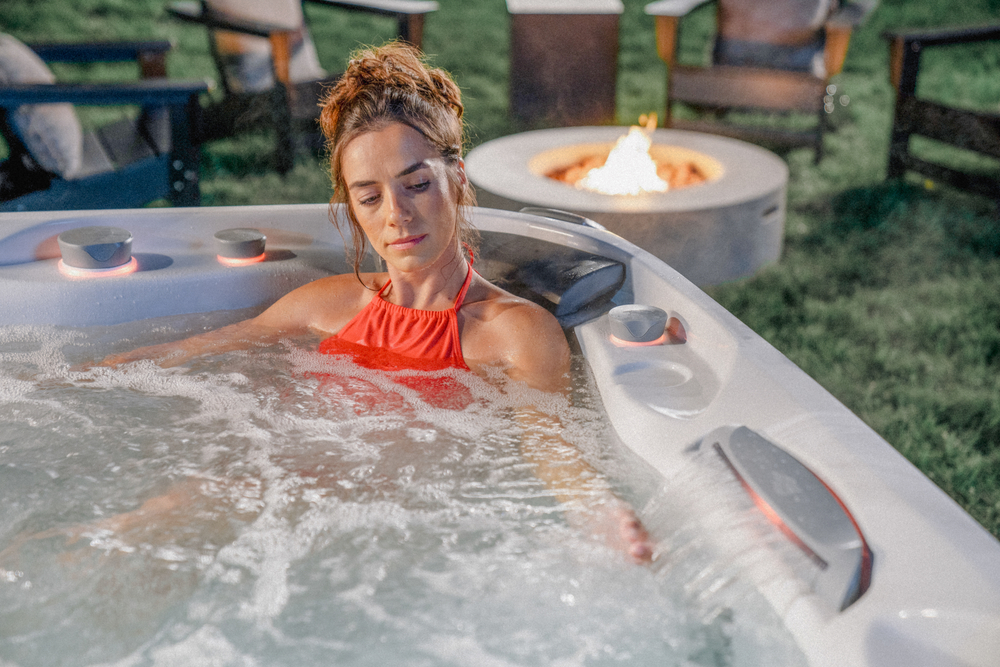
Maak een gedurfd statement met een prachtig ontworpen Hottub, rijk aan voorzieningen die ideaal zijn om te entertainen of gewoon te ontspannen.

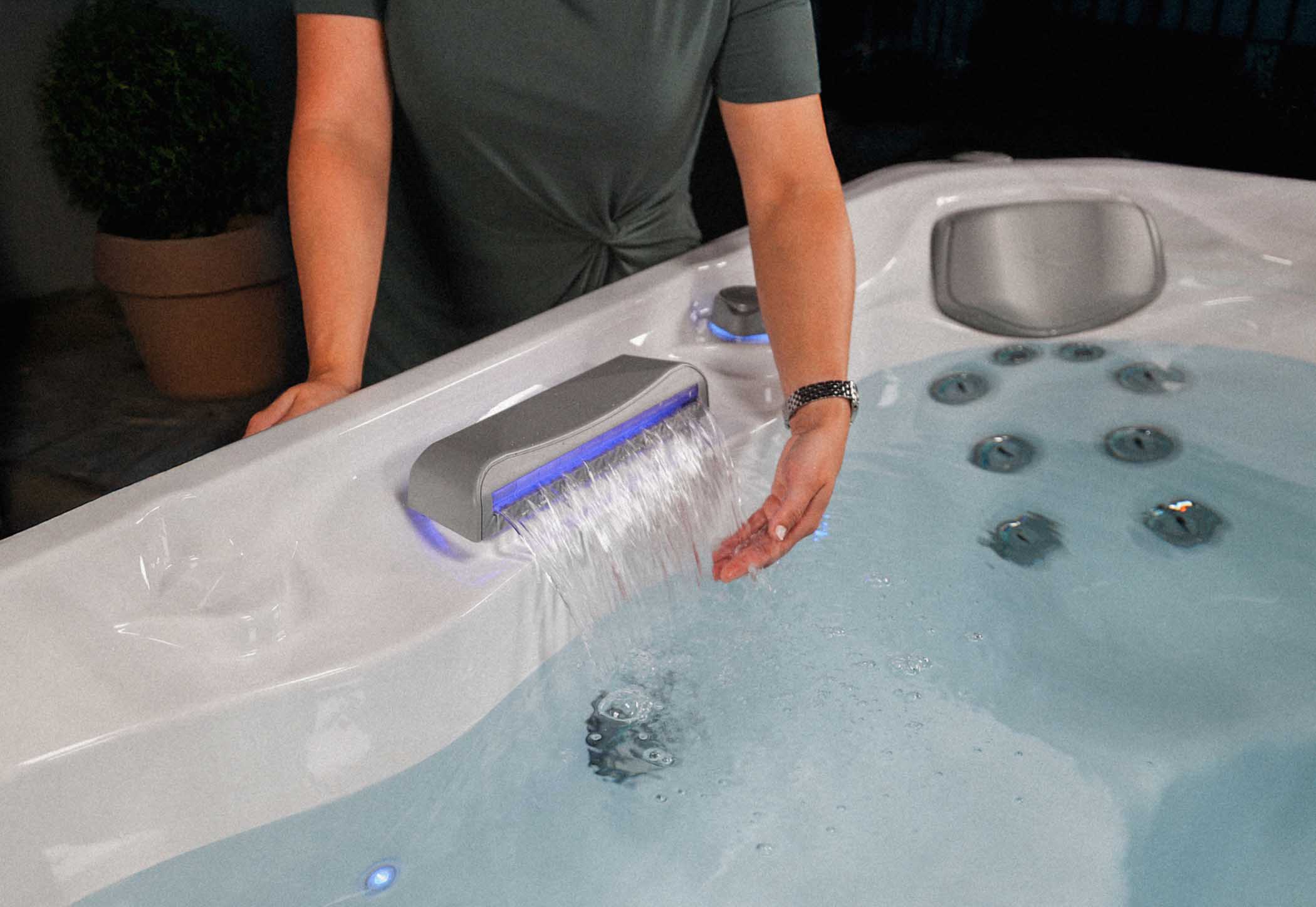
Onze best verkochte Hottubs bieden een ideale balans tussen geavanceerde functies, eersteklas comfort en transformatieve hydrotherapie.

Alle juiste functies voor al je beste momenten, voor een prijs die het allemaal mogelijk maakt. Nu is het tijd om het allemaal voor elkaar te krijgen.
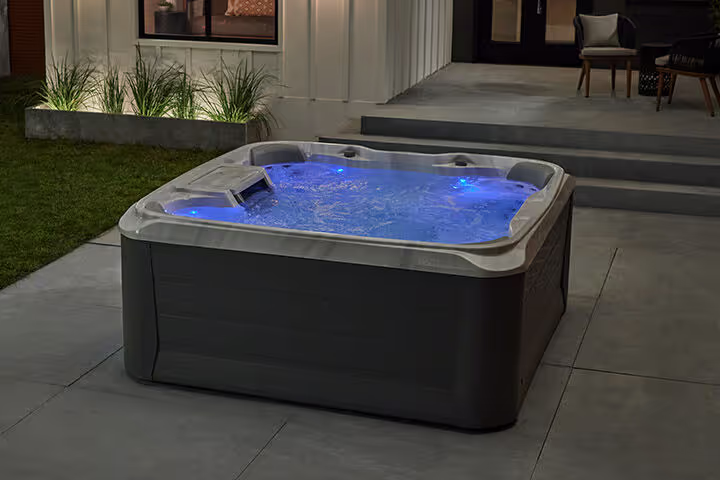
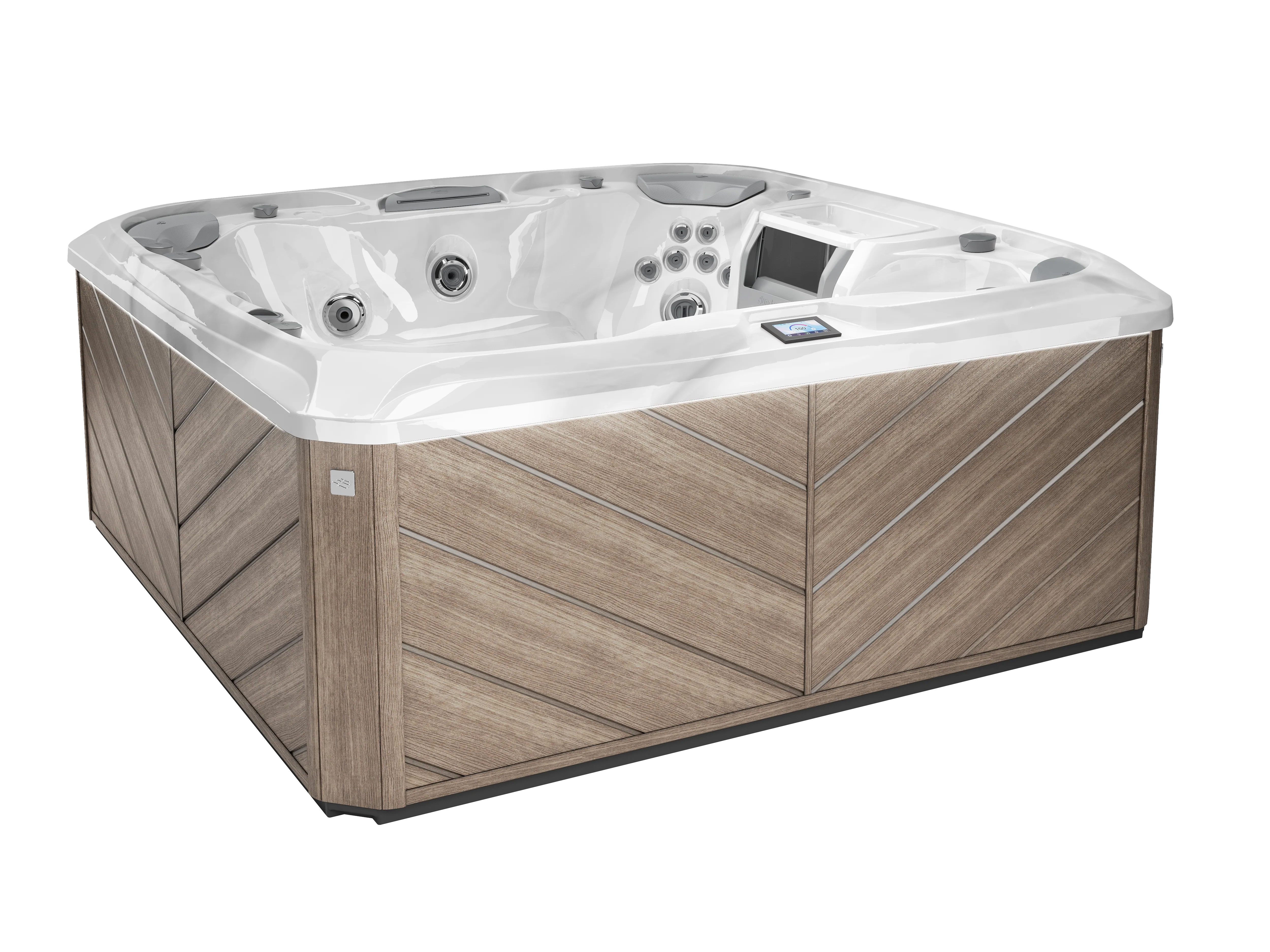
Het is gemakkelijk om van de Hottub uit de 680-serie te genieten voor alle leuke en ontspannende momenten, maar u zult ook de superieure duurzaamheid en waarde waarderen.
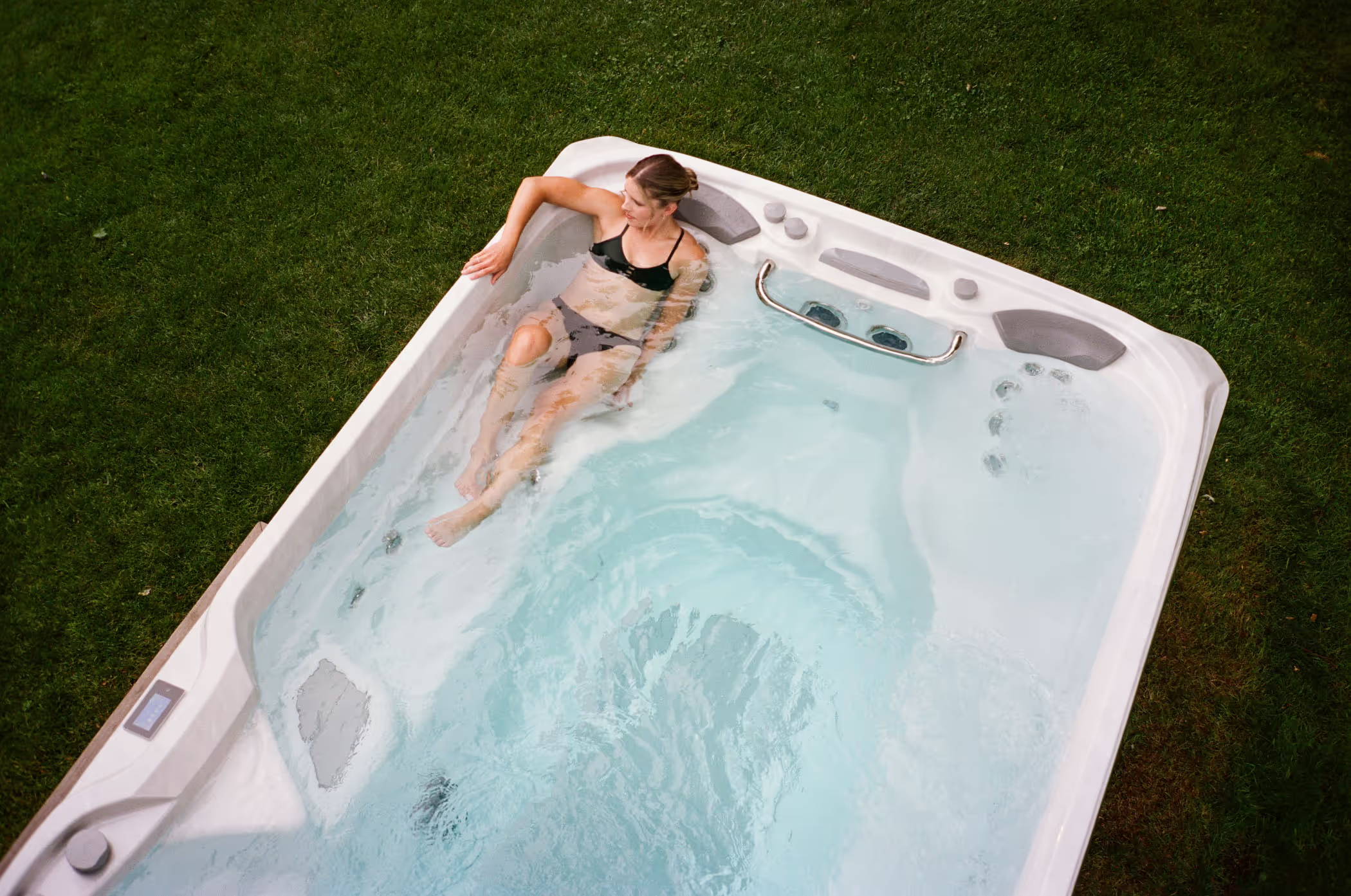
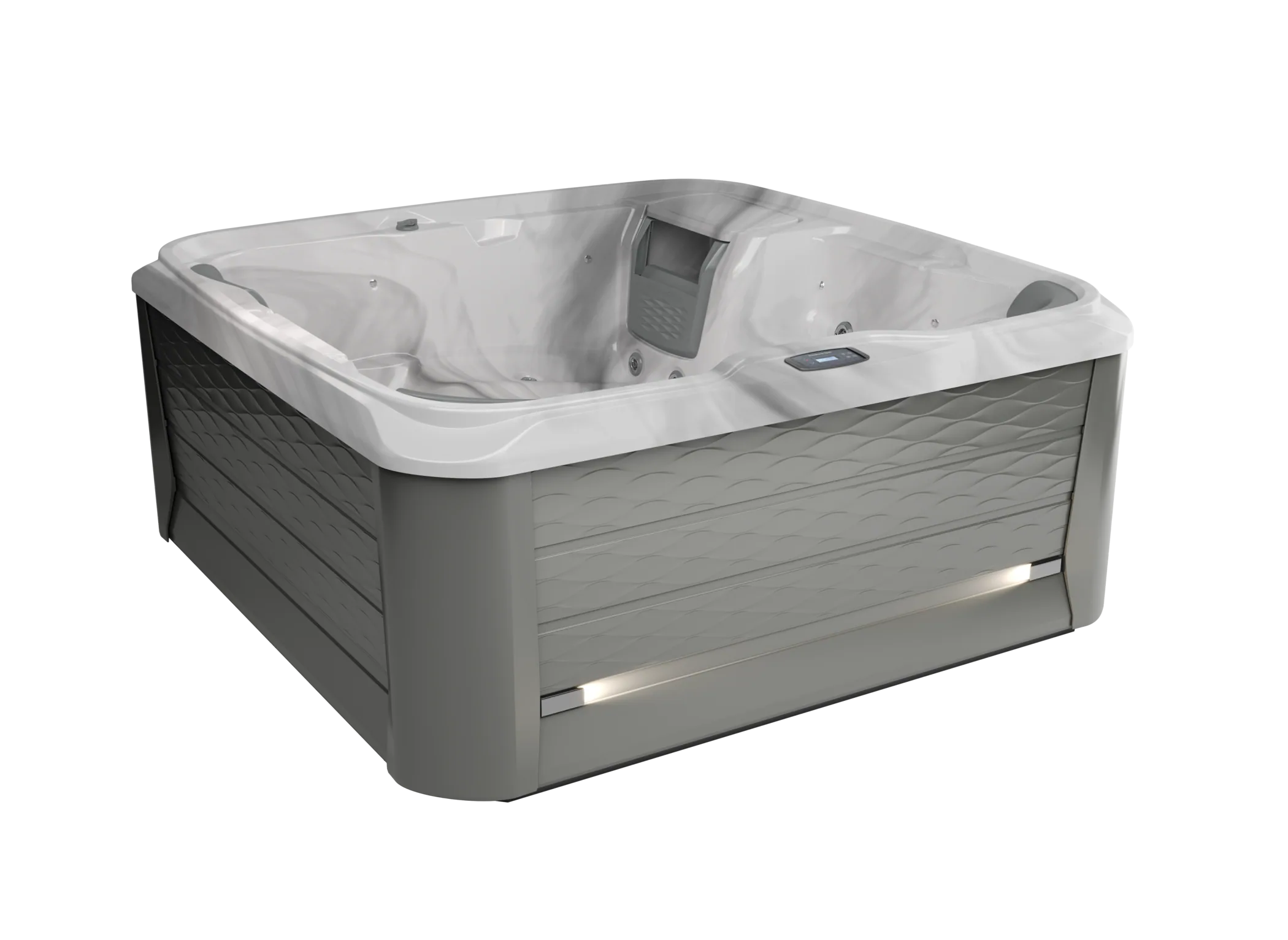
Het is gemakkelijk om van een Zwemspa's te houden vanwege de dagelijkse beweging en de tijd in het water die het met zich meebrengt, maar u zult ook waarderen hoe naadloos het past bij een actief leven thuis.

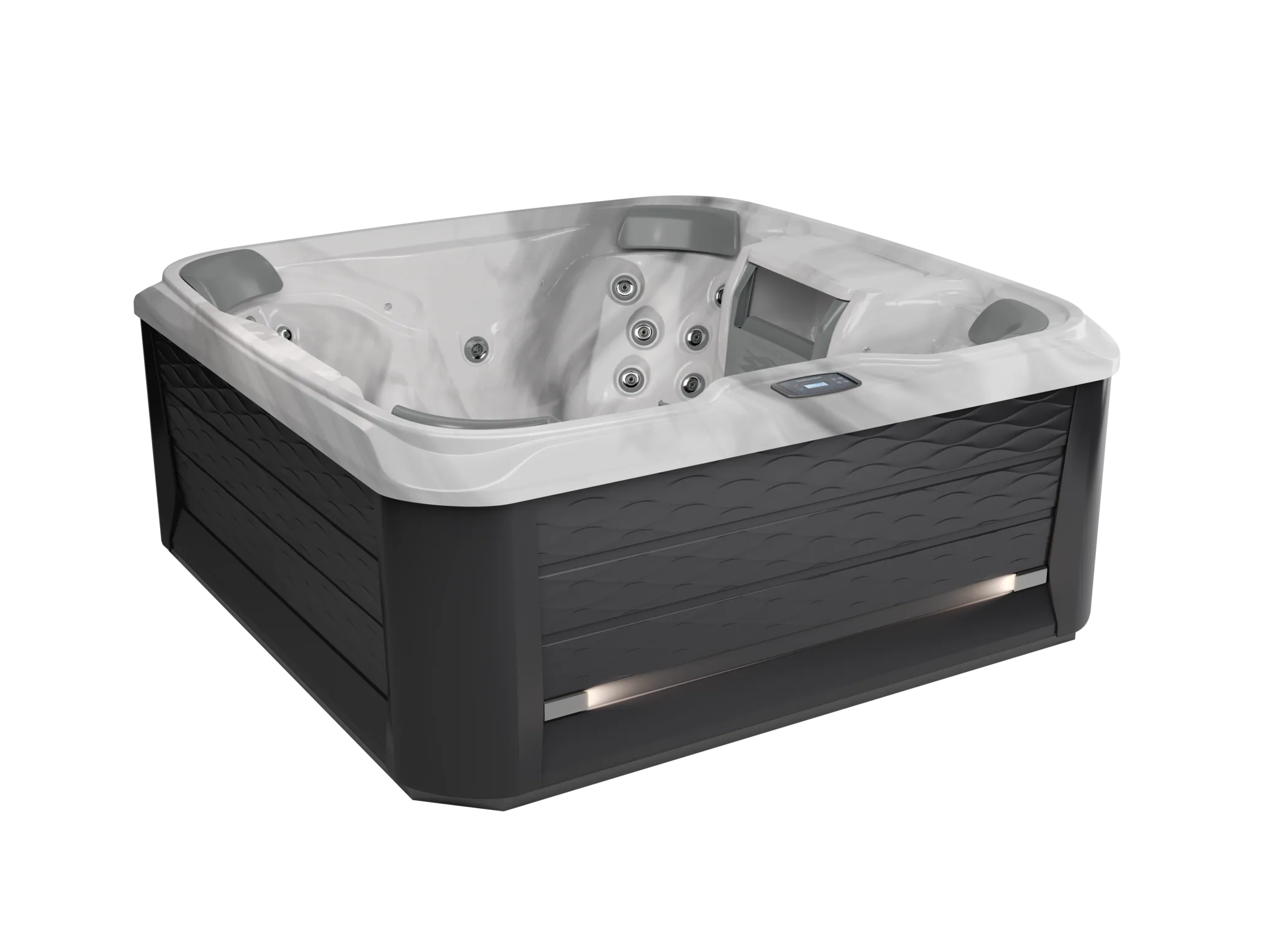
Elke Sundance® Hottub is gebouwd voor maximale ontspanning met functies die het bezit van een Hottub een fluitje van een cent maken, zodat u met een gerust hart van uw nieuwe Hottub kunt genieten.
Hulpbronnen
Vind jouw Hottub
Ontdek de Sundance®-modellen om de perfecte Hottub voor jou te vinden.



Erica Moir is vicepresident ontwerp en geavanceerde technologieën bij Jacuzzi Group, waar ze productinnovatie leidt binnen de Hottub- en badcategorieën. Met meer dan 22 jaar ervaring bij het bedrijf heeft ze leidinggevende functies bekleed op het gebied van marketing, productontwerp en -ontwikkeling in Noord-Amerika en Europa. Moir is gepassioneerd over het stimuleren van creatieve, duurzame oplossingen die zowel de productprestaties als de klantervaring verbeteren. Ze heeft diploma's in industrieel en productontwerp van Fanshawe College en in schone kunsten van de University of Windsor.
Een Hottub hoort in het teken te staan van welzijn, ontspanning, tot rust komen en stressvermindering. Sommige mensen aarzelen echter om een Hottub aan te schaffen vanwege het mogelijke onderhoud. Het goede nieuws is dat veel hoogwaardige, luxe Hottubs beschikken over uitstekende waterbehandelings- en filtersystemen die het onderhoud van uw Hottub eenvoudig maken.
Het goed onderhouden van uw Hottub-water is een essentieel onderdeel van uw hydrotherapie-ervaring. U wilt dat uw Hottub klaar is wanneer u dat bent, en u wilt zich geen zorgen hoeven maken over de veiligheid van het water. Daarom is het onderhoud van uw Hottub zo belangrijk.
Dit artikel richt zich op de chemicaliën die nodig zijn voor het onderhoud van uw Hottub-water. Beschouw dit als een beginnersgids voor Hottub-chemicaliën. In dit artikel leest u meer over de basischemicaliën voor uw Hottub, waarom ze nodig zijn en welke chemicaliën uw Hottub mogelijk vereist.
Voordat u dit artikel leest, is het belangrijk om te weten dat elke Hottub anders is en unieke waterbehandelings- en filtersystemen heeft die de specifieke behoeften bepalen. Kortom: volg altijd de onderhoudsinstructies in de handleiding van uw Hottub om de beste zorg voor uw specifieke model te garanderen.
Basisprincipes van Hottub-chemicaliën
Als beginner kunnen Hottub-chemicaliën intimiderend of zelfs gevaarlijk lijken. Maar u hoeft zich geen zorgen te maken. Hottub-chemicaliën zijn, mits correct en volgens de instructies van uw specifieke Hottub-model gebruikt, niet schadelijk. Ze zijn juist noodzakelijk om ervoor te zorgen dat uw water helder, fris en veilig blijft om van te genieten.
Hottub-chemicaliën zijn de middelen die nodig zijn om te voorkomen dat bacteriën en andere micro-organismen zich in uw Hottub-water ontwikkelen. Zonder het gebruik van bepaalde chemicaliën en ontsmettingsmiddelen kunnen ziektekiemen ervoor zorgen dat uw Hottub-water troebel of zelfs onveilig wordt.
Wanneer u een Hottub uitkiest, is het essentieel om uw Hottub-dealer te vragen naar de waterbehandelings- en filtersystemen van het apparaat. U wilt vanaf het begin precies weten wat er van u wordt verwacht en welke chemicaliën de Hottub nodig heeft voordat u tot aankoop overgaat. Er zijn verschillende soorten waterbehandelingssystemen en elk vereist zijn eigen unieke set chemicaliën en andere ontsmettingsmiddelen. De exacte chemicaliën, het moment van toevoegen en de hoeveelheid kunnen daarom variëren. Hier zijn enkele veelvoorkomende chemicaliën die in veel Hottubs worden gebruikt:
Ontsmettingsmiddelen—Deze producten, zoals chloor en broom, worden gebruikt om bacteriën in het water te doden. Er zijn veel varianten van deze middelen, van chloorgranulaat tot broomtabletten. Er moet te allen tijde een actief niveau van ontsmettingsmiddel in uw Hottub-water aanwezig zijn. Streef naar een bereik van 2,0 tot 4,0 ppm (parts per million) voor broom en 1,0 tot 3,0 ppm voor chloor.
Balansmiddelen—Deze worden gebruikt om de chemische waarden voor pH, alkaliteit en calciumhardheid in uw Hottub-water op peil te houden. Wanneer deze drie aspecten binnen hun respectievelijke bereik vallen, is uw Hottub-water in balans. pH-verlagers worden vaak gebruikt om zowel de pH als de totale alkaliteit te verlagen, aangezien deze in Hottub-water vaak stijgen. Als u de waarden van beide wilt verhogen, zijn een pH-verhoger en een alkaliteitsverhoger nodig.
Shockbehandeling—Dit is een geconcentreerde dosis oxidatiemiddel en chemicaliën die organische verontreinigingen zoals zweet en lichaamsoliën vernietigt. Ze werken snel en worden vaak gebruikt om bacteriën te doden die door uw gebruikelijke ontsmettingsmiddelen niet zijn opgevangen. Ze kunnen ook worden gebruikt om algen te doden, uw Hottub-water weer die prachtige kristalheldere blauwe kleur te geven en zelfs onaangename geuren te verwijderen.
Waterverhelderaar—Dit houdt uw Hottub-water sprankelend en helder. Het kan dienen als een booster voor uw Hottub-filter of helpen de helderheid van uw water te herstellen als het troebel begint te worden. Als uw Hottub-filter goed werkt, is het meestal niet nodig om regelmatig een verhelderaar te gebruiken.
Zijn er alternatieven voor Hottub-chemicaliën?
Sommige luxe Hottubs maken onderhoud eenvoudig dankzij hoogwaardige waterbehandelings- en filtersystemen die weinig inspanning van u vereisen wat betreft het toevoegen van chemicaliën of het vervangen van filters. Er zijn ook diverse waterbehandelingssystemen, die elk hun eigen specifieke onderhoud en gebruik van chemicaliën vereisen. Als u op zoek bent naar alternatieven voor Hottubs die afhankelijk zijn van chemicaliën, kunt u het beste direct contact opnemen met uw erkende Hottub-dealer. Zij kunnen u helpen de ins en outs van verschillende waterbehandelingssystemen te begrijpen en u adviseren over wat het beste bij uw behoeften past.
Starterspakket: Hottub-chemicaliën
Ter referentie volgt hier een korte checklist van chemicaliën die u mogelijk nodig heeft voor het onderhoud van uw Hottub-water.
• Ontsmettingsmiddelen en mineralen
• Shockbehandeling
• pH-verhogers en -verlagers
• Alkaliniteitsverhogers
• Waterverhelderaars
Andere benodigdheden voor het onderhoud van uw hottub
Hier zijn enkele essentiële zaken die u kunnen helpen uw hottubwater te behouden en helder te houden:
Een goed passende hottub-afdekking—Veel hoogwaardige hottubs worden geleverd met een afdekking die nauw aansluit op de rand van uw hottub. Dit is een uitstekende manier om te voorkomen dat bladeren, vuil en stof in uw hottubwater terechtkomen en de delicate chemische balans verstoren. Als uw hottub er niet standaard mee wordt geleverd, is een hoogwaardige hottub-afdekking een verstandige investering.
Reinigingsmiddelen—Er zijn diverse reinigingsmiddelen om uw hottub te beschermen en er op zijn best uit te laten zien. Van reinigers voor de kuip tot conditioners voor uw hottub-afdekking; verschillende reinigingsmiddelen helpen u niet alleen bij het onderhoud van uw hottub, maar houden deze ook in topconditie. Het is belangrijk om reinigingsmiddelen te gebruiken die specifiek zijn voor de verschillende onderdelen van een hottub. De enige uitzondering is milde zeep en water; zorg er wel voor dat u alle gereinigde oppervlakken daarna zeer grondig afspoelt.
Schepnet—Een schepnet maakt het eenvoudig om vuil uit uw hottub te verwijderen. Hydrotherapie is immers het fijnst in een hottub die vrij is van gevallen bladeren en ander vuil of deeltjes.
Chemische testset—Er zijn veel soorten testsets en strips op de markt. De meest nauwkeurige resultaten krijgt u meestal met vloeibare druppelsets.
Tips voor het veilig opslaan van hottub-chemicaliën
Als ze verkeerd worden gebruikt of in de verkeerde handen vallen (zoals die van kleine kinderen), kunnen hottub-chemicaliën gevaarlijk zijn. Het is daarom belangrijk om ze, nogmaals, te gebruiken volgens de instructies voor uw specifieke hottubmodel en om chemicaliën buiten het bereik van kinderen en huisdieren te houden.
Ze moeten worden bewaard op een koele, droge plaats tussen de 10 en 27 graden Celsius. Zorg er altijd voor dat doppen en deksels goed vastzitten en dat alle chemicaliën veilig zijn opgeborgen om morsen en besmetting te voorkomen. Meng geen chemicaliën.
Wanneer u overweegt wat u precies nodig heeft voor uw chemische startset voor de hottub, kunt u het beste beginnen bij uw erkende hottub-dealer. Zij weten precies wat uw gekozen hottub nodig heeft aan chemicaliën en benodigdheden om ervoor te zorgen dat u helder, fris water heeft dat klaar is voor gebruik wanneer u dat bent. Voordat u überhaupt een hottub aanschaft, kunnen zij u ook adviseren over merken, zoals Sundance® Spas, die modellen aanbieden met hoogwaardige watersystemen en filtersystemen die wateronderhoud eenvoudig maken.
Elke Sundance® hottub is uitgerust met het exclusieve dual-stage MicroClean®-filtersysteem1 van het merk, dat ervoor zorgt dat uw hottubwater klaar is wanneer u dat bent door kleine deeltjes te filteren voordat het water het systeem instroomt. Het ClearRay Active Oxygen®-systeem van het merk activeert krachtige actieve zuurstofmoleculen via UV-C-licht die het water automatisch reinigen2 terwijl het circuleert. Dit zorgt voor een onderhoudsvrije aanpak van waterverzorging, terwijl u ontspant en geniet van rustgevende hydrotherapie.
Als u overweegt een hottub aan te schaffen en zich zorgen maakt over het chemisch onderhoud, hoeft u zich geen zorgen te maken. Met een beetje begeleiding van uw lokale hottub-dealer en de instructies in uw gebruikershandleiding, zult u geen moeite hebben met het onderhoud van uw hottub. Dit geldt zeker als u begint met een goed uitgeruste chemische startset voor uw nieuwe hottub.
Wanneer u klaar bent om uw reis naar het bezit van een hottub verder te verkennen, bezoek dan de Sundance® Spas-showroom bij u in de buurt. Hier kunt u vragen stellen over de juiste chemicaliën die nodig zijn om uw nieuwe hottub sprankelend helder en klaar voor gebruik te houden.
Veelgestelde vragen (FAQ's): Chemische startset voor hottubs: Beginnersgids
V: Wat is een chemische startset voor een hottub?
A: Deze term verwijst simpelweg naar de basischemicaliën die u nodig heeft om uw hottubwater in balans te brengen en veilig te houden voor gebruik. De exacte chemicaliën en hoeveelheden kunnen variëren afhankelijk van uw hottubmodel. Gebruik alleen de chemicaliën die worden aanbevolen in de gebruikershandleiding van uw hottub of zoals aangegeven door uw erkende hottub-dealer om de bescherming en levensduur van uw hottub te garanderen.
V: Zijn hottub-chemicaliën gevaarlijk?
A: Hottub-chemicaliën zijn bedoeld om uw water helder en veilig te houden. Bij correct gebruik hoeft u zich geen zorgen te maken. Het kunnen echter agressieve middelen zijn als ze verkeerd worden gebruikt, dus het is belangrijk om ze alleen volgens de instructies te gebruiken, ze op de juiste manier op te slaan en ervoor te zorgen dat ze buiten het bereik van kinderen en huisdieren blijven.
V: Welke chemicaliën heb ik nodig voor mijn Hottub?
A: De meeste startpakketten met chemicaliën voor een Hottub bevatten ontsmettingsmiddelen om bacteriën in het water te doden, zoals chloor en broom, shockbehandeling, pH-verhogers en -verlagers om de pH-waarde van het water in uw Hottub in balans te houden, alkaliniteitsversterkers om de pH-waarde van uw Hottub verder te stabiliseren en te behouden, en een waterverhelderaar om ervoor te zorgen dat uw Hottub-water helder en sprankelend blijft.
1 Filtratie varieert per model.
2 Schoon wordt gedefinieerd als het verwijderen van microscopisch klein vuil (tot op 3 micron, varieert per model) uit het water.
Disclaimer: Sundance® Spas is een geregistreerd handelsmerk van de respectievelijke eigenaar. Alle rechten voorbehouden.
Medische disclaimer: Wij zijn geen medische professionals. Deze inhoud is uitsluitend bedoeld voor informatieve doeleinden en is geen vervanging voor medisch advies, diagnose of behandeling. Raadpleeg bij vragen over een medische aandoening altijd uw arts of een gekwalificeerde zorgverlener.
Seating:
Seats

Seating:
Seats
Seating:
Seats

Ontdek de functies die Sundance® Hottubs te bieden hebben en leer hoe u van uw Hottub het middelpunt maakt van waardevolle momenten met uw dierbaren.



.jpg)