

Hottubs voor zwemmen
Sundance® Stream™ 17
Seating:
4-6
Seats
Therapie en herstel
SmartTub Systeem
$$$$$
MSRP$43499
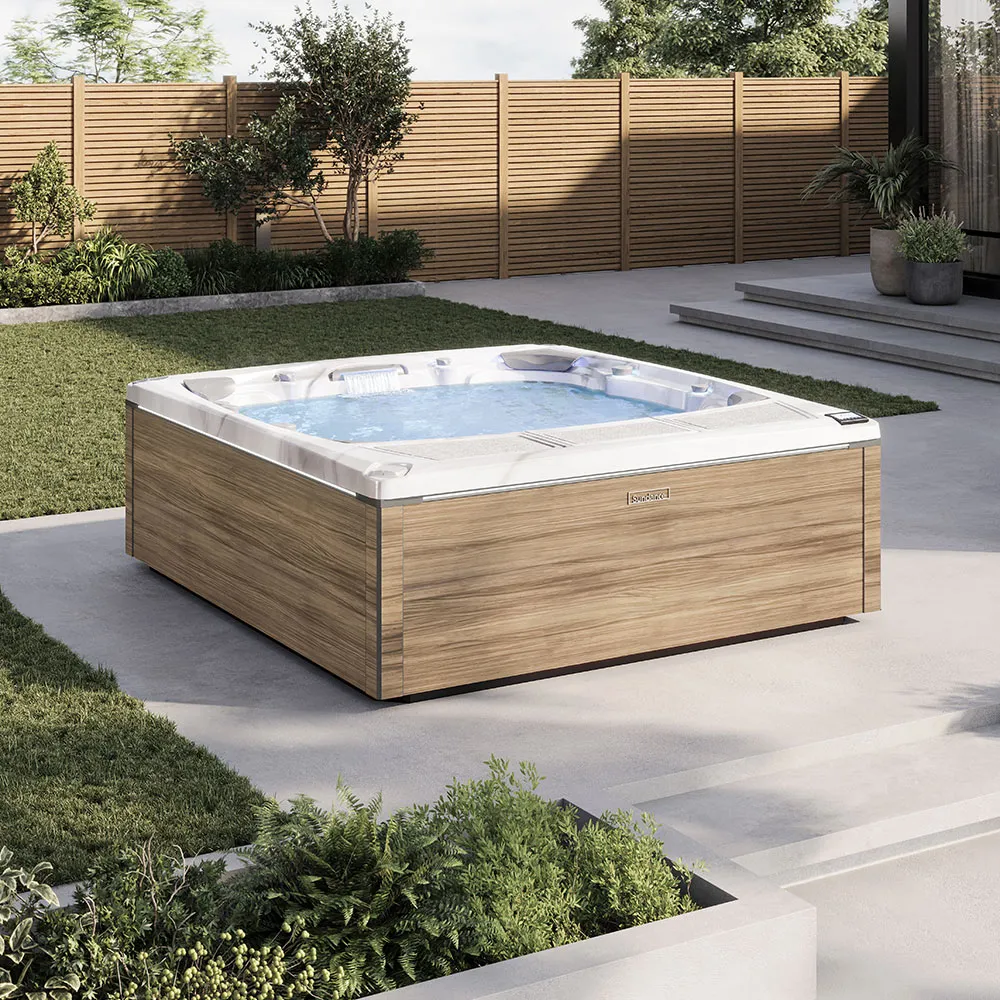
Maak een gedurfd statement met een prachtig ontworpen Hottub, rijk aan voorzieningen die ideaal zijn om te entertainen of gewoon te ontspannen.

Onze best verkochte Hottubs bieden een ideale balans tussen geavanceerde functies, eersteklas comfort en transformatieve hydrotherapie.

Alle juiste functies voor al je beste momenten, voor een prijs die het allemaal mogelijk maakt. Nu is het tijd om het allemaal voor elkaar te krijgen.
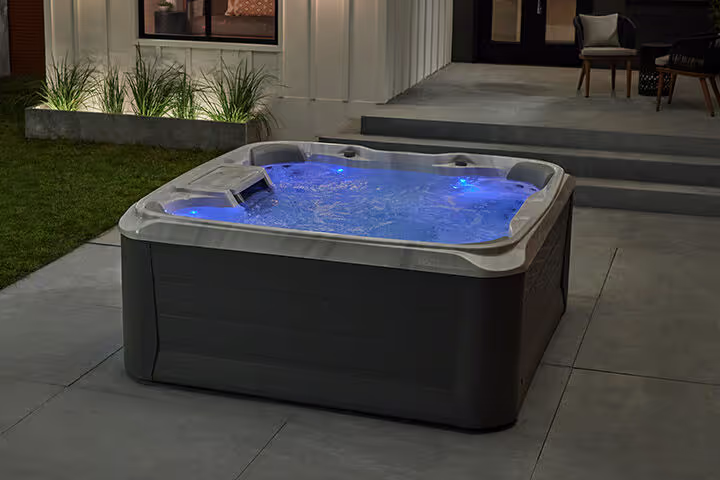
Het is gemakkelijk om van de Hottub uit de 680-serie te genieten voor alle leuke en ontspannende momenten, maar u zult ook de superieure duurzaamheid en waarde waarderen.
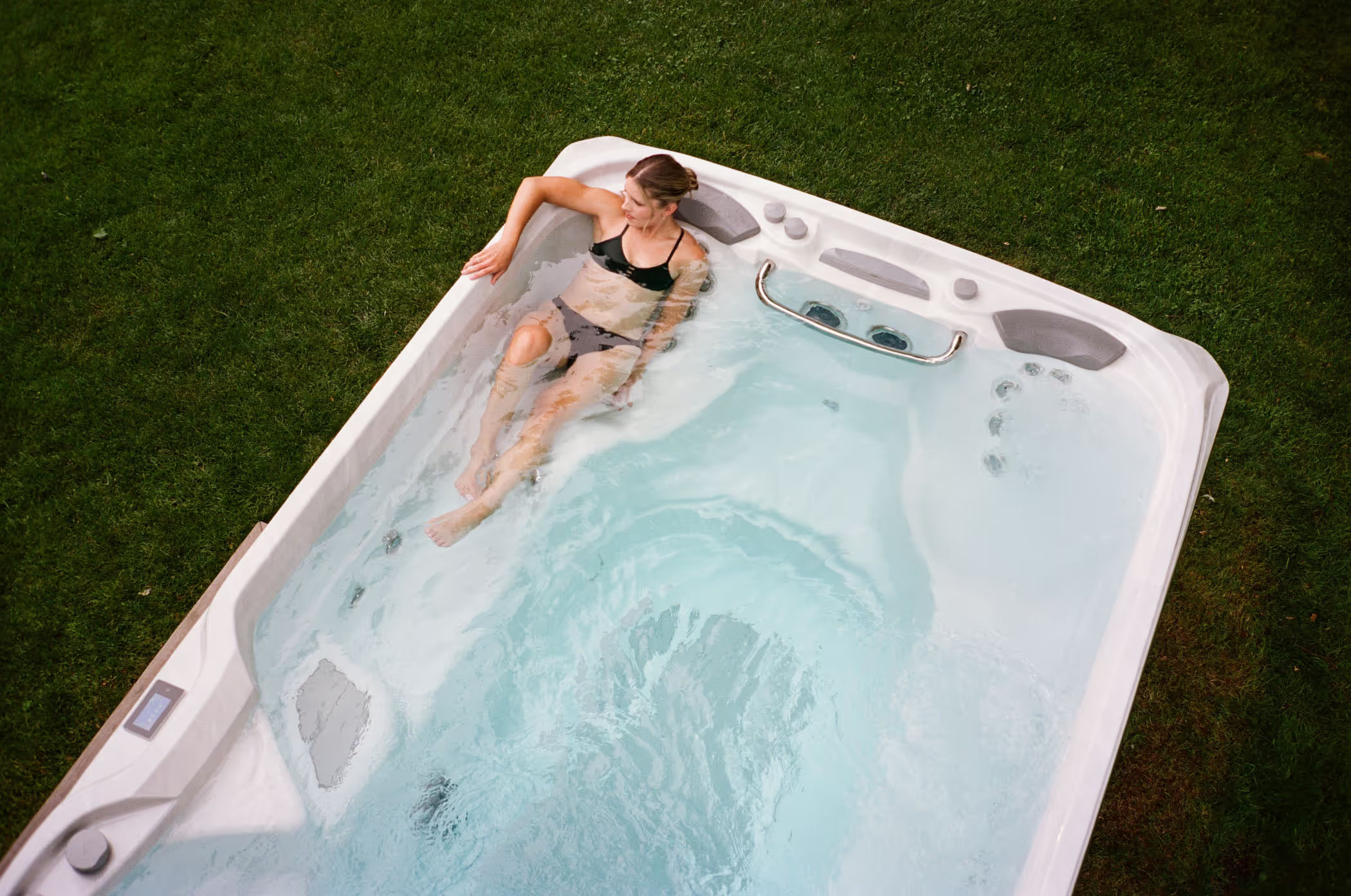
Het is gemakkelijk om van een Zwemspa's te houden vanwege de dagelijkse beweging en de tijd in het water die het met zich meebrengt, maar u zult ook waarderen hoe naadloos het past bij een actief leven thuis.

Elke Sundance® Hottub is gebouwd voor maximale ontspanning met functies die het bezit van een Hottub een fluitje van een cent maken, zodat u met een gerust hart van uw nieuwe Hottub kunt genieten.
Hulpbronnen
Vind jouw Hottub
Ontdek de Sundance®-modellen om de perfecte Hottub voor jou te vinden.



Ashley Field is directeur verkooptraining bij Jacuzzi Group, waar ze de wereldwijde trainingsstrategie en -ontwikkeling voor meerdere merken leidt. Sinds haar indiensttreding in 2016 heeft ze zich gericht op het ontwikkelen van programma's die teams op één lijn brengen, bedrijfsdoelstellingen ondersteunen en de klantervaring verbeteren. Field heeft een bachelordiploma in industrieel ontwerp van de Arizona State University en is lid van de Association for Talent Development.
Swim spas are a fantastic investment forfitness, hydrotherapy, and relaxation. But when it comes to ownership, thelong-term energy costs can add up quickly if you're not careful about the modelyou choose. With rising energy prices and a growing awareness of environmentalimpact, energy-efficient swim spas have become a top priority for savvy buyersacross the world.
This blog will walk you througheverything you need to know about energy-efficient swim spas —so you can enjoyall the benefits of ownership without draining your wallet (or your energygrid).
Why Energy Efficiency Matters for aSwim Spa
Unlike a traditional hot tub, swim spas arelarger and often run year-round, sometimes even 24/7, depending on your usagepatterns. That means they consume more energy, especially if they’re poorlyinsulated, inefficiently designed, or lack smart controls.
Here’swhy efficiency is crucial:
- Helps lower utility bills monthafter month
- Reduces environmental impact
- Faster heating and more consistentwater temperature
- Fewer maintenance headaches due tosmarter systems
- Greater resale value with anenergy-conscious design
- Extended equipment lifespan due toreduced wear and optimized operation
In short, choosing the right model isn’t justabout up-front features—it’s about minimizing lifetime costs and maximizingcomfort.
Understanding What Makes a Swim SpaEnergy Efficient
Let’s break down the core components thatcontribute to energy-efficient swim spas:
1.Insulation Quality
Insulation is the first and most importantline of defense against heat loss. Energy-efficient swim spas typicallyinclude:
- Full-Foam Insulation: Fills all the cavitiesbetween the shell and cabinet for maximum heat retention.
- Perimeter Insulation: Places insulatingmaterial along the inside of the cabinet walls and uses recycled spa heat towarm the plumbing and water.
- High-Density or Multi-Layered Insulation Materials: Offer superior thermal performance.
The goal? Prevent heat from escaping so yourheater doesn’t have to work overtime.
Also, consider the insulation's R-value, whichis a measurement of thermal resistance. The higher the R-value, the better thespa retains heat.
2.Efficient Pumps and Motors
Look for energy-efficient variable-speed pumpsand ECM (electronically commutated motors) that adjust their power outputdepending on your activity—whether it’s a light soak or a high-resistance swim.
Efficientsystems use:
- Less electricity
- Create less friction
- Run more quietly
- Last longer due to reduced wearand tear
Additionally, some swim spas use dual-zonepump systems, which separate filtration from swim jets—reducing the need forhigh power when not in active use.
3.Cover Quality
Although many don’t realize it, your swim spacover is a major factor in daily energy loss. A high-quality, insulated covercan:
- Prevent heat evaporation
- Block UV rays
- Shield against cold weather
- Reduce debris entry (keeping watercleaner and requiring fewer chemicals)
Look for locking, tight-seal covers with aminimum thickness of 4 inches, preferably with a tapered design to encouragerain and snow runoff.
For added savings, consider automated orhydraulic covers that make it easier to cover your spa consistently after eachuse.
4.Smart Controls and Automation
Today’s best swim spas include Wi-Fi orapp-connected controls that let you:
- Program energy-saving heatingcycles
- Lower water temperature duringoff-peak times
- Schedule filtration whenelectricity is cheaper
- Monitor energy usage in real time
These controls allow you to align spaoperation with your lifestyle—and your utility budget.
In addition, some systems includeweather-responsive automation to adjust heating and filtration based on localclimate conditions.
5.Heater Efficiency and Placement
A well-designed swim spa will include ahigh-efficiency titanium or stainless steel heater that resists corrosion andoperates faster with less energy.
Additionally, the location of your heatermatters. Some systems integrate heaters near pumps to reclaim residual heatfrom water friction, improving overall efficiency. You may also find modelsthat support heat recovery systems, which redirect waste heat from pumps andmotors to pre-warm the water.
6.Shell and Cabinet Design
Look beyond just aesthetics. Energy-efficientshells are made from multi-layered acrylic or composite materials that helptrap warmth. Cabinets should offer:
- Weather-resistant, insulatedpanels
- Tight sealing around edges
- Service access withoutcompromising insulation
Even small design features like the shape ofyour spa and jet placement can influence how effectively heat circulates.
Cabinet ventilation is another factor.Well-vented but insulated designs help maintain component lifespan whilecontaining thermal energy.
How to Compare Energy EfficiencyBetween Models
1. Lookfor Energy Efficiency Ratings or Certifications
Not all manufacturers publish energy data, butreputable ones often include certifications or test results such as:
- California Energy Commission (CEC)compliance
- ENERGY STAR® (less common for spasbut growing)
- Independent third-party testingreports
When available, compare kWh per month orannual estimated energy usage between models. Also, look for ISO 13297compliance, a standard used to evaluate energy use in portable electric spas.
2. Askfor the Energy Guide or Specification Sheet
Manufacturers or dealers should be able toprovide:
- Heater wattage
- Pump horsepower and efficiencyrating
- Insulation details
- Monthly energy use estimates invarious climates
Use these numbers to project your long-termoperating costs. You can also request climate-specific energy charts whenavailable, as energy performance can vary significantly between temperate andcold-weather zones.
3. Talkto Owners in Your Climate Zone
A swim spa that’s efficient in SouthernCalifornia may behave differently in Minnesota. Read reviews, ask questions inonline forums, or talk to owners in your area to understand real-worldperformance based on your climate.
You can also ask local dealers for casestudies or testimonials from other customers who use their spas year-round.
Features to Consider for Long-TermEnergy Savings
Here are some add-on features and designelements that may add to upfront cost, but save money in the long run:
Feature
Energy Impact
Dual-Zone Temperature Control
Keeps the swim zone cooler and the therapy zone warmer
Oxygen or UV sanitation
Reduces the need for energy-consuming filtration
LED Lighting
Consumes far less power than incandescent lights
Dual-layer insulated covers
Minimizes heat loss overnight
Solar-ready panels or heating kits
Great for off-grid or green installations
App-based control systems
Allow for real-time energy use adjustments
Programmable filtration settings
Customize cycles to avoid peak usage times
Also consider accessories like spa blankets orfloating thermal covers, which add another layer of insulation directly on thewater surface.
Installation Tips That BoostEfficiency
Even the most energy-efficient swim spa canunderperform if it’s poorly installed. Here are some installation guidelines tokeep energy loss to a minimum:
Choosethe Right Location
Place the spa in a sheltered area to block thewind. Use natural shade or pergolas (arched garden structures) to reduce UVexposure and water evaporation.
Installon an Insulated Base
Concrete pads should be layered withinsulating foam boards or thermal barriers to prevent heat loss through thebottom of your spa.
UseWindbreaks or Skirting
Consider decorative fencing, plants, orprivacy screens to shield your spa from wind chill, which can dramaticallyincrease energy use.
A thoughtful installation can improve energyperformance by up to 20%, depending on conditions.
Questions to Ask Before You Buy
To ensure you're getting the most efficientswim spa, ask your dealer the following:
- What type of insulation does thismodel use?
- What is the estimated monthlyenergy use in my region?
- Is there an energy guide orthird-party test available?
- What is the cover made of, and howthick is it?
- Does this spa include smartcontrols or programmable settings?
- Are the pumps variable-speed orfixed-speed?
- Can I upgrade to solar oralternative heating systems?
If your dealer can’t provide clear answers, itmight be worth shopping around.
Efficiency Is an Investment
When it comes to swim spas, energy efficiencyisn’t just a nice feature—it’s a financial strategy. More effort on thought andresearch at the purchase stage can lead to major savings, lower stress, and agreener lifestyle down the road.
By focusing on insulation, smart technology,efficient components, and smart installation, you can choose a model that notonly enhances your well-being but also protects your wallet.
Choosing a swim spa with energy efficiency inmind is about future-proofing your investment. As energy prices rise andsustainability becomes a priority, your smart choice today will provideefficient relaxation for years to come.
Ready to dive in? Don’t just buy a swim spa.Invest in one that’s built for the long haul—and built to save.
Need Help Making A Decision?
Our vast array of spas is waiting to conqueryour relaxation needs. Visit our website or request a free brochure to start your journey to spaownership today.
Seating:
Seats

Seating:
Seats

Seating:
Seats

Start exploring the features Sundance® spas have to offer, and learn how to make spa time a focal point in your journey to share meaningful moments with the people you love.