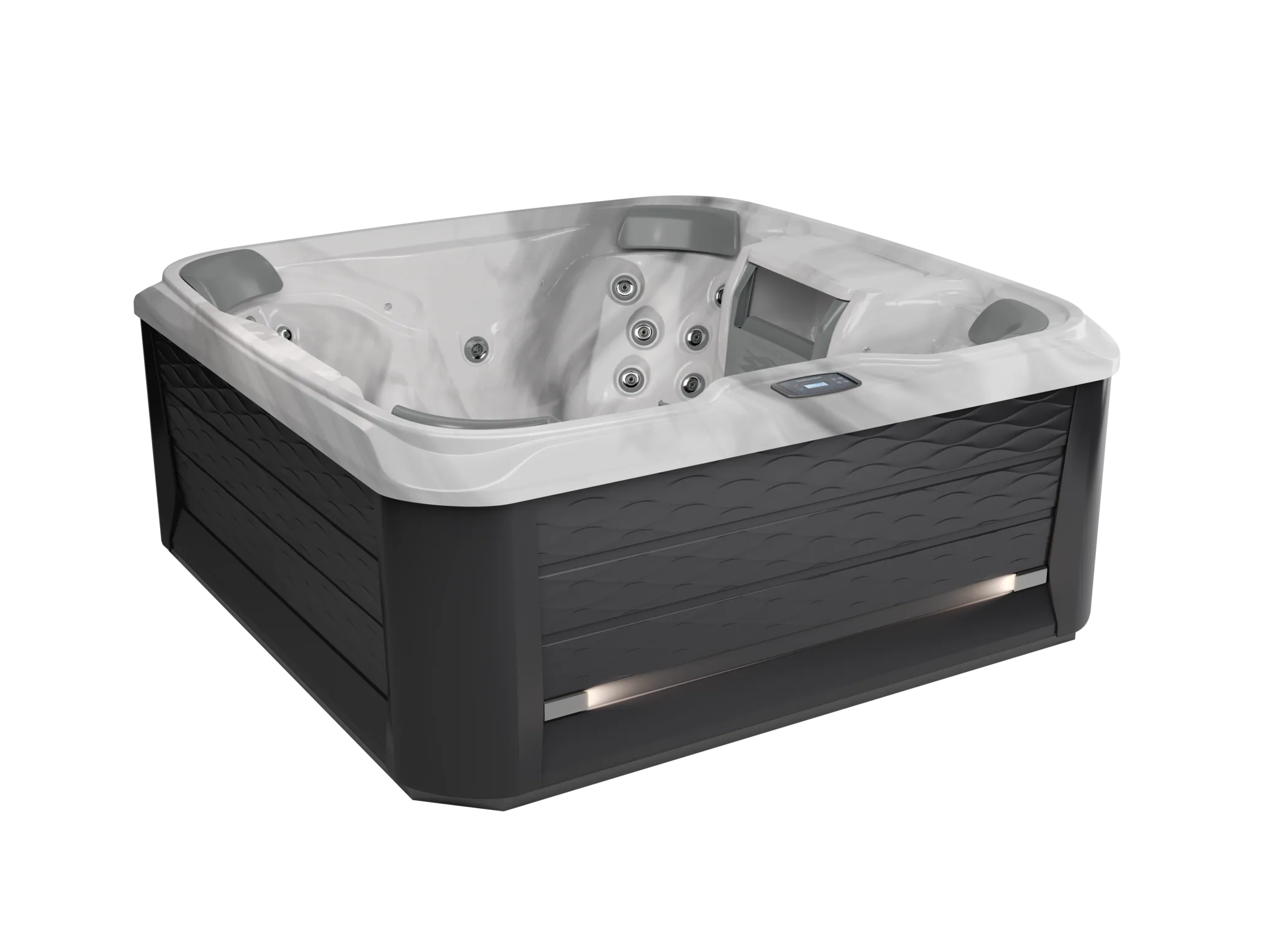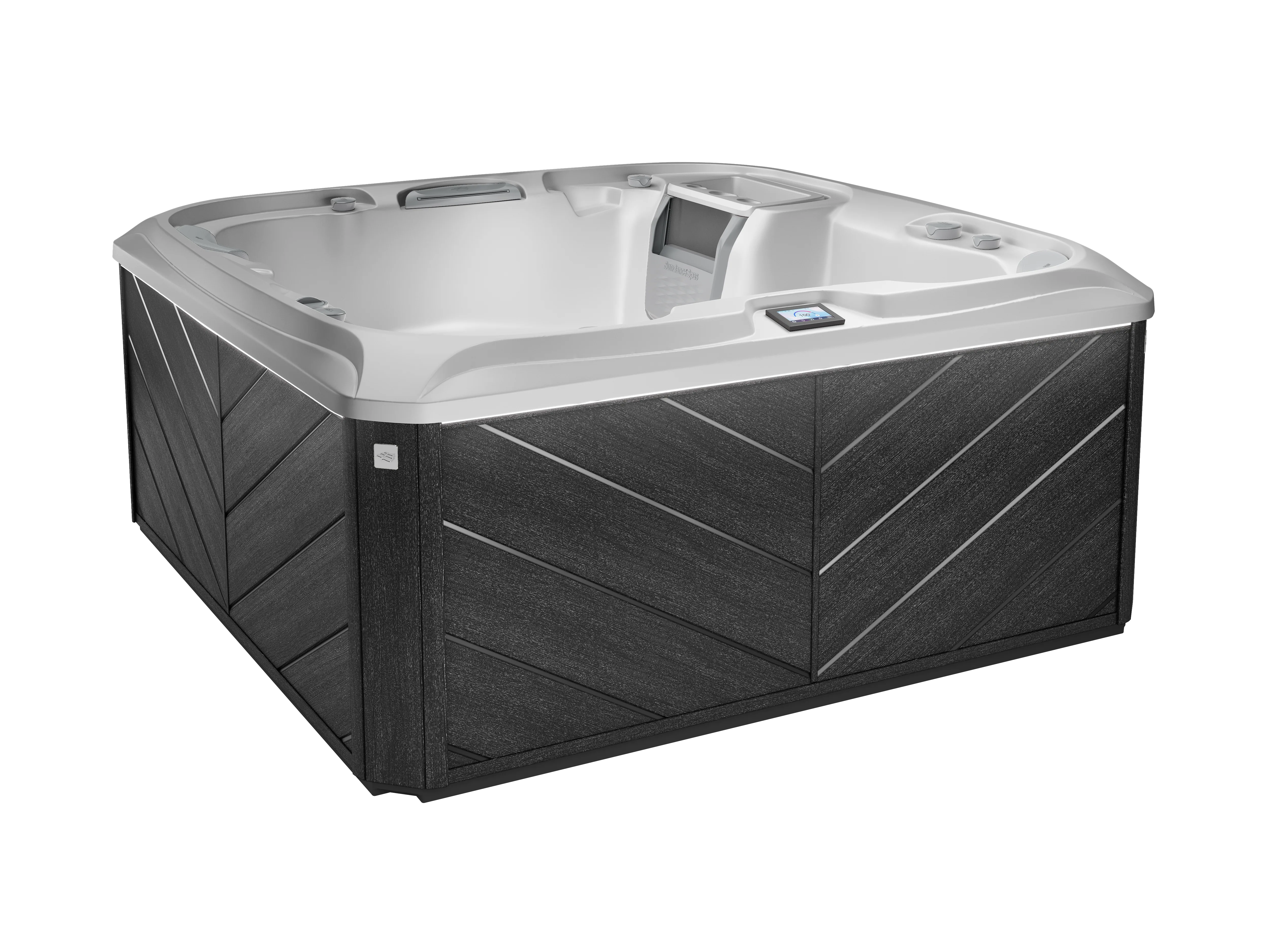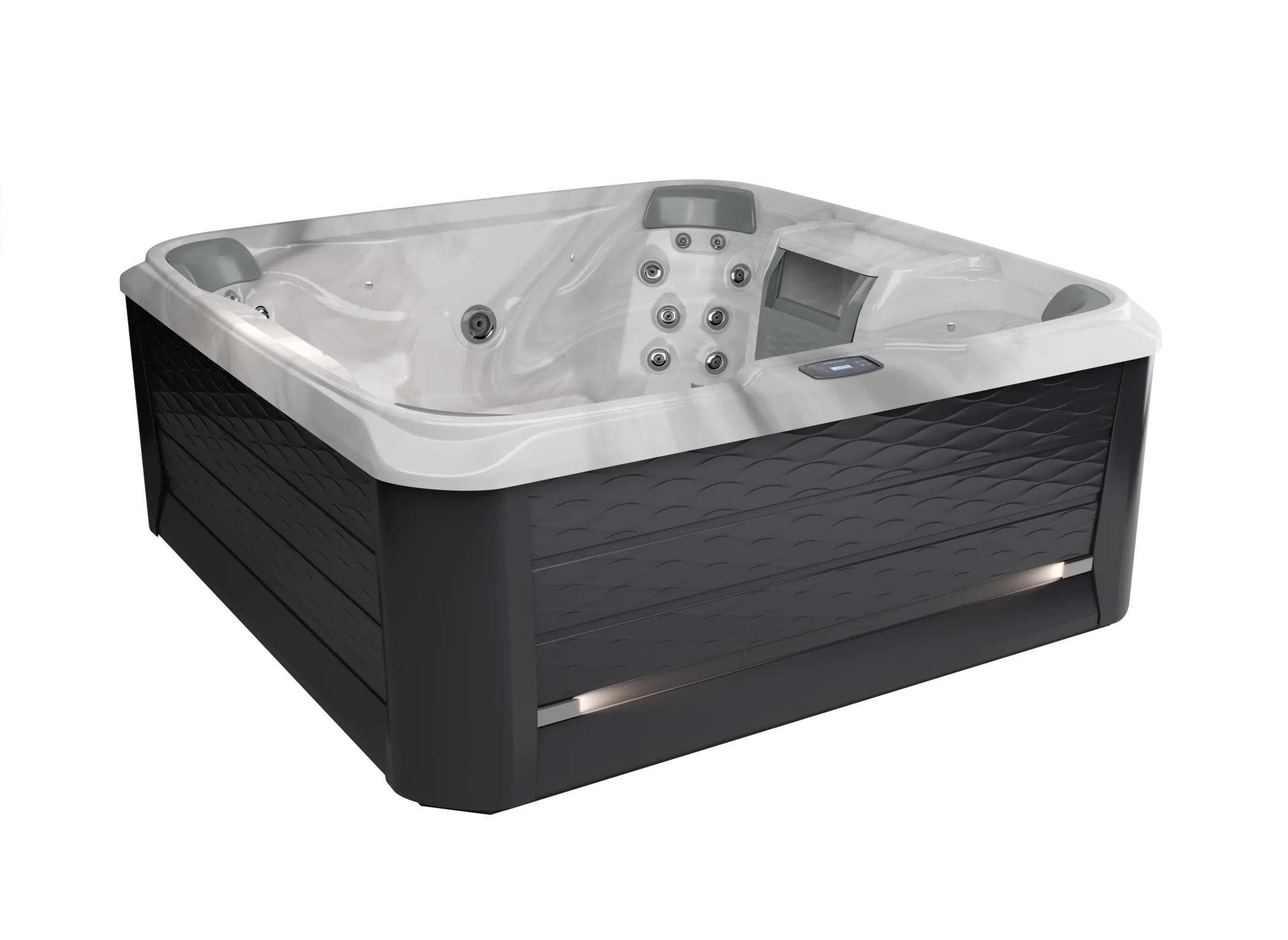


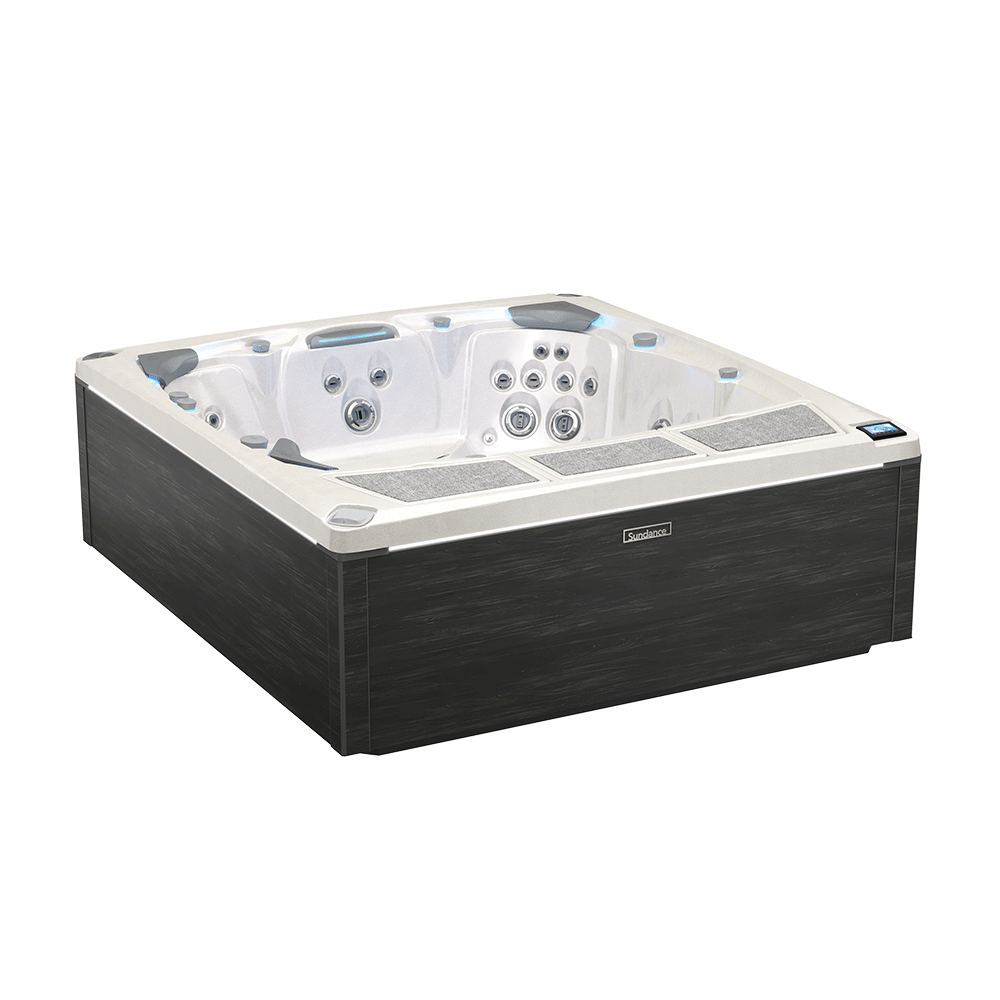
780™ Serie
Bristol™ – 780™ Serie
Seating:
5-6
LiegesitzSeats
Fluidix Jet
Energieeffizient
$$$$
MSRP$16899
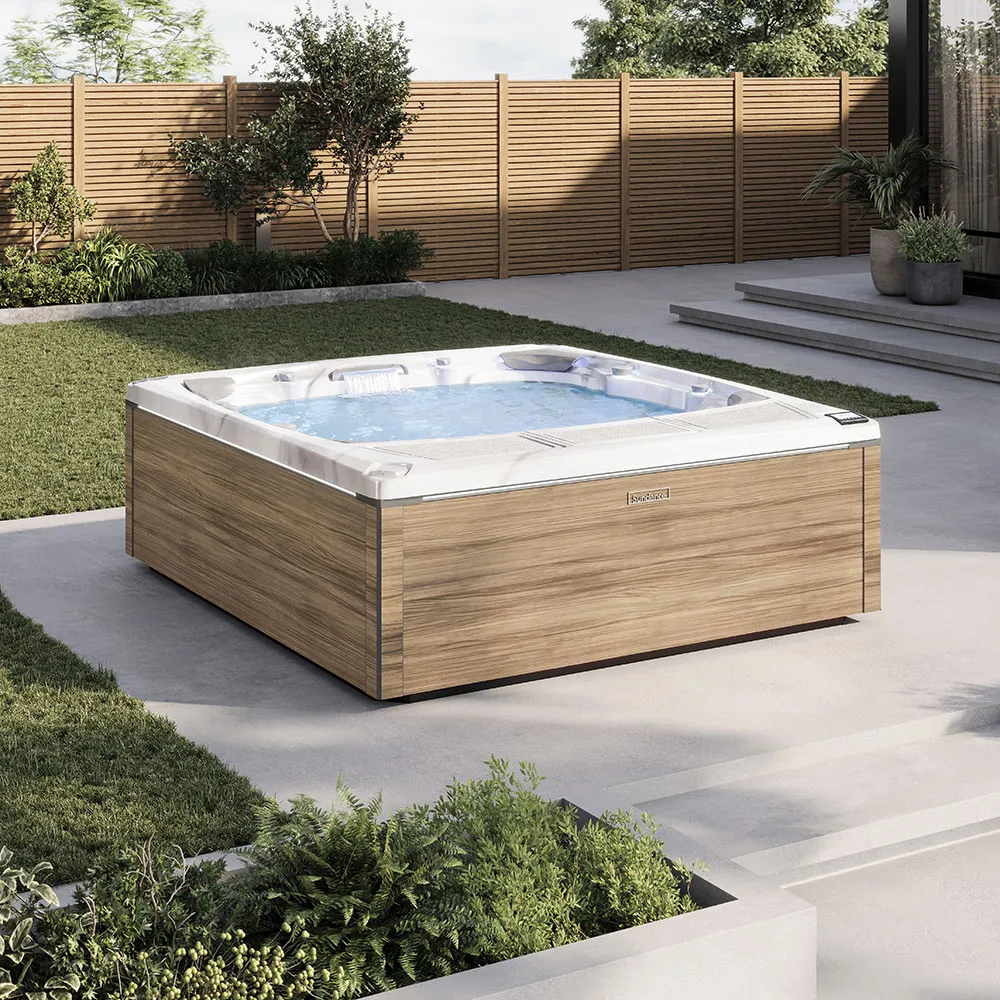
Setzen Sie ein mutiges Statement mit einem hervorragend gestalteten Whirlpool, das reich an Funktionen ist, die sich ideal für Unterhaltung oder einfach zum Entspannen eignen.

Unsere meistverkauften Whirlpools bieten eine ideale Balance aus fortschrittlichen Funktionen, erstklassigem Komfort und transformativer Hydrotherapie.

Die richtigen Funktionen für all Ihre besten Momente, zu einem Preis, der alles möglich macht. Jetzt ist es an der Zeit, alles zu verwirklichen.
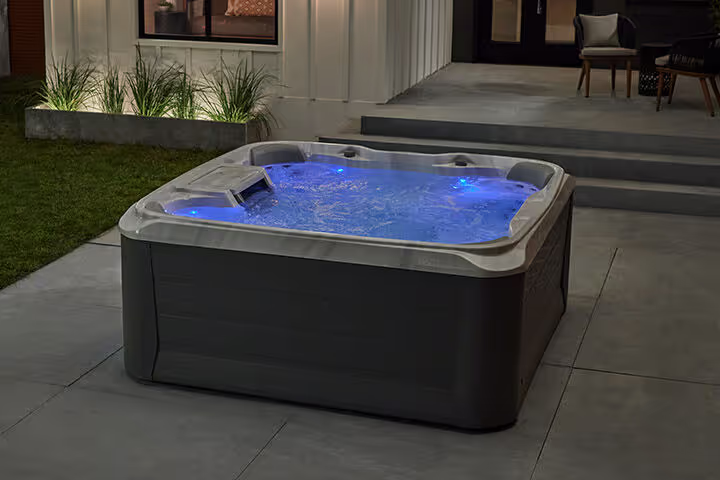
Es ist leicht, den Whirlpool der Serie 680 für all die unterhaltsamen und entspannenden Momente zu lieben, aber Sie werden auch seine hervorragende Haltbarkeit und sein gutes Preis-Leistungs-Verhältnis zu schätzen wissen.
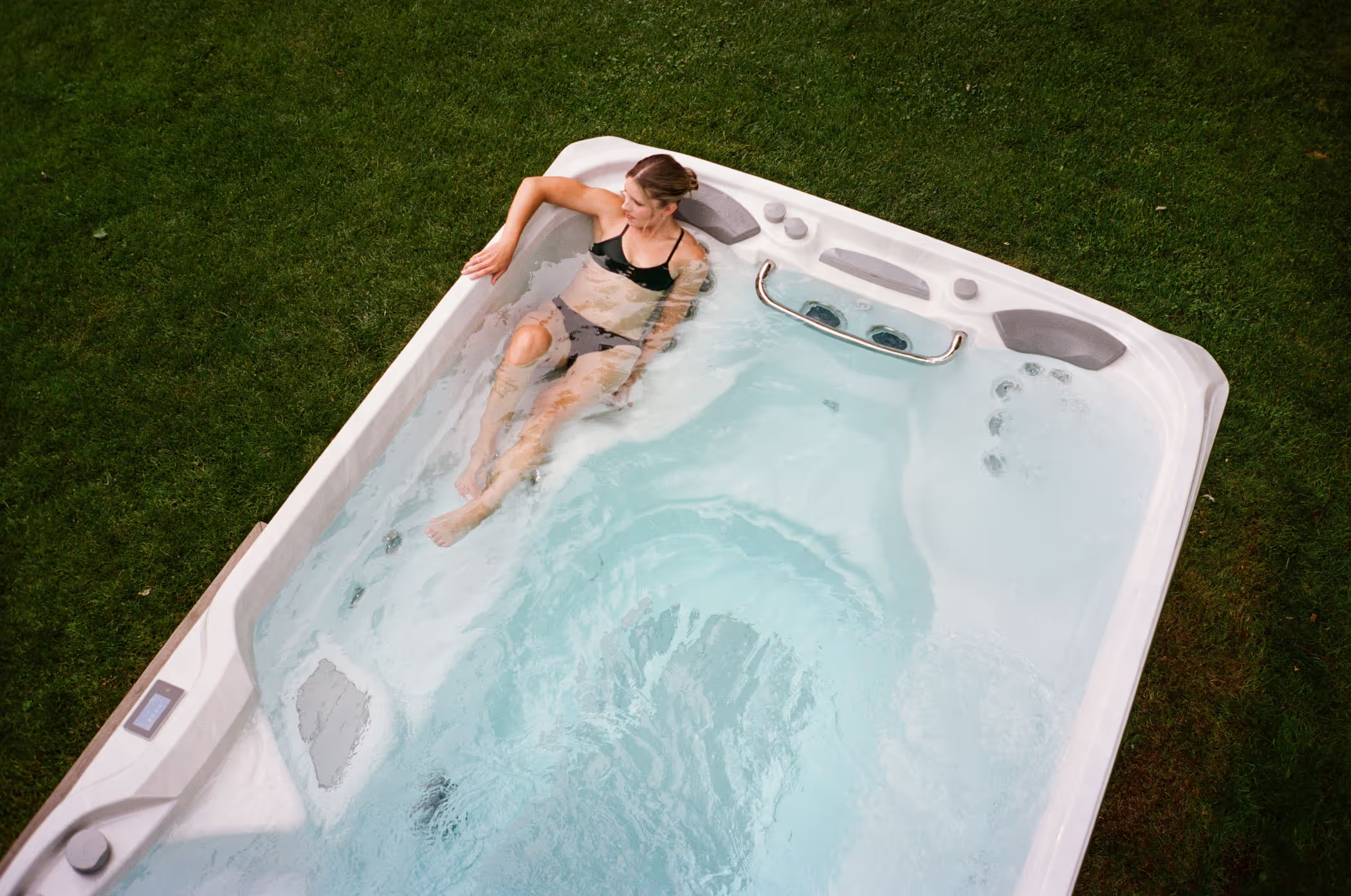
Es ist leicht, ein Swim Spa der täglichen Bewegung und der Wasserzeit zu lieben, die es mit sich bringt, aber Sie werden auch zu schätzen wissen, wie nahtlos es zu einem aktiven Leben zu Hause passt.

Jedes Sundance® Whirlpool ist auf maximale Entspannung ausgelegt und verfügt über Funktionen, die den Whirlpool-Besitz zum Kinderspiel machen, sodass Sie Ihr neues Whirlpool mit Zuversicht genießen können.
Finden Sie Ihren Whirlpool
Entdecken Sie die Sundance®-Modelle, um den perfekten Whirlpool für Sie zu finden.



Erica Moir ist Vizepräsidentin für Design und fortschrittliche Technologien bei der Jacuzzi Group, wo sie die Produktinnovation in den Bereichen Whirlpool- und Badprodukte leitet. Mit über 22 Jahren im Unternehmen hatte sie Führungspositionen in Marketing, Produktdesign und -entwicklung in Nordamerika und Europa inne. Moir setzt sich leidenschaftlich für kreative, nachhaltige Lösungen ein, die sowohl die Produktleistung als auch das Kundenerlebnis verbessern. Sie hat Abschlüsse in Industrie- und Produktdesign vom Fanshawe College und in Bildender Kunst von der University of Windsor.
Wenn Sie mit dem Gedanken spielen, einen Whirlpool zu kaufen, fragen Sie sich wahrscheinlich, welcher Wartungsaufwand damit verbunden ist. Obwohl viele der heutigen hochwertigen Whirlpools über exzellente Wasserpflege- und Filtersysteme verfügen, die die Instandhaltung erleichtern, gibt es dennoch einige kleine Aufgaben, die Sie erledigen müssen, um für klares, frisches Wasser zu sorgen, das jederzeit bereit für ein entspannendes Bad ist. Vieles davon läuft auf die Aufrechterhaltung der richtigen Wasserchemie hinaus, einschließlich ausgewogener pH-Werte, Desinfektionsmittel und Alkalinität.
Dieser Artikel ist Ihr vollständiger Leitfaden für eine spezielle chemische Behandlung, die für Ihr Whirlpoolwasser unerlässlich ist: die Schockbehandlung. Zunächst wird erklärt, was eine Schockbehandlung ist, warum sie für Ihr Whirlpoolwasser so wichtig ist und wie Sie Ihren Whirlpool damit behandeln.
Was ist eine Schockbehandlung für Whirlpools?
Dieser Begriff bezeichnet eine konzentrierte Dosis oxidierender Chemikalien, die verwendet wird, um organische Verunreinigungen und gebundene Nebenprodukte abzubauen, die sich in Ihrem Whirlpoolwasser ansammeln – darunter Sunscents, Lotionen, Kosmetika, natürliche Körperöle, Schweiß und abgestorbene Hautschuppen. Eine chlorbasierte Schockbehandlung sorgt zudem für zusätzliche Desinfektion, indem sie hilft, Bakterien, Algen, Viren und andere Mikroorganismen zu beseitigen, während alle Schockbehandlungen dabei helfen, Abfallstoffe zu oxidieren, die das Wasser trüben oder verfärben können. Zudem wird die Wirksamkeit Ihrer Whirlpool-Desinfektionsmittel wiederhergestellt.
Die Schockbehandlung sollte als Teil Ihrer regelmäßigen Wartungsroutine zusammen mit der laufenden Desinfektion eingesetzt werden. Über die tägliche Desinfektion hinaus oxidiert die Schockbehandlung organische Verbindungen, die sich im Wasser ansammeln, baut Chloramine ab, die Gerüche sowie Haut- und Augenreizungen verursachen können, und stellt die Klarheit des Wassers wieder her, die durch die Nutzung allmählich abnimmt. Die Schockbehandlung reinigt die Wasserchemie Ihres Whirlpools tiefenwirksam und ergänzt somit die tägliche Desinfektion, die kontinuierlich Bakterien bekämpft.
Viele Menschen führen den starken Chlorgeruch auf eine Überdosierung von Chemikalien zurück. Dieser Geruch deutet jedoch meist auf einen Mangel an ausreichend freiem Chlor hin, nicht auf ein Zuviel. Er wird durch Chloramine verursacht – verbrauchte chemische Verbindungen, die entstehen, wenn sich freies Chlor mit Schweiß, Ölen, Hautschuppen und anderen organischen Abfällen vermischt. Wenn Sie diesen Geruch wahrnehmen oder ein Jucken sowie Reizungen an Haut und Augen verspüren, kann dies ein Zeichen dafür sein, dass Ihr Whirlpoolwasser eine Schockbehandlung benötigt.
Durch die Schockbehandlung hinzugefügtes freies Chlor ist zudem wesentlich effektiver bei der Desinfektion als Chloramine, die zudem Haut und Augen reizen können.
Chlorschock für Whirlpools vs. chlorfreier Schock
Es gibt zwei Arten der Schockbehandlung für Whirlpools: Chlorschock und chlorfreier Schock. Hier ist der Unterschied:
Chlorschock
Bei der chlorbasierten Schockbehandlung werden konzentrierte Dosen der Desinfektionsmittel verwendet, die regelmäßig in Whirlpools eingesetzt werden, um Oxidation und zusätzliche Desinfektion zu gewährleisten. Da die Chlorschockbehandlung den Desinfektionsmittelgehalt deutlich erhöht, sollten Sie warten, bis der Wert für freies Chlor wieder im vom Hersteller empfohlenen Bereich liegt, bevor Sie den Whirlpool nutzen. Dies kann je nach verwendetem Produkt und Zustand Ihres Whirlpoolwassers mehrere Stunden dauern. Eine Behandlung am Abend ist ideal, damit sich die Chemikalien über Nacht abbauen können.
Chlorfreier Schock
Eine chlorfreie Schockbehandlung besteht in der Regel aus MPS (Kaliummonopersulfat), das für die Oxidation Ihres Whirlpoolwassers sorgt, ohne Chlor hinzuzufügen. Da kein Chlor enthalten ist, können Sie Ihren Whirlpool relativ kurz nach einer chlorfreien Schockbehandlung wieder nutzen – meist nach 15 bis 30 Minuten, sofern die Wasserwerte wieder im Normalbereich liegen. Da ein chlorfreier Schock primär ein Oxidationsmittel ist, bietet er nicht das gleiche Maß an Desinfektion wie ein Chlorschock. Er dient eher als ergänzende Behandlung und nicht als vollständiger Ersatz für eine umfassende Schockbehandlung. Betrachten Sie den chlorfreien Schock als bequeme Möglichkeit, Verunreinigungen zwischen den routinemäßigen Desinfektionsbehandlungen zu oxidieren.
So führen Sie eine Schockbehandlung für Ihren Whirlpool durch
Wie Als allgemeine Regel gilt: Bei normaler Nutzung sollten Sie Ihren Whirlpool etwa einmal pro Woche einer Stoßbehandlung unterziehen. Zusätzliche Behandlungen können erforderlich sein, wenn Sie Ihren Whirlpool täglich nutzen oder nach einer hohen Badebelastung, etwa wenn vier oder mehr Personen gleichzeitig oder über einen längeren Zeitraum darin gebadet haben. Auch nach einer Party oder einem geselligen Beisammensein, bei dem viele Personen den Whirlpool genutzt haben, sollten Sie eine Stoßbehandlung durchführen.
Nach einer solchen Nutzung kann das Wasser trüb, schaumig oder verfärbt sein. Dies sind Anzeichen dafür, dass Ihr Whirlpoolwasser eine Behandlung benötigt. Wenn das Wasser nicht auf die Anpassung des Desinfektionsmittels reagiert, kann eine Stoßbehandlung ebenfalls helfen, das Gleichgewicht wiederherzustellen.
Wenn Sie bereit sind, eine Stoßbehandlung für Ihr Whirlpoolwasser durchzuführen, testen Sie zunächst das Wasser und gleichen Sie den pH-Wert aus. Dieser sollte im Bereich zwischen 7,2 und 7,6 liegen. Ihre Stoßbehandlung ist am effektivsten, wenn der pH-Wert im optimalen Bereich liegt.
Achten Sie darauf, die Menge des Stoßbehandlungsmittels gemäß den Anweisungen auf der Verpackung zu dosieren, die sich nach dem Wasservolumen Ihres Whirlpools richten sollte. Achten Sie darauf, die empfohlene Dosis nicht zu überschreiten.
Lassen Sie die Abdeckung Ihres Whirlpools nach der Zugabe des Stoßbehandlungsmittels für mindestens 20 Minuten geöffnet, damit Gase während des Prozesses entweichen können. Zudem sollten die Pumpen für mindestens 20 Minuten laufen, um eine ordnungsgemäße Zirkulation zu gewährleisten.
Verteilen Sie das Stoßbehandlungsmittel über die gesamte Wasseroberfläche, anstatt es an einer Stelle zu konzentrieren. Eine gleichmäßige Verteilung ermöglicht eine schnellere Auflösung und verhindert, dass konzentrierte Chemikalien über längere Zeit mit der Oberfläche Ihres Whirlpools in Kontakt kommen, was die Beschichtung beschädigen könnte.
Sicherheitshinweise für die Stoßbehandlung
Obwohl die Stoßbehandlung Ihres Whirlpoolwassers sicher ist, sollten Sie bedenken, dass es sich um ein konzentriertes Produkt handelt, das mit Vorsicht gehandhabt werden muss. Wenn Sie Ihrem Whirlpoolwasser Chemikalien hinzufügen, sollten Sie immer die spezifischen Anweisungen in der Bedienungsanleitung Ihres Modells und auf dem Produktbehälter befolgen. Hier sind einige zusätzliche Tipps für eine sichere Anwendung:
1. Verwenden Sie nur die empfohlene Art und Menge an Stoßbehandlungsmittel gemäß Ihrem spezifischen Whirlpool-Modell, was sich häufig nach dem Wasservolumen Ihres Whirlpools richtet.
2. Mischen Sie niemals Whirlpool-Chemikalien. Geben Sie Chemikalien und Behandlungsmittel immer einzeln nacheinander hinzu, um gefährliche Reaktionen wie giftige Dämpfe oder Brände zu vermeiden.
3. Lassen Sie die Abdeckung Ihres Whirlpools während der Wasserbehandlung und für mindestens 20 Minuten nach der Zugabe des Produkts geöffnet.
4. Lagern Sie Whirlpool-Chemikalien bei Nichtgebrauch an einem kühlen, trockenen und gut belüfteten Ort, der für Kinder und Haustiere unzugänglich ist. Bewahren Sie das Produkt immer im Originalbehälter auf und vermeiden Sie die Lagerung in der Nähe von Wärmequellen oder in direktem Sonnenlicht.
5. Warten Sie nach der Behandlung immer, bis der Desinfektionsmittelgehalt wieder in einem sicheren Bereich liegt, bevor Sie Ihren Whirlpool benutzen.
Whirlpool-Neulinge können bei ihrem autorisierten Fachhändler vor Ort viel über die Pflege ihres Whirlpoolwassers lernen. Fragen Sie beim Kauf Ihres Whirlpools unbedingt nach, welche Art von Chemikalien Ihr Modell benötigt, und informieren Sie sich über Wassertests und die Wasserpflege.
Ihr Whirlpool-Händler kann Ihnen beim Kauf detaillierte Anleitungen zur Wasserpflege geben, und einige autorisierte Whirlpool-Händler bieten möglicherweise Wassertests im Geschäft an. Einige Whirlpools, wie zum Beispiel ausgewählte Sundance® Spas Modelle, bieten sogar intelligente Technologie und Apps, die Ihnen helfen, Ihr Whirlpoolwasser zu überwachen und zu verwalten.
Das SmartTub®-System und die App von Sundance® Spas bieten drahtlose Sensoren, die eine Echtzeitüberwachung der Wasserqualität ermöglichen, um sicherzustellen, dass sich Ihr Whirlpool vor dem nächsten Bad in optimalem Zustand befindet. Es bietet zudem proaktive Wartungsfunktionen wie Ferndiagnosen, mit denen Sie Probleme schnell identifizieren und beheben können, oft ohne dass ein Serviceeinsatz erforderlich ist.
Wenn Sie bereit sind, sich mit dem Thema Whirlpool-Besitz zu befassen und mehr über die Pflege Ihres Whirlpool-Wassers, einschließlich Schockbehandlungen, zu erfahren, besuchen Sie Ihren autorisierten Sundance® Whirlpools-Händler in der Nähe. Dort können Sie verschiedene Modelle erkunden, mit einem fachkundigen Händler sprechen und sogar einen Probelauf im Wasser machen, um selbst herauszufinden, welches Modell Ihnen am besten gefällt.
Häufig gestellte Fragen (FAQs): Schockbehandlungen für Whirlpools: Vollständiger Leitfaden
F: Ist eine Schockbehandlung für Whirlpools sicher?
A: Ja, eine Schockbehandlung für Whirlpools ist sicher. Es handelt sich jedoch um ein starkes chemisches Mittel, das daher korrekt angewendet werden muss. Da es hochkonzentriert ist, gibt es nach der Anwendung eine Wartezeit. Bei einer chlorfreien Schockbehandlung sollten Sie etwa 15 bis 30 Minuten warten. Je nach verwendetem Produkt müssen Sie möglicherweise zwei Stunden bis über Nacht warten oder bis die Desinfektionsmittelwerte wieder im vom Hersteller empfohlenen Bereich liegen, bevor Sie Ihren Whirlpool wieder benutzen.
F: Wie oft sollte ich eine Schockbehandlung bei meinem Whirlpool durchführen?
A: Die meisten Hersteller empfehlen, den Whirlpool einmal pro Woche im Rahmen der routinemäßigen Wasserpflege einer Schockbehandlung zu unterziehen. Die Art des Schockprodukts und die Häufigkeit hängen jedoch von Ihrem Desinfektionssystem und der Nutzungshäufigkeit Ihres Whirlpools ab. Sie sollten das Mittel beispielsweise auch nach intensiver Nutzung anwenden, etwa wenn sich mehrere Personen gleichzeitig in Ihrem Whirlpool aufgehalten haben. Befolgen Sie immer die Anweisungen in Ihrem Benutzerhandbuch sowie die Anwendungshinweise des Herstellers der Chemikalien.
F: Führen professionelle Unternehmen Schockbehandlungen für Whirlpool-Wasser durch?
A: Es gibt professionelle Pool-Service-Unternehmen, die auch Whirlpools warten. Sie sollten sicherstellen, dass das Unternehmen Dienstleistungen wie Wassertests, chemische Ausbalancierung, Entleeren und Wiederbefüllen, Filterreinigung und -austausch sowie das Abschöpfen der Wasseroberfläche anbietet. Die Preise variieren je nachdem, wie oft Sie den Service benötigen und was dieser beinhaltet. Recherchieren Sie einige lokale Unternehmen in Ihrer Nähe und bitten Sie um ein Beratungsgespräch, bevor Sie sich für einen Service entscheiden.
Haftungsausschluss: Sundance® Whirlpools ist eine eingetragene Marke des jeweiligen Eigentümers. Alle Rechte vorbehalten.
Medizinischer Haftungsausschluss: Wir sind keine medizinischen Fachkräfte. Dieser Inhalt dient nur zu Informationszwecken und ersetzt keine medizinische Beratung, Diagnose oder Behandlung. Wenden Sie sich bei Fragen zu medizinischen Problemen immer an Ihren Arzt oder einen qualifizierten Gesundheitsdienstleister.
Seating:
Seats
Seating:
Seats
Seating:
Seats

Entdecken Sie die Funktionen, die Sundance® Whirlpools zu bieten haben, und erfahren Sie, wie Sie die Zeit im Whirlpool zu einem zentralen Bestandteil Ihres Lebens machen können, um bedeutungsvolle Momente mit Ihren Liebsten zu teilen.